Ultimate Guide to the Top 10 Pasta Dishes You Must Try
Let's cut straight to the chase. You want to know the best pasta dishes out there, not just a random list. After years of eating my way through Italy and countless home kitchen experiments (some disastrous), I've settled on a ranking that balances iconic status, flavor complexity, and sheer satisfaction. Forget the watered-down versions you might know. We're talking about the real deal—the pastas that define comfort, skill, and regional pride.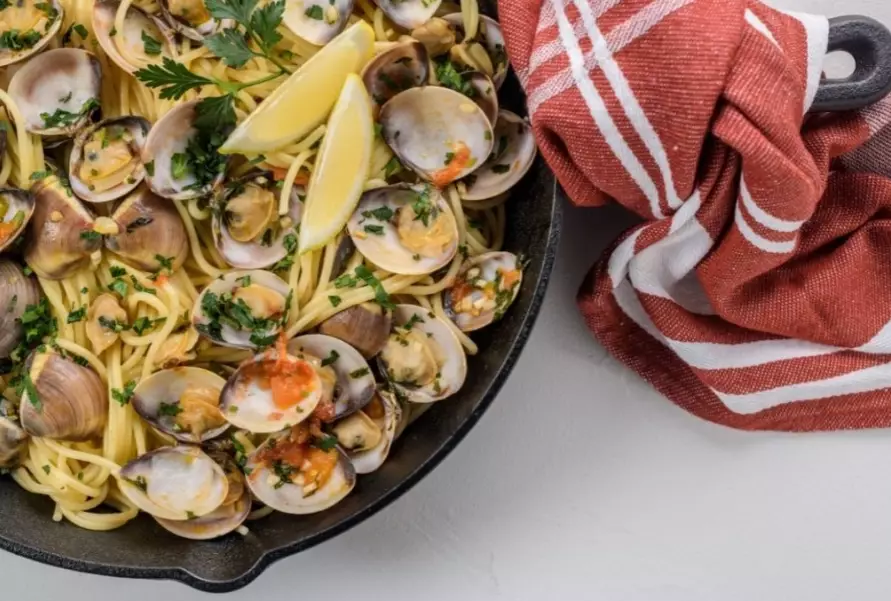
Your Pasta Journey Starts Here
- The Top 10 Pasta Dishes: Quick Glance
- #1: Spaghetti alla Carbonara
- #2: Tagliatelle al Ragu alla Bolognese
- #3: Trofie al Pesto alla Genovese
- #4: Tonnarelli Cacio e Pepe
- #5: Bucatini all'Amatriciana
- #6: Lasagna alla Bolognese
- #7: Penne all'Arrabbiata
- #8: Spaghetti alle Vongole
- #9: Spaghetti Aglio, Olio e Peperoncino
- #10: Gnocchi alla Sorrentina
- Pro Tips for Pasta Perfection
- Your Pasta Questions, Answered
The Top 10 Pasta Dishes: Quick Glance
Before we dive into the delicious details, here's the lineup. This isn't just about taste; it's about cultural impact, technique, and that "I need another bite" factor.
| Rank | Dish Name | Key Pasta Shape | Core Flavor Profile | Region of Origin |
|---|---|---|---|---|
| 1 | Spaghetti alla Carbonara | Spaghetti | Creamy, Salty, Peppery | Lazio (Rome) |
| 2 | Tagliatelle al Ragu alla Bolognese | Tagliatelle | Rich, Meaty, Savory | Emilia-Romagna |
| 3 | Trofie al Pesto alla Genovese | Trofie | Fresh, Herbaceous, Nutty | Liguria |
| 4 | Tonnarelli Cacio e Pepe | Tonnarelli/Spaghetti | Cheesy, Peppery, Sharp | Lazio (Rome) |
| 5 | Bucatini all'Amatriciana | Bucatini | Tomatoey, Smoky, Spicy | Lazio |
| 6 | Lasagna alla Bolognese | Lasagna Sheets | Layered, Hearty, Cheesy | Emilia-Romagna |
| 7 | Penne all'Arrabbiata | Penne | Spicy, Garlicky, Tomato | Lazio (Rome) |
| 8 | Spaghetti alle Vongole | Spaghetti | Briny, Garlicky, Fresh | Campania |
| 9 | Spaghetti Aglio, Olio e Peperoncino | Spaghetti | Garlicky, Spicy, Olive Oil | Southern Italy |
| 10 | Gnocchi alla Sorrentina | Gnocchi | Pillowy, Tomato, Mozzarella | Campania |
#1: Spaghetti alla Carbonara
This is it. The king. A dish so simple that most people get it wrong. The magic lies in emulsifying raw eggs, Pecorino Romano cheese, and black pepper with the hot pasta and rendered fat from guanciale (cured pork cheek). No cream. Ever. The heat from the pasta cooks the eggs into a silky, creamy sauce that coats every strand.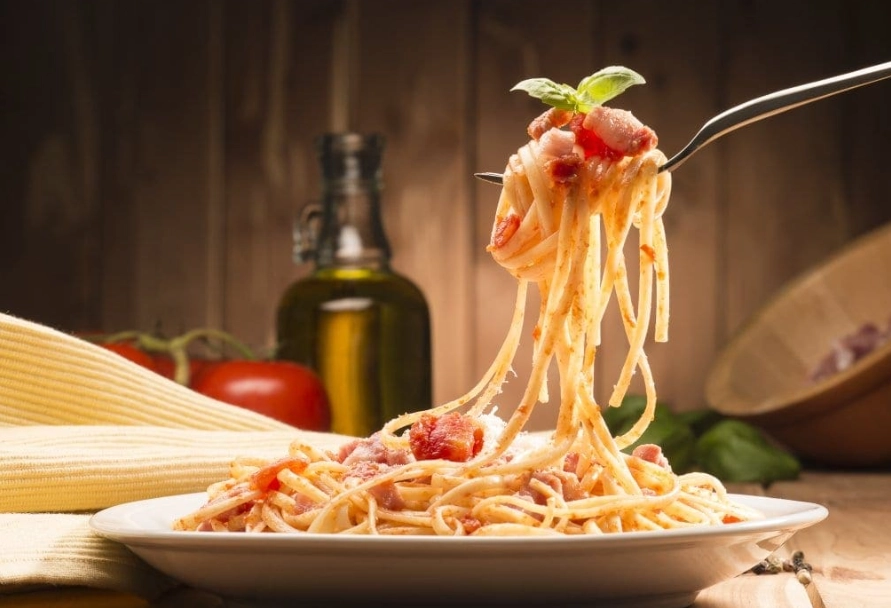
Where to Try the Real Deal in Rome:
Roscioli Salumeria con Cucina: This place is an institution. Part deli, part restaurant, their Carbonara is a masterclass. The guanciale is top-tier, and the sauce is perfectly loose and glossy.
Address: Via dei Giubbonari, 21, 00186 Roma.
Price: Expect to pay around €18-20 for a pasta portion. It's not cheap, but it's definitive.
Tip: Reservations are essential, book weeks in advance.
#2: Tagliatelle al Ragu alla Bolognese
Forget "spaghetti bolognese." In Bologna, the meat sauce (ragù) is slow-cooked for hours with a soffritto of onion, carrot, celery, a bit of tomato, white wine, and milk. It's paired with wide, flat tagliatelle that can hold the hearty sauce. The texture is everything—it should be thick, rich, and deeply savory.
#3: Trofie al Pesto alla Genovese
True pesto is a vibrant, uncooked sauce of fresh basil, garlic, pine nuts, coarse salt, Parmigiano-Reggiano, Pecorino, and Ligurian extra virgin olive oil, crushed in a marble mortar. The twisting shape of trofie pasta traps the sauce beautifully. It tastes like summer.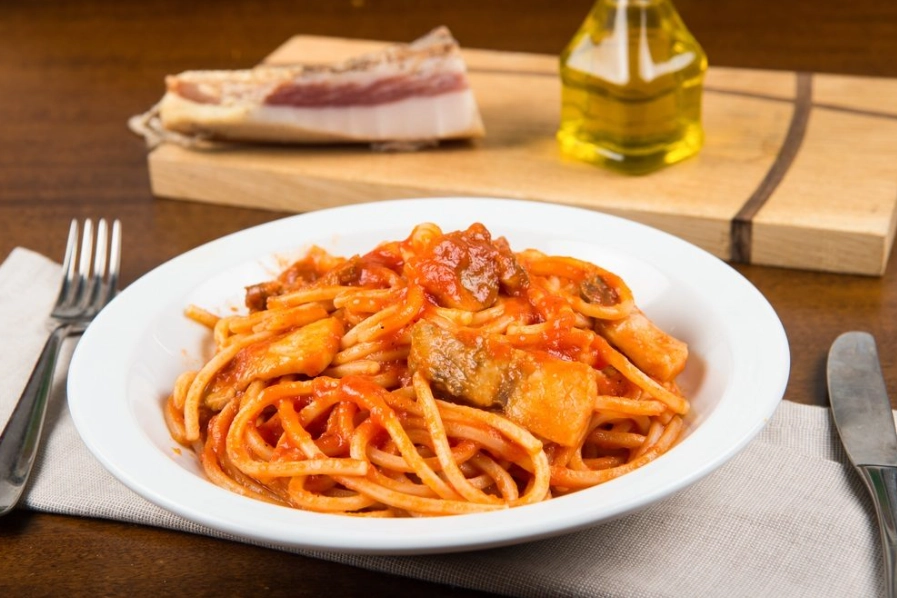
#4: Tonnarelli Cacio e Pepe
Another Roman staple that's harder than it looks. It's just cheese (Pecorino Romano), black pepper, and pasta water. The trick is creating a smooth, creamy emulsion without the cheese clumping. When done right, it's a sharp, peppery, and incredibly satisfying dish.
#5: Bucatini all'Amatriciana
The third of Rome's great pasta quartet. Guanciale, tomato, Pecorino, and a touch of chili. The hollow bucatini (like thick spaghetti with a hole) is essential—it captures the chunky sauce inside and out. It's smoky, slightly spicy, and utterly moreish.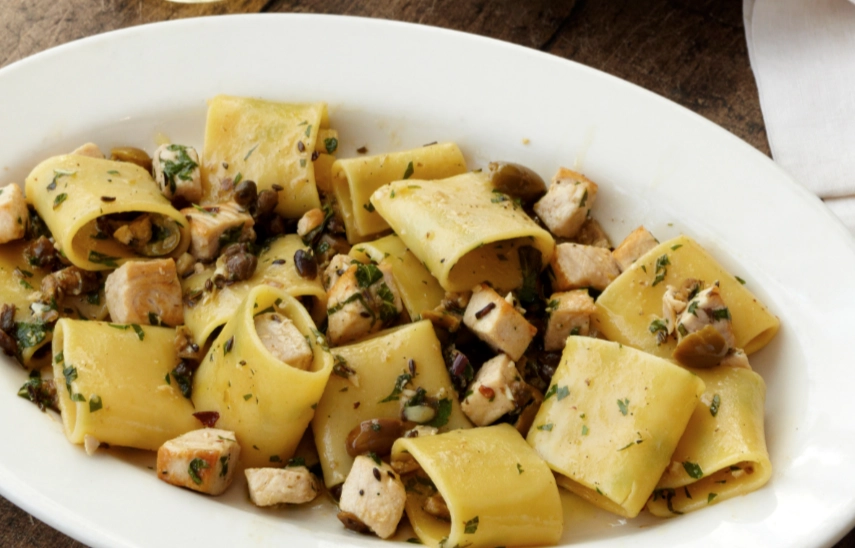
#6: Lasagna alla Bolognese
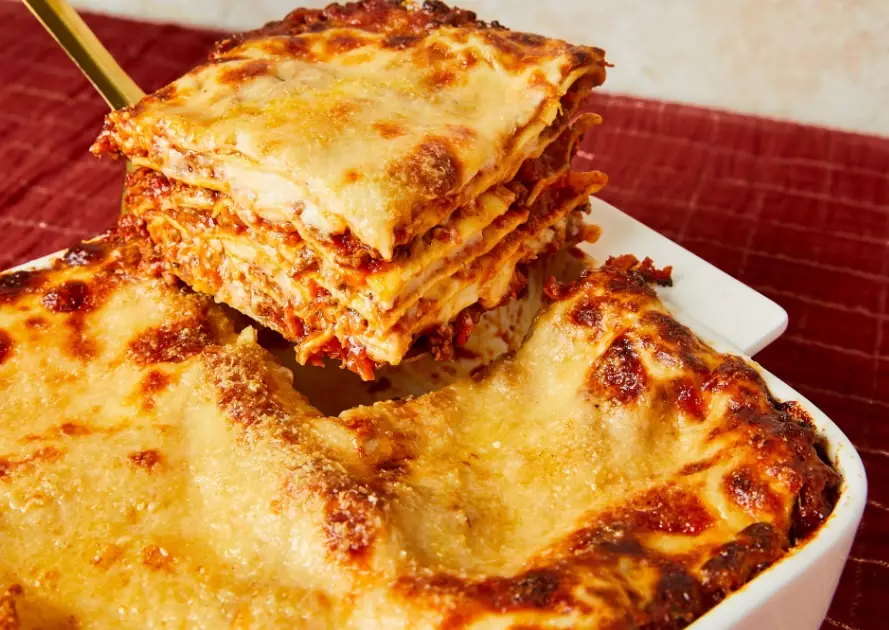
The ultimate comfort food. Layers of fresh egg pasta, ragù bolognese, creamy béchamel sauce, and Parmigiano-Reggiano, baked until bubbling and golden. The version with green spinach pasta (lasagne verdi) is a classic. It's a project, but a rewarding one.
#7: Penne all'Arrabbiata
"Arrabbiata" means angry, referring to the heat from dried chili flakes. Garlic, tomato, chili, and parsley. It's a quick, fiery, and incredibly flavorful sauce that clings to the ridges of penne. The perfect pantry raid dinner.
#8: Spaghetti alle Vongole
There are two versions: bianco (with olive oil, garlic, white wine) and rosso (with added tomato). I prefer the white—it lets the briny sweetness of the fresh clams shine. The key is using small, tender clams (like vongole veraci) and tons of parsley.
#9: Spaghetti Aglio, Olio e Peperoncino
Perhaps the simplest pasta of all. Garlic, olive oil, and chili flakes. It's a test of ingredient quality and timing. Burn the garlic, and it's ruined. Infuse the oil gently, toss with al dente pasta and a splash of starchy water, and you have a humble masterpiece.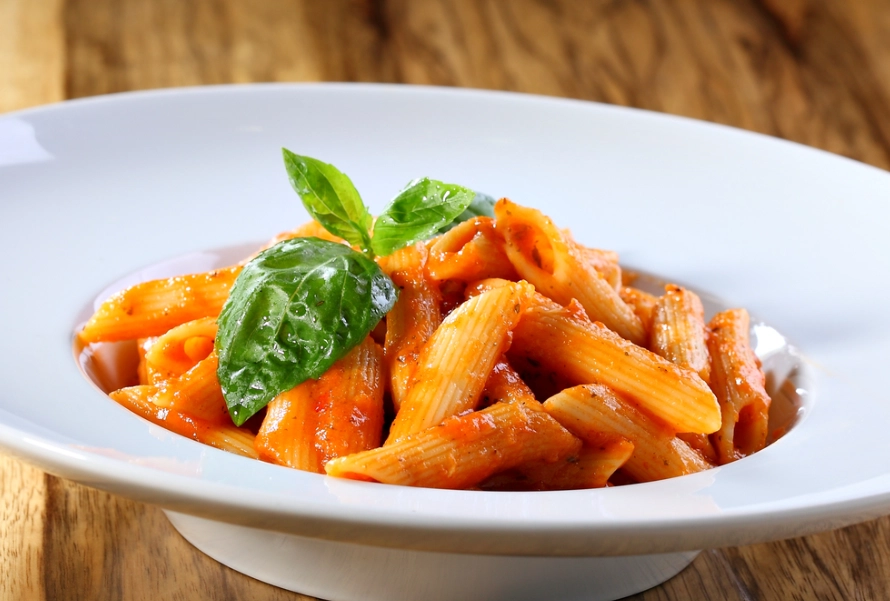
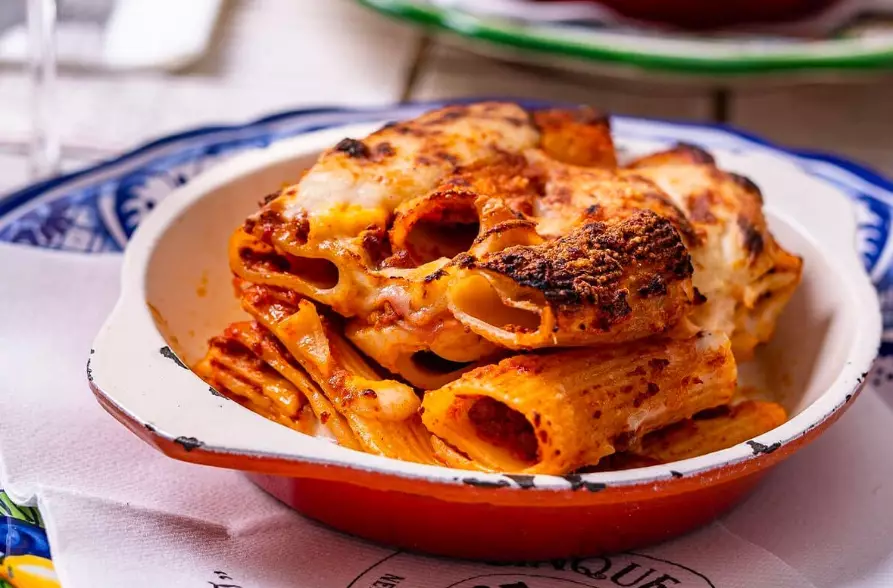
#10: Gnocchi alla Sorrentina
Pillowy potato dumplings (gnocchi) baked in a small dish with tomato sauce, mozzarella, and basil until the cheese melts and bubbles. It's the epitome of baked pasta comfort from the Amalfi Coast. The gnocchi must be light, not gummy.
Where to Find Heavenly Gnocchi in Sorrento:
L'Antica Trattoria: A family-run spot with a lovely garden. Their Gnocchi alla Sorrentina is baked in individual terra cotta dishes, with smoky notes from the wood-fired oven.
Address: Via Padre Reginaldo Giuliani, 33, 80067 Sorrento NA.
Price: Around €14-16. A great mid-range option.
Hours: Opens daily at 12 PM for lunch. Go for a late lunch to avoid the biggest dinner crowds.
How to Cook Pasta Like an Italian Nonna: Pro Tips
These aren't just suggestions; they're non-negotiables if you want restaurant-quality results at home.
Salt Your Water Like the Sea
Your pasta water should taste salty, like seawater. This is the only chance to season the pasta itself. A common guideline is 10 grams of coarse salt per liter of water. Don't be shy.
Reserve That Pasta Water
Before you drain, scoop out a cup of the starchy cooking water. It's liquid gold for finishing your sauce. The starch helps emulsify fats (like oil, cheese, butter) and helps the sauce cling to the pasta. Add it a splash at a time until your sauce reaches the perfect consistency.
Finish Cooking the Pasta in the Sauce
Never just drain and plop sauce on top. Cook your pasta 1-2 minutes less than the package says (this is al dente), then transfer it directly to the pan with your sauce. Add a good amount of pasta water and let it finish cooking together for the final minute or two. This is called mantecatura, and it's the secret to a unified dish where the pasta and sauce become one.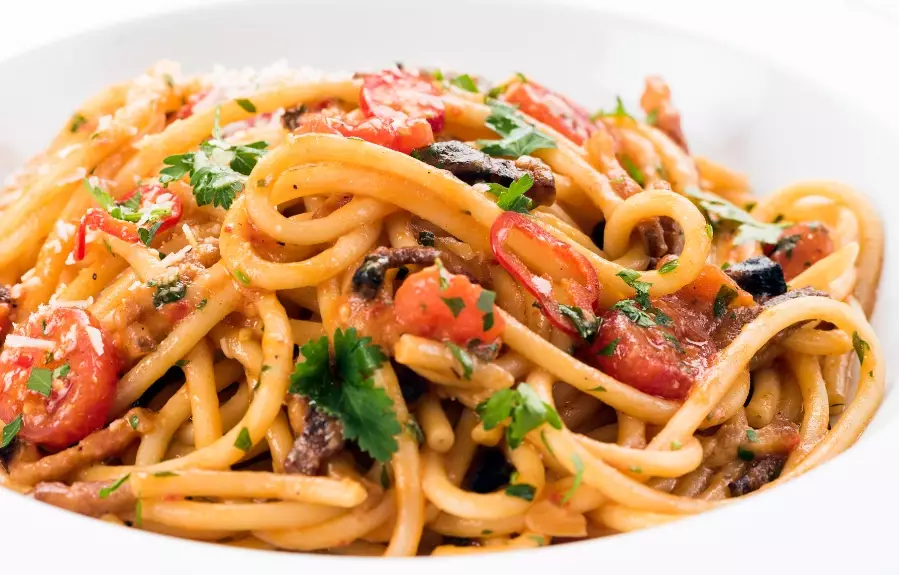
Your Pasta Questions, Answered
 I'm vegetarian. Which top dishes can I easily adapt?
Related Articles
Traditional Italian Recipes by Region: A Culinary Journey from North to South
Traditional Italian Pasta Sauces: A Complete Guide to the Classics
Authentic Italian Drunken Noodles Recipe (Pasta alla Ubriaca)
Master Classic Italian Dishes: Recipes & Secrets from Pasta to Tiramisu
Ground Italian Sausage Recipes: The Ultimate Guide for Easy & Flavorful Dinners