Ultimate Vegetarian Pasta Recipes: Flavorful & Easy
Let's be honest. The phrase "vegetarian pasta" used to make me think of a sad bowl of overcooked noodles with a few stray broccoli florets and jarred marinara. It felt like a compromise, not a meal. Then I spent a summer in a tiny apartment in Bologna, of all places, and my perspective flipped completely. I learned that vegetarian pasta isn't about removing meat; it's about celebrating everything else. It's about coaxing deep flavors from mushrooms, creating creaminess from nuts and vegetables, and building sauces so robust you won't miss a thing. This guide is about making vegetarian pasta the star of your table, any night of the week.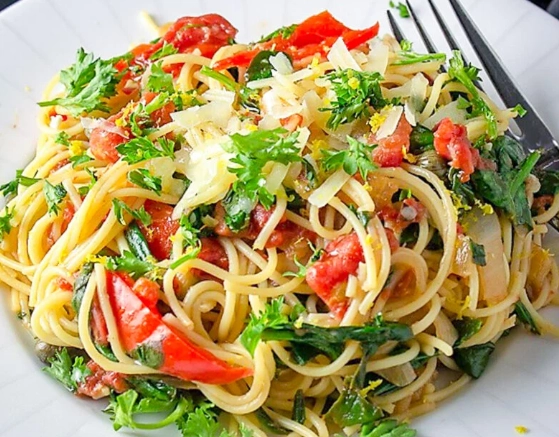
What You'll Find in This Guide
- Why Vegetarian Pasta Actually Works Better
- Your Vegetarian Pasta Pantry Essentials
- Three Foundational Vegetarian Pasta Recipes
- The 3 Most Common Vegetarian Pasta Mistakes (And How to Fix Them)
- How to Adapt Almost Any Pasta Recipe to Be Vegetarian
- Storing and Reheating Like a Pro
- Your Vegetarian Pasta Questions, Answered
Why Vegetarian Pasta Actually Works Better
Think about it. Most classic pasta dishes from Italy's *cucina povera* (poor kitchen) tradition were already vegetarian or easily could be. They relied on seasonal produce, pantry staples, and clever technique. Without a large piece of protein to center the plate, you're forced to think about balance in other ways: texture, acidity, umami, and freshness. A great vegetarian pasta dish often has more going on flavor-wise than a simple meat sauce. You get the sweetness of roasted peppers, the earthy punch of mushrooms, the bright acid of tomato, the richness of olive oil, and the salty bite of cheese or olives, all in one forkful.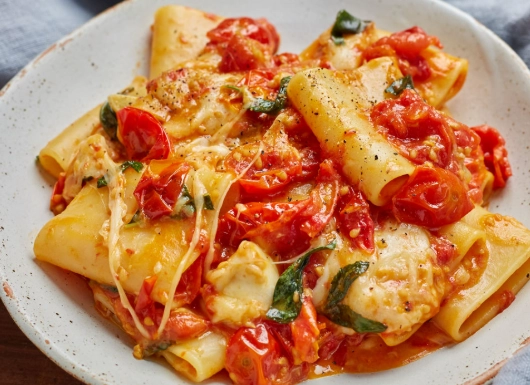
It's also faster. You're not waiting for meat to brown or braise for hours. Most of these recipes come together in the time it takes to boil water and cook the pasta.
Your Vegetarian Pasta Pantry Essentials
You don't need a specialty store. With these basics, you can improvise endlessly.
- Umami Bombs: Canned tomatoes (whole San Marzano are worth the splurge), tomato paste, dried mushrooms (porcini are magic), capers, olives, nutritional yeast, soy sauce or tamari (a tiny splash in a mushroom sauce is a chef's secret).
- Creaminess Without Dairy: Raw cashews (for blending), tahini, creamy white beans (like cannellini).
- Texture & Protein: Lentils (brown or Puy hold shape well), chickpeas, walnuts, pine nuts, sunflower seeds.
- The Flavor Foundation: Good extra-virgin olive oil, garlic, onions (red, yellow, shallots), dried oregano, chili flakes, fresh herbs (basil, parsley, thyme are non-negotiable).
- The Pasta Itself: Shape matters. Rigatoni and shells trap chunky sauces. Linguine and spaghetti love oily, silky sauces. Orecchiette are perfect for holding little peas or beans.
Three Foundational Vegetarian Pasta Recipes
Master these three, and you have a template for hundreds of variations.
1. The 20-Minute Tomato & Basil Classic (But Better)
This is your weeknight lifesaver, but done right. The trick is building layers in the pan.
What you need: 1 lb spaghetti, 1/4 cup olive oil, 4 garlic cloves (thinly sliced), 1/2 tsp chili flakes, 1 (28 oz) can whole tomatoes (hand-crushed), a large handful of fresh basil, salt, Parmigiano-Reggiano (optional).
The non-consensus move: Don't just dump the tomatoes in. After saut\u00e9ing the garlic and chili until fragrant (not brown!), add a tablespoon of tomato paste and cook for 60 seconds until it darkens slightly. This caramelization is what gives the sauce a deeper, almost sweet complexity that most jarred sauces lack. Then add your crushed tomatoes.
2. The Creamy Mushroom & Thyme Linguine
This is where you learn to treat vegetables like meat. We're going for deep, savory, meaty flavor.
Use a mix of mushrooms—cremini for bulk, shiitake for chew, a few reconstituted dried porcini for intense flavor. Slice them, don't chop them. You want slices that can sear properly. Get your pan screaming hot with oil, add the mushrooms in a single layer (don't crowd them!), and leave them alone. Let them get a proper brown crust before stirring. That's flavor. Deglaze with a splash of white wine or vegetable broth, add fresh thyme, a splash of cream or cashew cream, and toss with linguine. Finish with black pepper and parsley.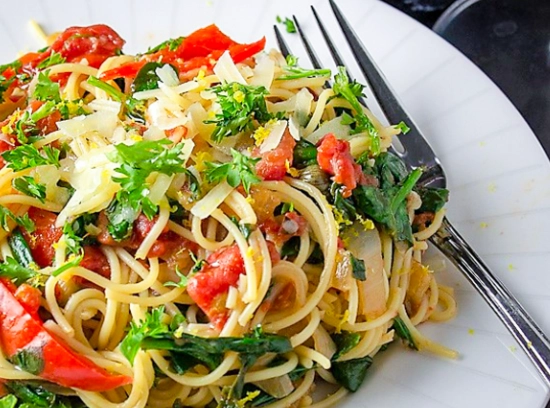
3. The No-Cook Sauce: Blistered Cherry Tomato & Arugula Pesto
For when it's too hot to cook. Halve a pint of cherry tomatoes, toss with oil, salt, and a pinch of sugar, and blister under the broiler for 5-7 minutes until bursting. In a food processor, pulse two big handfuls of arugula, a handful of walnuts, garlic, lemon zest, Parmesan (or nutritional yeast), and enough olive oil to make a coarse paste. Toss hot pasta with the pesto, fold in the blistered tomatoes and their juices. The heat of the pasta wilts the arugula pesto perfectly. It's vibrant, peppery, and ready in 15 minutes.
| Recipe | Key Flavor Source | Best Pasta Pairing | Skill Level |
|---|---|---|---|
| Tomato & Basil | Caramelized Tomato Paste, Fresh Herb | Spaghetti, Bucatini | Beginner |
| Creamy Mushroom | Maillard Reaction (Browning) on Mushrooms | Linguine, Fettuccine, Pappardelle | Intermediate |
| Blistered Tomato Pesto | Peppery Arugula, Sweet Roasted Tomatoes | Fusilli, Orecchiette, Penne | Easy |
The 3 Most Common Vegetarian Pasta Mistakes (And How to Fix Them)
I've made these so you don't have to.
Mistake 1: Boiling the pasta in unsalted water. This is a crime for any pasta, but it's death for vegetarian versions where the noodles carry more of the flavor. Your water should taste like the sea. Seriously. A good rule is 1-2 tablespoons of coarse salt per gallon of water.
Mistake 2: Treating vegetables as an afterthought. Don't just steam broccoli and toss it on top. Roast it with high heat to get caramelized edges. Saut\u00e9 zucchini until golden. Char peppers over a flame. This transformation is what creates satisfying, complex flavors.
Mistake 3: Sauce and pasta living separate lives. You finish the sauce in the pan, boil the pasta in a pot, and combine them at the end. Wrong. Always reserve a cup of that starchy pasta water. Drain your pasta when it's still a minute or two shy of al dente, then finish cooking it directly in the sauce with a splash of the pasta water. The starch emulsifies with the oil and ingredients, creating a silky, cohesive sauce that clings to every noodle. This is the single most important technique in pasta cooking.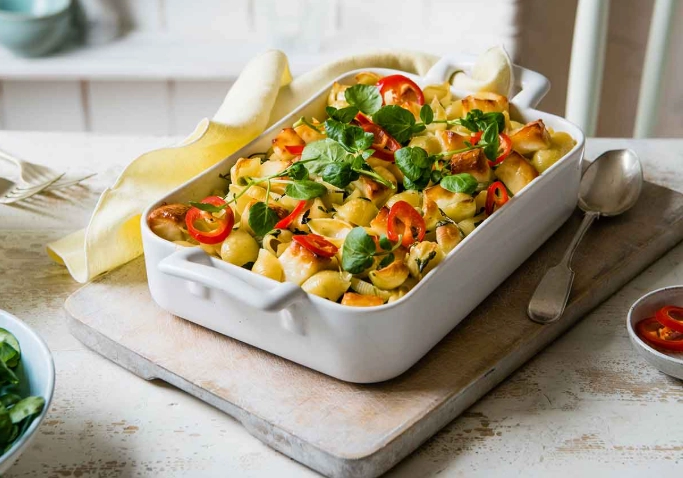
How to Adapt Almost Any Pasta Recipe to Be Vegetarian
See a recipe for sausage and broccoli rabe pasta? You can still make it.
- Replace meat with hearty vegetables: Use sliced king oyster mushrooms or cubed eggplant. Cook them with the same spices (fennel seeds for sausage, sage for pancetta).
- Use legumes for body: Swap ground meat in a Bolognese-style sauce with finely chopped mushrooms and brown lentils. The texture is remarkably similar and deeply satisfying.
- Boost the umami elsewhere: If you're removing anchovies or Parmesan (for a vegan dish), add a bit of miso paste, seaweed, or smoked paprika to fill that savory gap.
Storing and Reheating Like a Pro
Leftover pasta gets a bad rap. It doesn't have to be soggy.
Store the sauce and pasta separately if you can. For leftover sauced pasta, the best reheating method is in a skillet with a tiny bit of water or broth over medium-low heat. Gently stir until warmed through. The microwave will turn it into a rubbery, uneven mess.
Most tomato and vegetable-based sauces freeze beautifully for up to 3 months. Let them cool completely before transferring to airtight containers.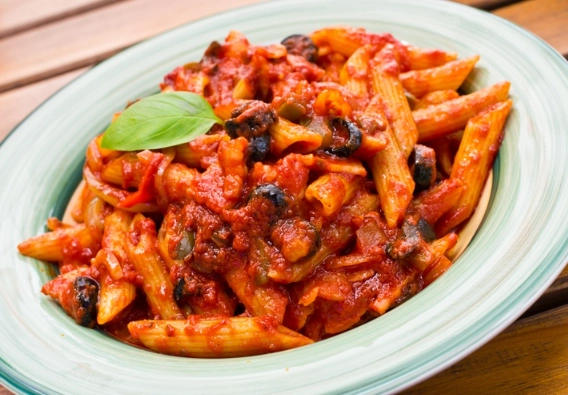
Your Vegetarian Pasta Questions, Answered
Related Articles
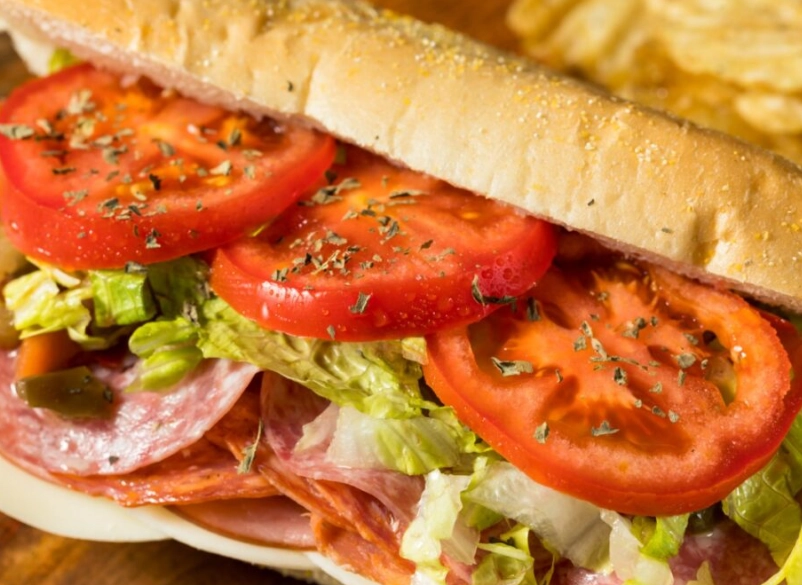
The Ultimate Authentic Italian Hoagie Recipe: Make the Classic Philly Sandwich at Home
What is a Good Appetizer Before Pasta Dinner? 15+ Expert Picks & Pairing Guide
Authentic Italian Eggplant Recipes: From Parmigiana to Caponata
Easy Italian Appetizers: Simple Recipes & Party Platters

Best Italian Dessert Recipes for Dinner Party to Impress Your Guests