Ultimate Guide to Making Homemade Pasta from Scratch
Let's be honest. The first time I tried to make pasta dough, it was a disaster. I used the wrong flour, added water like I was making bread, and ended up with a sticky mess that I angrily threw in the trash. It felt like a secret club I couldn't join. But after years of trial, error, and learning from Italian nonnas, I realized the secret isn't complexity—it's understanding a few simple, non-negotiable principles. Making homemade pasta is a tactile, rewarding process that connects you to the food in a way a box never can. This guide will walk you through it, step by step, avoiding the pitfalls that most recipes gloss over.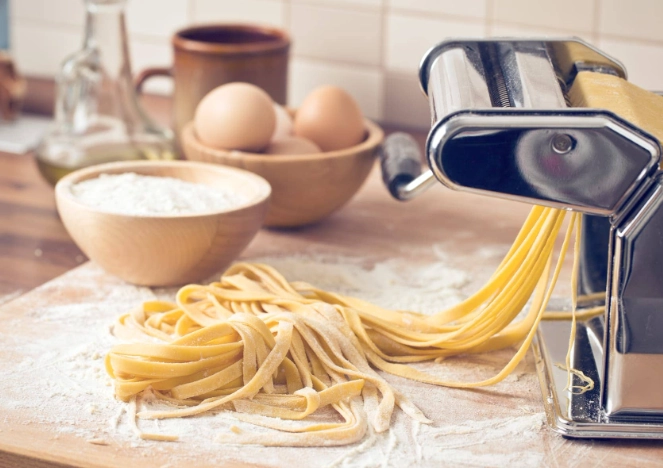
What You'll Learn in This Guide
The Foundation: Choosing Your Flour
This is where most beginners go wrong. All-purpose flour from your supermarket is a compromise. It works, but it won't give you that authentic texture—slight chew, delicate bite, and a surface that holds sauce perfectly.
For truly great homemade pasta, you need to think about protein content. Protein equals gluten, and gluten gives pasta its structure.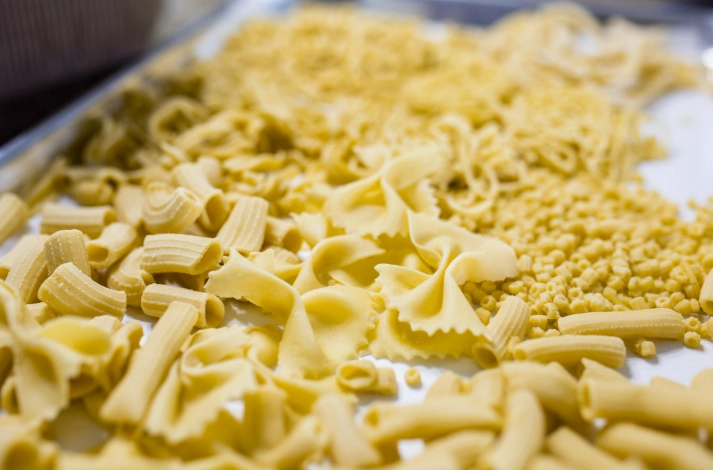
Your Flour Options, Decoded
| Flour Type | Best For | Protein Level | Texture Result |
|---|---|---|---|
| "00" Flour (Tipo 00) | Silky egg pasta, delicate shapes like tagliatelle | Medium (~11-12%) | Incredibly smooth, tender, and light |
| Semolina Rimacinata | Heartier shapes like orecchiette, cavatelli, extruded pasta | High (~13%) | Firm, chewy, golden-yellow color |
| All-Purpose Flour | A decent starting point, rustic pasta | Medium (~10-12%) | Softer, can be a bit fragile |
| 50/50 Blend (00 & Semolina) | My personal favorite for all-around use | Balanced | Perfect balance of silkiness and chew |
My go-to blend for 90% of my pasta making is 200g of "00" flour and 100g of fine semolina. The semolina adds a subtle graininess that helps the dough resist sticking and gives it a wonderful bite. You can find both online or in well-stocked grocery stores.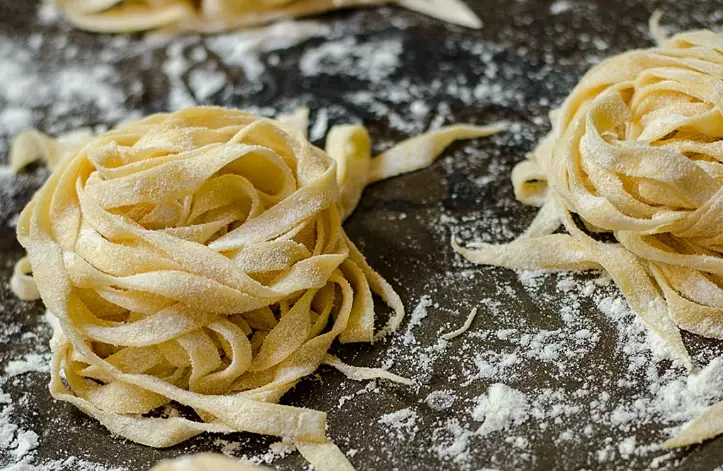
The Heart of the Matter: Making the Dough
Forget fancy equipment for now. A large wooden board or clean countertop is your best friend. The wood provides just the right amount of friction.
The Classic Egg Dough Ratio
This is the gold standard for rich, yellow pasta from Northern Italy. The ratio is simple: 1 large egg per 100g of flour. For two generous servings, I use:
- 200g "00" flour (or your chosen blend)
- 2 large eggs, at room temperature
- A pinch of fine sea salt
Make a well in your flour mound. Crack the eggs into the center. With a fork, gently beat the eggs, gradually pulling in flour from the inner walls of the well. This keeps the eggs contained. Once it becomes a shaggy mass, ditch the fork.
The Kneading Truth
Here's the non-consensus part: most recipes say "knead for 10 minutes." That's misleading. Knead until the dough transforms. It starts out ragged and sticky. After 2-3 minutes, it will feel more cohesive but still rough. Keep going. Around the 8-minute mark, you'll feel a change. The dough becomes smooth, satiny, and slightly elastic. It should feel like modeling clay or your earlobe. This is the windowpane test for pasta—if you gently stretch a piece, it should thin out without immediately tearing.
If your dough is cracking, it's too dry. Dip your fingers in water and knead it in. If it's sticking to everything, it's too wet. Dust with a tiny amount of flour. The goal is a dough that is supple but not tacky.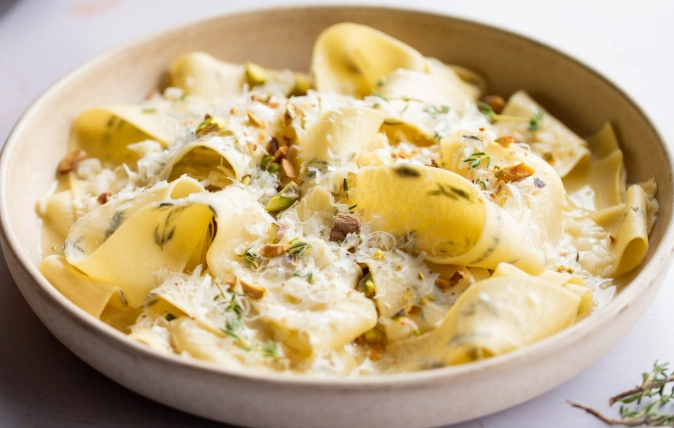
Rest, Roll, and Shape: The Transformative Steps
Wrap your dough ball tightly in plastic wrap. Let it rest at room temperature for at least 30 minutes, ideally 1 hour. This is non-negotiable. The gluten relaxes, making the dough infinitely easier to roll out. Skipping this step leads to a dough that fights you, springing back like a rubber band.
Rolling It Out: Machine vs. Hand
A hand-crank pasta machine is a worthwhile investment if you plan to make pasta regularly. It ensures even thickness. Start on the widest setting, fold the dough into thirds like a letter, and roll it through again. Do this 2-3 times to strengthen the sheet. Then, progressively move to thinner settings, rolling once per setting without folding, until you reach your desired thickness.
Thickness Guide:
- Sheet for filled pasta (ravioli, tortellini): Setting 6-7 on a Marcato Atlas (very thin).
- Tagliatelle, fettuccine: Setting 5-6.
- Pappardelle: Setting 4-5 (slightly thicker).
If rolling by hand, divide the dough into four manageable pieces. Keep the others covered. Use a long, heavy rolling pin, rolling from the center outwards, turning the sheet frequently. Aim for a large, thin rectangle. It's a workout, but deeply satisfying.
Cutting by Hand vs. Machine
For cutting, lightly dust your sheet with semolina (it absorbs moisture better than flour). Loosely roll the sheet into a loose log and use a sharp knife to cut ribbons to your desired width. Unfurl them immediately and toss with more semolina. The machine cutter attachments are fantastic for consistent strands, but hand-cut has a rustic, artisanal feel I often prefer.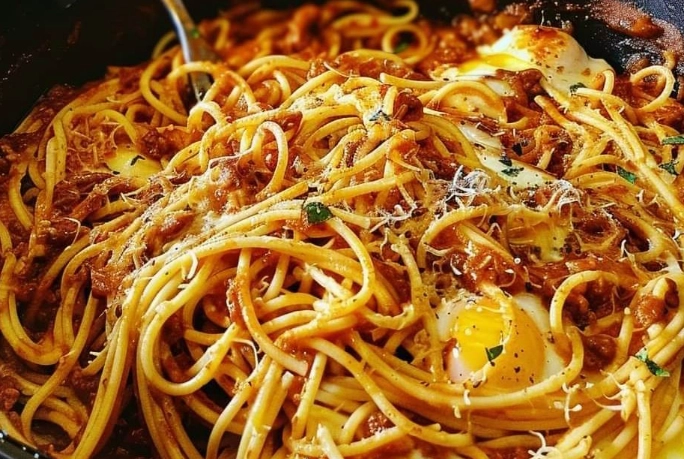
How to Cook and Serve Fresh Pasta
Fresh pasta cooks in 1 to 3 minutes. Use a large pot of rapidly boiling water, salted until it tastes like mild seawater (this is crucial for flavor).
Drop the pasta in. It will float to the top quickly—that doesn't mean it's done. Taste a strand after 60 seconds. It should be al dente—tender but with a firm core. Drain it, but reserve a cup of the starchy pasta water.
This is the pro move: don't just pour sauce over the pasta. Finish cooking the pasta in the sauce for the last 30 seconds, adding a splash of pasta water. The starch emulsifies with the sauce, creating a creamy, clingy coating that marries the two perfectly.
A Simple Eggless Pasta Variation
Eggs are traditional, but not mandatory. Southern Italian regions often use just flour and water for shapes like orecchiette. This dough is sturdier and perfect for heartier, vegetable-based sauces.
Basic Eggless Pasta Dough:
- 300g semolina flour (or 50/50 semolina and "00")
- ~150ml lukewarm water
- 1 tsp salt
Mix the salt into the flour. Add water gradually until a rough dough forms. Knead vigorously for 10 minutes until incredibly smooth and elastic. Rest, covered, for 1 hour. This dough is firmer and great for hand-shaped pasta.
Your Homemade Pasta Questions, Answered
Related Articles
Authentic Italian Cookies Recipes: Classic Biscotti, Amaretti & More
Italian Pizza Dough Ingredients: The Ultimate Guide for Perfect Crust
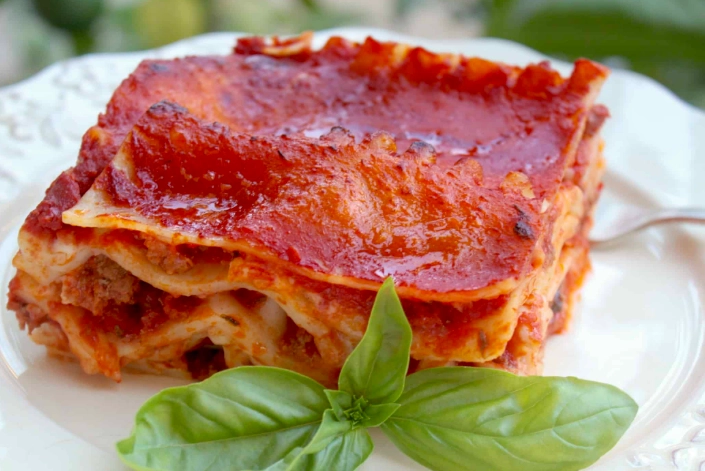
Traditional Italian Recipes from Scratch: The Heart of Home Cooking

Two 1 billion US dollars of large model financing, Internet giants are starting

The State Administration of Financial Supervision: Commercial banks have release