Simple Pasta Recipes for Busy Weeknights: 3 Classics Made Easy
Let's be honest. After a long day, the last thing you want is a recipe with twenty ingredients and three hours of prep. You want something you can make with your eyes half-closed, using things already in your pantry. You want simple pasta.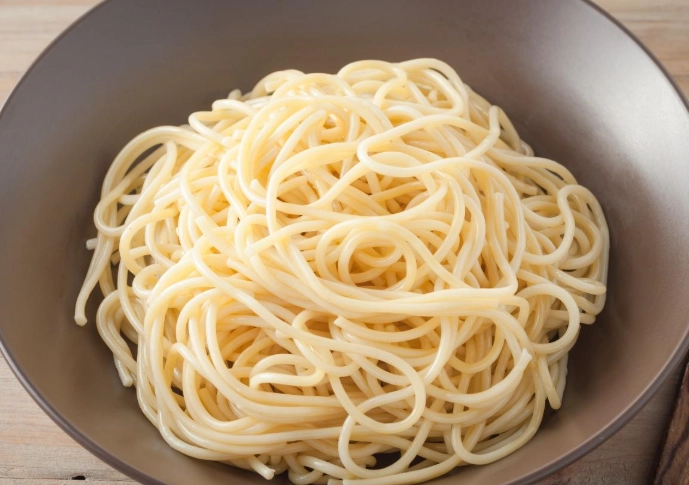
But "simple" often gets a bad rap. It becomes synonymous with boring, bland, or just plain lazy. I'm here to tell you that's a myth. Some of the greatest dishes in the Italian canon are exercises in minimalist perfection. They're not about hiding behind a complex sauce; they're about highlighting a few brilliant ingredients and treating them right.
I've been cooking pasta—a lot of pasta—for over a decade, both in my home kitchen and during stints in small trattorias in Italy. The biggest lesson? The gap between a good simple pasta and a great one is often just one tiny, overlooked step. A mistake you didn't even know you were making.
What You'll Find in This Guide
How to Make Perfect Spaghetti Aglio e Olio (Garlic and Oil Pasta)
This is the ultimate pantry raid dish. Five ingredients. Fifteen minutes. Infinite satisfaction. But its simplicity is a trap. Get one element wrong, and you have a plate of oily noodles with burnt, bitter garlic.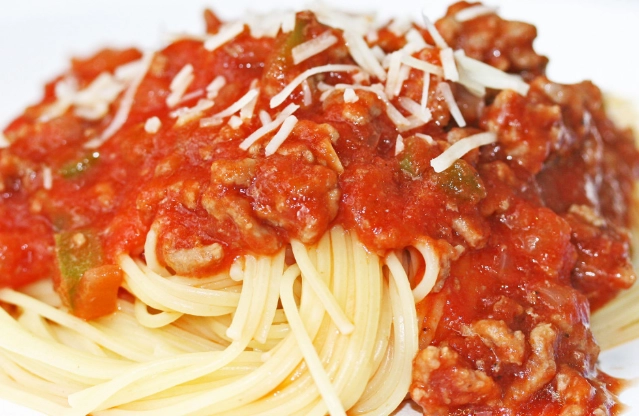
The Aglio e Olio Blueprint
The Core: Spaghetti, extra virgin olive oil, garlic, red pepper flakes, parsley.
Time: 15 minutes.
Skill Level: Easy, but requires attention.
Start your pasta in a large pot of heavily salted boiling water. This is non-negotiable. The water should taste like the sea. It's the only chance you get to season the pasta from the inside.
While the pasta cooks, slice 4-5 cloves of garlic. Not mince. Slice. Thin slices will infuse the oil better and give you pleasant little crispy bits without the risk of burning that comes with tiny minced pieces.
Here's the crucial part most recipes gloss over: start cold. Put your sliced garlic and a generous 1/2 cup of good olive oil in a large, cold skillet. Then turn the heat to medium-low. Let them come up to temperature together. You're gently confiting the garlic, not frying it. It should sizzle softly and turn a pale, golden color over 3-4 minutes. If it starts browning aggressively, you've gone too far.
Add a big pinch of red pepper flakes and let them sizzle for 30 seconds. By now, your pasta should be al dente. Reserve at least a cup of that starchy cooking water. Drain the pasta and add it directly to the skillet with the oil and garlic.
Toss, toss, toss. Add splashes of the reserved pasta water. This isn't just to loosen things up. The starch in the water emulsifies with the oil, creating a silky, clingy sauce that coats every strand. Finish with a handful of chopped fresh parsley and a final drizzle of raw olive oil for freshness.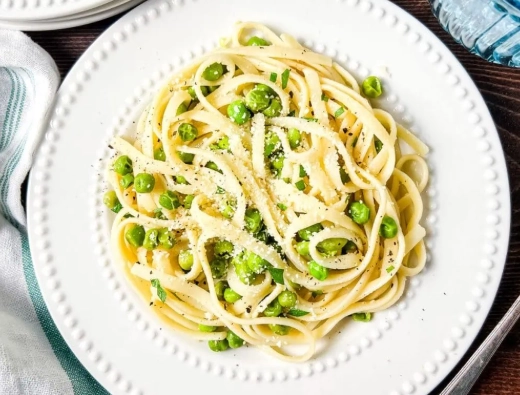
Cracking the Code of Cacio e Pepe (Cheese and Pepper Pasta)
Cacio e Pepe is the poster child for "simple but impossible." It's just pasta, Pecorino Romano cheese, black pepper, and pasta water. Yet it defeats so many home cooks, resulting in a clumpy, greasy mess instead of a smooth, creamy sauce. I've been there.
The secret isn't a secret ingredient. It's technique and temperature.
The Non-Consensus Tip: Forget about using a bowl off the heat. The residual heat in your pasta pot is your best friend. Turn off the heat under your empty pasta pot (the one you just drained the pasta from, but ideally you'd cook the pasta in a skillet with just enough water). The warm pot helps keep the cheese from seizing when you add it.
First, toast your pepper. Coarsely grind a tablespoon of black peppercorns. Add them to a dry skillet over medium heat for about a minute until fragrant. This unlocks their oils and transforms the flavor from sharp to deep and aromatic.
Cook your spaghetti (tonnarelli or bucatini are more traditional, but spaghetti works). Reserve a generous amount of cooking water. In your warm, empty pot, add a ladleful of the starchy water and the toasted pepper. Let it simmer for a minute.
Now, the cheese. You must use freshly, finely grated Pecorino Romano. The pre-grated stuff has anti-caking agents that prevent proper melting. Take your grated cheese and make a slurry. Mix it with a few tablespoons of cool pasta water in a separate bowl until it forms a thick paste. This is the pro trick that prevents clumping.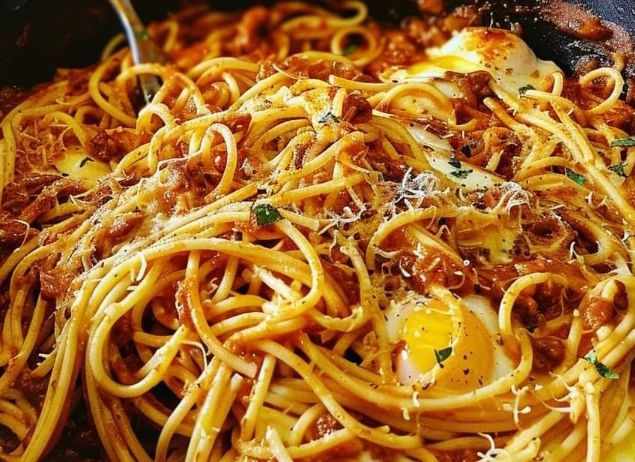
Add the al dente pasta to the pot with the pepper water. Toss to coat. Remove the pot from any residual heat (you can even set it on a trivet). Now, add the cheese paste a little at a time, tossing vigorously and adding more warm pasta water as needed. The goal is a glossy, creamy sauce that coats the pasta, not a pool of water at the bottom of the bowl. It takes some muscle and patience.
Spaghetti al Pomodoro: The Simple Tomato Sauce You'll Make Forever
A simple tomato sauce seems like the easiest thing in the world. Open a can, heat it up, done. But a great simple tomato sauce is something else entirely. It's sweet, bright, and deeply savory, clinging to the pasta in a way that feels luxurious.
The Pomodoro Pantry List
- Tomatoes: One 28-oz can of whole San Marzano tomatoes, certified DOP if possible. The quality of your tomato is 80% of the battle.
- Aromatics: A chunk of onion, a carrot, a celery stalk (the *soffritto*), or simply a fat clove of garlic.
- Fat: Good olive oil, and a surprise knob of butter at the end.
- Herb: A few fresh basil leaves.
Start with your aromatics. If using the classic soffritto, finely chop a small onion, carrot, and celery stalk. Cook them gently in 1/4 cup of olive oil until soft and sweet, about 10 minutes. If you're going ultra-minimal with just garlic, slice it and gently cook it like you would for aglio e olio.
Add your canned tomatoes. Here's my method: I pour the tomatoes into a bowl and crush them thoroughly with my hands. I know, it's messy. But it gives you a rustic, varied texture that a food processor or blender can't match. Add them to the pot with the aromatics.
Add a big pinch of salt and a few basil leaves. Let it simmer, uncovered, for at least 30 minutes. Stir occasionally. It will thicken and the flavors will concentrate. Taste it halfway through. Does it taste a bit sharp or acidic? Add a tiny pinch of sugar. Not to make it sweet, but to balance the acidity.
Cook your pasta. Before draining, reserve a cup of the cooking water. Toss the drained pasta directly into the sauce pot with a splash of that starchy water. Cook them together for a final minute, letting the pasta finish absorbing the sauce.
The final, magic touch? Take the pot off the heat and stir in a tablespoon of cold, unsalted butter. It melts into the sauce, adding a roundness and a silky sheen that elevates it from "homemade" to "trattoria-quality."
The 3 Most Common Mistakes (And How to Fix Them)
After watching countless people (including myself) stumble, these are the errors I see every time.
1. Undersalting the Pasta Water
This is the cardinal sin. Your pasta water needs to be salty. Really salty. A good rule is 1-2 tablespoons of coarse salt for every 4-6 quarts of water. If you're afraid of salt, you're condemning your pasta to blandness. The pasta absorbs this seasoned water as it cooks, seasoning it from within. No amount of salty sauce on the outside can fully compensate.
2. Overcooking the Garlic
Burnt garlic is bitter and ruins everything. The key is low, gentle heat. Start with cold oil and garlic. Use sliced, not minced, for more control. Aim for a light golden blonde, not a deep brown. If it starts going too fast, pull the pan off the heat immediately.
3. Neglecting the Pasta Water
That cloudy water you drain off? It's liquid gold. It's full of starch released from the pasta. When added to your sauce—whether it's oil, cheese, or tomatoes—it acts as an emulsifier, binding the fat and water together into a creamy, cohesive sauce that clings to the pasta. Always reserve a cup before you drain.
Your Simple Pasta Questions, Answered
Simple pasta isn't about cutting corners. It's about precision with a few elements. It's about understanding how starch, water, fat, and heat interact. Master these three recipes—Aglio e Olio, Cacio e Pepe, and Pomodoro—and you have a foundation that can get you through hundreds of dinners. You'll stop seeing them as just recipes and start seeing them as principles. And that's when cooking becomes truly simple, and truly satisfying.
Now, go put a pot of water on to boil. Salt it like you mean it.
Related Articles

Authentic Italian Cheesecake Recipe: Creamy Ricotta Dessert Guide
Ultimate Guide to Classic Italian Dessert Recipes from Tiramisu to Cannoli

The Most Popular Cocktail in Italy: A Deep Dive into the Aperol Spritz

Three years and five visits to the Hong Kong Stock Exchange, can Wumart realize
The Ultimate Best Italian Seasoning Recipe (Authentic & Easy)