A Typical Italian Dinner at Home: The Real Menu & Traditions
You think you know. A big bowl of spaghetti with meatballs, a bottle of Chianti, maybe some tiramisu. If that's your image of a typical Italian dinner at home, I've got news for you. That's the tourist version. The real thing is subtler, more structured, and honestly, way more interesting. It's less about heaping portions of one thing and more about the rhythm of the meal itself.
Having spent years in Italy, from Milan to Sicily, and shared countless tables with friends and their families, I've seen the pattern. The magic isn't just in the food—it's in the pace, the conversation, and the unspoken rules. Let's clear up the myths.
What's Inside This Guide
The Real Structure of an Italian Dinner
Forget courses just being starter and main. An Italian dinner at home has a specific, almost musical flow. It can be condensed on a busy Tuesday, but on a Sunday or for guests, it unfolds.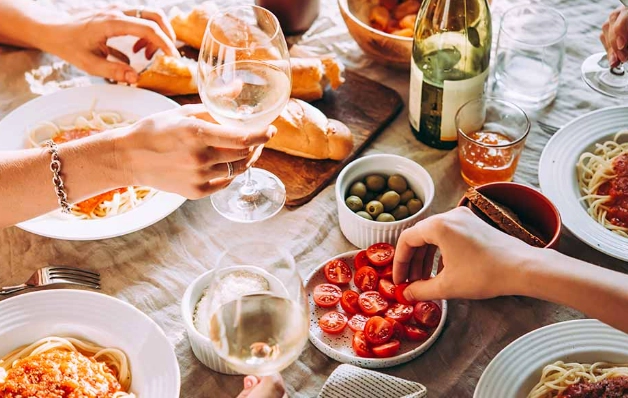
Aperitivo. This is the warm-up. It's not a full drink. Maybe a Spritz, a glass of prosecco, or a bitter like Aperol. There are always a few nibbles—some olives, a handful of taralli (those little crunchy bread rings), or some chips. The goal is to stimulate the appetite and transition from the day. You stand around the kitchen, talking.
Antipasto. The actual first food course. It means "before the meal." This is where regionality shines. In the north, it might be thin slices of cured meats (salumi) like prosciutto crudo or bresaola, with some pickled vegetables. In the south, you could get marinated seafood or grilled vegetables (verdure gratinate). It's light, varied, and shared.
Primo. Here's where the pasta, risotto, or soup lands. This is the carbohydrate course. A crucial point: the primo is not the main event. Portions are reasonable—think a normal bowl of pasta, not a giant platter. The sauce is the star, and it's usually simple. Pasta al pomodoro (with tomato sauce), a risotto with seasonal veggies, or a hearty minestrone.
Secondo. Now the protein. Meat or fish. A piece of chicken cooked in white wine (pollo alla cacciatora), a baked fish with herbs, a couple of lamb chops, or a simple breaded veal cutlet (cotoletta). It's often prepared quite plainly to highlight the quality of the ingredient.
Contorno.A side dish of vegetables, served separately. A simple salad dressed with olive oil, vinegar, and salt. Sautéed spinach with garlic. Roasted potatoes. It accompanies the secondo.Dolce & CaffèDessert and coffee. Fruit is a common, healthy choice. A yogurt. Or a special treat like a slice of cake or gelato. Then, espresso. Always espresso after a meal, never cappuccino (that's for breakfast). The coffee signals the end of the eating.DigestivoThe nightcap. A small glass of something strong to aid digestion—limoncello, grappa, amaro. This is optional and more for leisurely evenings.
Now, a normal Wednesday dinner might just be a primo and a contorno, or a secondo with a big salad. But the full structure is the ideal, the template everyone knows. It's about variety and not overloading on one type of food.
What's Actually on the Table: Dish by Dish
So what are Italians actually cooking? It changes with the season, the day of the week, and the region. Here’s a breakdown of typical choices you'd encounter in a home, not a restaurant.
Weeknight Classics (The Quick Fixes)
These are the workhorses. Dishes that come together in 30 minutes.
- Pasta al Sugo: The ultimate comfort food. A simple tomato sauce simmered for maybe 20-30 minutes with a soffritto of onion, carrot, and celery. Grated Parmigiano Reggiano on top. Dead simple, always satisfying.
- Frittata: The Italian omelet. Leftover pasta? Throw it in. Zucchini? In. It's the clean-out-the-fridge hero. Eaten at room temperature with bread.
- Scaloppine al Limone: Thin slices of meat (usually veal or chicken) quickly sautéed and finished with lemon juice and white wine. Done in 10 minutes. Pair with a green salad.
- Minestra: A general term for soups. Lentil soup, pasta e ceci (pasta and chickpeas), stracciatella (egg drop soup). One pot, nourishing, perfect for colder nights.
Sunday or Guest Dinners (The Showpieces)
When there's more time, the menu expands. This is where nonna's recipes come out.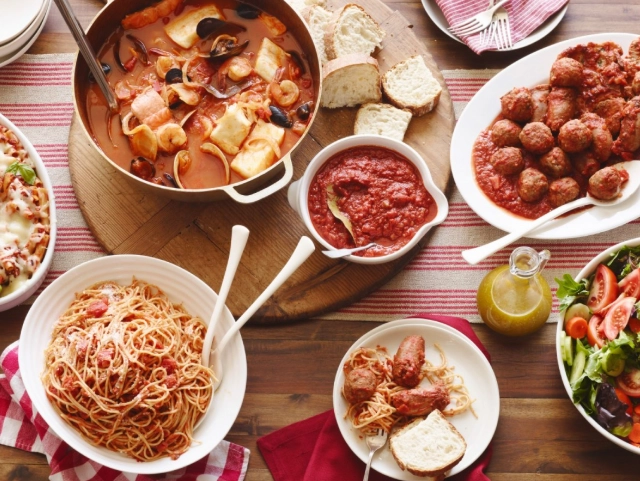
| Course | Northern Italy Example | Central/Southern Italy Example |
|---|---|---|
| Antipasto | Bresaola with rocket & parmesan shavings | Bruschetta with fresh tomatoes & basil |
| Primo | Risotto alla Milanese (with saffron) | Pasta all'Amatriciana (tomato, guanciale, pecorino) |
| Secondo | Ossobuco (braised veal shanks) | Pollo alla Cacciatora (chicken hunter-style) |
| Contorno | Buttered spinach | Peppers sautéed with olives & capers |
| Dolce | Tiramisù | Cassata Siciliana or fresh fruit salad |
One thing you'll notice: the primo and secondo are distinct. You won't find a massive plate of spaghetti with giant meatballs on top. The meatball (polpetta) exists, but it's usually smaller, served as a secondo or even a contorno, separate from the pasta.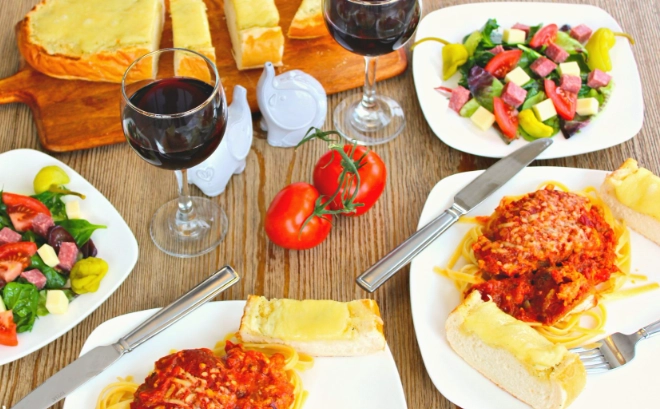
How to Cook a Simple Italian Dinner at Home
Want to try it? Don't try to replicate the full seven-course experience. Start with a manageable, authentic two-course meal. Here’s a blueprint for a Friday night that feels Italian.
The Menu: Pasta Cacio e Pepe (Primo) followed by a simple Insalata Mista (Mixed Salad) with some sliced prosciutto on the side (acting as a light secondo/antipasto hybrid).
Let's focus on the pasta. Cacio e Pepe is a Roman classic with three ingredients: cheese, pepper, pasta. Its simplicity is terrifying—it's easy to get wrong. The common failure? A clumpy, greasy mess. The secret is emulsification.
Recipe: Foolproof Cacio e Pepe (for 2)
Ingredients: 200g spaghetti (or tonnarelli), 100g finely grated Pecorino Romano cheese, 1 heaping tbsp freshly cracked black pepper, pasta cooking water.
The Key Move: Don't just toss cheese into hot pasta. You'll make glue. Instead, create a creamy sauce with starchy water first.
- Cook the pasta in well-salted water. A minute before it's al dente, scoop out a mug of the starchy cooking water.
- In a large pan (not over heat), add the cracked pepper and a few spoonfuls of the pasta water. Swirl it. The pepper will "toast" in the water.
- Using tongs, transfer the almost-cooked pasta directly into this pan. Add a bit more pasta water. Toss and swirl vigorously. The starch in the water will create a creamy, opaque base.
- Remove the pan from any heat source. Let it cool for 30 seconds. Now, add the grated Pecorino in batches, tossing constantly and adding splashes of pasta water to keep it loose. The residual heat will melt the cheese into a smooth, velvety sauce, not a lumpy one.
- Serve immediately with extra pepper. No oil, no butter.
This technique—emulsifying with pasta water—is the cornerstone of countless Italian pasta sauces. Master this, and carbonara or amatriciana become much less daunting.
Serve this with a big green salad dressed with olive oil, lemon juice, salt. Add a plate of sliced prosciutto if you want. Bread on the side for scarpetta (mopping up the sauce). That's a legitimate, soul-satisfying Italian dinner.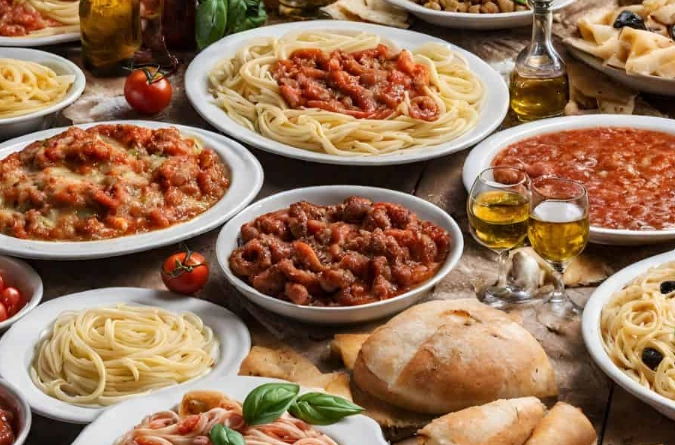
Common Mistakes & How to Avoid Them
After watching countless friends from abroad navigate Italian tables, I've seen patterns. Here are the subtle errors that mark you as an outsider, and how to fix them.
Mistake 1: Treating pasta as a main course. We covered this. It throws off the whole digestive rhythm of the meal. If you're having a pasta dish for dinner, keep the portion moderate and consider a light vegetable side after.
Mistake 2: Serving everything at once. The Italian meal is a procession. The salad comes with or after the meat, not before. The bread is on the table for mopping sauces (scarpetta), not necessarily eaten as an appetizer with butter (butter is rarely served with bread at dinner).
Mistake 3: Over-saucing pasta. The sauce should coat the pasta, not drown it. The pasta should be the star, the sauce its seasoning. A good measure: when you finish the pasta, there should be just a trace of sauce left in the bowl—perfect for that last piece of bread.
Mistake 4: Ignoring seasonality. This is huge. You won't find a tomato sauce made with tasteless winter tomatoes. In January, the primo might be a squash risotto or a lentil soup. Cooking with what's fresh and local isn't a trend; it's the only way they've ever done it. Check a local farmer's market for inspiration.
The biggest takeaway? Relax. The Italian dinner at home is about connection. The food is the conduit for conversation, debate, and laughter that stretches long into the evening. It's okay if your cacio e pepe isn't perfect the first time. The act of trying, of sharing it, is already more Italian than any flawless but impersonal restaurant meal.
Your Italian Dinner Questions Answered
Related Articles
Ground Italian Sausage Recipes: The Ultimate Guide for Easy & Flavorful Dinners
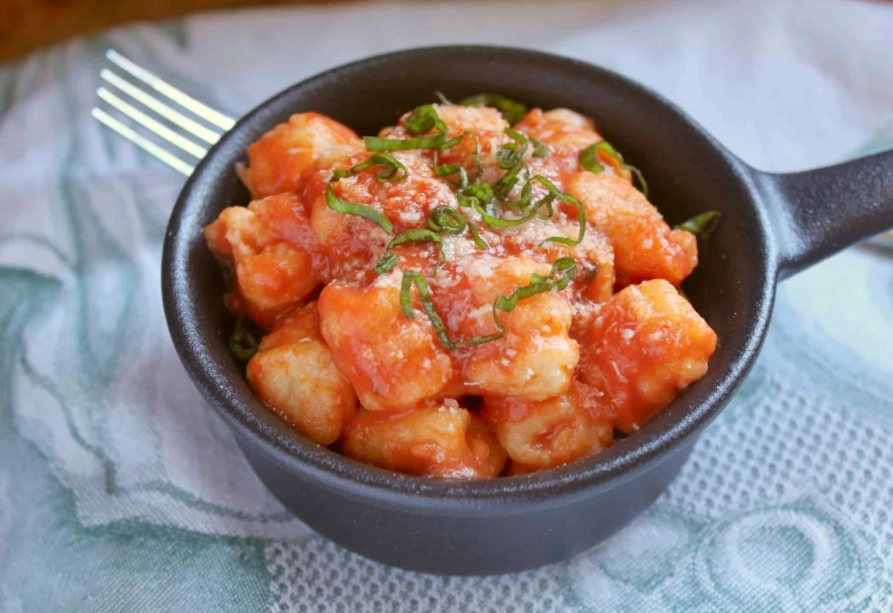
Perfect Homemade Italian Gnocchi Recipe: Light & Fluffy
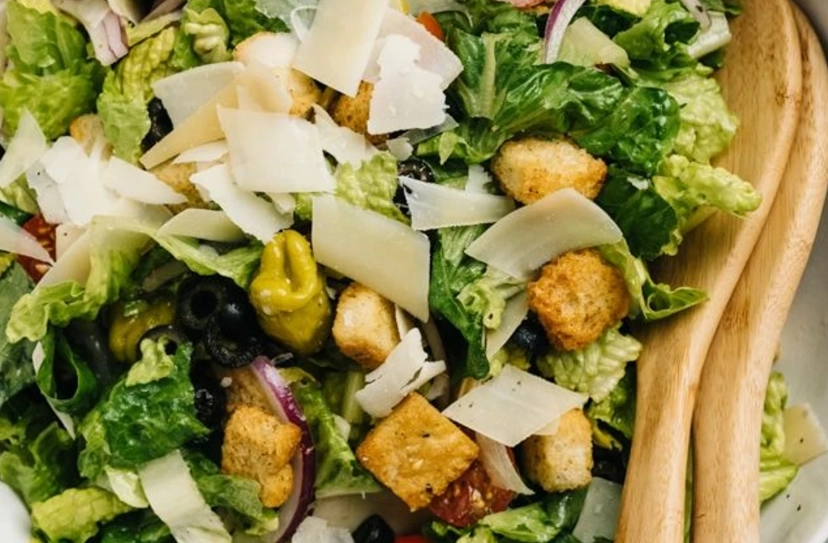
Real Italian Salad Recipes: Authentic Classics & Modern Twists

Tesla VS BYD: A new wave of insurance for electric car giants
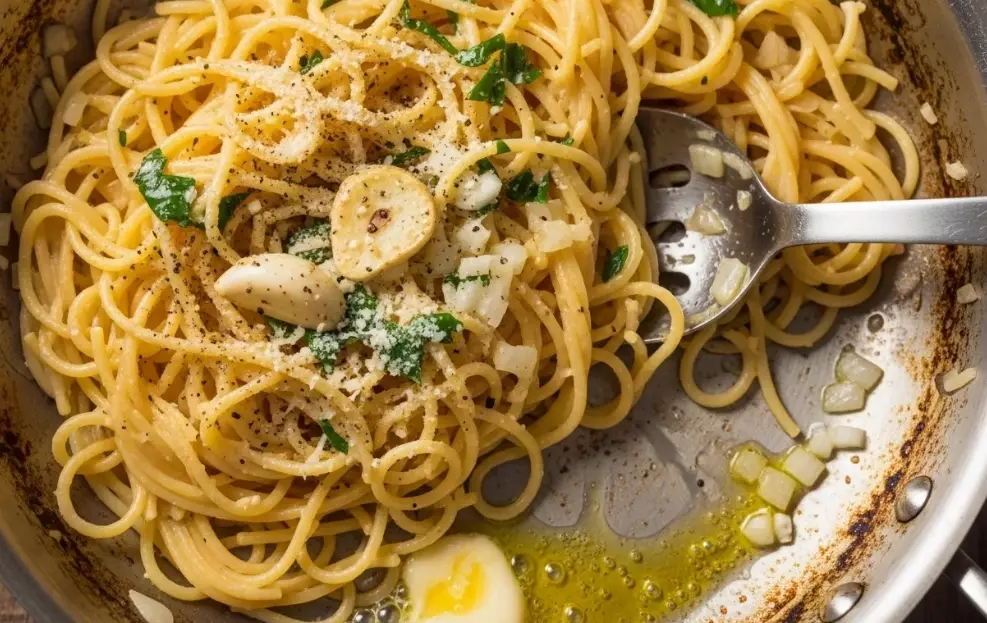
Ultimate Guide to Spaghetti Pasta Recipes: Easy, Authentic & Creative