What Is the Most Popular Italian Dish? Top Contenders Revealed
Let's cut to the chase. If you're looking for a single answer, pizza often gets the nod as the most popular Italian dish globally. But that's just the tip of the iceberg. The real story involves pasta, regional gems, and a lot of delicious debate. I've spent years exploring Italian kitchens from Naples to Milan, and here's what I've learned—popularity isn't just about taste; it's about history, adaptability, and sometimes, pure marketing genius.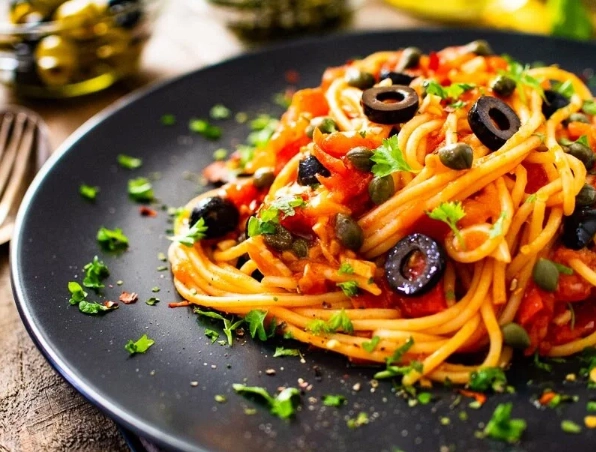
Your Quick Bite to Italian Food Fame
How We Measure Popularity in Italian Cuisine
Popularity can be tricky. Do we count sales? Social media mentions? Or how often a dish appears on menus outside Italy? I lean on data from sources like the Italian National Tourism Board and food industry reports. For instance, a study by Eataly highlights that pizza accounts for over 30% of Italian food exports. But in Italy, pasta is eaten almost daily—statistics show the average Italian consumes about 23 kg of pasta per year. So, context matters. Global popularity often favors dishes that travel well and adapt to local tastes.
Think about it. Pizza has Domino's and Pizza Hut pushing it worldwide. Pasta? Every supermarket sells dried spaghetti. But dishes like risotto or osso buco require specific ingredients and techniques, limiting their spread. That's why when we talk "most popular," we're often talking about accessibility and familiarity.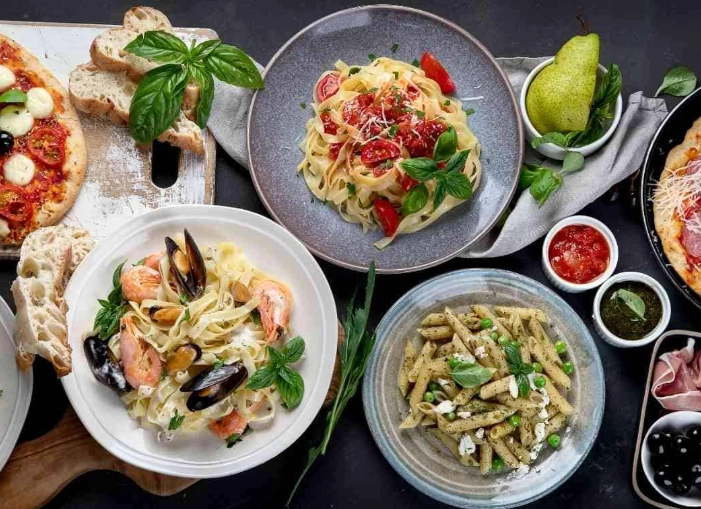
The Top Contenders: A Side-by-Side Look
Here's a quick comparison to set the stage. I've included key factors like global reach, ease of preparation, and cultural impact.
| Dish | Global Reach | Key Ingredients | Why It's Popular |
|---|---|---|---|
| Pizza | Extreme (over 5 billion sold yearly) | Dough, tomato sauce, cheese | Customizable, fast-food friendly |
| Pasta | Very High (staple in many cuisines) | Flour, eggs, various sauces | Versatile, easy to cook at home |
| Risotto | Moderate (common in upscale restaurants) | Arborio rice, broth, Parmesan | Creamy texture, comfort food appeal |
| Lasagna | High (family favorite globally) | Pasta sheets, meat sauce, béchamel | Hearty, feeds a crowd |
This table just scratches the surface. Let's dive deeper into each.
Pizza: The Global Phenomenon
Pizza's journey from Naples to the world is a story of simplicity meeting genius. The Associazione Verace Pizza Napoletana protects the traditional Neapolitan pizza, but let's be real—most people eat the Americanized version. I remember visiting L'Antica Pizzeria da Michele in Naples (Via Cesare Sersale, 1, 80139 Napoli NA, Italy). It's iconic, with lines stretching for hours. Open 12pm to 11pm, prices around €5-10 per pizza, and a 4.7-star rating on Google. They only serve two types: Marinara and Margherita. That's authenticity.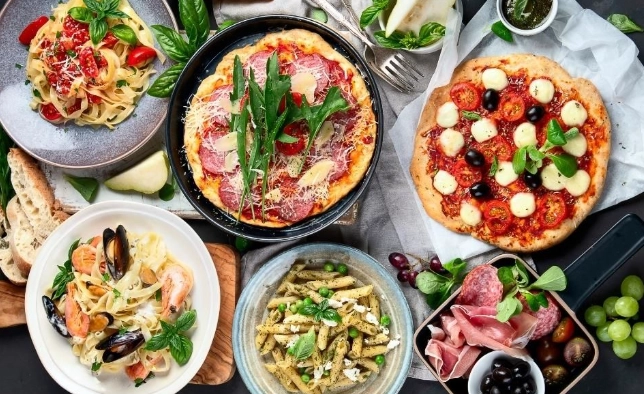
But here's a non-consensus view: many pizzerias outside Italy use too much cheese and low-quality dough. The best pizza has a chewy crust, fresh tomatoes, and minimal toppings. If you're in New York, try Joe's Pizza on Carmine Street—it's closer to the real deal than most chains. Pizza's popularity stems from its blank canvas nature; you can put anything on it, from pineapple to truffles.
Pasta: The Heart of Italian Home Cooking
Pasta is where Italians get creative. There are over 350 shapes, each paired with specific sauces. Carbonara, for example, is a Roman classic. Most recipes online get it wrong—they add cream. The authentic version uses eggs, Pecorino Romano, guanciale (cured pork cheek), and black pepper. I learned this the hard way when I tried to impress friends with a "creamy" carbonara; an Italian friend politely called it a soup.
For a quick home run, use De Cecco pasta—it holds up better than cheaper brands. Cook it in salted boiling water until al dente, usually 1-2 minutes less than the package says. Pair with a simple tomato sauce from Mutti tomatoes. Pasta's popularity lies in its comfort factor; it's cheap, filling, and endlessly variable.
Beyond Pizza: Other Must-Try Italian Dishes
While pizza and pasta dominate, don't sleep on regional specialties. Risotto alla Milanese, with saffron, is a luxurious dish often overshadowed. In Milan, I had it at Trattoria Milanese (Via Santa Marta, 11, 20123 Milano MI, Italy), open for lunch and dinner, €15-20 per plate. It's creamy without being heavy—the key is constant stirring.
Then there's osso buco. It's braised veal shank, usually served with gremolata. Many restaurants skip it because it takes hours to cook, but that's what makes it special. If you're in Lombardy, seek it out. These dishes might not be "most popular" globally, but they're treasures worth exploring.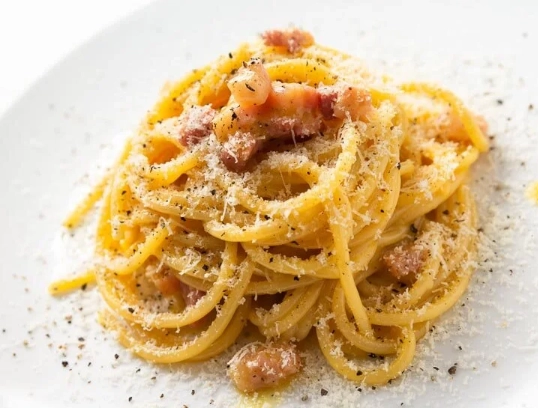
How to Experience These Dishes Like a Local
Want the real deal? Go to Italy. But if that's not possible, here's how to fake it till you make it. For pizza, find a wood-fired pizzeria—look for places that mention "00 flour" and San Marzano tomatoes. In Rome, try Pizzarium Bonci (Via della Meloria, 43, 00136 Roma RM, Italy) for gourmet slices.
For pasta, avoid tourist traps in city centers. Head to family-run trattorias in neighborhoods like Trastevere in Rome. Order spaghetti alle vongole (with clams) or tagliatelle al ragù. And please, don't ask for cheese on seafood pasta—it's a cardinal sin. I've seen Italians cringe at this.
At home, invest in good olive oil and Parmesan. Buy whole Parmigiano-Reggiano and grate it yourself. Store it wrapped in parchment paper, not plastic. These small steps elevate your cooking from mediocre to memorable.
Your Burning Questions Answered
So, what's the most popular Italian dish? It depends on where you are and how you measure it. Pizza has the global crown, but pasta rules Italian hearts. My advice? Try them all, seek out authenticity, and don't be afraid to experiment at home. Food is about joy, not just rankings. Now, go cook something delicious.
Related Articles
Best Italian Holiday Dinner Recipes: A Complete Menu Guide
Authentic Italian Drunken Noodles Recipe (Pasta alla Ubriaca)
Authentic Italian Vegetarian Appetizers: Recipes, Tips & Menus
Authentic Italian Meatballs Recipe: Nonna's Secret for Tender & Flavorful Polpette
What to Bring to an Italian Dinner Party: The Ultimate Guest's Guide