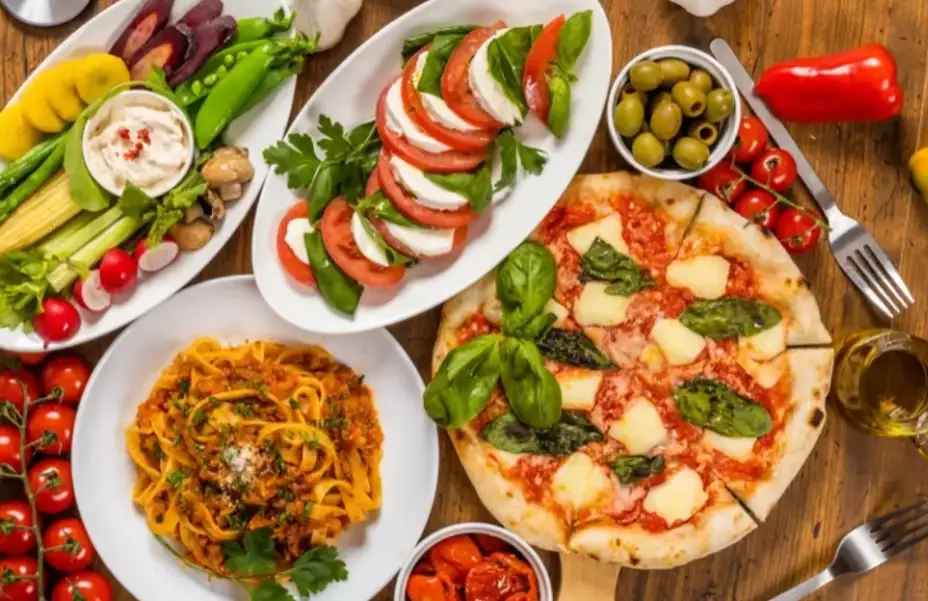
Ultimate Italian Recipes List: From Pasta to Desserts
You want to cook Italian food at home. You've had that amazing pasta at a restaurant, or you remember your nonna's cooking, and you think, "I wish I could make that." The good news? You absolutely can. Forget the complicated myths. Real Italian home cooking is about a few fantastic ingredients treated with respect. This isn't just a list of dishes; it's your roadmap to cooking like you're in a trattoria in Rome or a farmhouse in Tuscany. We'll go through the essentials you need, break down a few foolproof classic recipes, and tackle the questions that usually trip people up.
What's Cooking in This Guide?
Stock Your Kitchen: The Non-Negotiables
Before you even look at a recipe, let's talk ingredients. This is where most "meh" Italian dishes go wrong. You don't need fifty things. You need the right five.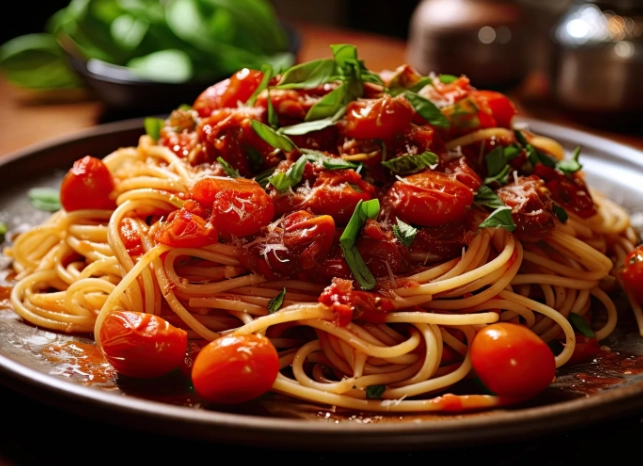
I learned this the hard way, trying to make a pesto with bland, pre-grated "Parmesan" and olive oil that had been sitting in a hot cupboard for a year. It tasted like oily grass. The difference between good and great is shockingly small.
>A lighter, pure olive oil for cooking, and save the good stuff for drizzling.>All-purpose flour works for pasta in a bind, but the texture won't be as delicate.>Any good-quality whole peeled tomato. Crush them by hand for the best texture.>Pecorino Romano (saltier, sharper) or Grana Padano (milder, similar texture).>Dried oregano and thyme hold up well in long-cooked sauces. Never use dried basil.| Ingredient | What to Look For & Why | A Good Substitute (In a Pinch) |
|---|---|---|
| Extra Virgin Olive Oil | A bottle with a harvest date, from a single region (like Puglia or Tuscany). It should taste peppery and green. This is for finishing dishes, not high-heat frying. | |
| 00 Flour or Semola Rimacinata | "00" (doppio zero) is super-fine, perfect for silky pasta dough and tender pizza. Semola is durum wheat semolina, ideal for giving dried pasta its bite. | |
| Canned Tomatoes | Whole, peeled San Marzano DOP tomatoes. The DOP label is crucial—it means they're grown in the volcanic soil near Naples. They're sweeter, less acidic, and have fewer seeds. | |
| Parmigiano-Reggiano | The real deal, with the pin-dots spelling out the name on the rind. Buy a chunk and grate it yourself. The pre-grated stuff has wood pulp (cellulose) to prevent clumping and it won't melt properly. | |
| Fresh Herbs | Basil, flat-leaf parsley, and rosemary. Basil is fragile—add it at the very end of cooking. Flat-leaf parsley has more flavor than curly. |
One more thing: get a heavy-bottomed skillet or pot. Thin pans burn tomato sauce. A good one distributes heat evenly, which is half the battle.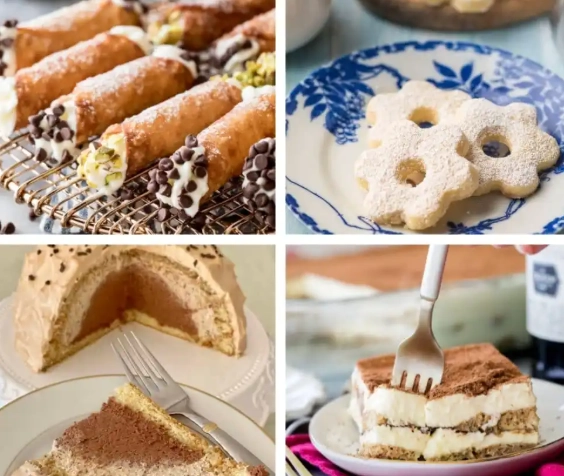
Pasta Night, Done Right
Let's cook pasta. The biggest mistake? Following the box time. You need to taste it. "Al dente" means "to the tooth"—it should have a slight resistance when you bite, not be mushy. Start tasting a minute or two before the package says it's done.
Spaghetti alla Carbonara (The Real Way)
Forget cream. This Roman classic is about eggs, cheese, pepper, and pork fat creating a creamy emulsion. Serves 4.
You'll need: 400g spaghetti, 150g guanciale (pancetta works, but guanciale is better), 3 whole eggs + 2 extra yolks, 120g grated Pecorino Romano (Parmigiano is more common abroad, but Romans use Pecorino), lots of black pepper.
Do this: Cube the guanciale and fry until crispy. Cook your pasta in well-salted water. Whisk eggs, yolks, most of the cheese, and a ton of pepper in a bowl. When pasta is al dente, reserve a mug of the starchy water, then drain. Toss the hot pasta with the guanciale and its fat OFF THE HEAT. Quickly pour in the egg mixture, tossing constantly. Add pasta water a splash at a time until it's silky. The residual heat cooks the eggs into a sauce, not scrambled eggs.
Rigatoni all'Amatriciana
Another Roman powerhouse. Smoky, spicy, tangy. Use rigatoni—the tubes catch the chunky sauce. Serves 4.
You'll need: 400g rigatoni, 200g guanciale (cut into strips), 1 small onion (finely chopped), 1-2 dried red chilies (crumbled), 800g San Marzano tomatoes (hand-crushed), 80g Pecorino Romano.
Do this: Fry guanciale until crisp, remove some for garnish. In the fat, soften the onion and chili. Add tomatoes, season, simmer 20 mins until thickened. Cook pasta, reserve water, drain. Combine pasta and sauce in the pan, add a ladle of pasta water, toss hard. Serve with reserved guanciale and Pecorino.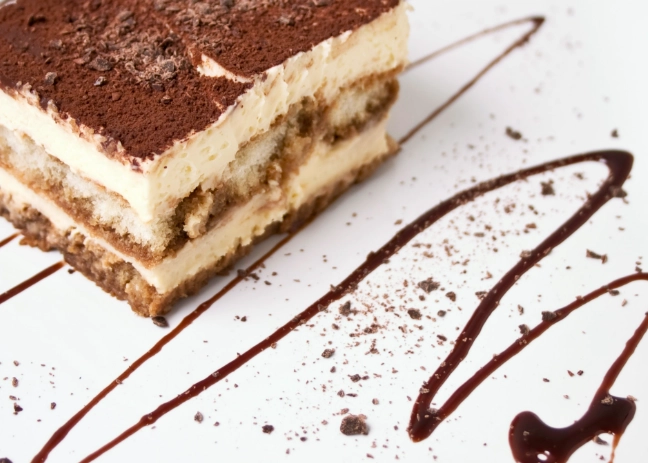
See the pattern? Pasta water is liquid gold. It's seasoned, starchy, and binds the sauce to the pasta. Never skip it.
Beyond Pasta: The Main Event
Italian secondi (main courses) are often simpler than you think. The focus is on the quality of one main ingredient—a piece of meat, some fish, or vegetables.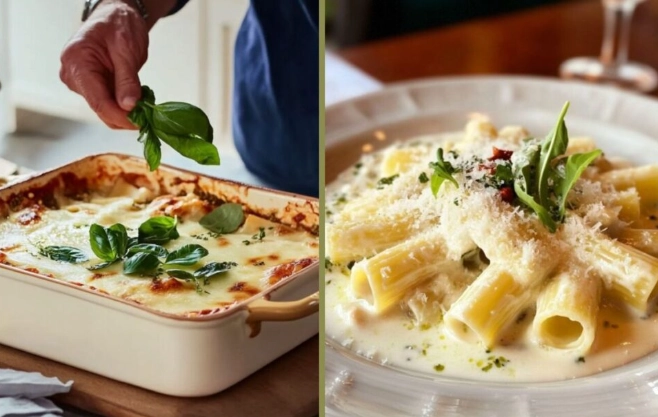
Chicken Piccata
This is weeknight dinner hero status. Thin chicken cutlets in a bright, lemony, caper-butter sauce. It feels fancy but takes 15 minutes.
Pound chicken breasts thin. Dredge in flour. Pan-fry in olive oil and butter for 2-3 mins per side until golden. Remove. To the pan, add more butter, a minced garlic clove, the juice of a lemon, a handful of capers, and some white wine or chicken stock. Let it reduce by half. Throw in a handful of parsley, swirl in a final knob of cold butter for shine, and pour over the chicken. Serve immediately.
Osso Buco alla Milanese
The opposite of quick—a project that rewards patience. Veal shanks, braised until fall-apart tender with vegetables, wine, and broth. The treasure is the marrow in the bone.
You sear the seasoned shanks. In the same pot, cook a soffritto of onion, carrot, and celery. Add tomato paste, cook a minute. Deglaze with white wine. Add the shanks back, some broth, and a bouquet garni. Cover and simmer on low for 2 hours. The classic garnish is gremolata: lemon zest, garlic, and parsley chopped fine, sprinkled on top to cut the richness.
The Sweet Finish: Dolci
No Italian meal is complete without a little sweetness, often just a piece of fruit or some biscotti dipped in vin santo. But sometimes, you want the classics.
Tiramisu
The name means "pick me up." It's layers of coffee-soaked ladyfingers and a creamy mascarpone mixture. The secret is in the eggs.
Separate 4 eggs. Whip the yolks with 100g sugar until pale and thick. Fold in 500g mascarpone. In another spotlessly clean bowl, whip the whites with a pinch of salt to stiff peaks, then fold gently into the mascarpone mix. Dip savoiardi (ladyfinger) biscuits quickly in cooled, strong espresso (mixed with a shot of Marsala or rum if you like). Layer biscuits, then cream, dust with cocoa powder. Repeat. Chill for 6 hours, ideally overnight.
Panna Cotta
Elegant, silky, and easier than custard. It's just cream, sugar, and gelatin, infused with vanilla.
Bloom 2 tsp gelatin in 3 tbsp cold milk. Heat 500ml cream, 80g sugar, and a vanilla pod (scraped) until steaming. Off heat, stir in the gelatin until dissolved. Strain into ramekins. Chill 4+ hours. To serve, run a knife around the edge and dip the ramekin in hot water for a few seconds before inverting onto a plate. Serve with a berry compote.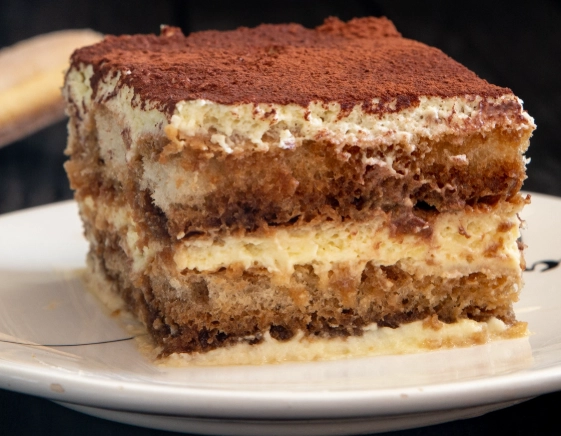
Your Italian Cooking Questions, Answered
Related Articles
Simple Italian Holiday Dinner Recipes: Effortless & Authentic Feasts
Authentic Italian Dessert Recipes: From Tiramisu to Cannoli

Simple Italian Cookie Recipes: 3 Classics You Can Master

Ten-fold stocks appeared! A-shares set off a "price increase", foreign capital b
Authentic Italian Pizza Dough Recipe: Ingredients & Technique Explained