Authentic Italian Dessert Recipes: Easy Tiramisu, Cannoli & More
You know that feeling after a great Italian meal? The one where you're perfectly satisfied, but there's still a tiny corner of your heart (and stomach) begging for something sweet, something like a perfect tiramisu or a crisp cannolo. I've spent years trying to recreate that feeling at home, and I've learned it's less about fancy techniques and more about respecting a few simple rules. Forget complicated, multi-day projects. The best Italian desserts are about quality ingredients and understanding the "why" behind each step. Let's turn your kitchen into a corner of Sicily or Veneto.
What's Inside This Guide
Tiramisu, Perfected: Beyond the Coffee Soak
Tiramisu means "pick me up." A good one should do just that. The internet is flooded with recipes, but most miss two critical points that separate a sloppy mess from a sublime layered dessert.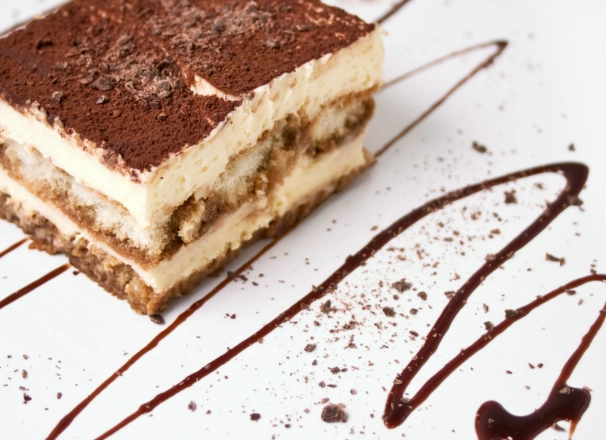
First, the coffee. Instant granules dissolved in water won't cut it. You need the intense, almost bitter punch of real espresso. It balances the sweetness. If you don't have a machine, use a stovetop Moka pot or buy a double shot from a cafe. Let it cool completely. Adding a splash of Marsala wine is traditional, but a dark rum or even a coffee liqueur works. The alcohol isn't just for flavor; it helps preserve the dessert and keeps the ladyfingers from becoming mushy.
Second, and this is the big one: how you treat the mascarpone.
The Mascarpone Maneuver
Take your mascarpone out of the fridge an hour before. It needs to be soft. Whisk the egg yolks and sugar over a double boiler until pale and thick (this is called a zabaglione). Let it cool slightly. Now, in a large bowl, gently fold the softened mascarpone into the cooled yolk mixture. Use a spatula. Do not whip or beat vigorously. You want to incorporate it without adding air, which would make the layer fluffy and unstable.
Whip the egg whites (or heavy cream, for a safer version) separately to stiff peaks, then fold that into the mascarpone mixture. This gives you the lift and lightness.
Dunk the ladyfingers (savoiardi) in the coffee mixture for 1-2 seconds per side. Just a quick dip. They should be moist but not disintegrating. A soggy base is a recipe for disaster. Layer, dust with cocoa, and refrigerate for at least 6 hours, preferably overnight. The wait is non-negotiable—it lets the flavors marry and the texture set.
Cannoli, Homemade: The Shell is Everything
Let's be honest. A cannolo is a vehicle for its filling. But if the vehicle is stale, soggy, or greasy, the journey is ruined. Store-bought shells are often disappointing. Making them at home is a project, but it's deeply satisfying.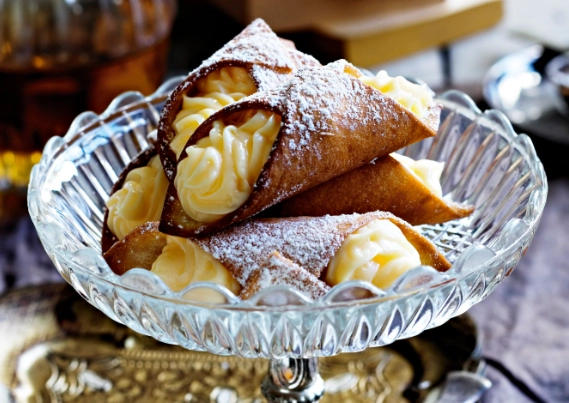
The dough is simple: flour, sugar, a touch of cocoa, butter, wine (usually Marsala or white), and vinegar. The vinegar is key—it inhibits gluten development, keeping the shell tender and flaky, not tough. You knead it briefly, rest it, then roll it incredibly thin. I mean, see-through thin. Cut into circles, wrap around metal tubes, and seal with egg white.
Now, the frying. This is where focus matters.
For the filling, drain your ricotta overnight in a cheesecloth-lined sieve. No exceptions. Wet ricotta makes a runny filling. Mix with powdered sugar, a touch of cinnamon, chopped chocolate, and candied peel. Pipe it into the shells just before serving to maintain that iconic crunch. Dust with powdered sugar.
Panna Cotta: The Silky-Simple Showstopper
Panna cotta is the elegant, quiet cousin of the dessert world. "Cooked cream." It's deceptively simple, which means there's no place to hide mistakes.
The magic ratio: for every 2 cups of cream, use 2 1/4 teaspoons of unflavored powdered gelatin and 1/4 cup of cold water to bloom it. Heat most of the cream with sugar and your flavorings (a vanilla bean, scraped, is classic). Do not boil. Take it off the heat, add the bloomed gelatin, and stir until completely dissolved. No gelatin specks allowed. Strain the mixture into a jug, then stir in the remaining cold cream. This stops the cooking and ensures a smooth, even set.
Pour into ramekins or glasses and chill for at least 4 hours. Serve with a berry compote or a drizzle of aged balsamic vinegar. The vinegar might sound odd, but the sweet-tart acidity cuts the rich cream perfectly—a trick I learned from a chef in Modena.
The Italian Dessert Pantry: 5 Non-Negotiable Essentials
You can't build a house without a foundation. Here's what you need to stock.
>| Ingredient | Why It's Essential | Best Brand/Type to Look For |
|---|---|---|
| 00 Flour | For cannoli, sfogliatelle, or any pastry dough. It's finely milled, lower in protein than all-purpose, yielding a more tender, delicate crust. | Look for Italian brands like Caputo or Anna. If unavailable, a 50/50 mix of cake flour and all-purpose is a decent workaround. |
| Mascarpone Cheese | The soul of tiramisu and many cream fillings. It's a triple-cream cheese, rich and mildly sweet. | Polenghi or Galbani are widely available. Check the ingredient list: it should only contain cream and citric or tartaric acid. |
| Dry Marsala Wine | Used in zabaglione and many dessert sauces. It adds a unique, nutty sweetness. Not to be confused with sweet Marsala used in cooking. | Florio or Pellegrino Dry Marsala. Keep it in the fridge after opening. |
| Ricotta Cheese | For cannoli, cheesecakes, and fillings. The texture is crucial. | Whole milk ricotta, preferably from an Italian deli. Avoid the grainy, watery tubs in the mainstream dairy aisle. |
| Savoiardi (Ladyfingers) | The structural base of tiramisu and charlottes. They absorb liquid without dissolving instantly. | Balocco or Vicenzovo. They're drier and crispier than soft sponge cake fingers. |
Finding good ricotta was my biggest hurdle for years. The standard supermarket stuff is often too wet. I finally found a local Italian grocer who makes it fresh twice a week. The difference in my cannoli filling was night and day—firm, creamy, not a drop of water. If you have a specialty store nearby, it's worth the trip.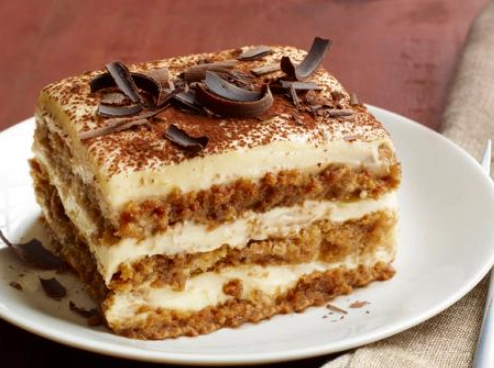
The Pitfalls: Where Most Home Cooks Go Wrong
Let's talk about failure. It's how we learn. Here are the subtle errors that can derail your dolce.
Overworking the Dough: Whether it's for cannoli or pasta frolla (shortcrust), Italian pastry dough hates being over-kneaded. Mix just until it comes together. Gluten development is the enemy of tenderness.
Ignoring Temperature: Ingredients need to be at the right temp. Cold mascarpone won't blend smoothly. Room-temperature eggs whip better. Let things sit out. Patience is your best tool.
Under-seasoning the Sweetness: Italian desserts are often less sweet than their American counterparts, but they're not unsweet. Taste your cream mixture or ricotta filling as you go. It should be balanced, not just a bland cream or cheese layer.
Rushing the Set: Tiramisu and panna cotta need time in the fridge to set properly. That 4-6 hour minimum is not a suggestion. If you try to serve it earlier, you'll have a soupy, layered mess. Plan ahead.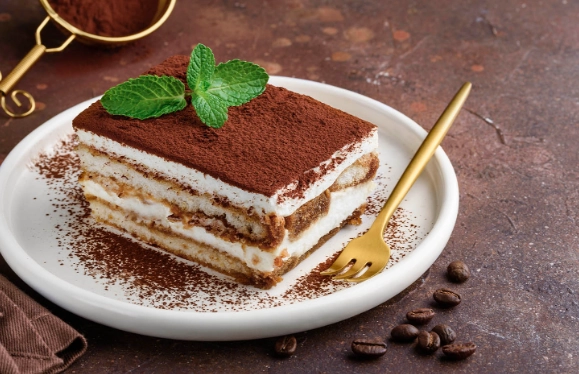
Related Articles
Simple Italian Vegetarian Recipes: 5 Easy Dishes for Weeknights
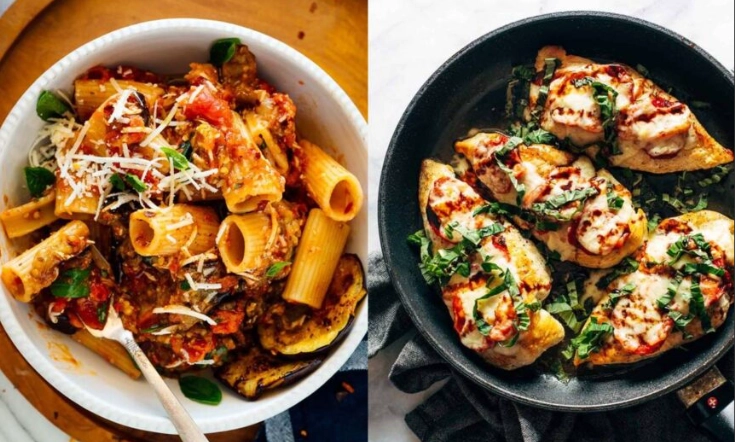
Master the Classics: The Best Italian Recipes You Need to Know
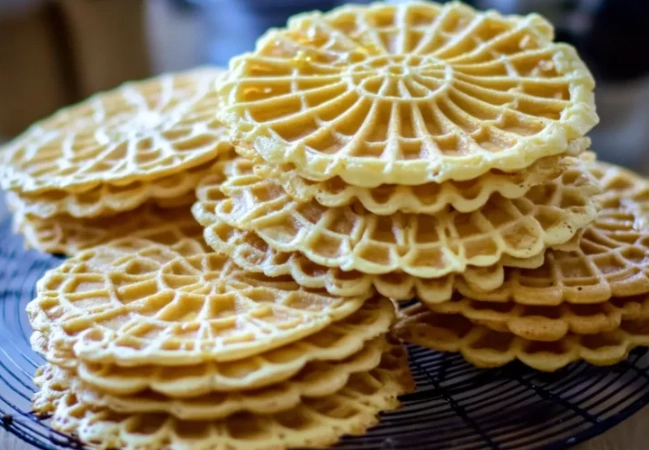
Easy Original Pizzelle Recipe: Classic Italian Waffle Cookies
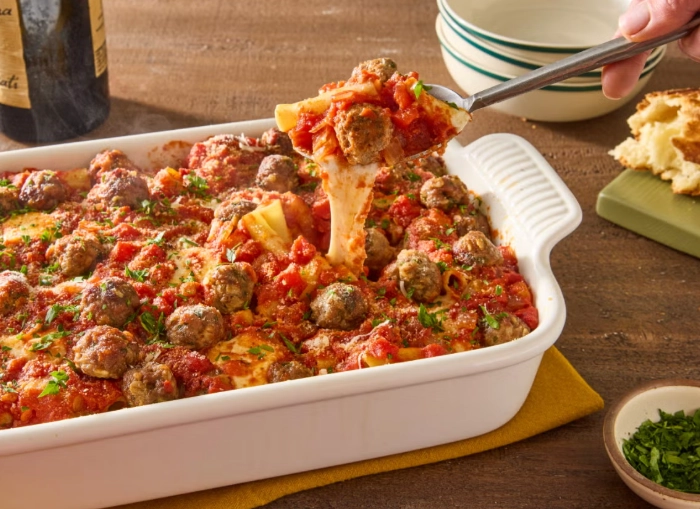
Best Italian Holiday Dinner Recipes: A Complete Menu Guide
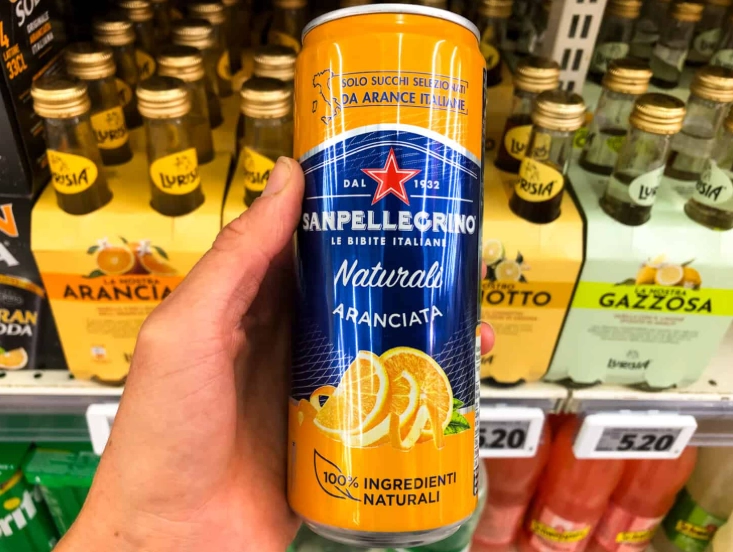
Discover the Best Non-Alcoholic Italian Drinks: From Aperitivo to Digestivo