Traditional Southern Italian Recipes: Authentic Dishes & Secrets
I still remember the smell. It was in a tiny, sun-baked courtyard in Puglia, the heel of Italy's boot. An elderly nonna was stirring a pot of ragù that had been simmering since morning. There were no written recipes, just generations of instinct in her hands. That's the heart of traditional southern Italian cooking. It's not a checklist of ingredients you can buy; it's a philosophy you have to feel. It's about sun-ripened tomatoes, fragrant olive oil, and a patience most of us have forgotten. If you want to cook like they do in Naples, Bari, or Palermo, you need to understand the rules they never bother to write down.
What You'll Discover in This Guide
The Unbreakable Rules of Southern Italian Cooking
Forget fancy techniques. Southern Italian cuisine is built on a few pillars that never bend.
Rule 1: The Tomato is Sacred. You don't use out-of-season, watery tomatoes. You wait for summer. For a sauce, you use San Marzano DOP tomatoes—they're longer, thinner, with fewer seeds and a sweeter, more intense flavor. The label "DOP" (Protected Designation of Origin) is your guarantee they're grown in the volcanic soil around Mount Vesuvius. If you can't find them, a good-quality canned whole plum tomato from California is your next best bet. Crush them by hand. It makes a difference.
Rule 2: Olive Oil is Your Primary Fat. Butter is for the north. In the south, extra virgin olive oil is used for sautéing, frying, dressing, and finishing. It's a flavor ingredient, not just a cooking medium. A good, peppery oil from Puglia or Calabria will elevate a simple plate of boiled greens into something transcendent.
Rule 3: Pasta Water is Liquid Gold. This is the single most overlooked trick. That starchy, salty water you drain from your pasta is the magic glue that helps your sauce cling to every strand. Always reserve a cup before you drain. Add it back to the pan with your pasta and sauce, and let it emulsify for a minute over heat. The sauce will go from sitting on top of the pasta to coating it perfectly.
How to Make Classic Southern Italian Recipes at Home
Let's get practical. Here are three foundational recipes that define the region. Master these, and you've got a solid southern Italian repertoire.
1. The Only Neapolitan Pizza Dough Recipe You'll Ever Need
Forget everything you know about quick-rise dough. Authentic Neapolitan pizza is about fermentation, not speed. You'll need "00" flour (it's finer and creates a more elastic dough), fresh yeast or active dry yeast, water, and salt. No sugar, no oil.
Mix, knead briefly, and let it rise at room temperature for 8-12 hours. Yes, that long. This slow fermentation is what creates those complex, slightly sour flavors and the airy, chewy crust with leopard-spot char. Divide it into balls, let it proof another few hours, then stretch it by hand—no rolling pin. Top it with just a smear of tomato, a few pieces of fresh mozzarella di bufala, a basil leaf, and a drizzle of oil. Bake it in your hottest possible oven (a pizza stone is essential) for 90 seconds. It's a project, but the first bite will ruin all other pizza for you.
2. A Simple, Perfect Tomato Sauce (Salsa di Pomodoro)
This is the base for everything. In a pot, gently sauté a few cloves of sliced garlic (not minced!) in a generous pool of olive oil until just fragrant—don't let it brown. Add a pinch of dried oregano or a fresh basil stem. Pour in your hand-crushed San Marzano tomatoes. Add a whole, peeled carrot. This is the nonna's secret. It simmers with the sauce, adding a subtle sweetness that balances acidity without any sugar. Season with salt. Let it bubble gently, uncovered, for about 45 minutes. Remove the carrot and basil stem. That's it. You now have a sauce that tastes like summer in a jar.
3. The Sunday Ragù (Ragù alla Napoletana)
This is not the Bolognese from the north. Southern ragù is meaty, rich, and cooked for hours, but it's lighter on the tomato. You typically use a large, single piece of beef (like a chuck roast) and pork ribs or sausages. Brown the meat well. In the same pot, sauté a soffritto of onion, carrot, and celery. Add a glass of red wine and let it evaporate. Then add a small amount of tomato passata or your simple tomato sauce, and just enough water to barely cover the meat. Bring to a bare simmer—a bubble breaks the surface every few seconds—cover, and walk away for 3-4 hours. The meat becomes fall-apart tender and flavors the sauce profoundly. You serve the sauce with pasta (like ziti or rigatoni) as a first course, and the meat as a second. It's an event.
The Mistakes Everyone Makes (And How to Fix Them)
I've taught a lot of cooking classes, and the same errors pop up every time.
Mistake: Adding oil to your pasta water. It's supposed to stop the pasta from sticking, right? Wrong. It just makes your pasta slippery, so the sauce slides right off. The key to non-sticky pasta is using a large pot with plenty of vigorously boiling, well-salted water, and giving it a good stir in the first minute.
Mistake: Rinsing your pasta after draining. You're washing away the precious starch that helps the sauce adhere. Never, ever do this. Drain it and immediately transfer it to the sauce pan.
Mistake: Using pre-grated Parmesan cheese. The cellulose powder they add to keep it from clumping also prevents it from melting smoothly into a sauce. Buy a block of Parmigiano-Reggiano or Pecorino Romano and grate it fresh. The flavor is worlds apart.
These might seem like small details, but in a cuisine built on a few perfect ingredients, the details are everything.
Your Southern Italian Cooking Questions, Answered
The goal isn't to replicate a restaurant dish perfectly. It's to capture a feeling—the warmth of the southern sun, the generosity of the table, the slow pleasure of food made with care. Start with one recipe. Master the rules. Feel the difference time makes. That's how you bring a piece of southern Italy into your kitchen.
Related Articles
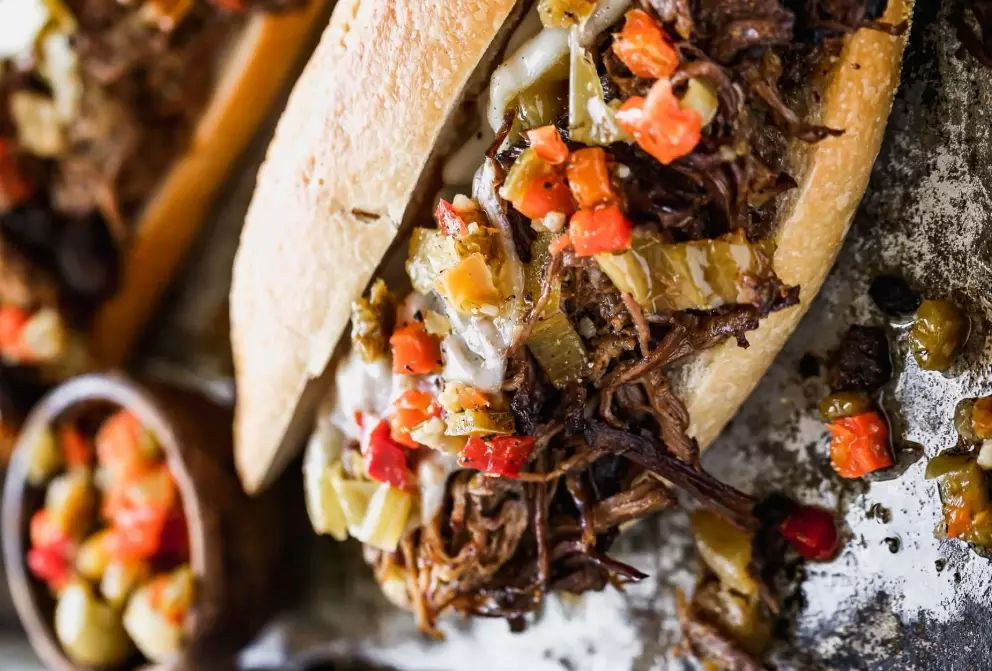
Slow Cooker Italian Beef: The Ultimate Tender & Flavorful Recipe
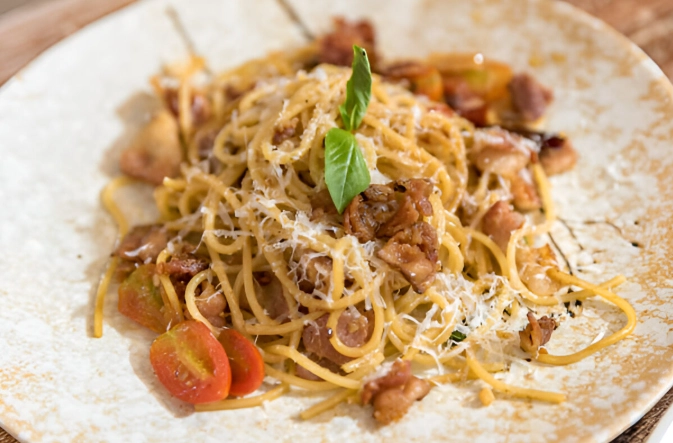
Authentic Italian Carbonara Recipe: The Only Guide You'll Ever Need
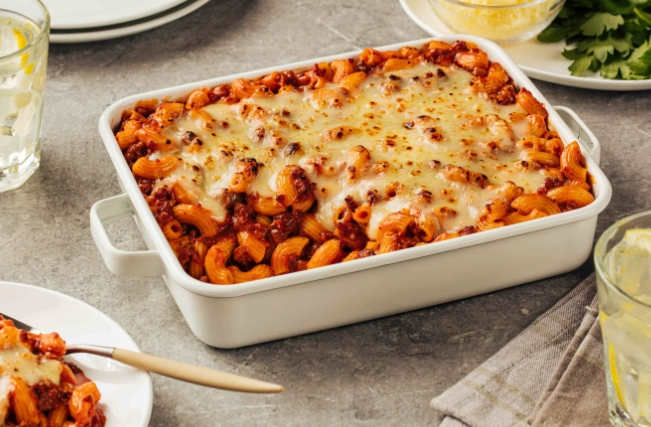
Best Italian Baked Dishes Recipes: Authentic & Easy to Make
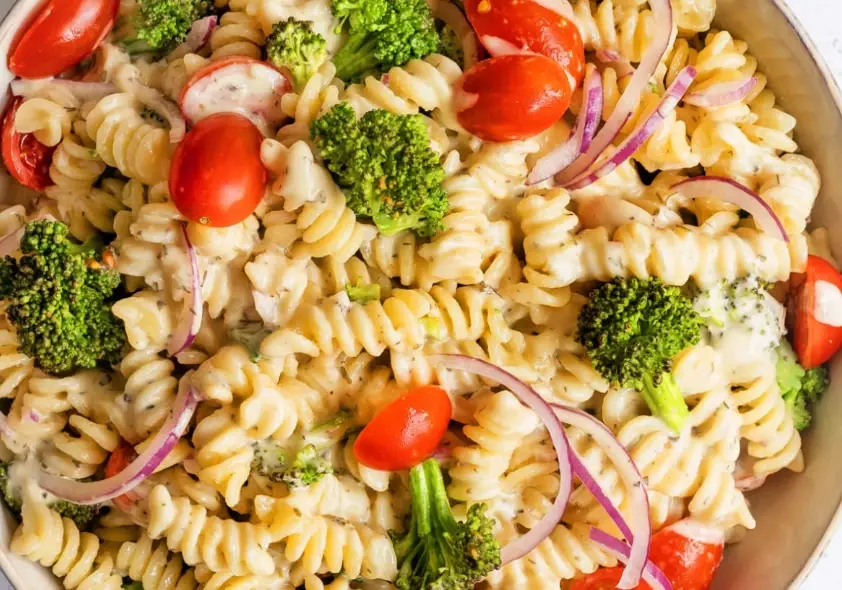
Perfect Pasta Salad Recipe with Homemade Italian Dressing
The Ultimate Guide to an Authentic Italian Christmas Dinner Menu