Traditional Northern Italian Recipes: Authentic Dishes & Cooking Secrets
Quick Navigation
- The Foundation: Understanding Northern Italian Ingredients
- Regional Specialties: A Tour Through Northern Italy's Kitchen
- Mastering Classic Traditional Northern Italian Recipes
- Common Mistakes When Cooking Northern Italian Dishes
- Wine Pairings: What to Drink with Northern Italian Food
- Seasonal Cooking: Adapting Traditional Northern Italian Recipes
- Modern Twists on Traditional Northern Italian Recipes
- Essential Equipment for Northern Italian Cooking
- Learning from the Masters: Resources for Authentic Recipes
- Frequently Asked Questions About Northern Italian Cooking
I still remember my first real taste of Northern Italian cooking. It wasn't in some fancy restaurant, but in a tiny trattoria tucked away in a Milanese alleyway. The risotto was creamy but each grain stood distinct, the osso buco fell off the bone, and the polenta had this incredible texture I'd never experienced before. That meal changed how I thought about Italian food forever.
See, most of us outside Italy only know the Southern Italian classics - pizza, pasta with tomato sauce, that sort of thing. But Northern Italian cuisine? That's a whole different world. It's richer, more complex, and honestly, a bit misunderstood.
What makes Northern Italian cooking unique? It's the butter instead of olive oil, the rice and corn instead of just wheat, the creamy sauces rather than tomato-based ones. It's food that warms you from the inside out, perfect for the cooler climates of the Alps and Po Valley.
The Foundation: Understanding Northern Italian Ingredients
Before we dive into specific traditional Northern Italian recipes, we need to talk ingredients. Getting these right is what separates authentic dishes from mediocre imitations.
Rice is huge up north. The Po Valley grows some of Europe's best rice, particularly Carnaroli and Arborio varieties. These short-grain rices absorb liquid while maintaining their structure, creating that signature creamy-yet-firm risotto texture. I've made the mistake of using long-grain rice for risotto before - trust me, it turns into mush.
Polenta, made from cornmeal, is another staple. The texture can range from creamy to firm enough to slice and grill. The quality of your cornmeal matters tremendously here. Look for stone-ground polenta rather than instant - the flavor difference is night and day.
Butter and cream feature prominently, unlike the olive oil-dominated south. Parmigiano-Reggiano from Parma and Grana Padano are the cheeses of choice. And let's not forget the cured meats - prosciutto di Parma, mortadella, and various salumi that add depth to countless dishes.
Essential Pantry Items for Authentic Northern Italian Cooking
- Carnaroli or Arborio rice (avoid substitutes)
- Stone-ground polenta (not instant)
- High-quality butter (European-style works best)
- Parmigiano-Reggiano (real, not the green can)
- Porcini mushrooms (dried work fine)
- Quality broth (homemade if possible)
- White wine for cooking (something you'd actually drink)
Regional Specialties: A Tour Through Northern Italy's Kitchen
Northern Italy isn't a monolith - each region has its own character and specialties. Understanding these differences helps appreciate why traditional Northern Italian recipes vary so much.
Lombardy: Rich and Hearty
Milan is the heart of Lombard cuisine. This is where you find risotto alla Milanese with saffron, osso buco, and cotoletta alla Milanese. The food here is substantial, reflecting the region's wealth and colder winters.
I once tried to make osso buco without veal shanks - big mistake. The marrow in the bone is essential for the sauce's richness. Some butchers will try to sell you boneless cuts, but stand your ground.
Piedmont: Truffles and Elegance
Piedmont is fancy. This is truffle country, home to the white Alba truffle that costs more than my first car. Even without truffles, the cuisine shines with agnolotti pasta, bagna cauda (a warm anchovy dip), and brasato al Barolo (beef braised in wine).
The wine pairing here is crucial. Piedmont produces incredible Barolo and Barbaresco wines that complement the rich food perfectly.
Veneto: Seafood and Rice
Venice brings seafood to the Northern Italian table. Think risi e bisi (rice and peas), seafood risottos, and baccalà mantecato (creamed salt cod). The Venetian approach to rice is lighter than Milan's, often featuring seafood and vegetables.
I learned the hard way that Venetian risotto is typically looser than other versions. They call it "all'onda" - wavy, because it should flow when you tilt the plate.
Mastering Classic Traditional Northern Italian Recipes
Now for the good stuff. Let's break down some essential traditional Northern Italian recipes that every home cook should attempt.
Risotto alla Milanese: The Gold Standard
This saffron-infused risotto might be the most famous of all traditional Northern Italian recipes. The key is patience - no rushing the process.
Start with a soffritto of finely chopped onion cooked slowly in butter until translucent. Toast the rice in this base until the edges become translucent. Then begin adding warm broth ladle by ladle, stirring constantly. The stirring releases the rice's starch, creating that creamy texture.
The rice should be al dente - tender but with a slight bite. The final mantecatura (off-heat stirring) with butter and Parmigiano-Reggiano is crucial. This emulsifies the fats into the rice, creating incredible creaminess.
I've seen people add cream to risotto. Please don't. A properly made risotto gets its creaminess from the rice starch alone.
Polenta: More Than Just Cornmeal
Polenta suffers from a bad reputation outside Italy, often seen as bland mush. Done right, it's incredible - either creamy and comforting or firm and grilled with beautiful char marks.
The traditional method involves slowly streaming polenta into boiling water while stirring constantly to prevent lumps. Then you cook it for 45-60 minutes, stirring frequently. Yes, it's an arm workout.
Why so long? The prolonged cooking develops flavor and improves texture. Quick-cooking polenta saves time but tastes like cardboard in comparison.
Serve polenta soft with stews or let it cool, slice it, and grill or fry it. Polenta pasticciata - layered with cheese and sauce then baked - is life-changing.
Osso Buco alla Milanese: The Ultimate Comfort Food
Veal shanks braised with vegetables, wine, and broth until falling-off-the-bone tender. The gremolata (lemon zest, garlic, parsley) sprinkled on top cuts through the richness beautifully.
The biggest mistake? Cooking it too quickly. Osso buco needs low, slow heat to break down the connective tissues. Rushing it results in tough, stringy meat.
Don't discard the marrow! Spread it on crusty bread or stir it into the risotto you'll serve alongside. That's how they do it in Milan - risotto alla Milanese with osso buco is the classic pairing.
Common Mistakes When Cooking Northern Italian Dishes
I've made plenty of errors while learning these traditional Northern Italian recipes. Here's what to avoid:
| Mistake | Why It's Wrong | Better Approach |
|---|---|---|
| Using the wrong rice for risotto | Long-grain rice becomes mushy | Stick to Carnaroli or Arborio |
| Adding cream to risotto | Authentic risotto uses no cream | Let rice starch create creaminess |
| Rushing polenta cooking | Quick polenta lacks flavor | Cook slowly for 45+ minutes |
| Overcooking vegetables | Northern Italians value texture | Cook until crisp-tender |
| Skimping on cheese quality | Poor cheese ruins the dish | Use authentic Parmigiano-Reggiano |
Another common error? Overseasoning. Northern Italian cooking often relies on the natural flavors of quality ingredients. Taste as you go and season judiciously.
Wine Pairings: What to Drink with Northern Italian Food
The right wine can elevate traditional Northern Italian recipes from great to extraordinary. Here's a simple guide:
With risotto: Choose something with enough acidity to cut through the richness. For seafood risotto, try a Pinot Grigio. With mushroom risotto, a lighter red like Bardolino works beautifully.
With polenta dishes: Creamy polenta pairs well with crisp white wines like Soave. Grilled polenta with hearty toppings can handle medium-bodied reds like Valpolicella.
With meat stews: Osso buco and other braised meats need substantial wines. Barolo or Barbaresco from Piedmont are classic choices, but they can be pricey. A good alternative is Nebbiolo d'Alba or even a well-made Barbera.
I learned about wine pairing the hard way - serving a delicate white wine with a rich osso buco. The wine completely disappeared. Now I always consider the weight and intensity of both food and wine.
Seasonal Cooking: Adapting Traditional Northern Italian Recipes
Northern Italian cooking is deeply seasonal. This isn't just about freshness - it's about working with what's available during different times of year.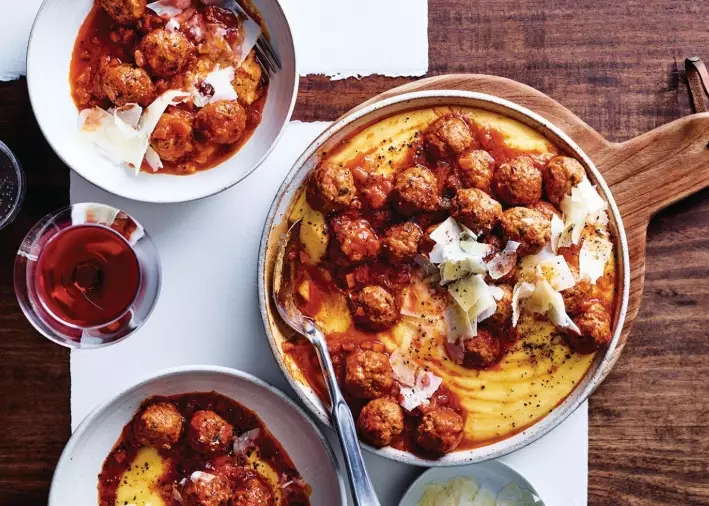
Spring means asparagus risotto, fresh peas in risi e bisi, and tender greens. Summer brings tomatoes, basil, and lighter preparations. Autumn is mushroom season - porcini risotto becomes a weekly event. Winter calls for hearty polenta dishes, braised meats, and preserved ingredients.
This seasonal approach makes traditional Northern Italian recipes more sustainable and affordable. You're not buying expensive out-of-season produce that lacks flavor.
I try to follow this philosophy even when I can't get authentic Italian ingredients. Local mushrooms instead of porcini, domestic rice instead of Carnaroli - it still works if you respect the techniques.
Modern Twists on Traditional Northern Italian Recipes
While I love authenticity, sometimes modern adaptations make sense. The key is understanding why the original works before changing it.
Vegetarian versions of meat-based dishes can be wonderful. A mushroom-based "osso buco" using large portobello stems mimics the texture surprisingly well. Vegetable broths can replace meat broths in risotto, though you'll need to boost the flavor with Parmesan rinds or dried mushrooms.
Time-saving techniques have their place too. Pressure cookers can make polenta in 10 minutes instead of an hour. The texture isn't identical to traditional slow-cooked polenta, but it's pretty good for a weeknight.
That said, some things shouldn't be changed. Don't use margarine instead of butter. Don't use canned Parmesan. Some shortcuts sacrifice too much flavor.
Essential Equipment for Northern Italian Cooking
You don't need fancy gear, but a few items make cooking traditional Northern Italian recipes much easier:
- Heavy-bottomed pot: For risotto and polenta, even heat distribution prevents burning
- Wooden spoon: Gentle on your cookware and perfect for stirring risotto
- Microplane: For zesting citrus and finely grating cheese
- Good knives: Precision cutting makes a difference in presentation and cooking time
- Broth warmer: Keeping broth hot while making risotto is crucial
I cooked for years with cheap, thin pots before investing in a decent heavy-bottomed one. The difference in my risotto was immediate - no more scorched bottom layer.
Learning from the Masters: Resources for Authentic Recipes
If you want to dive deeper into traditional Northern Italian recipes, these resources are invaluable:
The Academia Barilla website offers authentic recipes and techniques from one of Italy's most respected culinary institutions. Their focus on regional authenticity is outstanding.
For understanding the science behind the techniques, Accademia Italiana della Cucina documents and preserves traditional Italian cooking methods. They're the guardians of culinary heritage.
Regional tourism boards like Regione Lombardia often publish authentic recipes that represent their culinary traditions accurately. These are usually more reliable than generic food blogs.
I've found that combining these authoritative sources with practice and tasting the real thing in Italy (when possible) gives the best understanding of what makes traditional Northern Italian recipes special.
Frequently Asked Questions About Northern Italian Cooking
What's the biggest difference between Northern and Southern Italian cuisine?
Northern cooking uses more butter, rice, polenta, and cream, while Southern cooking relies on olive oil, tomatoes, and durum wheat pasta. The climates and agricultural traditions shaped these differences.
Can I make authentic Northern Italian food without special ingredients?
You can make decent versions, but certain ingredients are non-negotiable for authenticity. The right rice for risotto, proper polenta cornmeal, and real Parmigiano-Reggiano make a huge difference. That said, don't let lack of perfect ingredients stop you from trying - just understand the compromises.
Why is my risotto gluey?
Probably too much stirring or the wrong rice. Stir gently and not constantly. Use Carnaroli rice which holds its shape better than Arborio. And make sure your broth is hot when adding it.
How do I know when polenta is done?
It should pull away from the sides of the pot cleanly and have a smooth, not gritty, texture. Taste it - if it still feels sandy, keep cooking.
What's the best cut of meat for osso buco?
Veal shanks cut crosswise about 1.5-2 inches thick. The bone and marrow are essential for flavor. Ask your butcher for "osso buco cut" shanks.
Traditional Northern Italian recipes might seem daunting at first, but they're incredibly rewarding. Start with one dish, master it, then move to another. The techniques build on each other, and soon you'll be cooking like a nonna from Lombardy.
The beauty of this cuisine is its emphasis on quality ingredients treated with respect. It's not about complicated techniques or exotic spices - it's about letting excellent components shine. That's a philosophy that translates to any kitchen, anywhere.
So pick a recipe, gather your ingredients, and start cooking. Your first attempt might not be perfect, but that's how learning works. My first risotto was somewhere between soup and cement. Now? Let's just say my Italian friends approve.
Related Articles
Ultimate Italian Recipes List: From Pasta to Desserts
Italian Shrimp Recipes: From Classic Scampi to Modern Dishes
Mastering Homemade Italian Pasta: A Complete Guide to Fresh Pasta Recipes
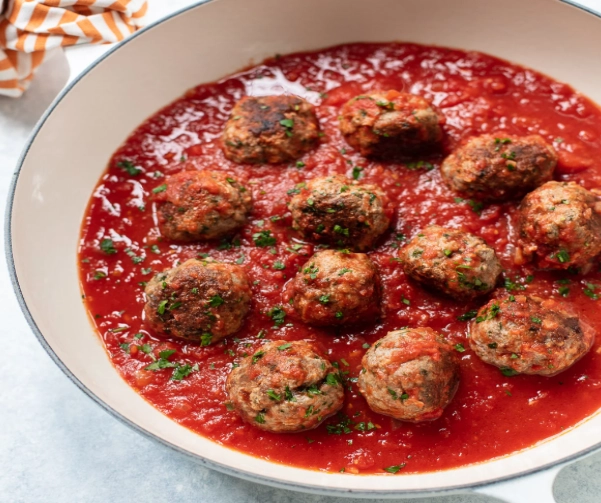
Ultimate Guide to the Best Italian Meatball Recipe

Sudden good news! The RMB surged 300 points, 4,100 A-shares rose, and banks that

The "half-year report" of the economy of 31 provinces is released: Inner Mongoli

Classic Italian Bread Recipe: Authentic & Easy Homemade Loaf
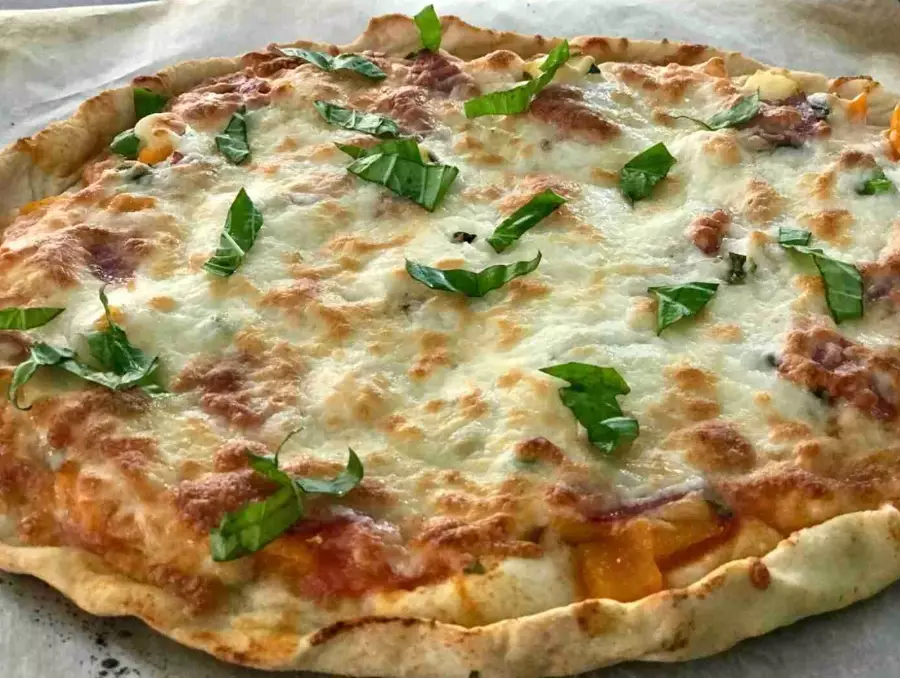
Master Authentic Italian Recipes: The Ultimate Guide to Real Italian Cooking
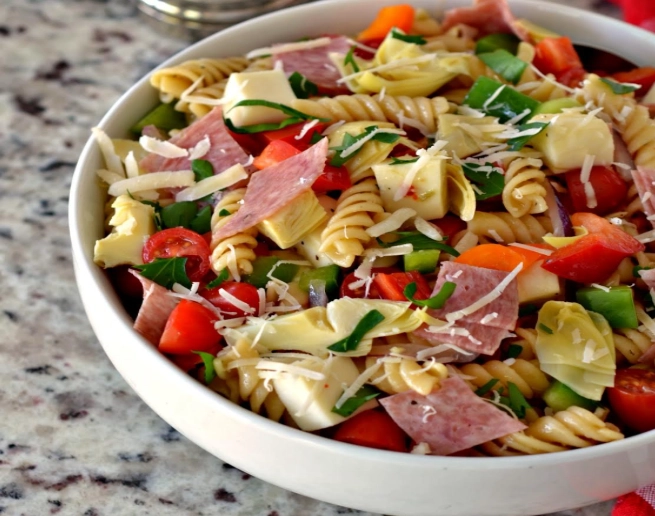
Easy Italian Regional Recipes: Authentic Dishes You Can Actually Make

Paris Notes 10: Visiting Galeries Lafayette, more than half of the "saleswomen"
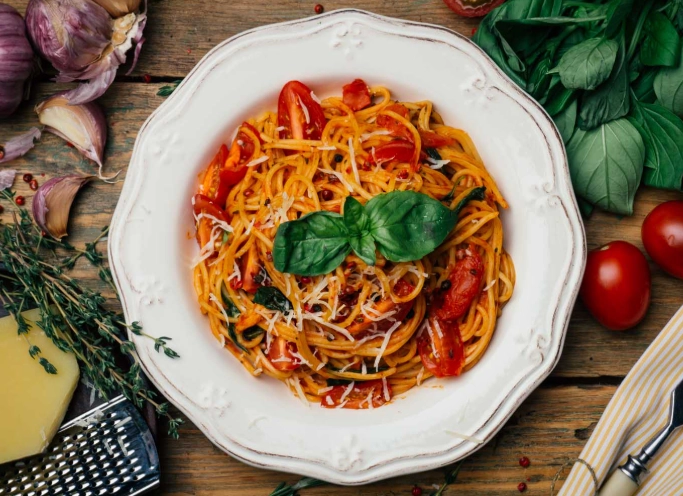
Authentic Italian Dinner Recipes: Classics for Your Table
Authentic Italian Pasta Salad Recipe: Easy & Flavorful

The number has increased nearly fourfold in ten years, and the global digital ba
Vegetarian Food Guide: What to Eat in Italy
A Guide to Italy's Classic Dishes: Pasta, Pizza & More

Unique Italian Appetizers: Beyond Bruschetta & Meatballs
Top 10 Italian Dishes Veg: Best Vegetarian Pasta & Mains Guide

Breaking through 1.2 billion kilowatts, China has achieved its commitment to win
Authentic Italian Pizzelle Recipe with Anise: A Family Tradition
Traditional Italian Recipes from Scratch: The Heart of Home Cooking
Ultimate Guide to Best Italian Appetizer Recipes for Any Occasion

The global economy has ushered in a remarkable transformation after the new crow

Best Italian Sausage Pasta Recipes: Easy, Creamy & Spicy Ideas
Easy to Make Italian Food Recipes: Delicious & Quick Meals
Vegetarian Italian Recipes: A Complete Guide to Plant-Based Pasta & More
Simple Pasta Recipes for Busy Weeknights: 3 Classics Made Easy
Authentic Italian Dinner Recipes from Regional Cuisines

Industry Observation|Running at a new speed of trade finance, Bohai Bank's "Boyi

Sudden bad news! A-shares plunged, Hong Kong stocks fell more than 2%, and there
Leave a Comment