Authentic Italian Regional Recipes: A Guide to Italy's Best Local Dishes
Let's be honest. Most of what we think of as "Italian food" outside Italy is a simplified, often distorted, version of a much richer story. I spent a summer in Bologna a few years back, trying to learn from a friend's nonna. The first thing she told me, waving a wooden spoon for emphasis, was "No garlic in the ragù!" That was my first lesson in authenticity. It's not about rigid rules, but about a deep connection to place, season, and history. Authentic Italian regional recipes are the edible archives of Italy's 20 distinct regions, each with its own landscape, climate, and story to tell on a plate.
Your Quick Guide to Authentic Italian Cooking
What Makes an Italian Recipe Truly "Authentic"?
Forget fancy techniques or expensive equipment. Authenticity in Italian cooking boils down to three things: place, simplicity, and quality.
A recipe from Liguria will taste of the sea and the hills because it uses local anchovies, basil, and olive oil. One from landlocked Umbria will showcase wild boar, lentils, and black truffles. The Associazione Vera Pizza Napoletana, for instance, fiercely protects the definition of Neapolitan pizza, specifying everything from the type of flour (Tipo 00) to the cooking time in a wood-fired oven (60-90 seconds). This isn't pretension; it's preservation.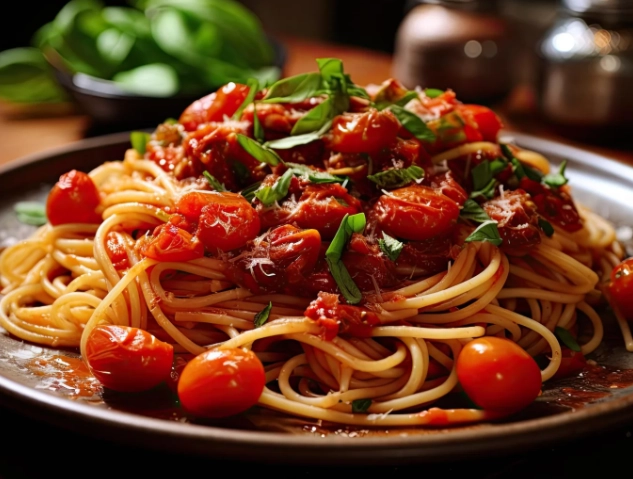
Simplicity is another hallmark. The best Italian dishes often have fewer than five key ingredients. The magic happens in how they're treated. Think of Cacio e Pepe—just cheese, pepper, and pasta water. The challenge is in the technique of emulsification, not a long list of components.
Here's a non-consensus point I learned the hard way: Many online recipes for classics like Carbonara or Amatriciana are needlessly complicated. They add garlic, onions, or cream to "boost" flavor. In reality, these additions muddy the clear, distinct flavors of the core ingredients—guanciale, pecorino, and pepper. Authenticity often means having the confidence to do less, not more.
A Tour of Italy Through Its Most Iconic Regional Dishes
Let's move beyond the generic. Here’s a snapshot of what you’re actually eating when you eat regionally.
| Region | Iconic Dish | The Heart of the Dish | Where to Taste It (If You Can't Go) |
|---|---|---|---|
| Emilia-Romagna | Tagliatelle al Ragù | A slow-cooked meat sauce (never "Bolognese" on local menus) with a base of soffritto, pancetta, beef, pork, a splash of wine, and a touch of tomato paste or milk. | Source authentic Parmigiano-Reggiano DOP and pancetta. The cheese makes the dish. |
| Campania | Pizza Margherita | San Marzano DOP tomatoes, Mozzarella di Bufala Campana DOP, fresh basil, and extra-virgin olive oil on a soft, chewy cornicione baked at extreme heat. | Invest in a pizza steel for your home oven and seek out those DOP-certified ingredients. They are the recipe. |
| Lazio (Rome) | Spaghetti alla Carbonara | Guanciale (cured pork cheek), Pecorino Romano DOP cheese, eggs, and black pepper. No cream. No garlic. Ever. | Finding guanciale is 80% of the battle. Online Italian specialty stores are your friend. |
| Sicily | Pasta alla Norma | A celebration of the island's produce: fried eggplant, rich tomato sauce, salted ricotta (ricotta salata), and basil. | The trick is salting and draining the eggplant properly to avoid sogginess. Ricotta salata is irreplaceable. |
| Liguria | Pesto alla Genovese | Basil from Pra, extra-virgin olive oil, pine nuts, garlic, coarse salt, and Parmigiano-Reggiano and Pecorino cheeses, crushed in a marble mortar. | Never use a food processor on high speed; it heats and bruises the basil. Pulse gently or use a mortar. |
The Heart of the Dish: The Ragù
In Bologna, they don't call it "spaghetti Bolognese." That's a foreign invention. It's tagliatelle al ragù. The wide, flat tagliatelle are essential—they hold the thick, meaty sauce in a way spaghetti never could. The meat is a mix, often including a little veal or pork. And the tomatoes? They're an afterthought, just a tablespoon or two of concentrate or a small amount of passata for depth, not a tomato-heavy sauce. Getting this balance wrong is the most common mistake outside Italy.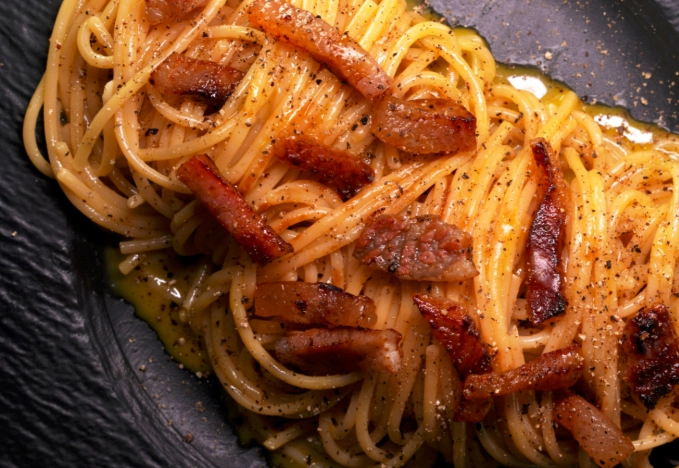
The Art of Simplicity: Cacio e Pepe
This Roman dish is a masterclass in technique with just three ingredients. The challenge is creating a creamy, glossy sauce without any cream. It's all about using the starchy pasta water to emulsify the finely grated Pecorino Romano and a generous amount of coarsely ground black pepper. If your cheese clumps into strings, your water wasn't starchy enough or you added the cheese off the heat. It's a dish that humbles every cook, but when you get it right, it's pure magic.
Why "Local" Ingredients Are Non-Negotiable
You can't make authentic Ligurian pesto with dried basil or Californian olive oil. The specific cultivar of basil from Pra, near Genoa, has a unique, delicate perfume. The local olive oil is fruity and light. This principle of terroir—how a place shapes its food—is everything.
Look for DOP (Protected Designation of Origin) and IGP (Protected Geographical Indication) labels. These are EU certifications that guarantee a product was produced, processed, and prepared in a specific geographical area using recognized know-how. Parmigiano-Reggiano DOP, Aceto Balsamico Tradizionale di Modena DOP, or San Marzano DOP tomatoes aren't just marketing. They are your shortcut to authenticity.
My personal struggle was with olive oil. I used a robust, peppery Tuscan oil for everything until I tried making a delicate seafood pasta from Venice. It was overpowering. Now I keep a light Ligurian oil for fish and a stronger one for meats and bruschetta. It makes a difference you can taste.
Pro Tips and Common Pitfalls to Avoid
After years of trial, error, and learning from mistakes (both mine and others'), here's what I wish I knew sooner.
Salt your pasta water like the sea. I mean it. That water should taste salty. It's the only chance you have to season the pasta itself. This is non-negotiable.
Reserve pasta water. Before you drain your pasta, scoop out a cup of that starchy, salty liquid. It's the key to silky sauces that cling to your noodles, whether it's Carbonara or a simple tomato sauce.
Finish cooking the pasta in the sauce. Don't just dump sauce on top of drained pasta. Add the al dente pasta to the pan with your sauce and a splash of that reserved water. Let them cook together for the final minute. This is called mantecatura, and it marries the flavors.
The garlic mistake. In many southern Italian recipes, garlic is used to flavor the oil and then removed. It's not meant to be a dominant, pungent bite but a subtle background note. If you're leaving chopped garlic in to brown, you're probably overpowering the dish.
Your Authentic Italian Cooking Questions Answered
Cooking authentic Italian regional food is a journey, not a destination. It starts with respecting the origins of a dish, seeking out the right ingredients, and embracing the simplicity of the process. It's about understanding that a recipe from Sicily tells a different story than one from the Alps. Don't be afraid to start with one region, master a dish, and feel the connection to that place in every bite. That's the real secret—and the real joy—of authentic Italian cooking.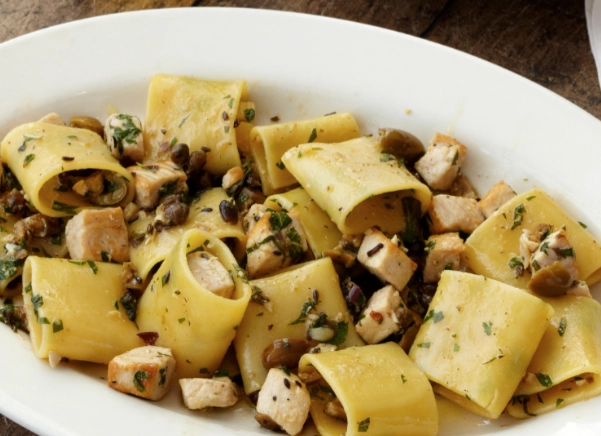
Related Articles
Italian Soup Guide: Beyond Minestrone & Regional Classics
The Ultimate Homemade Italian Dressing Recipe (Easy & Authentic)
The Heart of Italy on Your Plate: Timeless Traditional Italian Recipes & Kitchen Wisdom
4 Famous Italian Pastas: Types, History & Cooking Guide

Why did China Resources take over Tasly?