Easy Italian Regional Recipes: Authentic Dishes You Can Actually Make
Let's clear something up right away. Authentic Italian cooking isn't about fancy techniques or a pantry stocked with fifty exotic ingredients. It's about simplicity, quality, and regional character. The problem? Most of us think "regional" means "complicated." We see recipes from Sicily or Tuscany and assume they're restaurant-only affairs. I thought the same until I spent a summer with a friend's family near Bologna. Watching her nonna cook, I realized the magic was in the approach, not the difficulty. The real secret to easy Italian regional recipes is forgetting what you think you know and focusing on a few key principles.
What You'll Find in This Guide
Why Regional Recipes Are The Key To Authenticity
Italy was unified as a country fairly recently. For centuries, it was a collection of city-states and kingdoms, each with its own climate, crops, and traditions. That history is on the plate. A "Italian food" doesn't exist – there's Ligurian food, Apulian food, Sicilian food. This is good news for home cooks. It means you don't need to master a monolithic cuisine. You can dive into one region's style, which is often built around a handful of core, accessible ingredients.
Think about it. Coastal regions like Liguria use lots of seafood, basil, and olive oil. Landlocked, colder areas like Piedmont rely on hearty meats, butter, and rice. When you cook regionally, you're not just making pasta. You're making Pasta alla Norma from Catania, with its specific combination of eggplant, tomato, and salted ricotta. That specificity is what makes it feel real, and surprisingly, it often simplifies the ingredient list.
Three Simple Regional Recipes To Start With
Here are three regional dishes that shatter the "it's too hard" myth. Each uses one pot or pan for the most part, needs under 10 core ingredients, and delivers a taste of a specific place.
1. Ribollita (Tuscany)
This is a Tuscan bread and vegetable soup, a peasant dish that transforms leftovers into something glorious. "Ribollita" means "reboiled," and it's better the next day.
The Core Ingredients: Canned cannellini beans, stale rustic bread (like a sourdough boule), kale or cavolo nero, carrots, celery, onion, canned tomatoes, good olive oil.
The Simple Method: Sauté chopped onion, carrot, and celery (the soffritto) in olive oil until soft. Add chopped kale and let it wilt. Throw in a can of tomatoes and beans with their liquid. Add water or broth, simmer 30 minutes. Tear the stale bread into chunks and stir into the soup until it thickens. Let it sit for 10 minutes – the bread breaks down and creates a hearty, almost stew-like consistency. Serve with a massive drizzle of raw olive oil.
It's a one-pot meal. The bread thickener is the genius, low-effort hack. If you don't have cavolo nero, use any sturdy green.
2. Pasta alla Norma (Sicily)
Named for an opera, this Sicilian classic from Catania is a celebration of the island's produce. It feels fancy but is dead simple.
The Core Ingredients: Eggplant, garlic, canned plum tomatoes, basil, ricotta salata or a good pecorino, short pasta like rigatoni.
The Simple Method: Cube the eggplant (no need to salt if it's fresh). Fry it in a generous amount of olive oil until deeply golden and soft. Remove. In the same oil, sauté sliced garlic until fragrant, add canned tomatoes (crush them with your hands as you add them), simmer for 15 minutes. Add the fried eggplant back in. Cook your pasta, reserve a cup of the starchy water. Combine pasta and sauce, adding pasta water to loosen. Serve topped with lots of grated ricotta salata (the salted, hard ricotta) and torn basil.
The fried eggplant adds a meaty depth. Ricotta salata is the authentic touch, but a pecorino romano works in a pinch.
3. Bigoli in Salsa (Veneto)
From Venice and its surroundings, this is possibly the easiest "fancy" pasta you'll ever make. It's pantry cooking at its best.
The Core Ingredients: Whole wheat spaghetti or thick spaghetti (bigoli is a whole wheat, thick spaghetti), onions, anchovy fillets in oil, olive oil, salt.
The Simple Method: Very thinly slice a large onion. Cook it slowly in a lot of olive oil over the lowest heat for at least 30-40 minutes. You're not looking to brown it, just to let it melt into a sweet, soft confit. In the last 5 minutes, add 4-6 anchovy fillets. They'll dissolve into the oil and onions, creating a rich, umami-packed sauce that tastes nothing like fish—just deep, savory goodness. Toss with your cooked whole wheat pasta and a splash of pasta water.
The time is passive. You can slice the onions and let them cook while you do other things. It's a lesson in how patience, not effort, builds flavor.
Common Mistakes That Ruin Simple Italian Cooking
I've seen these errors trip up so many people, even in otherwise good recipes.
Boiling the pasta separately from the sauce universe. Your pasta water is liquid gold. That starch is what helps the sauce cling to the noodle. Always finish cooking your pasta in the sauce for the last minute, adding a ladleful or two of the starchy pasta water. This is called mantecare. It's non-negotiable.
Using "extra virgin olive oil" for everything. Save your fancy, peppery EVOO for finishing—drizzling over soup, pasta, or bruschetta. For sautéing the soffritto (onions, celery, carrot), use a regular, lighter olive oil or a different neutral oil. High heat can burn the delicate flavors of good EVOO, making it bitter.
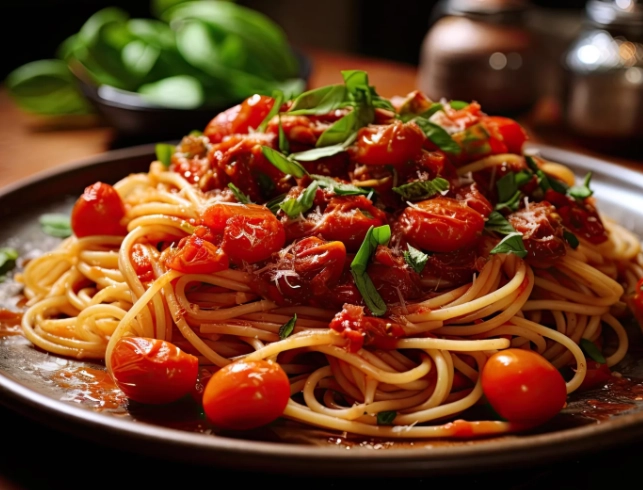
Overcomplicating the tomato sauce. For a quick regional tomato sauce (like for Pasta alla Norma or a simple arrabbiata), canned whole San Marzano tomatoes are king. Crush them by hand into the pan. Cook them just long enough to lose their raw tinny taste and meld with the garlic/oil base—15-20 minutes is often plenty. All-day sauces are for specific ragùs, not every application.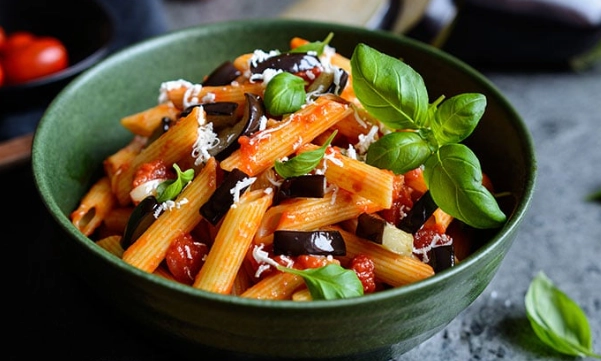
How To Make These Recipes Work On A Busy Weeknight
The "easy" part falls apart if it takes two hours on a Tuesday. Here's the real-world strategy.
Embrace the "partial prep." On Sunday, wash and chop your hearty vegetables (onions, carrots, celery, kale). Store them in airtight containers. Fry a batch of eggplant cubes and keep them in the fridge for up to 3 days—they'll reheat perfectly in your sauce. That makes Pasta alla Norma a 15-minute dish on Wednesday.
The slow-cooker or Instant Pot is your friend for soups. That Ribollita? You can sauté the soffritto in the morning, throw everything else in the slow cooker on low, and come home to a finished soup. Just stir in the bread when you get home.
Double the onion confit. When you make the Bigoli in Salsa, double or triple the onion and anchovy mixture. It keeps beautifully in the fridge for a week. Now you have an instant, incredible pasta sauce or a topping for crostini ready in the time it takes to boil water.
It's about working smarter, not harder. Italian home cooks, or casalinghe, are masters of this.
Your Questions, Answered
The journey into easy Italian regional recipes starts with a shift in perspective. It's not about replicating a restaurant plate. It's about embracing the resourcefulness and ingredient-focused philosophy of Italian home cooks. Pick one region that speaks to you. Master one dish from it. You'll find that the authenticity you're after comes not from complexity, but from understanding the simple logic behind the food. Now, go put that pot of water on to boil.
Related Articles

Authentic Italian Antipasti Recipes: A Guide to Traditional Appetizers
Easy Italian Regional Recipes: Authentic Dishes You Can Actually Make
Authentic Italian Meatballs Recipe: Nonna's Secret for Tender & Flavorful Polpette
Easy Italian Dinner Recipes You Can Make Tonight
Simple Italian Salad Recipes: Easy, Authentic & Delicious