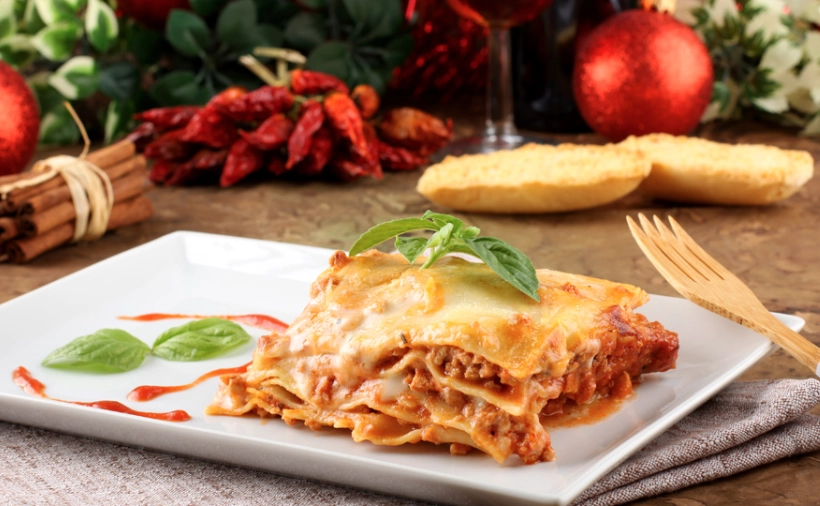
What Is Authentic Italian Food? A Guide to Regional Classics & Home Cooking
Ask about authentic Italian food, and most people will say pizza or spaghetti. But that’s like asking about American food and only getting hamburgers. You’re missing the point, and the depth. After spending years eating my way from the Alps to Sicily, I’ve learned that authenticity isn’t a single dish. It’s a philosophy. It’s regional pride. It’s the quiet, profound respect for a handful of perfect ingredients.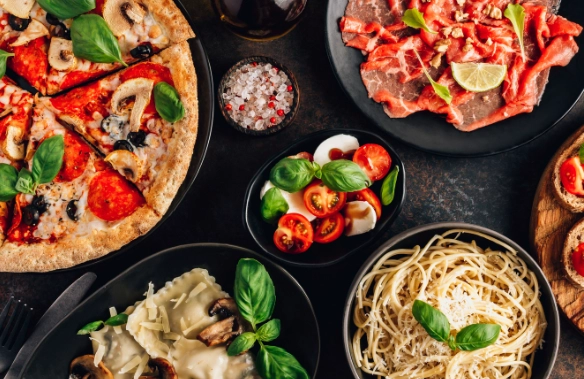
The most authentic Italian food is the one made by a nonna in her kitchen in Bologna, simmering a ragù for hours. It’s the seafood stew a fisherman’s family eats in Liguria. It’s the simple, sharp pleasure of bread, oil, and salt in Puglia. It’s defined by where it’s from, not by a globalized restaurant menu.
Your Quick Guide to Authentic Italian Food
What Does “Authentic” Really Mean in Italian Cooking?
Forget fancy. Think terroir—the taste of a place. Authenticity is inextricably linked to geography. Italy was unified less than 200 years ago. For centuries, its regions were separate kingdoms, republics, and city-states. They developed distinct languages, cultures, and pantries.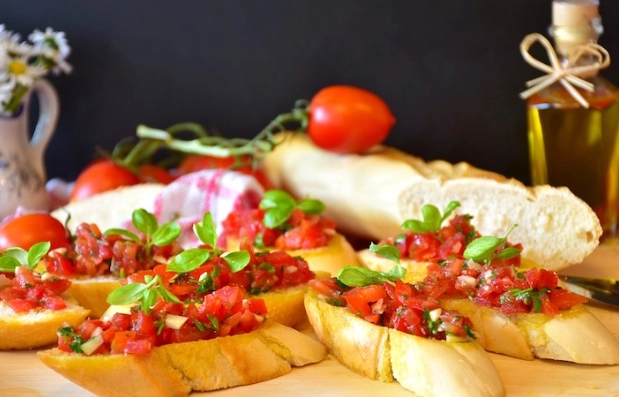
The food reflects this. The butter and cream of the north near France and Switzerland. The olive oil and tomatoes of the sun-baked south. The seafood of the coasts versus the hearty meats of the interior.
Here’s a non-consensus view most food blogs miss: Authenticity has less to do with a recipe being 500 years old and everything to do with ingredient integrity. The real magic of Italian cooking, the cucina povera (poor kitchen) tradition, is about making extraordinary food from ordinary things. It’s about knowing that a can of San Marzano tomatoes from Campania, a chunk of Parmigiano-Reggiano from Emilia-Romagna, and some good pasta are not just ingredients—they’re the result of specific soil, climate, and centuries of craft. Using them with respect is the authentic act.
So, the “most authentic” dish is the one that best expresses its region, its season, and the uncomplicated genius of Italian home cooking.
How to Experience Authentic Italian Food: A Regional Tour
Let’s move beyond the generic. Here’s a taste of what authenticity looks like across Italy’s major culinary regions. This isn’t an exhaustive list, but a starting point to rewire your expectations.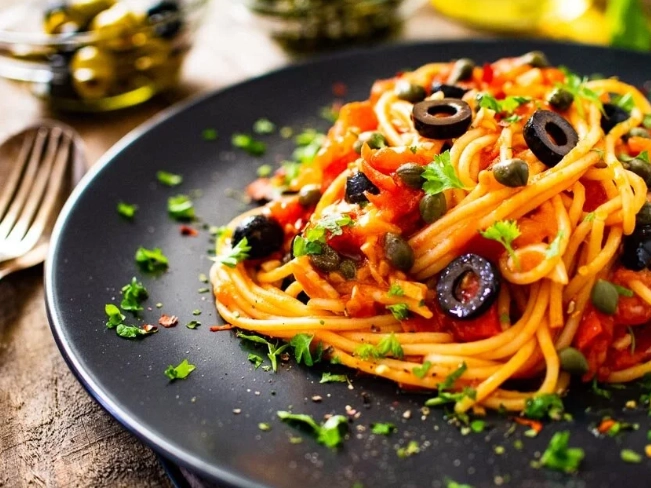
| Region | Heart of the Cuisine | Iconic Authentic Dishes (Beyond the Clichés) | What to Look For |
|---|---|---|---|
| Emilia-Romagna | Often called "Italy's food valley." Rich, egg-based pasta, cured meats, aged cheeses. | Tagliatelle al Ragù (never called “spaghetti bolognese” there). Tortellini in Brodo (tiny pasta in capon broth). Aceto Balsamico Tradizionale (the real, aged, expensive stuff). | Hand-rolled pasta, Parmigiano-Reggiano wheels, family-run salumerie. |
| Campania (Naples) | The home of pizza, vibrant tomatoes, seafood, and mozzarella di bufala. | Pizza Margherita (soft, charred crust, simple toppings). Spaghetti alle Vongole (with clams). Ragu Napoletano (a meaty, slow-cooked sauce often with larger pasta). | Wood-fired ovens, buffalo mozzarella, San Marzano DOP tomatoes. |
| Sicily | A crossroads of flavors: Arab, Greek, Spanish, Norman. Sweet, sour, savory, fried. | Pasta alla Norma (with eggplant, tomato, ricotta salata). Arancini (fried rice balls). Caponata (sweet & sour eggplant relish). Fresh Swordfish. | Street food markets, almond and pistachio pastries, wild fennel, sardines. |
| Tuscany | Rustic, hearty, and centered on superb grilled meats, beans, and unsalted bread. | Bistecca alla Fiorentina (T-bone steak from Chianina cattle). Ribollita (a thick vegetable and bread soup). Pappa al Pomodoro (tomato and bread soup). | Chianti wine, white beans (fagioli), extra virgin olive oil for dipping bread. |
| Liguria | Coastal, light cuisine with herbs, vegetables, and seafood. | Pesto alla Genovese (with basil, pine nuts, cheese, oil—no cream!). Focaccia di Recco (thin, crispy focaccia with stracchino cheese). Ciuppin (a fisherman's fish stew). | Terraced gardens, pesto mortars, focaccia bakeries. |
I remember sitting in a trattoria in Rome’s Trastevere neighborhood, far from the tourist crush. I ordered Cacio e Pepe. It came in a simple bowl: pasta, Pecorino Romano cheese, black pepper, and a bit of starchy pasta water. No cream, no butter, no extra cheese sprinkled on top. It was perfect. It was also incredibly difficult to make correctly—emulsifying the cheese and water into a smooth sauce is a skill. That dish, in that place, taught me more about authenticity than any fancy meal.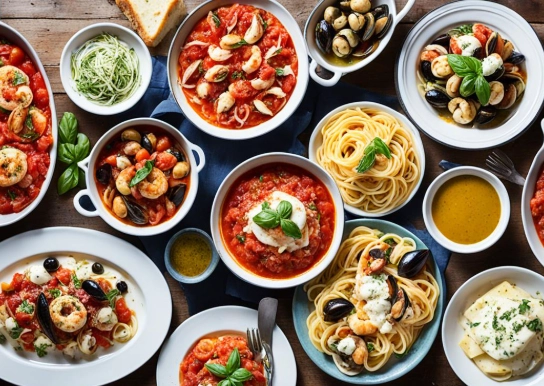
How to Spot a Truly Authentic Italian Restaurant (Anywhere)
You don’t need a plane ticket to find real Italian food. You need a sharper eye. Here’s what I look for, whether I’m in Milan or Manhattan.
1. The Menu is Small and Seasonal
An authentic place doesn’t try to cook the entire country. The menu is short, changes with the season, and focuses on the owner’s regional roots. If you see “Chicken Alfredo,” “Shrimp Scampi,” and “Fettuccine Carbonara” all on the same massive menu, walk away. That’s Italian-American, not Italian.
2. They Celebrate Specific Ingredients
The menu might list the origin of its olive oil (e.g., “Sabina DOP”), the type of tomatoes (“San Marzano”), or the farm where the mozzarella comes from. This pride in provenance is a huge green flag.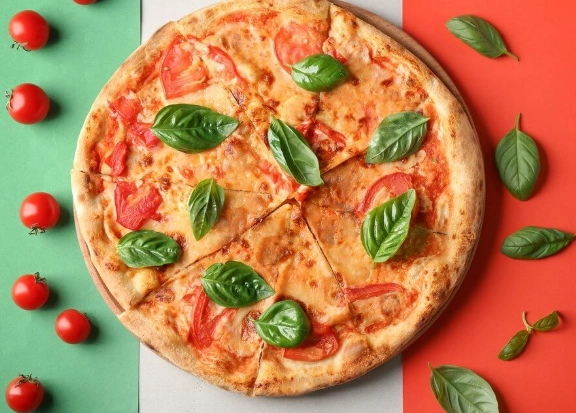
3. The Pasta is Served “Al Dente”
This is non-negotiable. Pasta should have a firm bite. Mushy, overcooked pasta is the hallmark of a kitchen that doesn’t care. Also, note that many authentic dried pasta shapes (like spaghetti, rigatoni) are meant to be factory-made. The real skill is in the sauce and the cooking time.
4. Look for the Locals
Are Italians eating there? Do you hear Italian spoken among the staff and regulars? This is one of the best indicators. In a city like New York, places like L’Artusi or Via Carota have this vibe—they’re polished but rooted in real technique.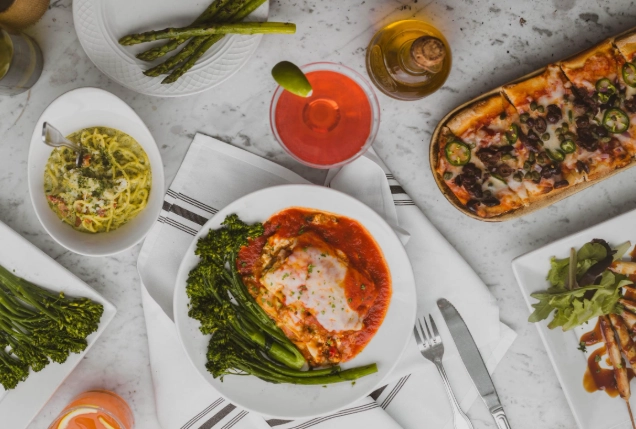
Bringing Authenticity Home: The Core Principles
You can cook authentically without a nonna by your side. Focus on these pillars.
Quality over Quantity: Buy the best ingredients you can afford, but use fewer of them. One great can of tomatoes is better than three mediocre ones. A small bottle of real extra virgin olive oil for finishing is worth it.
Respect the Pasta Water: Salt it like the sea. Save a cup of the starchy water before draining. It’s the key to silky, emulsified sauces that cling to the pasta.
Let Things Be Simple: Don’t add garlic to everything. Don’t put cheese on seafood pasta. Follow the classic combinations—they exist for a reason. A great resource for this is the work of chefs like Massimo Bottura, who innovates while deeply respecting tradition, or the essential writing of Marcella Hazan.
Cook with the Calendar: Make a hearty ribollita in winter when kale and cabbage are good. Make a fresh panzanella (bread and tomato salad) in summer when tomatoes are ripe. This connection to the season is the soul of the cuisine.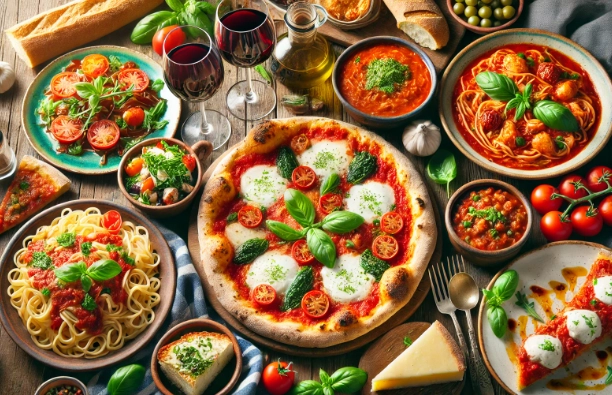
Your Authentic Italian Food Questions, Answered
So, what is the most authentic Italian food? It’s the dish that tells a story—of a place, a season, and a people who understand that the best flavors come from simplicity, care, and a deep connection to the land and sea. Start looking for that story, and you’ll never see a plate of pasta the same way again.
Related Articles
Authentic Italian Vegetarian Recipes: Classics Made Simple & Delicious
Simple Italian Sausage Recipes for Dinner: Easy & Flavorful Family Meals

Simple Italian Cocktail Recipes: Easy Classics & Modern Twists
Mastering Homemade Italian Pasta: A Complete Guide to Fresh Pasta Recipes

Still have to rely on Zhengzhou Foxconn? The truth about the swing between Apple