Easy Traditional Italian Recipes for Home Cooks
Let's be honest. When you think of "traditional Italian recipes," you might picture a nonna spending all day in the kitchen, simmering sauces for hours. It feels out of reach for a Tuesday night. I used to think that too, until I spent time cooking in a small family-run trattoria in Bologna. The biggest lesson? Authentic Italian home cooking is built on simplicity, not complexity. The goal isn't to impress with 20 ingredients; it's to highlight a few excellent ones. This guide is about stripping away the intimidation and getting to the heart of what makes Italian food so beloved: straightforward recipes that deliver incredible flavor.
What's Inside This Guide
The "Easy Italian" Mindset Shift
Forget the restaurant menu. Italian home cooking is regional, seasonal, and pragmatic. Dishes were created to use what was available. That's your key to making it easy.
You're not replicating a Michelin-starred plate. You're making a satisfying meal for your family. The difference is huge. It means a can of good tomatoes is a fantastic start. It means dried pasta is not a compromise—it's the standard. The authenticity comes from technique and respect for the core ingredients, not from obscure components.
I remember trying to make a "perfect" ragù for the first time, following a recipe that demanded three types of meat and six hours. It was good, but the stress made it taste sour. My friend's mother in Rome made a simpler version with just ground beef, tomato, onion, and carrot in about an hour. It was soul-warming. The lesson was clear: Don't let the perfect be the enemy of the delicious.
Your 5-Minute Italian Pantry Setup
You don't need a specialty store. With these staples, you can pivot to an Italian meal any night.
- Pasta: Keep two shapes: a long one (like spaghetti or linguine) and a short one (like penne or rigatoni). Look for "bronze-die cut" on the package—it has a rougher surface that holds sauce better.
- Canned Tomatoes: A couple of cans of whole peeled San Marzano or good-quality plum tomatoes. Whole tomatoes are often better quality than pre-crushed.
- Olive Oil: One bottle of decent extra-virgin olive oil for finishing dishes and salads, and a less expensive one for cooking.
- Garlic, Onion, Dried Chili Flakes: The flavor foundation.
- Parmigiano-Reggiano: Buy a small wedge and grate it yourself. The pre-grated stuff has anti-caking agents that ruin the texture.
- Salt: Kosher salt or sea salt. You'll use more than you think, especially in pasta water.
Mastering One Pot: The 15-Minute Pasta Formula
This is where the magic happens. Most classic Italian pasta sauces come together in the time it takes to boil water and cook the pasta.
The Universal Pasta Method
- Salt the water aggressively as it comes to a boil. It should taste like the sea.
- Start your sauce in a large skillet while the pasta cooks.
- Reserve a cup of pasta water before draining. This starchy liquid is gold.
- Drain the pasta (not too thoroughly) and add it to the skillet with the sauce.
- Add a splash of pasta water and toss, toss, toss over low heat. This emulsifies the sauce and makes it cling. This step is called "mantecatura" and is non-negotiable.
- Finish with a drizzle of raw olive oil or cheese off the heat.
Two Sauces to Rule Them All
Master these, and you've got 80% of weeknight Italian dinners covered.
1. Aglio e Olio (Garlic and Oil)
The ultimate pantry pasta. It's just garlic, oil, chili, and parsley. The trick is gently toasting the sliced garlic in plenty of oil until just golden, not brown. Brown garlic turns bitter. Add the chili flakes for the last 30 seconds. Toss with the pasta, pasta water, and a huge handful of chopped parsley. That's it. No cheese on this one—it's a purist's dish.
2. Pasta al Pomodoro (Tomato Sauce)
Forget the all-day simmer. Empty a can of whole tomatoes into a bowl and crush them with your hands. It's oddly satisfying. Sauté a minced garlic clove in olive oil for one minute, add the tomatoes, a pinch of salt, and a few basil leaves if you have them. Let it bubble for 10-12 minutes while the pasta cooks. Combine using the method above. Finish with basil and Parmigiano-Reggiano. The flavor is bright and clean.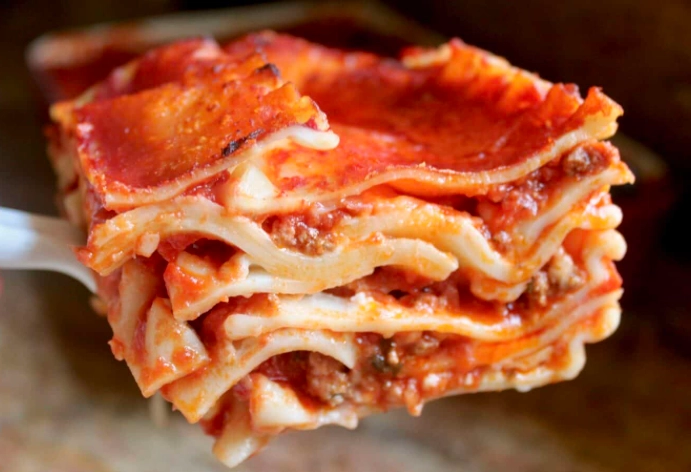
Beyond Pasta: Two No-Fuss Main Dishes
For when you want something that feels more like a centerpiece.
Chicken Piccata, Simplified
This lemony, caper-studded dish feels fancy but cooks in one pan in 20 minutes. The common error is overcomplicating the sauce.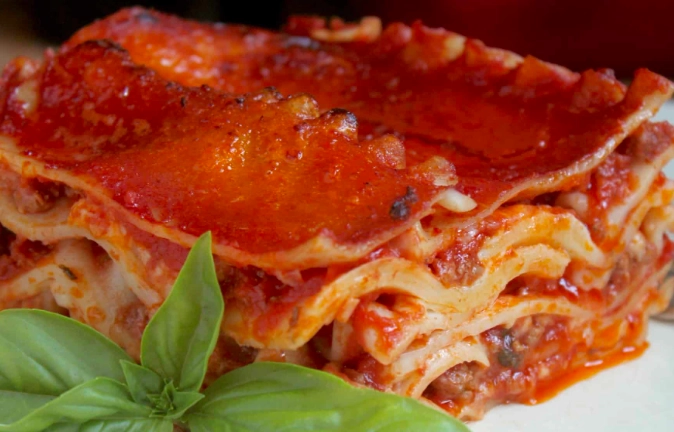
| Ingredient | Note |
|---|---|
| 2 boneless chicken breasts | Butterflied and pounded thin |
| Flour, salt, pepper | For dredging |
| 3 tbsp butter, divided | Unsalted gives you control |
| 2 tbsp olive oil | |
| 1/2 cup chicken broth | Low sodium preferred |
| Juice of 1 lemon | Fresh only |
| 2 tbsp capers | Rinsed if salted |
| Handful of parsley | Chopped |
Dredge the chicken in seasoned flour. Pan-fry in a mix of 1 tbsp butter and the oil for 3-4 mins per side until golden. Remove. To the same pan, add broth, lemon juice, and capers. Scrape up the browned bits (fond). Let it reduce by half. Off heat, swirl in the remaining 2 tbsp of butter to create a creamy, glossy sauce. Pour over the chicken, sprinkle with parsley. Serve with a simple green salad or orzo.
One-Pan Sausage and Peppers
This is a crowd-pleaser with almost zero active work. Use sweet or hot Italian sausages. Slice 2 bell peppers and 1 large onion. Toss everything on a sheet pan with a glug of oil, salt, and pepper. Roast at 400°F (200°C) for 25-30 minutes, turning halfway. That's it. Serve in crusty rolls as sandwiches, or over polenta. The high heat caramelizes the vegetables and crisps the sausage.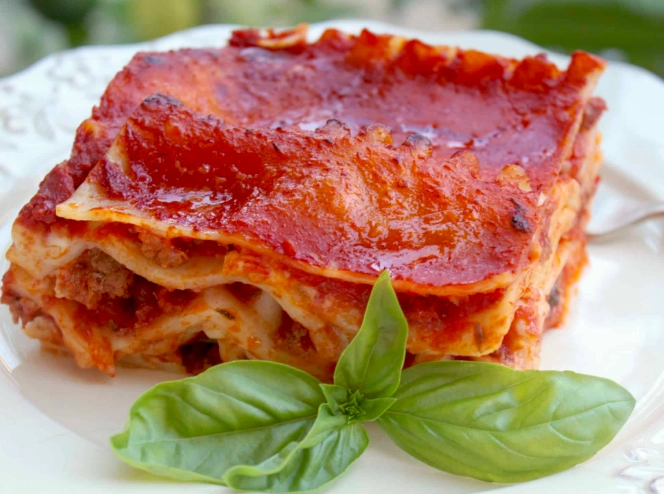
3 Mistakes Everyone Makes (And How to Fix Them)
These small tweaks make a massive difference.
1. The Pasta Pot is Too Small. You need a large pot with at least 4-6 quarts of water for 1 pound of pasta. Crowded pasta cooks unevenly and gets gummy. Give it space to swim.
2. Rinsing the Pasta After Draining. Never, ever do this unless you're making a cold pasta salad. You rinse away the starch that helps the sauce stick. Just drain it and go straight into the pan with your sauce.
3. Using the Wrong Pan for the Sauce. If you're doing the "mantecatura" finish, you must combine pasta and sauce in a pan or skillet large enough to toss them together. Don't just pour sauce over pasta in a bowl. The final toss in the pan is where the sauce and pasta become one dish.
Your Quick Weeknight Italian Game Plan
Let's make it actionable. Here’s a sample plan to get you started.
Monday: Spaghetti Aglio e Olio. Boil water, slice garlic, chop parsley. Dinner is done in 15 minutes flat.
Wednesday: One-Pan Sausage and Peppers. Prep takes 5 minutes, then the oven does the work. Free up time to set the table, make a salad.
Friday: Homemade "Pizza Night" hack. Use store-bought pizza dough or even focaccia. Top with your leftover roasted peppers and onions from Wednesday, some mozzarella, and a drizzle of oil. Bake until bubbly.
The rhythm is about building on what you already have and minimizing cleanup. One-pot, one-pan meals are your best friend.
Your Italian Cooking Questions, Answered
The real secret to easy traditional Italian recipes isn't a secret at all. It's confidence. Start with one dish—maybe the aglio e olio—and make it until you don't need the recipe. Get the water salty, toast the garlic just right, and toss it all together in the pan. That's where you'll find the true, simple joy of Italian cooking, right in your own kitchen.
Related Articles
Italian Pasta e Fagioli Soup Recipe: Authentic & Easy

Old Fashioned Italian Cookie Recipes: A Taste of Tradition

The scale of securities lending and securities lending has dropped by more than
Ultimate Vegetarian Pasta Recipes: Flavorful & Easy
Authentic Carbonara Recipe: Traditional Italian Pasta Without Cream