Traditional Italian Recipes by Region: A Culinary Journey from North to South
Let's cut to the chase. If you think Italian food is a monolith of pizza, pasta, and red sauce, you're missing the real story. The soul of Italy's cuisine isn't found in a single recipe book—it's etched into the landscape of its 20 distinct regions. The food from Sicily tastes of the sea and sun; from Piedmont, it whispers of foggy forests and truffles. Understanding traditional Italian recipes by region is the only way to truly cook—or eat—Italian food.
I learned this the hard way, asking for "spaghetti bolognese" in Bologna. The polite but firm correction I received was my first lesson. There is no such thing. There is tagliatelle al ragù. The pasta shape, the sauce name, the ingredients—they're all locked into a specific place. This article is your map to that delicious, intricate world.
What's on the Menu?
- Sicily: Where the Mediterranean Melts into the Plate
- Emilia-Romagna: The Heartland of Italian Comfort Food
- Campania: The Spiritual Home of Pizza and Pasta
- Piedmont: Truffles, Braised Meat, and the Taste of Autumn
- How to Start Cooking Regional Italian Food at Home
- Your Burning Questions on Italian Regional Cooking
Sicily: Where the Mediterranean Melts into the Plate
Sicilian food is a history lesson on a plate. Greek, Arab, Norman, Spanish—every conqueror left a flavor. It's bold, sweet-sour, and makes brilliant use of poverty ingredients.
The island's microclimates are insane. You get almonds, pistachios (the famous Bronte variety), blood oranges, and capers growing alongside each other. The sea provides sardines, tuna, and swordfish. This isn't subtle food. It's vibrant.
Pasta alla Norma: The Taste of Mount Etna
Named for Bellini's opera, this Catania classic is pure simplicity. The magic is in the fried eggplant. Most recipes tell you to salt and drain it. I skip that with modern, less-bitter varieties. Dice, fry in abundant olive oil until golden and creamy inside. That's the base.
The sauce is a quick sofrito of garlic, a pinch of chili, and the best crushed tomatoes you can find. Toss with the fried eggplant and short pasta like rigatoni. The final, non-negotiable touch: a snowfall of salted ricotta cheese (ricotta salata). Not Parmesan. The salty, granular ricotta salata is what makes it Sicilian. Without it, you just have pasta with eggplant.
Arancini: The Portable Feast
These fried rice balls are a street food icon. The filling defines the region. In Palermo, it's arancini al ragù—a meat sauce with peas and mozzarella. In Catania, it's arancini al burro, with ham, béchamel, and mozzarella.
The common mistake? Using plain boiled rice. You need a sturdy, flavored risotto base, usually saffron-infused, cooled completely. The coating of breadcrumbs must be tight. Fry at the right temperature (about 350°F/175°C) so the outside crisps before the inside gets greasy. It's a masterpiece of texture.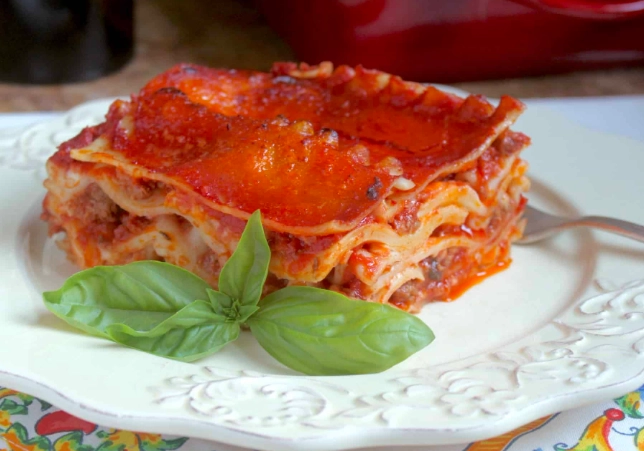
If You're in Palermo: Head to Ke Palle (Via Maqueda, 270). They've turned arancini into an art form, with creative fillings alongside classics. Expect to pay 3-4 euros for a large, meal-sized one. It's a must for lunch on the go.
Emilia-Romagna: The Heartland of Italian Comfort Food
This is Italy's food valley. Parmesan cheese (Parmigiano Reggiano), Prosciutto di Parma, traditional balsamic vinegar (Aceto Balsamico Tradizionale). The ingredients are royalty. The cooking is rich, centered on butter, pork, and slow-cooked sauces.
Tagliatelle al Ragù: The Real "Bolognese"
Forget everything you know about "spaghetti bolognese." The official recipe, deposited at the Bologna Chamber of Commerce, specifies tagliatelle (fresh egg pasta about 8mm wide) and a sauce called ragù.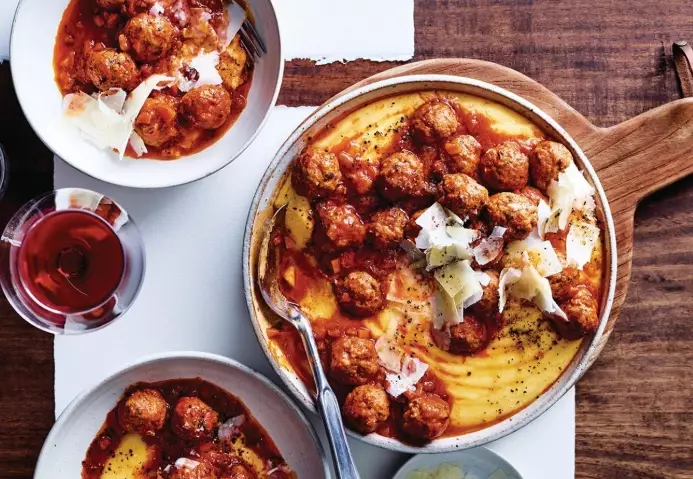
Here's the expert slip-up most make: they brown the meat too aggressively. In Bologna, you gently sweat a soffritto of onion, carrot, and celery in butter (or butter and oil). Add a mix of minced beef and pork (pancetta is common), and let it cook without taking color. Then, the key step—add whole milk and let it simmer away. This tenderizes the meat. Then, a splash of white wine, and finally, a small amount of tomato paste or passata. It then cooks for a minimum of two hours. The result is a creamy, meaty, pale-red sauce that coats the pasta, not drowns it.
Tortellini in Brodo: The Ultimate Comfort
These tiny, hat-shaped stuffed pasta parcels served in a clear capon or beef broth are the definition of culinary warmth. The filling is a finely minced blend of pork, prosciutto, mortadella, Parmigiano, and nutmeg. The broth must be crystal clear and deeply flavorful.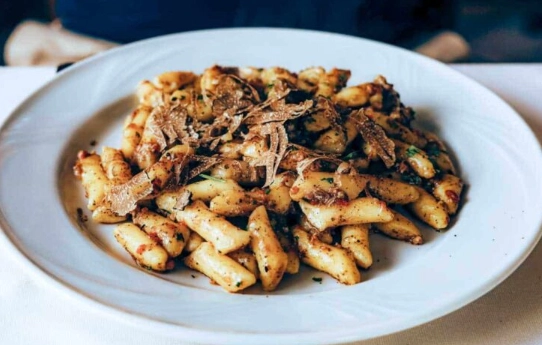
Making them from scratch is a labor of love. In Modena or Bologna, you'll find nonnas doing it by the hundreds. For a home cook, finding a reputable fresh pasta shop that makes them is the best bet. The beauty is in their delicacy. They are not a vehicle for a heavy sauce; they are the star, with the broth as their supporting actor.
Campania: The Spiritual Home of Pizza and Pasta
Naples. The chaotic, vibrant birthplace of pizza and so much of pasta culture. The volcanic soil around Vesuvius grows San Marzano tomatoes. The water and climate are said to be perfect for mozzarella di bufala. This is food with passion.
Pizza Margherita: The Rules Are Everything
Authentic Neapolitan pizza has rules protected by the Associazione Verace Pizza Napoletana (AVPN). The dough is a simple mix of "00" flour, water, salt, and yeast, kneaded and left to rise for hours. It's hand-stretched, never rolled.
The toppings: San Marzano tomatoes, fior di latte or buffalo mozzarella, fresh basil, extra virgin olive oil, and salt. It cooks in a wood-fired oven at around 905°F (485°C) for 60-90 seconds. The crust should be soft, elastic, and charred in spots (leopard spotting). The center can be wet. That's not undercooked; that's the puccia, the soul of the pizza. Trying to replicate this without a proper oven is the biggest home-cook challenge.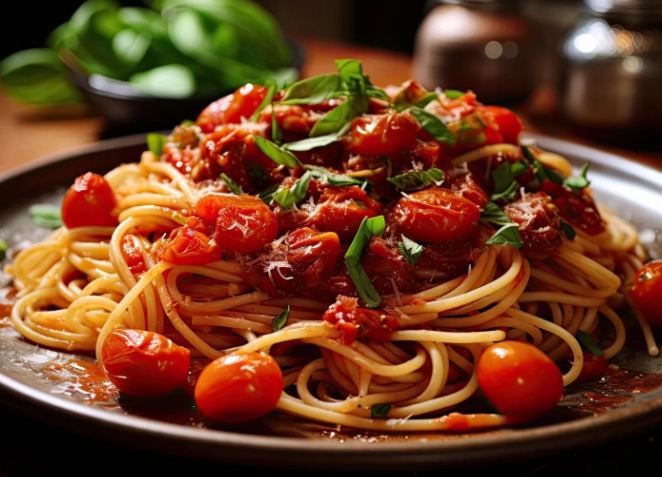
The Pilgrimage in Naples: L'Antica Pizzeria da Michele (Via Cesare Sersale, 1). It's historic, no-frills, and only does Margherita and Marinara. Expect a long queue. A pizza costs around 5-6 euros. For a slightly more varied menu but equal authenticity, Gino e Toto Sorbillo (Via dei Tribunali, 32) is another institution.
Spaghetti alle Vongole: The Taste of the Sea
This seems simple: spaghetti, clams, garlic, parsley, olive oil, maybe white wine. The devil's in the details. Use small, live vongole veraci (Mediterranean clams). Purge them in salted water. Cook the garlic gently in oil—don't burn it. Add the clams and a splash of wine, cover. As soon as they open, remove them from their shells, keeping a few in shell for presentation.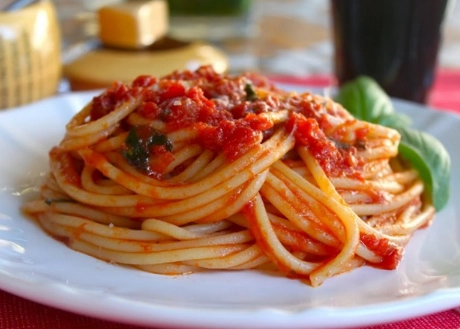
Toss the cooked spaghetti in the clam juice left in the pan. The pasta finishes cooking in that briny liquid. Off heat, add back the clams, a huge handful of fresh parsley, and a generous drizzle of raw, peppery olive oil. No cheese. Ever. The clam is the star.
Piedmont: Truffles, Braised Meat, and the Taste of Autumn
In the foggy northwest, near France, the food is elegant and earthy. It's the land of the white truffle of Alba, robust Barolo wine, and rich, slow-cooked meats. Butter and cream are favored over olive oil.
Vitello Tonnato: A Cold Masterpiece
This sounds odd: cold, sliced veal covered in a creamy tuna sauce. Trust me. It works. The veal (or often, more affordably, turkey or pork loin) is poached until tender. The sauce is a blend of good-quality canned tuna, capers, anchovies, lemon juice, and mayonnaise or olive oil, blitzed until silky smooth.
The key is letting it marry. Assemble the dish—sliced meat, sauce poured over—and let it chill for at least 24 hours. The flavors meld into something uniquely savory, briny, and refreshing. It's a classic summer dish that showcases Piedmont's love for sophisticated, prepared-ahead food.
Agnolotti del Plin: The "Pinched" Pasta
These are small, rectangular pockets of fresh pasta, "pinched" (plin in dialect) closed. The traditional filling is a roast meat mixture (often veal, pork, and rabbit) blended with vegetables and Parmigiano. They are typically served al sugo d'arrosto—tossed simply in the roasting juices from the meat used in the filling.
It's a nose-to-tail, waste-not dish that exemplifies the region's rustic elegance. Each family has its own exact filling ratio, a closely guarded secret.
How to Start Cooking Regional Italian Food at Home
You don't need to move to Italy. Start with one region that calls to you. Invest in two or three of its core ingredients. For Emilia-Romagna, that's real Parmigiano Reggiano and a good chunk of pancetta. For Campania, it's San Marzano tomatoes (look for DOP on the can) and decent dried pasta.
Master one iconic dish from that region. Get obsessive about it. Watch videos from cooks from that area. Read the recipe from the Accademia Italiana della Cucina or a regional culinary consortium website for the most authoritative version.
The Single Best Tip: Focus on technique over ingredients at first. Learning how to properly sauté a sofrito (the onion/carrot/celery base), how to toast pasta in the pan before adding liquid (risottare), or how to finish pasta in its sauce (mantecare) will improve every Italian dish you make, regardless of region.
Don't try to substitute wildly. If a Sicilian recipe calls for wild fennel, dried oregano will give a different result. Understand what that ingredient provides—an anise note, an earthy herbiness—and find the closest local equivalent, or order the real thing online. The difference is tangible.
Your Burning Questions on Italian Regional Cooking
The journey through Italy's regional recipes never really ends. There's always another valley, another village, another nonna with a slight variation. That's the joy of it. Start by cooking one dish deeply and correctly. Taste the history. That's how you eat Italian.
Related Articles
Authentic Italian Minestrone Soup Recipe: A Hearty Classic
Authentic Italian Cuisine Recipes: From Classics to Regional Secrets
Authentic Gremolata Recipe: The Simple Italian Condiment That Elevates Any Dish

The "half-year report" of the economy of 31 provinces is released: Inner Mongoli
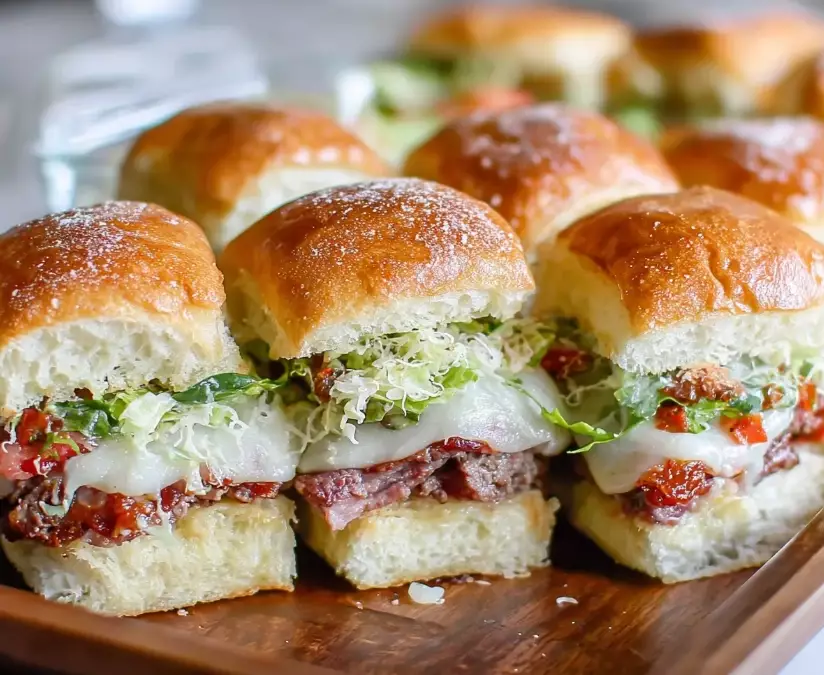
Ultimate Italian Sliders Recipe: Party-Perfect and Irresistible