Authentic Italian Dinner Recipes: Classics for Your Table
Let's be honest. Most of us think we know Italian food. Spaghetti with meatballs, fettuccine alfredo, chicken parm. But here's the thing I learned after cooking in a family-run trattoria in Bologna for a summer: what's served abroad is often a distant, heavy cousin of the real deal. A traditional Italian dinner isn't about piles of cheese and rich cream sauces. It's about balance, regional pride, and letting a few fantastic ingredients sing.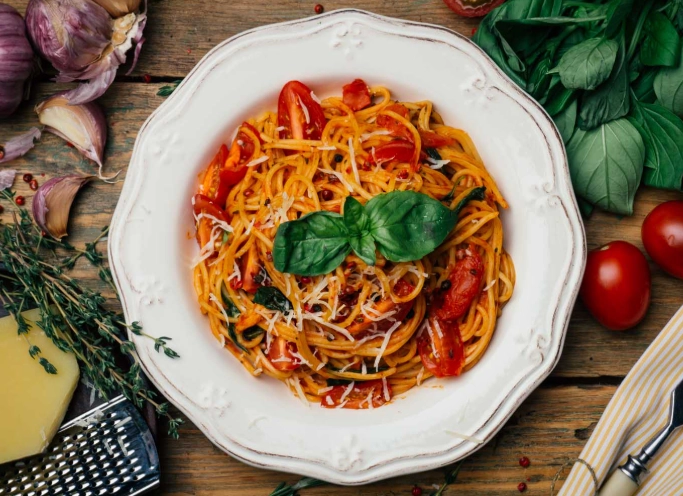
I remember serving a table of Americans who sent back their osso buco because it "wasn't saucy enough." The chef just sighed. The magic was in the tender meat and the gremolata, not a pool of gravy. That experience taught me that cooking Italian is as much about understanding the philosophy as following the recipe.
What's Cooking Tonight?
How to Master the Art of Italian Antipasti
Don't think of this as just an appetizer. It's the opening act, designed to stimulate the appetite, not ruin it. A common misstep is making it too complicated or heavy.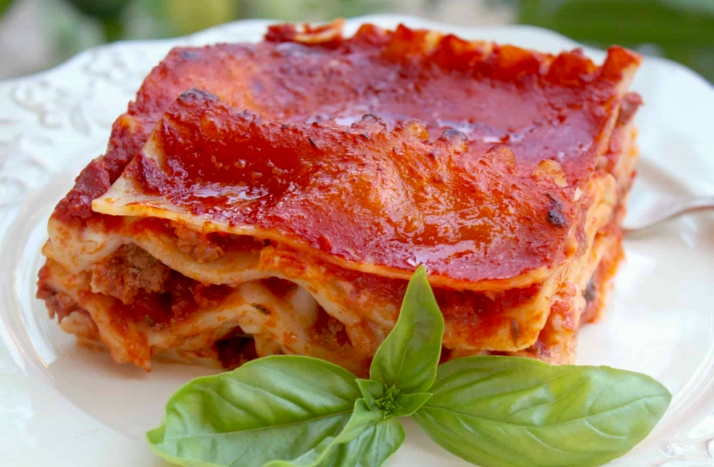
In a home setting, think simple, high-quality components arranged on a large board or plate:
- Prosciutto di Parma or San Daniele: Look for the official DOP stamp. It should be sliced paper-thin, almost melting. Avoid pre-packaged, thick-cut versions.
- Fresh Melon or Figs (in season): The sweet-salty combo is classic for a reason.
- Marinated Olives: Warm them gently in a pan with a splash of olive oil, a strip of orange zest, and a rosemary sprig.
- Bruschetta: Not the soggy, diced-tomato-on-toast you often see. Rub a grilled slice of rustic bread with a cut garlic clove, drizzle with your best extra virgin olive oil, and add a simple topping. My favorite? Cannellini beans mashed with olive oil and sage.
Keep it to 2-3 items. The goal is conversation and a gentle start.
What is the Secret to Perfect Pasta? (Beyond Al Dente)
Everyone talks about cooking pasta al dente. That's step one. The real secret is what happens next: the mantecatura.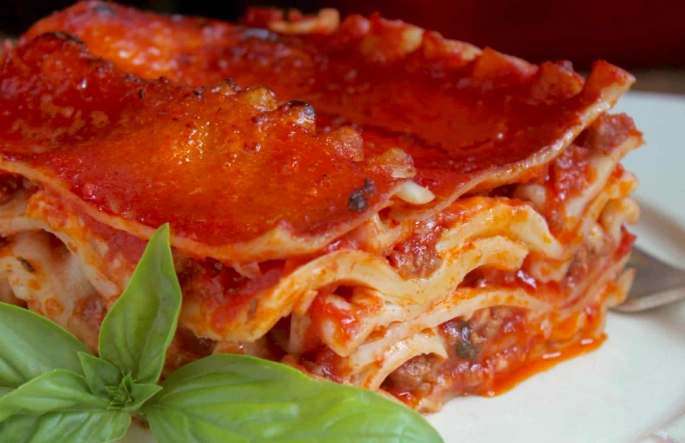
This is the process of finishing the pasta in the sauce. You drain the pasta a minute or two before it's fully cooked, reserving a cup of the starchy cooking water. Then, you toss the pasta in the pan with your sauce, adding splashes of that starchy water. The emulsification that happens creates a creamy, cohesive dish where the sauce clings to every strand or shape. It's the difference between sauce sitting on top of pasta and sauce being part of the pasta.
Two Can't-Fail Pasta Recipes for Dinner
1. Spaghetti alla Carbonara (The Right Way): No cream. Ever. The sauce is just eggs (whole eggs, or yolks and whole, debated by nonnas everywhere), Pecorino Romano cheese, black pepper, and guanciale (cured pork cheek). The heat from the hot pasta cooks the eggs into a silky coating. The trick is to mix the egg and cheese off the heat to avoid scrambling.
2. Pasta al Pomodoro (The Ultimate Test): Sounds simple—tomato sauce. But to make a sublime one, start with a soffritto of finely chopped onion (maybe a little carrot) cooked slowly in olive oil until sweet. Add high-quality canned San Marzano tomatoes (look for the DOP certification from the Italian Ministry of Agricultural, Food and Forestry Policies). Simmer for 20-30 minutes, just until it thickens. Fresh basil at the end. That's it. If your sauce needs sugar, your tomatoes weren't good enough.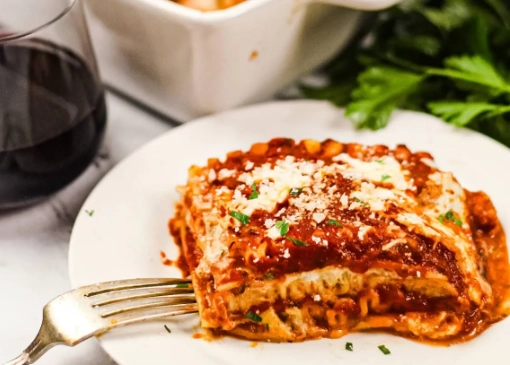
The Main Event: Hearty Secondi That Define a Region
This is the centerpiece. In Italy, you often wouldn't have pasta and a heavy meat dish. If pasta is the primo, the secondo is usually lighter—a piece of grilled fish or a cutlet. But for a full dinner spread, these are the showstoppers.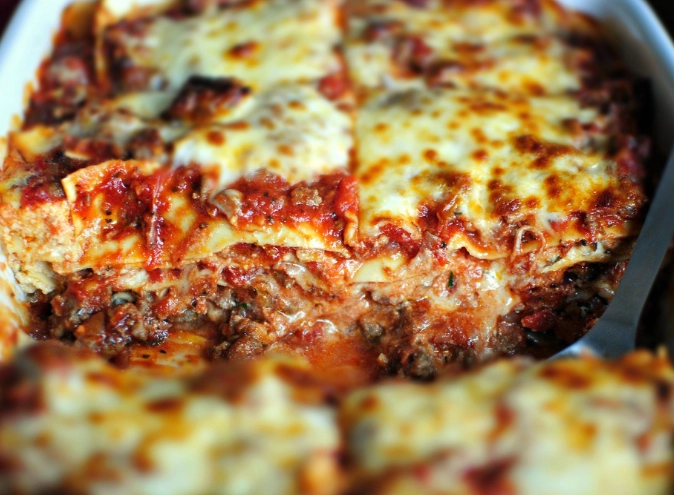
Eggplant Parmigiana (Parmigiana di Melanzane) - Southern Italy
Forget the breaded, fried slabs under a mountain of mozzarella. The authentic version is more like a layered casserole. You slice eggplant, salt it to draw out bitterness, grill or lightly fry the slices, then layer them in a baking dish with tomato sauce, fresh basil, and a light sprinkling of grated Parmigiano-Reggiano or a mix with Pecorino. It's lighter, more about the vegetable, and absolutely delicious at room temperature the next day.
Osso Buco alla Milanese - Northern Italy
Braised veal shanks, fall-off-the-bone tender. The key is the initial sear for flavor and the long, slow braise in white wine and broth with a soffritto. The signature touch is the gremolata—a fresh chop of lemon zest, garlic, and parsley sprinkled on top just before serving. It cuts through the richness like a bright knife. Serve it with a saffron risotto (Risotto alla Milanese) on the side. That's a proper Milanese dinner.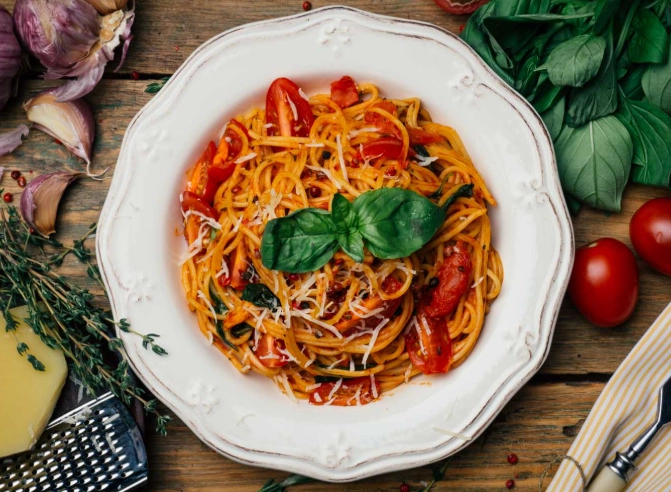
3 Mistakes That Scream "Tourist" in Your Italian Cooking
After years of cooking and eating there, these are the giveaways.
1. Garlic Overload. Italian cooking uses garlic as a subtle aromatic, not a primary flavor bomb. Often, a whole clove is just warmed in oil and then removed. Burning garlic is a cardinal sin—it turns bitter and ruins the entire dish.
2. Drowning in Cheese. Cheese is a seasoning or a final touch. You don't blanket every dish in molten mozzarella. Parmigiano-Reggiano on a pasta dish is grated finely, not shredded in clumps. And you'd never put cheese on a seafood pasta—that's a major taboo.
3. The "Everything Sauce." There is no universal "red sauce." A ragù for lasagna is different from a quick pomodoro for spaghetti, which is different from a puttanesca. Each has its own ingredient list and technique. Treating them as interchangeable misses the point of regional variety.
The 30-Minute Weeknight Hack for an Italian Vibe
No time for a three-hour ragù? I get it. Here's my go-to: Pasta with Sausage and Broccoli Rabe (Orecchiette con Cime di Rapa).
Boil your orecchiette. In a large pan, sauté spicy Italian sausage (casings removed) in olive oil. Add a pinch of red pepper flakes and a few cloves of sliced garlic. Throw in chopped broccoli rabe (or broccolini if rabe is too bitter for you). Add a ladle of pasta water to help it steam. When the pasta is done, toss it into the pan with everything, a generous drizzle of raw olive oil, and a handful of toasted breadcrumbs for crunch instead of cheese. It's savory, spicy, green, and feels utterly Italian without the fuss.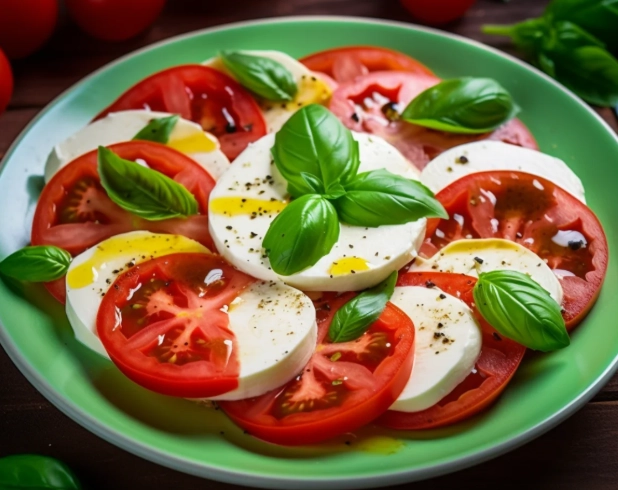
Your Italian Dinner Questions, Answered
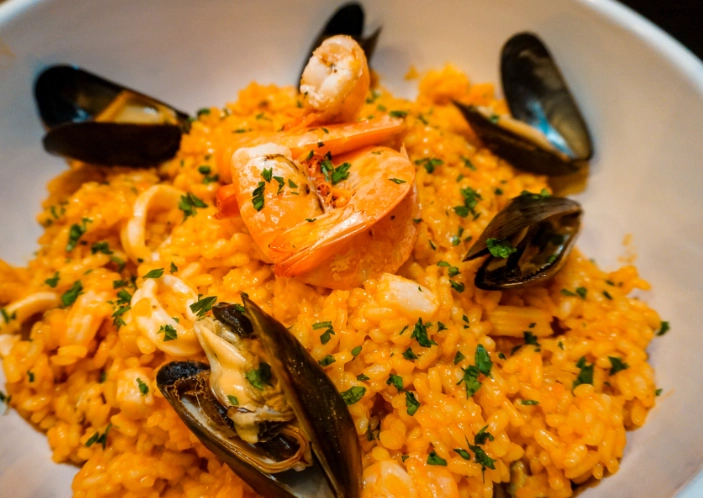
The heart of an Italian dinner isn't complexity. It's confidence in your ingredients and respect for the process. Start with one dish—maybe that perfect Pomodoro or a simple antipasto board. Master the mantecatura. Taste as you go. Before you know it, you're not just making dinner; you're hosting a little piece of Italy at your table. And trust me, that's better than any restaurant reservation.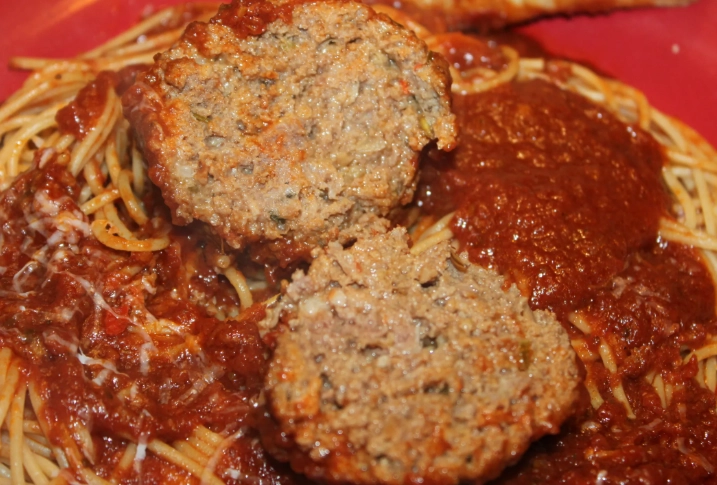
Related Articles
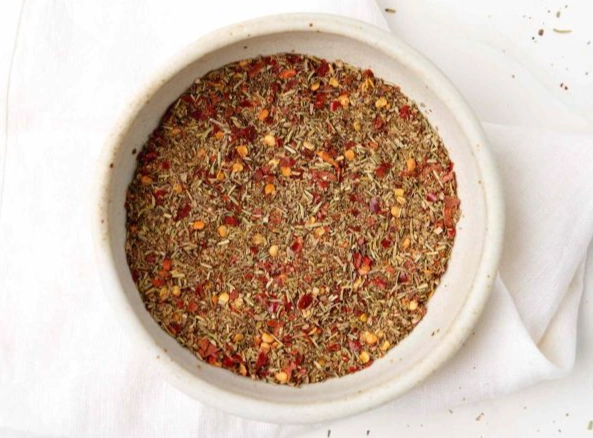
Unlock Flavor: 5 Essential Italian Seasoning Recipes & Pro Tips
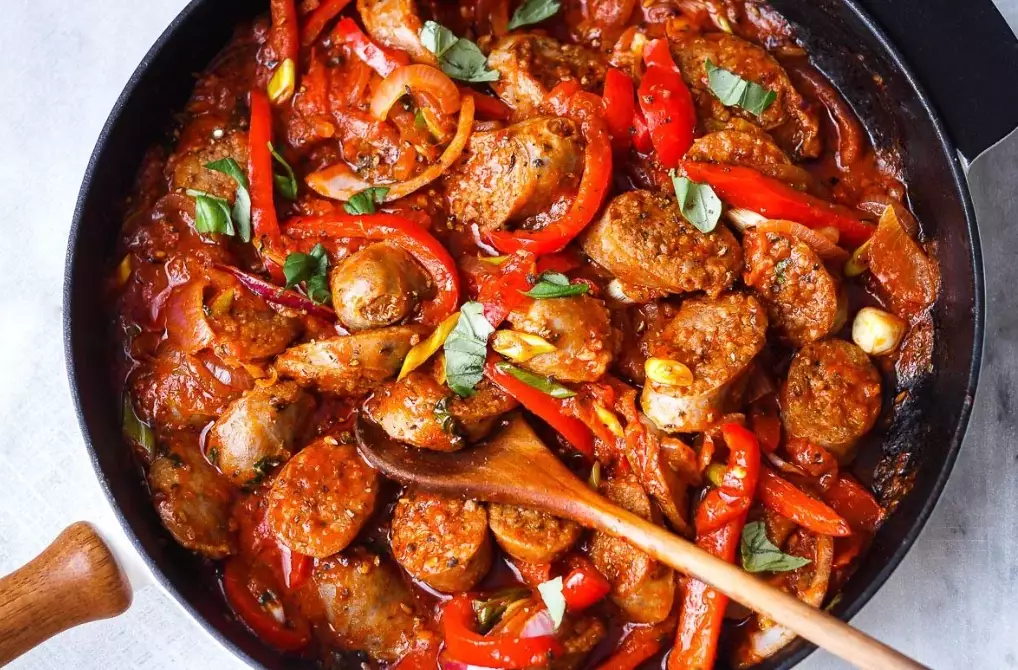
Authentic Italian Sausage Recipe: Tips from a Butcher
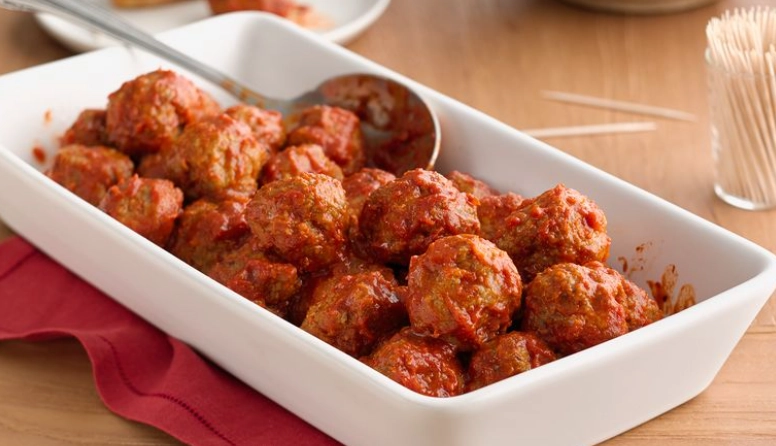
Ultimate Guide to Italian Meatball Recipes: From Classic to Creative
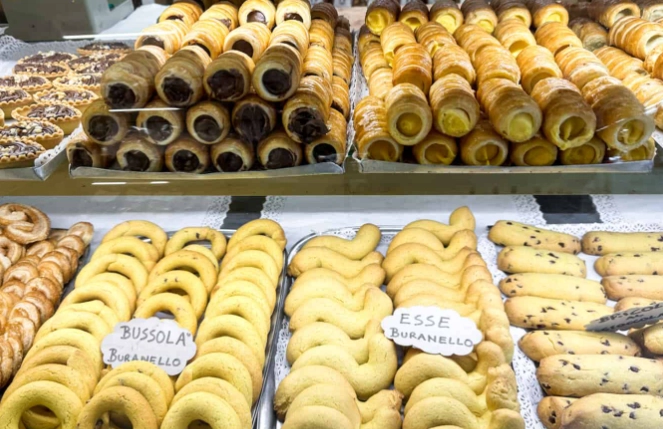
The Most Popular Cookie in Italy: A Guide to Italian Biscotti
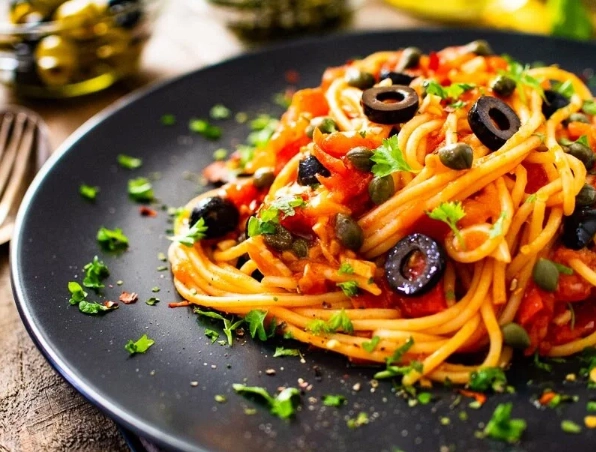
What Is the Most Popular Italian Dish? Top Contenders Revealed