Traditional Italian Recipes from Scratch: The Heart of Home Cooking
Quick Guide
Let's get one thing straight right off the bat. When we talk about traditional Italian recipes from scratch, we're not just talking about following a list of steps. We're talking about a mindset. A way of thinking about food that has less to do with fancy techniques and more to do with respect—for the ingredients, for the process, and for the people you're feeding.
I learned this the hard way. My first attempt at a "from scratch" pasta sauce involved dumping a can of crushed tomatoes into a pot, adding every herb in my spice rack, and wondering why it tasted, well, flat. Like something was missing. It wasn't until I spent time with a friend's nonna in a small town outside Bologna that the penny dropped. The magic isn't in complexity. It's in simplicity, executed with care and the right raw materials. That's the soul of traditional Italian cooking.
In Italy, 'from scratch' doesn't mean starting with a supermarket tomato. It means understanding where that tomato came from, what variety it is, and what its purpose is in the dish. It's a connection to the ingredient's story.
This guide is my attempt to pass on that lesson. We'll ditch the shortcuts and the preconceptions. We'll dig into what it truly means to cook Italian food from the ground up. It's easier than you fear, and more rewarding than you can imagine.
The Philosophy Behind "Fatto in Casa" (Made at Home)
Before we even touch a spoon, let's clear the air. The goal here isn't restaurant-level plating or 50-ingredient masterpieces. The goal is fatto in casa—home-made. It's food that tastes reassuringly real. This philosophy rests on three pillars that are non-negotiable if you want authentic results.
The Three Non-Negotiables of Scratch Cooking
- Quality of Ingredients is Paramount: You cannot make a sublime dish from mediocre ingredients. Full stop. In traditional Italian recipes from scratch, the ingredient is the star. A ripe, in-season tomato needs little help. A bland, watery one has no hope.
- Simplicity is a Strength, Not a Weakness: Most iconic dishes have fewer than 5-8 key ingredients. The skill lies in balancing them perfectly. Think Cacio e Pepe: cheese, pepper, pasta water. That's it. Mastering these simple dishes is the real test.
- Time is an Ingredient: Rushing is the enemy. A ragù simmers for hours. Dough rests. Flavors marry. This isn't slow cooking for the sake of it; it's chemistry. Heat and time transform basic components into something complex and deep.
I see a lot of recipes online that claim to be "authentic" but then suggest using garlic powder or dried parsley. Just don't. If the nonna wouldn't recognize it in her pantry, think twice. This adherence to real, whole ingredients is what separates a true traditional Italian recipe from scratch from a mere imitation.
The Core Ingredients: Building Your Italian Pantheon
You don't need a pantry stuffed with exotic items. You need a few excellent staples. Getting these right is 80% of the battle. Let's break down the essentials.
Flour, Water, Eggs: The Trinity of Pasta & Bread
Not all flour is created equal. For most fresh pasta, you want "00" flour ("doppio zero"). It's finely milled, soft, and gives that signature silky, elastic texture. For a more rustic chew, some mix in semolina rimacinata (finely ground durum wheat).
| Flour Type | Best For | Texture it Creates | My Personal Take |
|---|---|---|---|
| "00" Flour | Egg pasta (tagliatelle, pappardelle), tender doughs | Silky, smooth, delicate | The gold standard. Worth sourcing online if your local store doesn't carry it. |
| Semola Rimacinata | Southern Italian pasta (orecchiette), bread | Firm, hearty, golden color | Adds a wonderful nutty flavor. Can be tough to work with alone for beginners. |
| All-Purpose Flour | Can be used in a pinch for pasta, good for pizza dough | Softer, less elastic than "00" | It works, but you'll notice the difference. The pasta is more prone to tearing. |
And about eggs? Use the best you can find. Truly free-range eggs with deep orange yolks make pasta that's vibrantly yellow and rich in flavor. It's a visual and taste upgrade you can't ignore.
Tomatoes: The Heart of the Sauce
This is where most people go wrong. A can of generic "Italian style" tomatoes will give you a generic sauce. For traditional Italian recipes from scratch, you need to be picky.
San Marzano DOP: These are the royalty of cooking tomatoes. Grown in the volcanic soil near Naples, they are longer, thinner, have fewer seeds, and a sweeter, less acidic taste. The "DOP" label is crucial—it's a protected designation of origin that guarantees authenticity. They are more expensive, but for a simple tomato sauce (sugo di pomodoro), they are transformative. You can find information on official DOP certifications on the Italian Ministry of Agricultural, Food and Forestry Policies website, which helps verify genuine products.
For cooked sauces like a ragù, whole peeled plum tomatoes (even if not San Marzano) are better than pre-crushed. You control the texture. Crush them by hand right in the bowl. It's oddly satisfying and gives a rustic, variable texture that's perfect.
Olive Oil, Cheese, Cured Meats
Extra Virgin Olive Oil (EVOO): Your finishing oil should be your best bottle—fruity, peppery, vibrant. Use it raw on soups, pastas, bruschetta. For cooking, a decent but less expensive EVOO is fine. Never use "light" olive oil or vegetable oil where EVOO is called for in a traditional recipe.
Cheese: Please, for the love of all that is good, buy blocks and grate them yourself. Pre-grated cheese contains anti-caking agents (like cellulose) that make it clumpy and prevent it from melting smoothly into a sauce. Parmigiano-Reggiano (aged 24 months minimum) and Pecorino Romano are the two pillars. They are not interchangeable. Parmigiano is nutty and umami from cow's milk; Pecorino is sharper, saltier, from sheep's milk.
Pancetta vs. Guanciale: This is a hill many Italian cooks will die on. For a true Roman Carbonara or Amatriciana, guanciale (cured pork cheek) is traditional. It's fattier and has a more complex, gamey flavor than pancetta (pork belly). Pancetta works if you can't find guanciale, but it's a different dish. I made Carbonara with bacon once in a desperate moment. Never again. The smokiness completely overpowered the delicate egg and cheese balance.
Essential Tools (You Probably Already Have Most)
You don't need a pasta machine to start. Really. Here's a realistic list, ranked by importance.
- A Heavy-Bottomed Pot: For sauces that simmer for hours without scorching. Enameled cast iron is perfect.
- A Large Wooden Cutting Board: For kneading pasta dough. Wood is forgiving and doesn't slip.
- A Good Chef's Knife and a Bench Scraper: The knife for prepping. The bench scraper (a dough cutter) is a $5 miracle tool for cleaning your work surface, portioning dough, and lifting chopped veggies.
- A Rolling Pin: A classic, long wooden one. No handles. It gives you more control than a short pin with ball bearings.
- A Large Colander and a Spider Skimmer: For draining pasta and fishing out gnocchi or ravioli.
- A Food Mill (Passatutto): This is the secret weapon for perfectly smooth, seed-free tomato sauce without the bitterness of a blender's metal blade. It's an old-school tool that's utterly brilliant.
A pasta machine is great for consistency, especially with filled pasta. But learning to roll by hand first gives you a feel for the dough's texture you can't get from a machine. Start with the pin.
Foundational Recipes: Your Scratch Cooking Journey
Let's move from theory to practice. These four recipes are the cornerstones. Master these, and you'll have the skills and confidence to tackle hundreds of other dishes.
1. The Ultimate Tomato Sauce (Sugo di Pomodoro)
This is the test. A sauce with nothing to hide. It's just tomatoes, a bit of onion, olive oil, and salt. The quality of each component screams through.
What You'll Need: 1 can (28 oz) San Marzano DOP tomatoes, 1/4 cup good EVOO, 1/2 a small yellow onion (peeled, not chopped), salt.
The Method (It's barely a recipe):
- Pour the tomatoes into a bowl and crush them thoroughly with your hands. You want a chunky pulp.
- In your heavy pot, heat the EVOO over medium-low heat. Add the whole half onion. Let it sizzle gently for about 5 minutes until it softens and perfumes the oil. We're flavoring the oil, not eating the onion.
- Add the crushed tomatoes and their juice. Add a generous pinch of salt. Stir.
- Let it come to a bare simmer—just a few lazy bubbles. Partially cover and let it cook like this, undisturbed, for at least 45 minutes, up to 90. Stir occasionally.
- The sauce is done when it has thickened slightly, the oil has separated and floats in red pools on the surface, and the flavor is sweet and concentrated. Remove and discard the onion half.
That's it. No garlic. No basil during cooking (it turns black). Add fresh basil leaves at the very end if you like. Taste it. This is what a tomato should taste like. This sauce is the base for so many traditional Italian recipes from scratch.
2. A Slow-Simmered Meat Ragù (Not "Bolognese")
Calling all meat sauces "Bolognese" is a pet peeve of mine. A true Ragù alla Bolognese is a specific recipe from Bologna, often containing milk. This is a more general, hearty meat sauce. It's a Sunday project. The longer it cooks, the better it gets.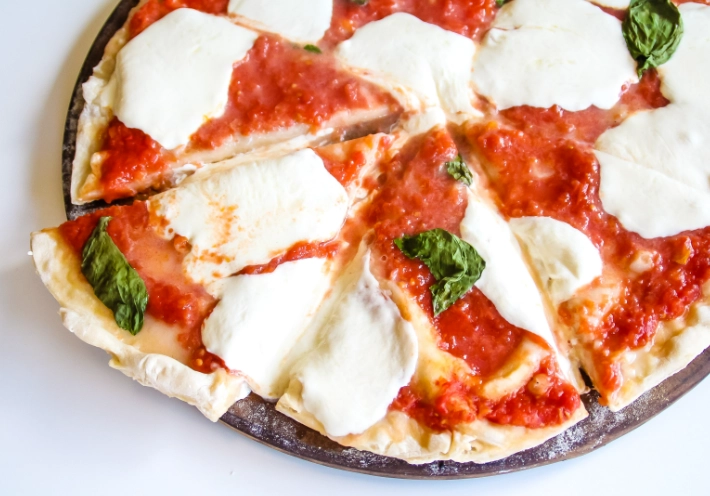
The Holy Trinity (Soffritto): This is the flavor base of so many Italian dishes. Finely, finely dice one carrot, one celery stalk, and one small onion. The pieces should be tiny—almost a paste. This requires patience. A food processor can help, but it can also turn it to mush, so pulse carefully.
My Soffritto Mistake: I used to chop my soffritto too big. The vegetables never melted away, leaving crunchy bits in my otherwise silky sauce. It took a chef pointing it out for me to realize my error. Now I take the extra five minutes. It makes all the difference.
Cook the soffritto in olive oil (and a little butter, if you're feeling indulgent) over low heat until it's utterly soft and sweet, about 15 minutes. No color. Then add your ground meat—a mix of beef and pork is ideal. Let it brown well. Deglaze with a splash of white wine, let it evaporate, then add tomatoes (passata or crushed) and a little broth. Bring to a simmer, then reduce the heat to the lowest possible setting. Let it bubble gently, uncovered, for a minimum of 3 hours, stirring now and then. You're looking for a thick, cohesive sauce where the meat is tender and the flavors are one. Season with salt and a tiny pinch of nutmeg at the end.
This is not a fast food. It's a ritual. The smell filling your house is part of the reward.3. Handmade Egg Pasta (Pasta all'Uovo)
This is the crown jewel. The act of making pasta dough by hand connects you to centuries of tradition. It's tactile, meditative, and surprisingly forgiving.
The classic ratio is 100 grams of "00" flour per 1 large egg. For two servings, start with 200g flour and 2 eggs. Mound the flour on your board, make a well in the center, crack in the eggs. With a fork, slowly start incorporating the flour from the inner walls of the well into the eggs. Once it becomes a shaggy mass, use your hands to knead.
Knead for a solid 8-10 minutes. You want it smooth, elastic, and just slightly tacky—not sticky. If it's too wet, add a dusting of flour. Too dry, wet your hands and keep kneading. Wrap it in plastic and let it rest at room temperature for at least 30 minutes. This relaxes the gluten, making it infinitely easier to roll.
Cut the dough into quarters. Roll one piece at a time, keeping the others covered. Dust your board lightly. Roll from the center out, turning the dough frequently, until it's thin enough that you can vaguely see the shadow of your hand through it. Let the sheet dry for a few minutes, then roll it up loosely and cut into your desired width for tagliatelle or fettuccine. Unravel the ribbons, dust with semolina, and cook immediately in plenty of salted, boiling water for just 2-3 minutes.
Tossing this fresh pasta with the simple tomato sauce you made earlier is a revelation. You've created a complete traditional Italian meal from scratch. Nothing from a box or jar.
4. Tiramisù (No Raw Eggs, I Promise)
Many are scared of traditional tiramisù because of the raw egg yolks. Here's a safe, foolproof method that uses a zabaglione—a cooked egg yolk custard. It's more stable and silky.
The Zabaglione: Whisk 4 egg yolks and 1/2 cup sugar in a metal bowl set over a pot of gently simmering water (double boiler). Whisk constantly and vigorously for 8-10 minutes until it's thick, pale, and hot to the touch. It should form ribbons. Remove from heat, let cool slightly, then whisk in 8 oz of mascarpone until smooth.
The Assembly: Whip 1 cup of heavy cream to stiff peaks. Fold it gently into the mascarpone mixture. Quickly dip crisp ladyfingers (savoiardi) in cooled, strong espresso (mixed with a dash of marsala or rum if you like). Don't soak them—a quick in-and-out. Layer them in a dish, spread half the cream, another layer of dipped cookies, the rest of the cream. Dust heavily with unsweetened cocoa powder. Refrigerate for at least 6 hours, ideally overnight.
The result is light, not too sweet, with a perfect balance of coffee and cream. It feels luxurious but is deceptively simple. This is the kind of dessert that makes people think you're a culinary wizard.
Answering Your Scratch Cooking Questions
Bringing It All Home
Traditional Italian recipes from scratch aren't about perfection. They're about intention. It's about choosing a good tomato, feeling the dough come together under your hands, and smelling a ragù transform over an afternoon. It's messy, sometimes frustrating, but always real.
The biggest barrier isn't skill; it's the belief that you don't have the time. But here's the thing: you don't need to do this every Tuesday. Make it a weekend ritual. Put on some music, pour yourself a glass of wine, and cook. The process itself becomes a form of relaxation, a disconnect from the rush of everything else.
Start with the tomato sauce. It's the easiest gateway. Then, maybe a fresh pasta on a quiet Sunday. Each success builds confidence. You'll start to taste the difference in everything, and honestly, it ruins you for the average restaurant version. You become the standard.
For further exploration into regional techniques and history, resources like the Accademia Italiana della Cucina (Italian Academy of Cuisine) offer deep dives into the cultural heritage behind these dishes. It grounds your cooking in something bigger.
So, roll up your sleeves. Get some flour on your nose. And cook something real. Your kitchen—and everyone you feed—will thank you for it.
Related Articles
Authentic Italian Beef Recipe: The Ultimate Chicago-Style Sandwich Guide
Italian Pasta e Fagioli Soup Recipe: Authentic & Easy
Authentic Carbonara Recipe (No Cream!): The Real Italian Way
Authentic Italian Pasta Recipes: A Complete Cooking Guide

The Most Popular Cocktail in Italy: A Deep Dive into the Aperol Spritz
Italian Submarine Sandwich Recipe: The Ultimate Guide to a Classic Hoagie
Italian Vinaigrette vs Italian Dressing: The Real Difference Explained
Vegetarian Food Guide: What to Eat in Italy
Italian Shrimp Recipes: From Classic Scampi to Modern Dishes

Still have to rely on Zhengzhou Foxconn? The truth about the swing between Apple
4 Famous Italian Pastas: Types, History & Cooking Guide

Two 1 billion US dollars of large model financing, Internet giants are starting
Authentic Pasta Carbonara Recipe: The Real Italian Way
Authentic Italian Eggplant Recipes: From Parmigiana to Caponata
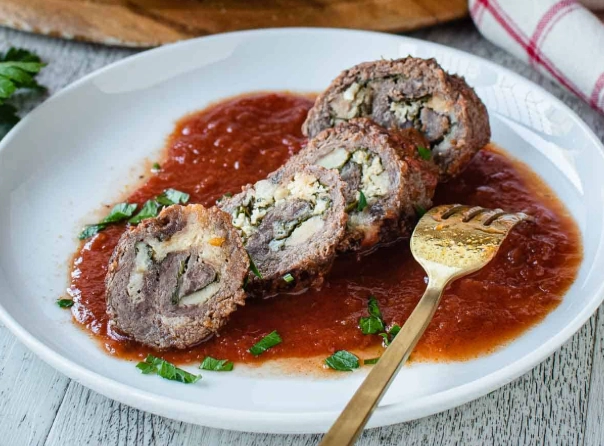
Italian vs American Braciole: The Real Differences Explained
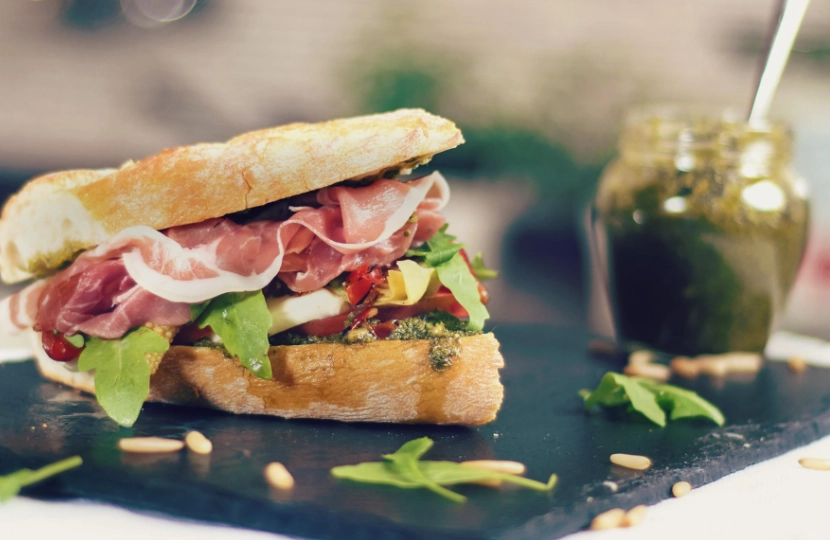
The Ultimate Italian Sandwich Recipe: A Step-by-Step Guide

Paris Notes 10: Visiting Galeries Lafayette, more than half of the "saleswomen"
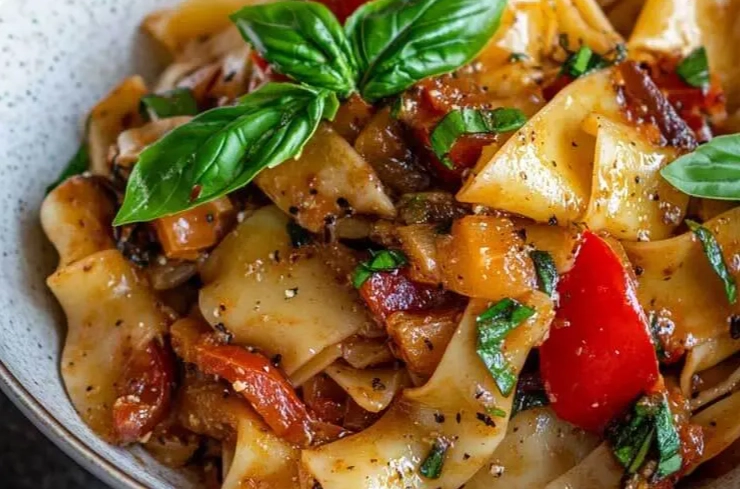
Authentic Italian Drunken Noodles Recipe (Pasta alla Ubriaca)
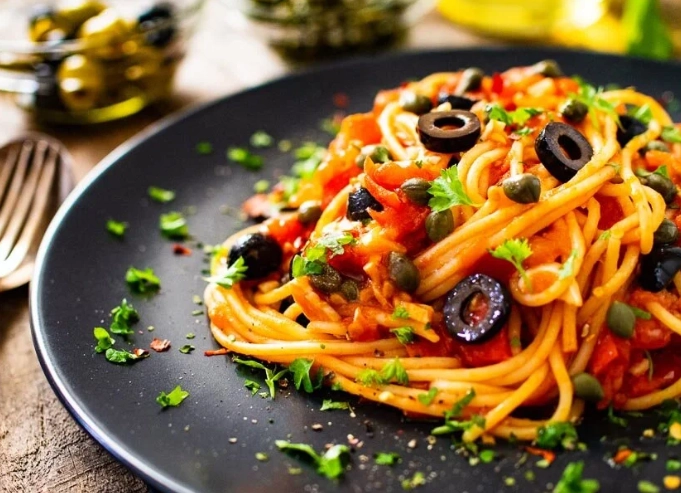
Top 10 Italian Pasta Dishes: A Guide to Classics

Sea freight rates soared! One after another raised sea freight rates, the "king
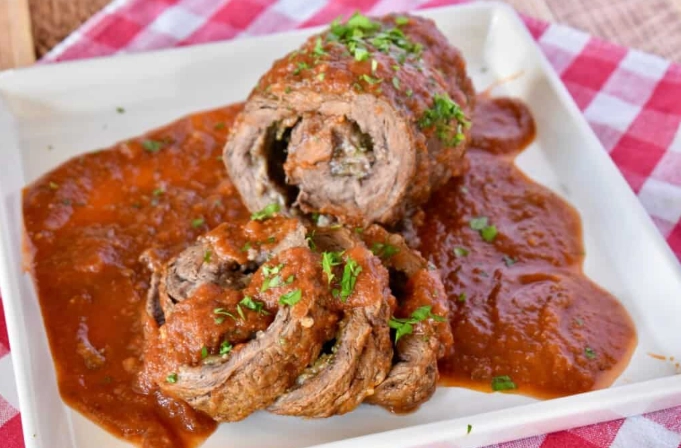
Ultimate Braciole Recipe: Authentic Italian Beef Rolls in Tomato Sauce
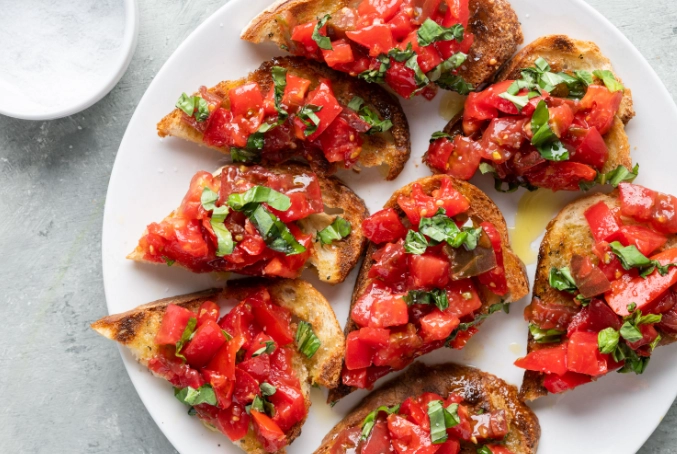
Authentic Italian Bruschetta Recipe: The Only Guide You'll Ever Need
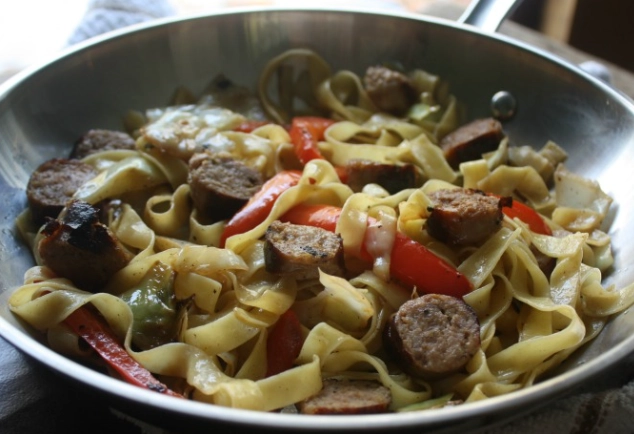
Simple Italian Sausage Dinners: Quick Recipes for Busy Nights
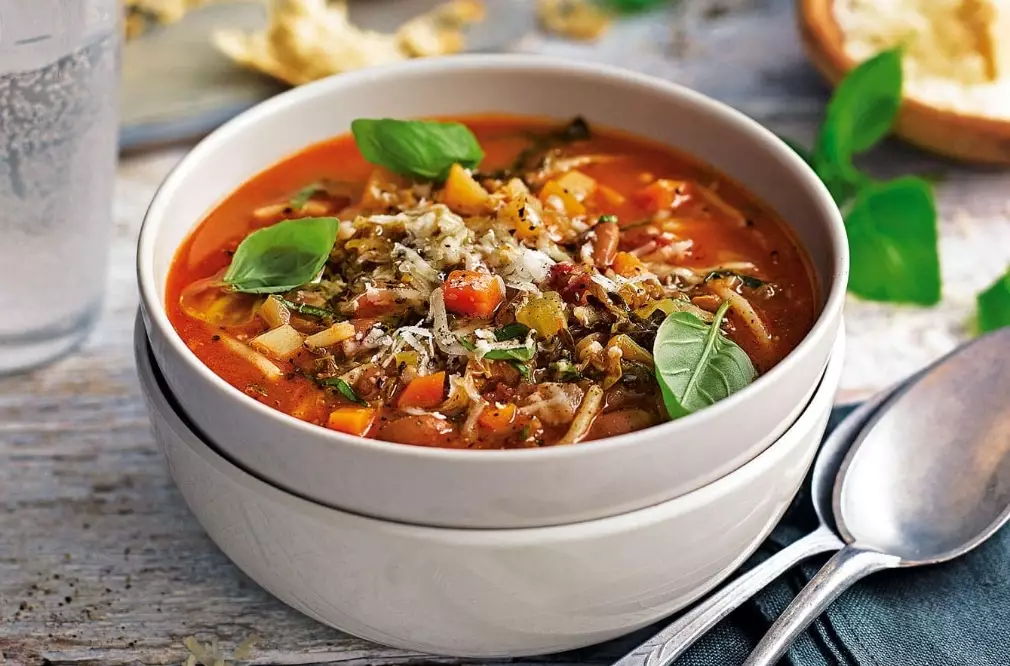
Italian Soup Recipe: Classic Minestrone & Hearty Ribollita Made Easy
Authentic Italian Recipes: Secrets from a Roman Kitchen
The Ultimate Homemade Italian Dressing Recipe (Easy & Authentic)

With an increase of nearly 300%, the leader of "flying cars" took off, fearless
Easy Italian Baked Dishes Recipes: Effortless Family Dinners
Ultimate Italian Pizzelle Recipe: Crispy, Authentic & Easy
Leave a Comment