Ultimate Guide to Vegetarian Italian Dinner Party Recipes
Let's be honest. The phrase "vegetarian dinner party" sometimes makes people think of a sad plate of steamed vegetables and a block of tofu. And "Italian" makes others imagine a mountain of cheese and heavy pasta. Combine them, and the pressure feels real. You want to impress, to show that plant-based Italian food is vibrant, elegant, and deeply satisfying—not an afterthought.
I've been cooking Italian food professionally and at home for over a decade, and I can tell you, a vegetarian Italian feast is one of the most rewarding meals to share. It's all about celebrating seasonal produce, bold flavors, and that magical Italian principle of la cucina povera—making extraordinary food from simple, humble ingredients.
This guide isn't just a list of recipes. It's a complete blueprint. We'll walk through a foolproof menu that balances flavors and textures, dive into the critical techniques most recipes gloss over (this is where most home cooks stumble), and build a timeline so you're sipping wine with your guests, not sweating over a stove.
Your Quick Navigation Guide
Why Choose Vegetarian Italian for Your Dinner Party?
Beyond being inclusive for various diets, a vegetarian Italian menu solves multiple host problems at once.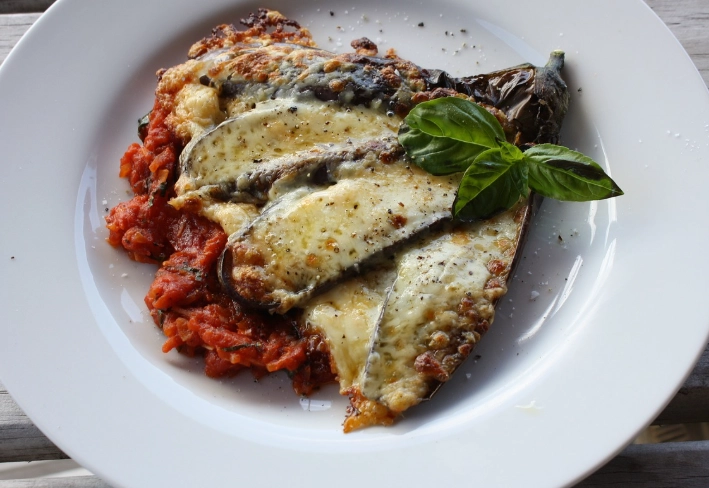
Flavor is never sacrificed. Italian cuisine has a deep-rooted tradition of vegetable-centric dishes—think melanzane alla parmigiana (eggplant parm), ribollita (Tuscan bread soup), or pasta alle verdure. The flavor comes from garlic sautéed in good olive oil, fresh herbs, sun-ripened tomatoes, toasted nuts, and aged cheeses or savory alternatives.
It's naturally elegant and shareable. A spread of colorful crostini, a dramatic pasta course, a communal vegetable gratin—it encourages conversation and feels generous.
You can do most of the work ahead. Unlike a steak that needs last-minute attention, many Italian vegetable dishes taste better when their flavors meld. Sauces, antipasti, and even partially cooked grains can be prepped hours or a day in advance.
The biggest win? You'll surprise your guests. A well-executed vegetarian Italian meal makes people forget they're eating "vegetarian" food. They're just eating incredible food.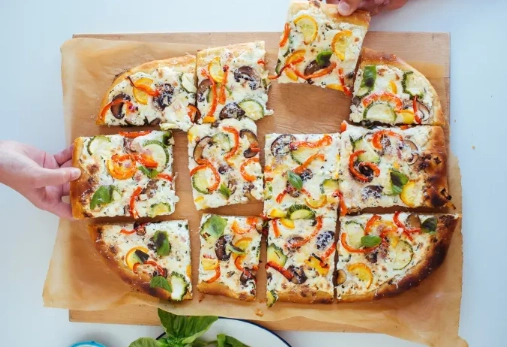
The Perfect Vegetarian Italian Dinner Party Menu
This menu is built for flow and contrast: bright starters, a rich and satisfying pasta, a clean, palate-refreshing salad, and a simple dessert. It considers texture, color, and make-ahead potential.
| Course | Dish | Key Flavor & Why It Works | Make-Ahead Tip |
|---|---|---|---|
| Antipasti (Starters) | 1. Crostini with White Bean & Rosemary Purée 2. Caprese Skewers with Aged Balsamic |
Creamy beans with earthy rosemary vs. sweet tomato, milky mozzarella, and tangy balsamic. Offers variety with minimal effort. | Bean purée up to 2 days. Skewers assembled 2 hours ahead. |
| Primo (First Course) | Wild Mushroom & Sage Pappardelle | Meaty, umami-rich mushrooms create a deeply savory sauce that clings to wide pasta ribbons. Feels luxurious and substantial. | Mushroom duxelles (finely chopped base) can be made 1 day ahead. |
| Secondo & Contorno (Main & Side) | Lemon & Herb Risotto with Roasted Asparagus | The bright, creamy risotto contrasts with the smoky, crisp-tender asparagus. This is where you showcase technique. | Risotto parcooked 75% up to 3 hours ahead (see timeline). Asparagus trimmed ahead. |
| Insalata (Salad) | Bitter Greens with Citrus & Toasted Almonds | A crisp, bitter, and citrusy punch cleanses the palate after the rich risotto and pasta. | Dressing shaken in a jar ahead. Greens washed and dried. |
| Dolce (Dessert) | Affogato al Caffè (Vanilla Gelato "Drowned" in Espresso) | Effortless, sophisticated, and customizable. The bitter hot espresso melting the sweet gelato is pure magic. | Scoop gelato into glasses and freeze solid until serving. |
See how each course has a job? The starters wake up the appetite, the pasta delivers comfort and wow-factor, the risotto and veg provide a creamy/crispy contrast, the salad resets, and the dessert is a no-fuss grand finale.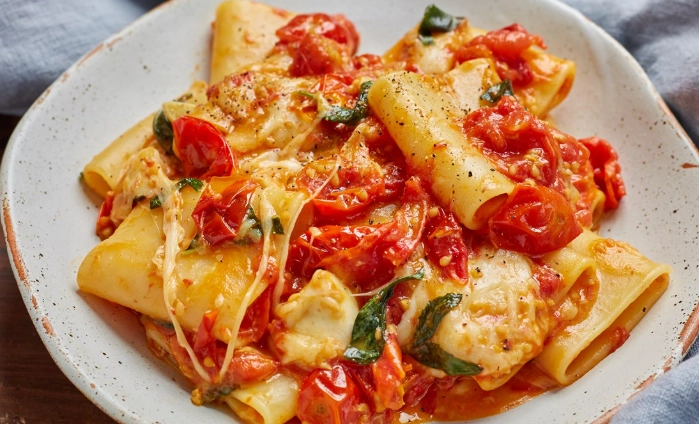
How to Cook the Main Course: A Step-by-Step Guide
Let's demystify the star of the show: the Lemon & Herb Risotto. This is where most anxiety lives, but it's simple if you understand the process. The goal is all'onda—wavy, creamy rice with a slight bite at the center.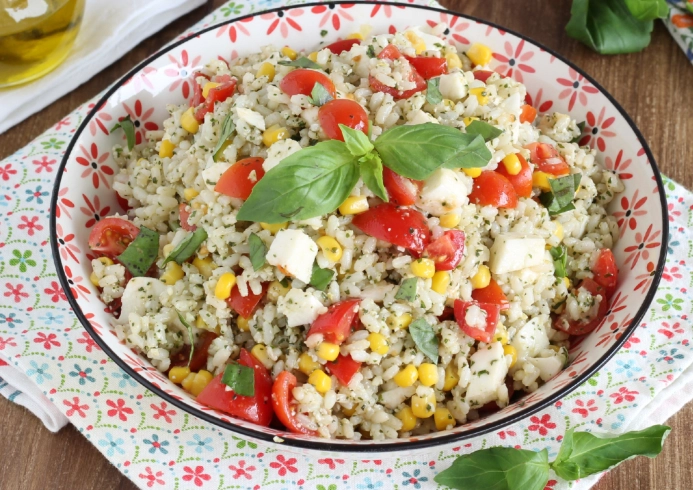
The Non-Negotiable Ingredients
Carnaroli or Arborio Rice: Carnaroli holds its shape better, but Arborio is more widely available. Don't rinse it! You need the surface starch.
Hot Vegetable Broth: Keep it simmering in a pot next to you. Adding cold broth stops the cooking.
A Heavy-Bottomed Pot: Even heat distribution is key. A Dutch oven is perfect.
Cold, Unsalted Butter & Finely Grated Cheese: For the final mantecatura (creaming).
The Method (Where Most Recipes Get Vague)
1. Toast the Rice: Sauté a minced shallot in olive oil until soft. Add the rice and stir for 2-3 minutes until the edges turn translucent. This seals the grain. You should hear a faint clicking sound.
2. The "Deglaze": Add a splash of dry white wine. Stir until it's fully absorbed. This adds acidity.
3. The Slow Addition: Add hot broth, one ladleful at a time. Stir frequently but not obsessively. Wait until the liquid is almost fully absorbed before adding the next ladle. This gradual process coaxes out the starch.
4. The Taste Test: After about 16-18 minutes, start tasting. You want al dente—a slight resistance in the center. It should be loose, not stiff.
5. The Magic Finish (Mantecatura): This is the secret. Turn off the heat. Vigorously stir in a handful of grated cheese and a few knobs of COLD butter. The vigorous stirring and residual heat emulsifies the fat and starch into that iconic, glossy creaminess. Then stir in your lemon zest and herbs.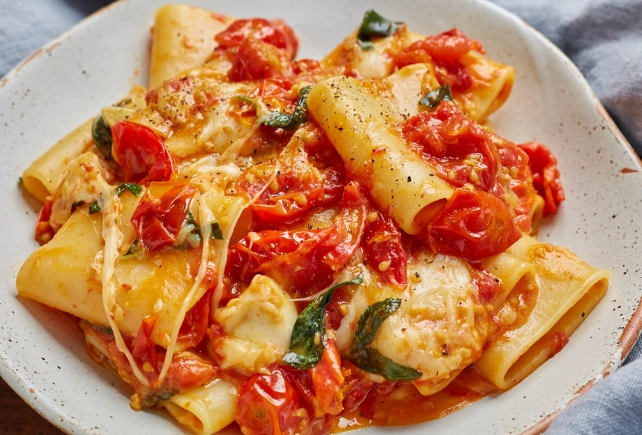
The common mistake? Adding all the liquid at once, or stirring in the butter and cheese while the heat is still on, which can make it greasy and gluey.
The Golden Rules of Vegetarian Italian Cooking (From a Pro)
After cooking hundreds of these meals, here are the subtle things that separate a good dish from a great one.
1. Season in Layers. Don't just salt at the end. Salt your sautéing onions. Salt the water for your pasta like the sea (it should taste like seawater). Season your vegetables before roasting. This builds depth.
2. Invest in Two Ingredients. A bottle of decent extra virgin olive oil for finishing dishes (don't cook with your best one), and a block of real Parmigiano-Reggiano or a good vegetarian alternative. They are your flavor anchors.
3. Texture is Everything. A menu of all soft foods (risotto, mashed beans, pasta) is boring. Contrast is key. Add crunch with toasted pine nuts, breadcrumbs (pangrattato), raw fennel in a salad, or crispy roasted vegetables.
4. Don't Fear Acidity. A splash of good vinegar or a squeeze of lemon at the end of cooking a vegetable dish or in a dressing can lift and define all the other flavors. It makes the food taste "brighter."
5. Cook Your Pasta in the Sauce. This is non-negotiable for me. Drain your pasta 1-2 minutes before it's al dente, reservive a cup of the starchy pasta water. Finish cooking it in your sauce (tomato, mushroom, etc.), adding splashes of pasta water to help the sauce cling. The pasta absorbs the sauce's flavor, and the starch thickens it perfectly. As noted in resources like the Academia Barilla, this technique, risottare, is foundational.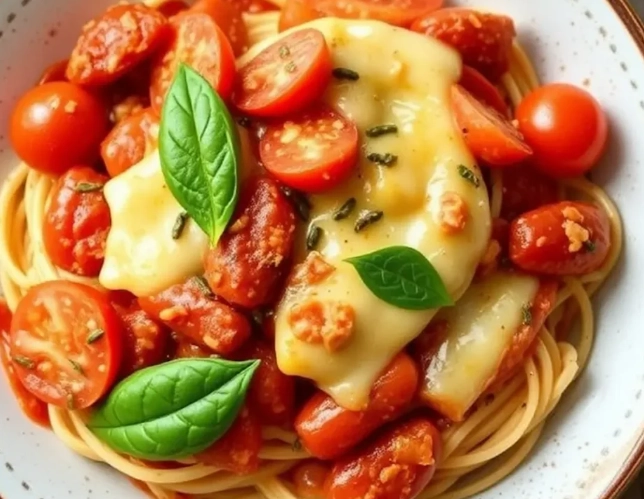
Your Dinner Party Timeline: Stress-Free Execution
2 Days Before: Shop for all non-perishables and hardy veggies (onions, potatoes, lemons). Make the white bean purée for crostini. Refrigerate.
1 Day Before: Shop for fresh herbs, greens, mushrooms, asparagus, bread, mozzarella. Make the mushroom duxelles for the pasta sauce. Make the salad dressing. Grate your cheese. Measure out your risotto rice and herbs.
Morning Of: Wash and dry salad greens, wrap in paper towels, and store in a bag in the fridge. Trim asparagus. Set the table. Chill white wine.
4 Hours Before: Scoop gelato into serving glasses, freeze. Slice bread for crostini, toast it, let cool, and store in a bag.
3 Hours Before (The Risotto Hack): Cook your risotto about 75% of the way (just past the point where you've added half the broth). Spread it thinly on a baking sheet to stop the cooking. Cool, then cover. This "parcooked" risotto will finish perfectly later.
2 Hours Before: Assemble Caprese skewers, cover lightly. Roast the asparagus, let cool to room temp.
1 Hour Before Guests Arrive: Put out nibbles (olives, nuts). Get all your pots, pans, and utensils out. Open red wine to breathe.
30 Min Before Eating: Reheat the mushroom sauce. Put water for pasta on to boil. Reheat the broth for risotto.
During Antipasti Course: Cook the pasta, finishing it in the sauce. Slide the parcooked risotto back into the pot with hot broth to finish (it will take 5 mins). Toss the salad.
This timeline turns a chaotic evening into a series of simple, manageable tasks. You're a conductor, not a short-order cook.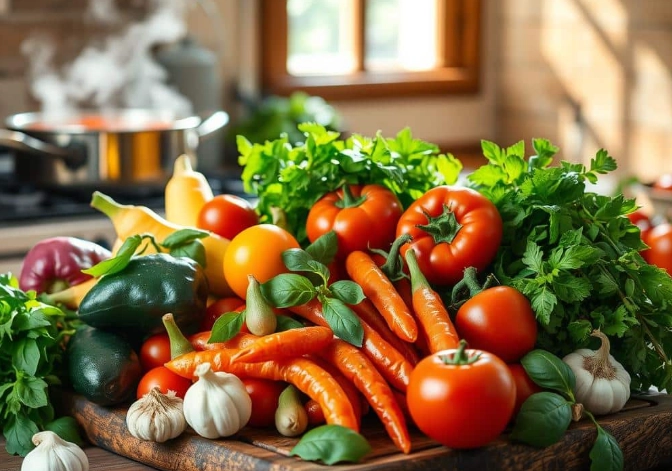
Frequently Asked Questions
Related Articles
Italian Sausage Recipes: Easy Family Dinners in 30 Minutes
Italian Sausage Pasta Recipes: A Complete Guide to Classic Comfort Food
Easy Traditional Italian Recipes for Home Cooks
The Ultimate Italian Sandwich Recipe: A Step-by-Step Guide
Ultimate Guide to the Top 10 Pasta Dishes You Must Try