Healthy Italian Vegetarian Recipes: Flavorful Main Dishes Made Easy
When I first dove into Italian cooking, I assumed vegetarian meant boring salads. Boy, was I wrong. Italian cuisine, rooted in the Mediterranean diet, naturally leans toward plant-based goodness—think sun-ripened tomatoes, creamy beans, and fragrant herbs. It’s not about skipping meat; it’s about celebrating vegetables in ways that feel indulgent. In this guide, I’ll share recipes that have become staples in my kitchen, plus tips I’ve picked up from years of trial and error.
Jump Straight to What Matters
What Makes Italian Vegetarian Cuisine So Uniquely Healthy?
It’s more than just pasta and pizza. The Mediterranean diet, endorsed by sources like the Harvard T.H. Chan School of Public Health, emphasizes whole foods: olive oil, legumes, nuts, and fresh produce. These ingredients are packed with fiber, antioxidants, and healthy fats. I remember visiting a small trattoria in Tuscany where the chef swore by using seasonal veggies—everything tasted alive.
Key Ingredients You Should Always Have
Stock your pantry with these: extra-virgin olive oil (look for cold-pressed), canned San Marzano tomatoes, dried lentils, Arborio rice, and fresh basil. Don’t skimp on quality olive oil; it’s the backbone of flavor. A common mistake? Using bland oil that makes dishes taste flat.
Top 3 Healthy Italian Vegetarian Recipes You’ll Want to Make Again and Again
These aren’t just recipes; they’re meals that have saved my busy weeknights and impressed guests. Each serves 4 and takes under an hour.
1. Hearty Lentil and Vegetable Minestrone
This soup is a hug in a bowl. I adapted it from a classic by adding more lentils for protein. You’ll need:
- 1 cup brown lentils, rinsed
- 2 carrots, diced
- 1 onion, chopped
- 4 cups vegetable broth (I use low-sodium)
- 1 can diced tomatoes
- 2 tablespoons olive oil
- Fresh parsley for garnish
Sauté onion and carrots in oil until soft. Add lentils, broth, and tomatoes. Simmer for 30 minutes until lentils are tender. Season with salt and pepper. Serve with a drizzle of olive oil. It’s filling, with about 200 calories per bowl and 12g of protein.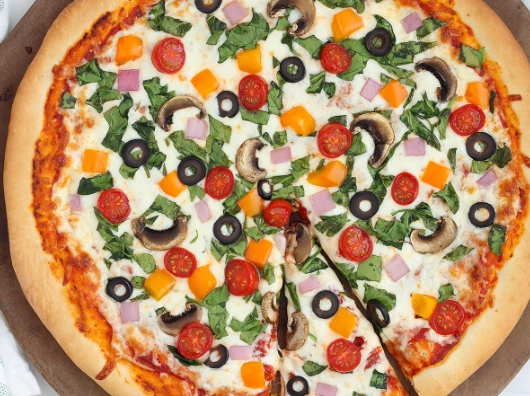
2. Creamy Spinach and Ricotta Stuffed Shells
A crowd-pleaser that feels fancy but is simple. The ricotta adds creaminess without heaviness. Ingredients:
- 20 jumbo pasta shells
- 2 cups ricotta cheese (part-skim for less fat)
- 2 cups fresh spinach, chopped
- 1 cup marinara sauce
- ½ cup grated Parmesan
Cook shells al dente. Mix ricotta, spinach, and half the Parmesan. Stuff shells, place in a baking dish, top with sauce and remaining cheese. Bake at 375°F for 20 minutes. I love how the spinach keeps it light—each serving has around 300 calories.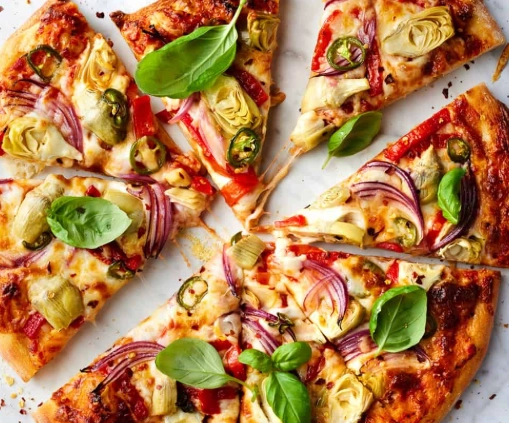
3. Roasted Eggplant and Tomato Caponata
This Sicilian dish is my go-to for a flavor bomb. It’s versatile: serve on crusty bread or as a side. You’ll need:
- 1 large eggplant, cubed
- 2 tomatoes, chopped
- 1 tablespoon capers
- 2 tablespoons olive oil
- 1 tablespoon balsamic vinegar
Toss eggplant with oil, roast at 400°F for 25 minutes until golden. Mix with tomatoes, capers, and vinegar. Let it sit for 10 minutes—the flavors meld beautifully. It’s low-calorie but rich in vitamins.
How to Adapt Traditional Italian Recipes for a Vegetarian Diet
Many classic dishes rely on meat, but swaps are easy. For example, in a Bolognese, use lentils or mushrooms instead of ground beef. I once made a “meatball” sub with chickpeas—it was a hit. The trick is to balance textures: add umami with soy sauce or nutritional yeast. Don’t be afraid to experiment; Italian cooking is forgiving.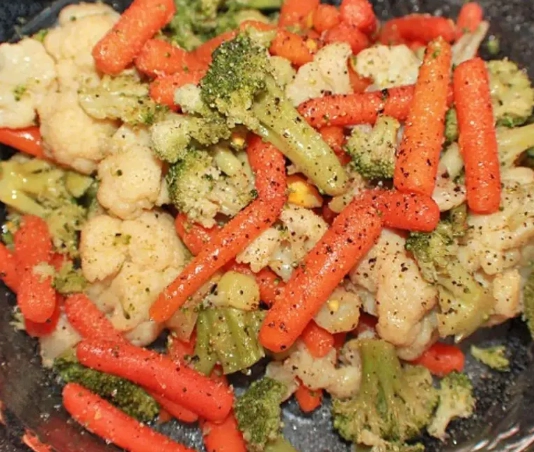
Another tip: use vegetable broth instead of chicken broth in risottos. It deepens the flavor without compromising health. I learned this from a chef in Rome who emphasized using local, fresh ingredients.
FAQs About Healthy Italian Vegetarian Recipes
Wrapping up, healthy Italian vegetarian cooking isn’t about restriction—it’s about exploring flavors. Start with one recipe this week, and tweak it to your taste. Remember, the best meals come from a relaxed kitchen. Buon appetito!
Related Articles
Authentic Italian Chicken Recipes: From Classic Pollo alla Cacciatora to Modern Favorites
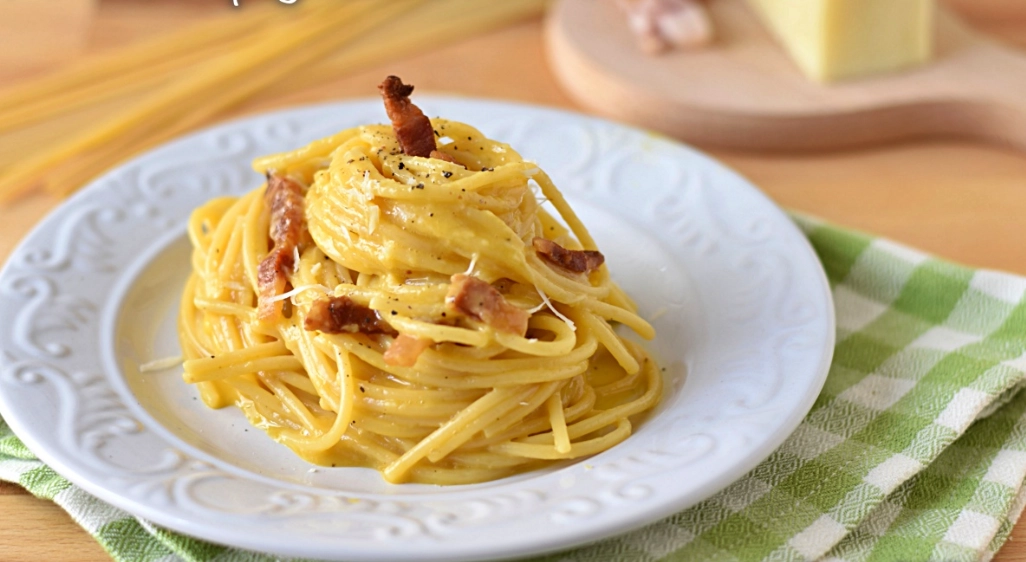
Authentic Pasta Carbonara Recipe: The Real Italian Way
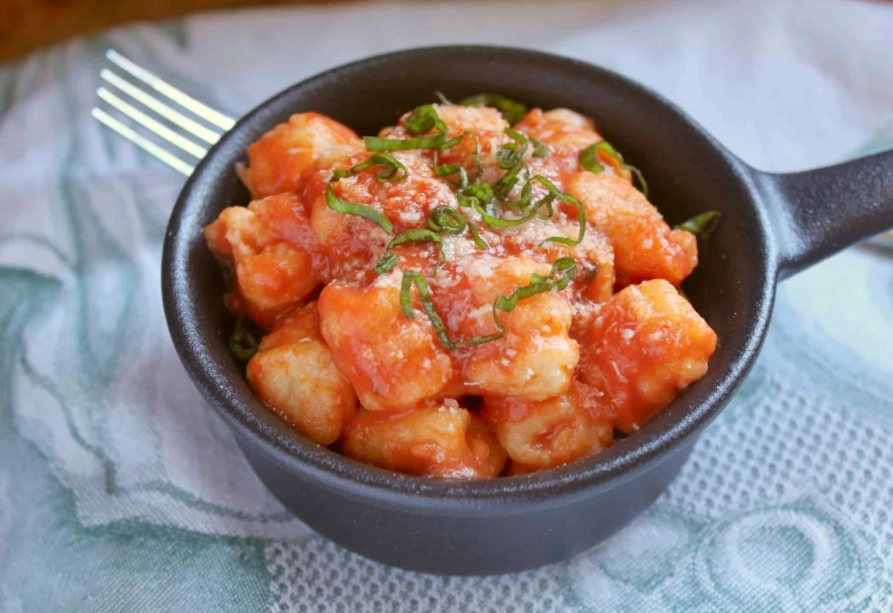
Perfect Homemade Italian Gnocchi Recipe: Light & Fluffy
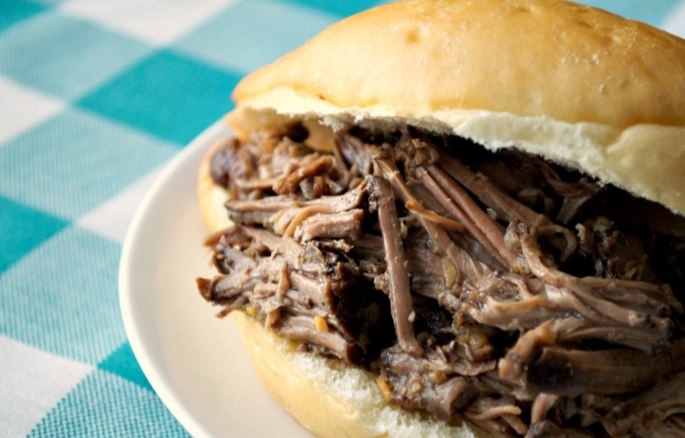
Ultimate Italian Beef Crock Pot Recipe: Tender & Juicy
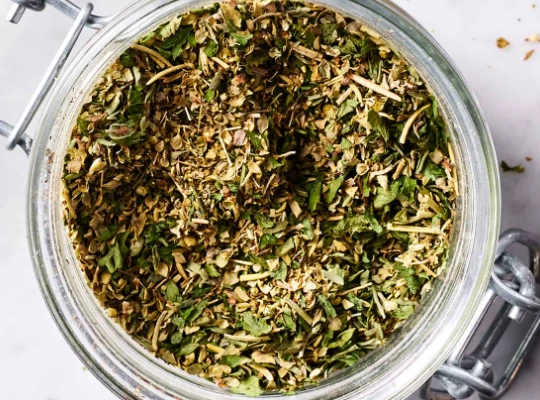
The Ultimate Best Italian Seasoning Recipe (Authentic & Easy)