Traditional Italian Vegetarian Recipes: Classics Beyond Pasta
When you think of Italian food, your mind might jump to pepperoni pizza or spaghetti Bolognese. But that's a tourist's view. The real heart of Italian traditional vegetarian recipes beats in its countryside, where "cucina povera"—the cuisine of the poor—turned humble vegetables, beans, and grains into masterpieces of flavor. This isn't about removing meat from dishes; it's about celebrating a heritage where vegetables were often the star long before it was trendy. Let's move beyond basic marinara and discover the depth of Italy's meatless table.
Pizza Perfection Without Pepperoni
Forget everything you know about thick-crust, topping-laden pizza. Authentic Italian pizza is a lesson in restraint, and its most famous version is vegetarian.
How to Make the Perfect Classic Margherita Pizza
The Margherita isn't just cheese pizza. It's a symbol, created in Naples to honor Queen Margherita, with the colors of the Italian flag: red (tomato), white (mozzarella), green (basil). The magic is in the details most home cooks miss.
The Non-Negotiables: Use "00" flour for a tender, chewy crust. San Marzano DOP canned tomatoes, crushed by hand. Fresh fior di latte or mozzarella di bufala (check for vegetarian rennet), torn, not sliced. Fresh basil added after baking. A blisteringly hot oven (a pizza stone or steel is essential).
My first attempt was a soggy disaster. I overloaded the cheese, which released water and steamed the crust. The trick? Drain your fresh mozzarella on paper towels for at least an hour. And spread the tomato sauce thinly—it should be a coating, not a pool.
The Underrated Champion: Pizza alla Marinara
If you want to taste the soul of Naples, try Marinara. No cheese at all. Just tomato, garlic, oregano, and extra virgin olive oil. It sounds simple, but the quality of each ingredient is nakedly exposed. It’s vegan, it’s historic, and when done right, it’s unforgettable.
Pasta Power: Beyond Tomato Sauce
Italian pasta dishes are often categorized by their sauce, and the vegetarian ones are deeply regional.
Pasta alla Norma (Sicily)
This is Sicily on a plate. Fried eggplant, rich tomato sauce, salted ricotta (ricotta salata), and basil. The key is frying the eggplant in cubes until they're deeply caramelized and almost creamy inside. Don't skimp on the oil; the eggplant will absorb it, then give it back in flavor. The salty, crumbly ricotta salata is irreplaceable—if you can't find it, a pecorino can work in a pinch, but the character changes.
Pesto alla Genovese (Liguria)
More than just a green sauce. Authentic pesto is a specific ritual. It uses Genovese basil (small, tender leaves), pine nuts from Pisa, Parmigiano-Reggiano and Pecorino Sardo (check rennet), and Ligurian extra virgin olive oil. The biggest mistake? Using a food processor that heats and bruises the basil, turning it black. A mortar and pestle is traditional for a reason—it crushes, not cuts, releasing the oils gently for a brighter, more aromatic sauce.
Here’s a quick guide to two other classic sauces you can whip up:
| Dish | Core Vegetarian Ingredients | Key Technique |
|---|---|---|
| Pasta e Fagioli | Beans (borlotti or cannellini), pasta, tomato, rosemary. | Cook the pasta directly in the bean soup so the starch thickens it. |
| Spaghetti Aglio e Olio | Garlic, olive oil, chili flakes, parsley. | Slowly infuse the oil with sliced garlic on low heat until golden, never brown. |
Hearty Soups & Standout Starters
Before the pasta course ("primo"), there's often an appetizer ("antipasto"). And in colder months, a soup can be the star.
Ribollita: A Tuscan bread soup that epitomizes cucina povera. It's made with cannellini beans, black cabbage (cavolo nero), other seasonal vegetables, and stale bread. The name means "reboiled" because it's traditionally made in large batches and reheated, getting thicker and better each day. The bread dissolves, creating a wonderfully thick, hearty texture. A drizzle of raw olive oil at the end is mandatory.
Caponata: Sicily's sweet-and-sour eggplant stew. Eggplant, celery, onions, capers, green olives, and a sweetened tomato sauce with vinegar. It's a flavor bomb—salty, sweet, sour, and savory. It's meant to be served at room temperature as an antipasto or a side, and it improves overnight.
Don't overlook simple contorni (side dishes) that can make a meal. Carciofi alla Romana (Roman-style artichokes braised with mint and garlic) or Peperonata (slow-cooked bell peppers with onions and tomato) are dishes you could eat with a spoon straight from the pan.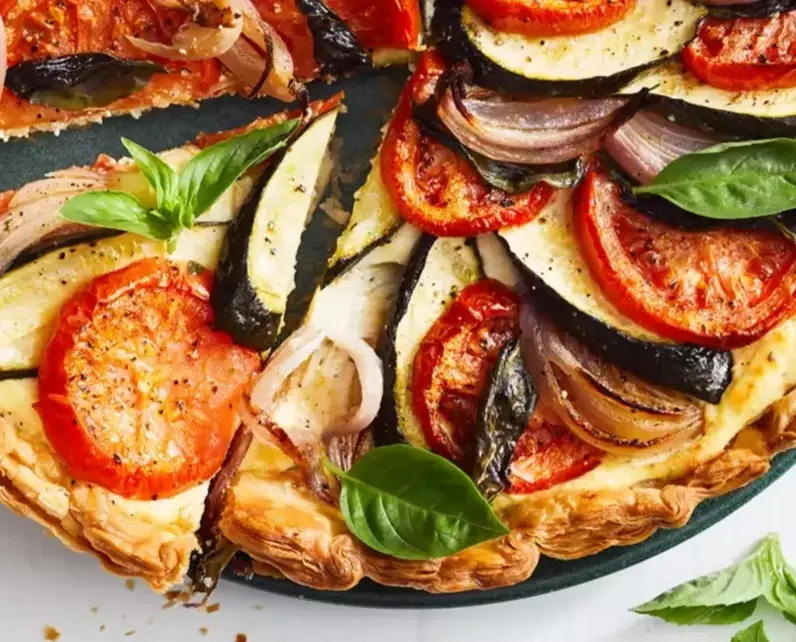
Common Mistakes & Pro Tips from a Home Cook
After years of trial and error (and a few inedible dinners), I've noticed patterns. Here’s what trips people up.
Underseasoning the water. Your pasta water must taste like the sea. This is the only chance to season the pasta itself. A timid pinch won't do it.
Overcrowding the pan. When sautéing vegetables for a sauce, give them space. If you pile mushrooms or eggplant into a cold, crowded pan, they'll steam and become soggy. Cook in batches if you have to.
Using pre-grated cheese. It contains anti-caking agents like cellulose, which prevent it from melting smoothly into a sauce. Always grate your own Parmigiano or Pecorino. The flavor difference is night and day.
The one tool I won't compromise on? A good microplane for grating cheese and garlic. It creates a fluffy, fine grate that integrates perfectly.
Your Questions Answered
 Is authentic Italian pizza dough always vegetarian?
The beauty of these traditional Italian vegetarian recipes lies in their confidence. They don't try to imitate meat; they elevate the humble potato, the glorious tomato, the humble bean to center stage. Start with a Margherita, master a pesto, and let a pot of Ribollita bubble on your stove. You're not just making dinner; you're connecting with a centuries-old way of eating that feels surprisingly modern.
Related Articles

Why is Dongguan's economy no longer at the bottom?

Authentic Italian Cocktail Recipes: From Classics to Modern Twists
A Typical Italian Dinner at Home: The Real Menu & Traditions
Vegetarian Food Guide: What to Eat in Italy

The Most Popular Cocktail in Italy: A Deep Dive into the Aperol Spritz