Authentic Italian Porchetta Recipe: Crispy, Juicy Roast Pork
Let's talk about porchetta. Not the dry, bland deli slices you might have tried, but the real deal: a majestic roll of pork with skin that shatters like glass and meat so juicy and fragrant with herbs it feels like a celebration. Making authentic Italian porchetta at home isn't just cooking; it's a project. A deeply rewarding one that turns your kitchen into the heart of an Italian festival. I've messed this up before – leathery skin, underseasoned meat – so I'll walk you through every step to avoid those pitfalls.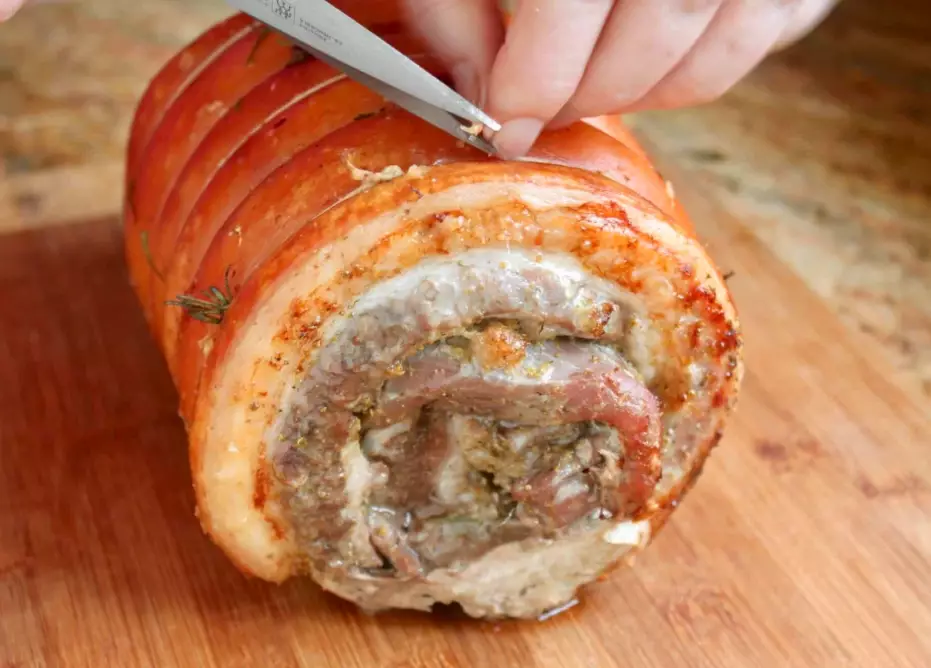
What's Inside This Porchetta Guide
What is Porchetta? The Italian Roast Pork Explained
Porchetta (pronounced por-KET-ta) is a traditional Italian roast. At its core, it's a deboned whole pig, seasoned heavily, rolled, and slow-roasted. For home cooks, we scale it down to a more manageable cut: a slab of pork belly wrapped around a piece of pork loin. The magic happens in the contrast. The belly provides insane amounts of fat and flavor, basting the leaner loin from the inside out during the long cook. The skin? It transforms into the holy grail: crackling.
It's street food in Rome, a centerpiece at weddings in Umbria, and the star of any self-respecting Italian food festival. The key isn't complexity – it's salt, garlic, rosemary, fennel. It's patience and heat management.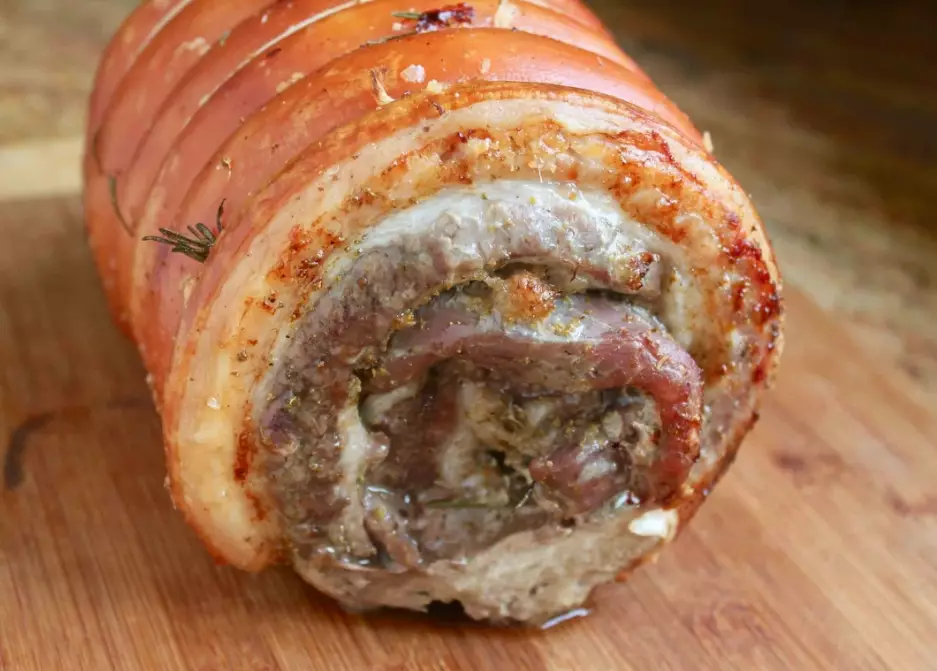
Essential Ingredients for Authentic Porchetta
This isn't the place for substitutions if you want the classic flavor. Here’s what you need to hunt down.
The Meat: You need two cuts. First, a pork belly, skin-on, about 4-5 pounds. Ask your butcher for a "porchetta cut" – they'll know it needs to be rectangular and relatively even. Second, a boneless pork loin, about 2-3 pounds. The loin should fit snugly inside the belly when rolled.
The Flavor Bomb (The Paste):
- Fennel seeds: Non-negotiable. Toast them in a dry pan until fragrant, then crush coarsely. This is the signature aroma.
- Fresh rosemary: Needles stripped and chopped fine. Dried rosemary feels like pine needles in your teeth.
- Garlic: Lots of it, minced or pressed.
- Black pepper: Freshly cracked.
- Kosher salt: Not table salt. You need the coarse grains for proper seasoning and drawing moisture from the skin.
- Orange or lemon zest: A bright, citrusy note that cuts the richness. A little goes a long way.
- Optional but fantastic: A few chopped fresh sage leaves, a pinch of red pepper flakes.
The Tools: Sharp boning or utility knife, kitchen twine, a roasting pan with a rack, and most importantly, a good instant-read meat thermometer. Trust me on this.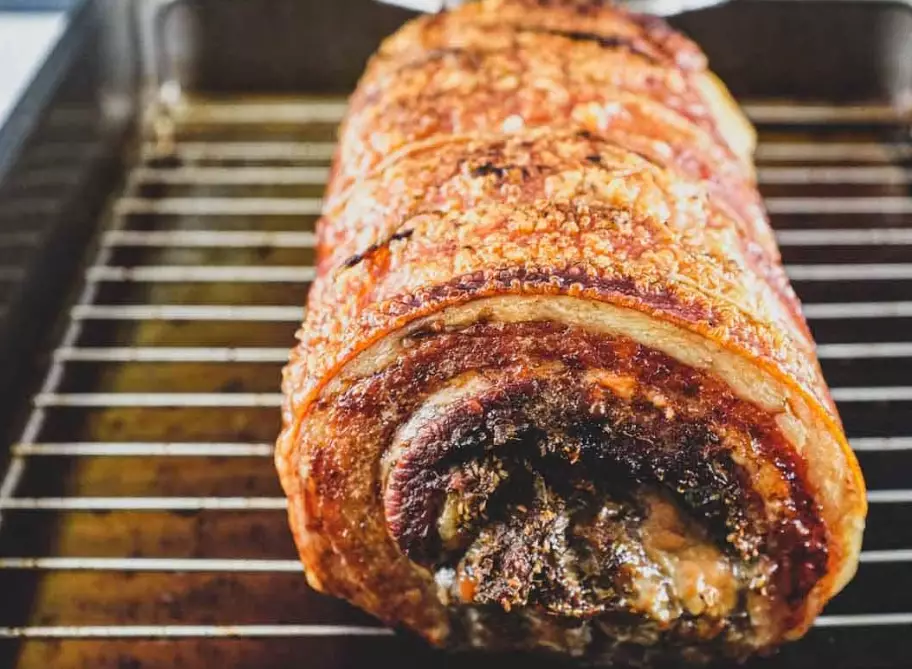
Step-by-Step Porchetta Recipe with Expert Tips
This process spans two days. Rushing it is the first mistake.
Day 1: Preparation & The Dry Brine
Lay the pork belly skin-side down on a board. If there's a very thick layer of fat on the meat side, score it in a crosshatch pattern, but don't cut through to the meat. This helps the fat render.
Now, the skin. This is critical. Pat it bone-dry with paper towels. Then, using a very sharp knife, a razor blade, or even a clean box cutter, score the skin in a tight 1/4-inch diamond pattern. You want to cut through the skin and just into the fat, but not into the meat beneath. This allows the fat to bubble up and crisp the skin. A common mistake is scoring too lightly.
Flip it back meat-side up. Mix all your paste ingredients into a coarse mixture. Rub this paste generously all over the meat side of the belly and all over the pork loin. Place the loin along one of the shorter ends of the belly.
Roll it up as tightly as you can, like a sleeping bag. The skin should be on the outside. Tie it securely with kitchen twine every inch or so. Don't be gentle – a tight roll ensures even cooking. Place the rolled porchetta on a rack over a baking sheet, uncovered, in the fridge for 24 to 48 hours. This dry-brine seasons the meat to the core and, crucially, dries the skin surface. This drying is the secret to crackling.
Day 2: The Roast
Take the porchetta out of the fridge 2 hours before cooking to come to room temperature. Preheat your oven to 450°F (230°C). Place the roast on a rack in a roasting pan.
Phase 1: The Blast. Roast at 450°F for 40-50 minutes. You'll hear it sizzle and pop. This initial high heat is what blisters and puffs the skin. Don't skip it.
Phase 2: The Slow Cook. Without opening the oven, reduce the temperature to 325°F (160°C). Roast for another 2 to 2.5 hours. The goal is an internal temperature of 145-150°F (63-66°C) in the center of the loin. Start checking with your thermometer at the 2-hour mark.
Phase 3: The Rest. Once it hits temperature, take it out. Tent it loosely with foil and let it rest for at least 45 minutes. This allows the frantic juices to relax back into the meat. The internal temperature will actually climb another 5-10 degrees (carryover cooking), bringing it to a perfect doneness.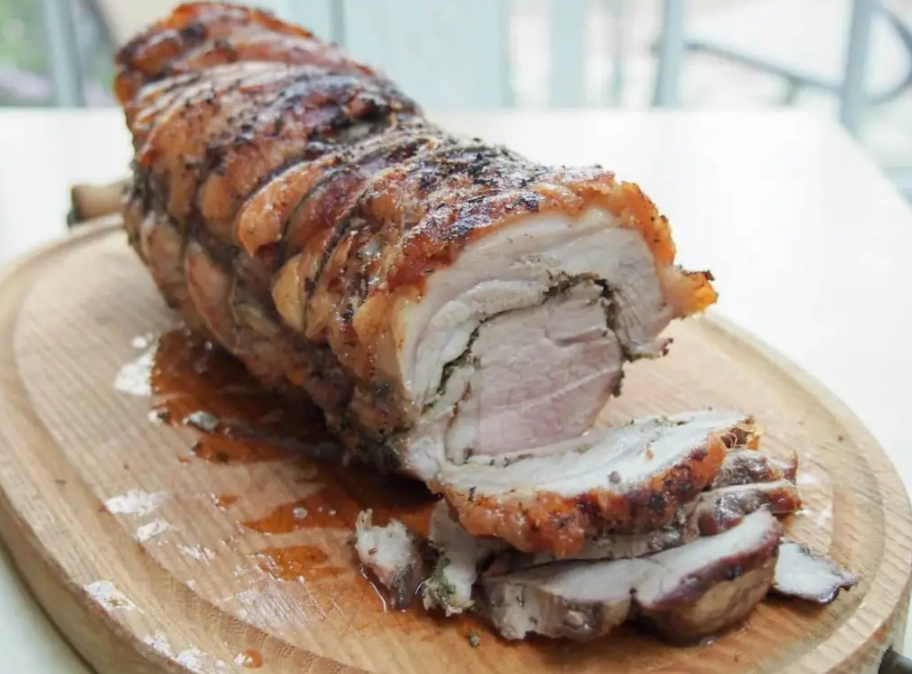
Common Porchetta Mistakes and How to Avoid Them
I've learned these the hard way.
| Mistake | Result | The Fix |
|---|---|---|
| Not drying the skin enough | Steamed, rubbery skin | Pat dry, score deeply, and refrigerate uncovered for 24+ hours. |
| Underseasoning the meat | Bland interior | Be generous with the salt and paste. The meat is thick and needs it. |
| Skipping the initial high-heat blast | Pale, tough skin | 450°F for 40-50 mins is non-negotiable for crackling. |
| Overcooking | Dry, chalky meat | Use a thermometer. Pull at 145-150°F and trust the rest. |
| Cutting immediately | All the juices on the board | Rest for a full 45 minutes. It's still hot, I promise. |
Serving Suggestions and Wine Pairings
Slice it thick, about 3/4-inch, with a very sharp serrated or carving knife. You want a piece of that crackling on every slice. Serve it on a platter with the juices from the pan (skim the fat first).
What to serve with it? Keep it simple. Roasted potatoes that cook in the pork fat underneath the rack are legendary. A bitter green salad with a sharp vinaigrette (arugula with lemon) cuts the richness perfectly. Or, go the Roman street food route: pile the slices into a crusty roll with some sautéed bitter greens (like rapini).
Wine: You need something with acidity to stand up to the fat. A medium-bodied Italian red like a Montepulciano d'Abruzzo or a Chianti Classico is perfect. A crisp, dry white like a Verdicchio or even an off-dry Riesling also works wonders.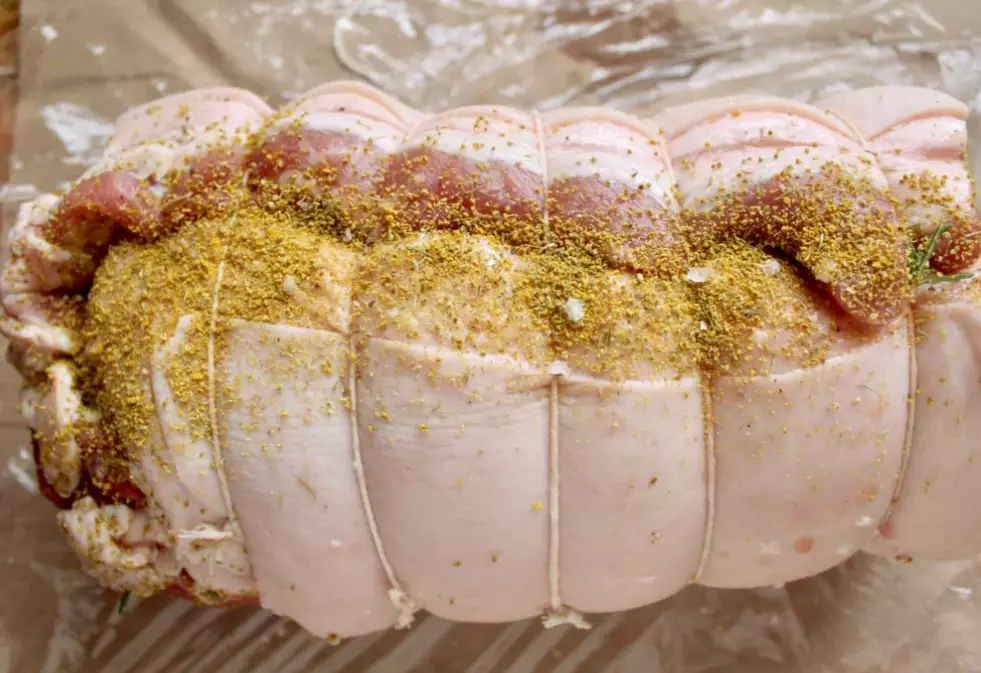
Your Porchetta Questions Answered
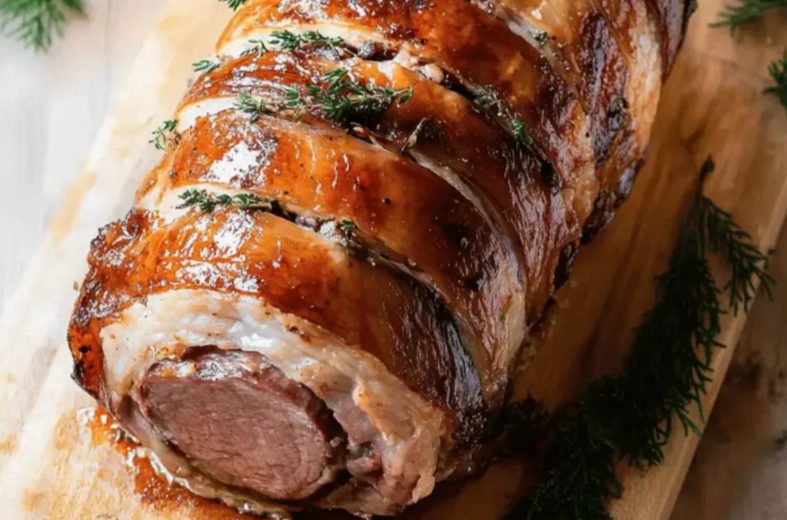 There you have it. It's a commitment, but the moment you hear that first slice crackle and see the juicy, herb-flecked meat, you'll know it was worth every minute. Don't be intimidated. Get a good piece of pork, take your time, and you'll bring a taste of an Italian piazza right to your table.
Related Articles
Ultimate Guide to Spaghetti Pasta Recipes: Easy, Authentic & Creative
Classic Italian Pasta Recipes: Authentic Dishes You Can Master

Breaking through 1.2 billion kilowatts, China has achieved its commitment to win

With an increase of nearly 300%, the leader of "flying cars" took off, fearless
Authentic Italian Bolognese Recipe: The Real Ragù from Bologna