How to Make Perfect Italian Polenta: Creamy, Grilled & Fried Recipes
Let's get one thing straight right away. Polenta isn't just cornmeal mush. It's a cornerstone of Northern Italian cooking, a dish with more personality than most pasta. It can be a creamy, comforting bed for a rich ragù, or sliced and grilled into golden slabs with a crispy exterior and soft heart.
But I've seen too many people give up on it. They end up with a pot of lumpy, bland paste or a gritty, undercooked mess. It doesn't have to be that way. After years of making it—both brilliantly and disastrously—I've nailed down the process. This isn't just a recipe; it's a blueprint for understanding polenta.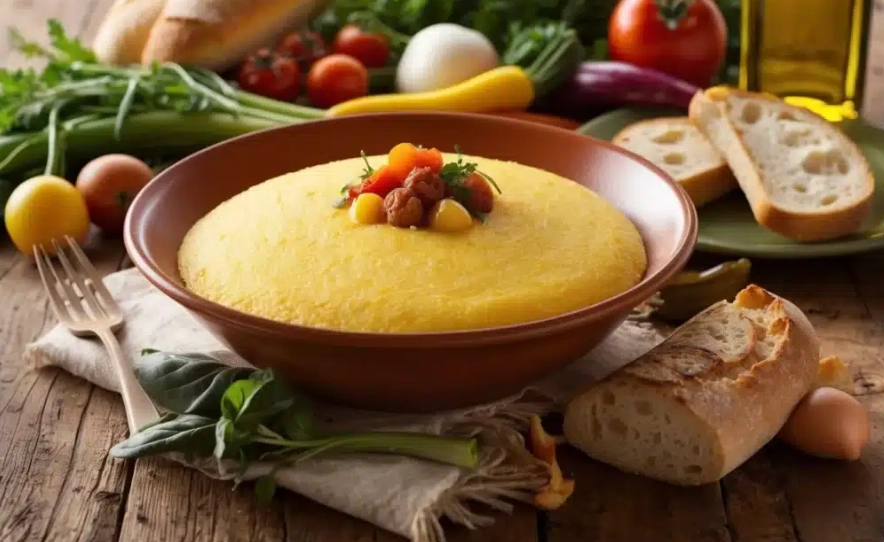
Your Polenta Roadmap
What Is Polenta? A Brief History (It's More Interesting Than You Think)
Polenta predates pasta in Italy. For centuries, it was the staple food of the poor in Northern regions like Veneto, Lombardy, and Piedmont. Made from whatever grain was cheap and plentiful—originally farro or rye, later buckwheat, and finally corn after its introduction from the Americas in the 16th century.
That's the key. Polenta is the dish, not the ingredient. The ingredient is cornmeal. Saying "polenta recipe" is like saying "risotto recipe"—you're naming the final creation.
Traditional polenta was a marathon. Cooked for hours in a copper pot called a paiolo over an open fire, stirred with a long wooden stick called a tarello. The slow cooking developed a depth of flavor that instant versions can't touch. That's the texture and taste we're aiming for, even with modern shortcuts.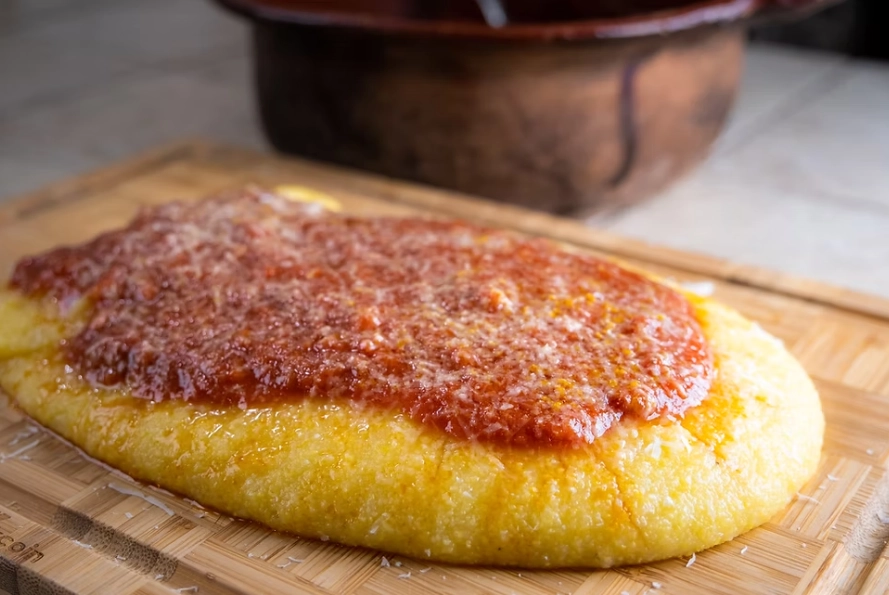
Choosing Your Cornmeal: The Foundation of Flavor
Walk into an Italian grocery or look online, and you'll see a confusing array. The grind size is everything.
| Grind Type | Texture | Best For | Cooking Time |
|---|---|---|---|
| Coarse/Fine Stone-Ground | Authentic, slightly granular, full corn flavor. | Traditional creamy polenta. The gold standard. | 40-50 minutes |
| Medium Grind | Smooth but with a hint of texture. Reliable. | All-purpose. Good for creamy and firm polenta. | 30-40 minutes |
| Instant/Pre-Cooked | Very smooth, can be gluey if overworked. | Extreme time savings. Compromise on flavor. | 5-10 minutes |
My non-negotiable advice? Seek out stone-ground cornmeal. The steel-roller milling used for most commercial cornmeal generates heat that damages the corn's natural oils and flavor. Stone-grinding preserves it. The difference in taste is night and day—nutty, sweet, and complex versus flat and bland.
Check the label. If it just says "cornmeal," it's likely steel-rolled. Look for "stone-ground" or the Italian designations: fioretto (very fine, almost flour-like) or bramata (coarse, traditional).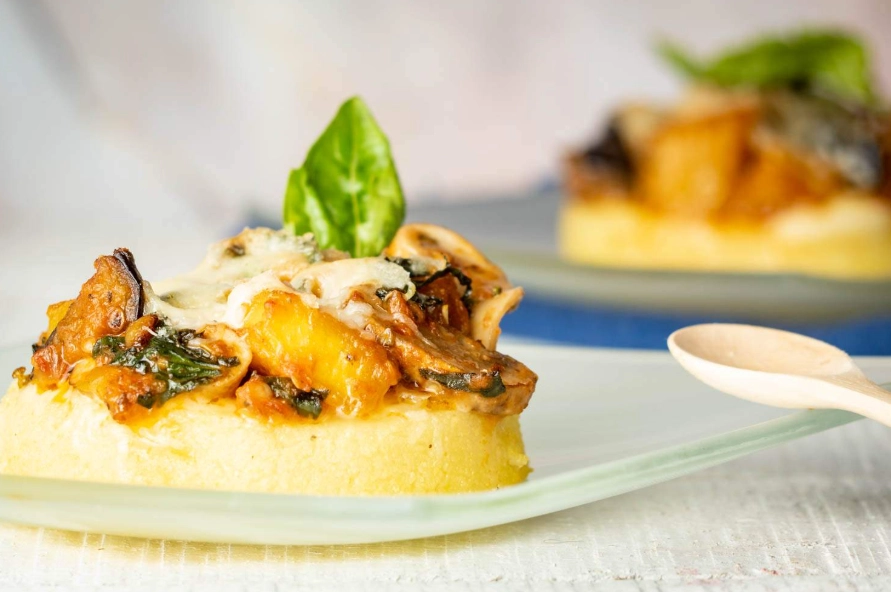
How to Make Creamy Polenta: The Step-by-Step Guide
Forget the package directions that say "5 minutes." Good polenta takes patience. Here’s my method for a fail-safe creamy version that serves 4-6.
Gathering Your Tools & Ingredients
You don't need special gear. A heavy-bottomed pot (Dutch oven is perfect) is critical to prevent scorching. A long-handled wooden spoon or sturdy whisk is your best friend—metal conducts too much heat up the handle.
- 1.8 liters (7.5 cups) cold water or broth (Chicken or vegetable broth adds immense flavor)
- 1 tablespoon fine sea salt
- 350g (about 2.5 cups) coarse or medium stone-ground cornmeal
- 2-3 tablespoons unsalted butter
- 70-100g (about 1 cup) freshly grated Parmigiano-Reggiano or Grana Padano
The Cooking Process: Where Most Go Wrong
Step 1: The Cold Start. This is the anti-lump secret. Pour the cold water or broth into your heavy pot. Whisk in the salt. Now, while the liquid is still cold, slowly rain in the cornmeal in a very thin, steady stream, whisking constantly. Don't dump it in. This ensures every grain is separated and wet before heat is applied.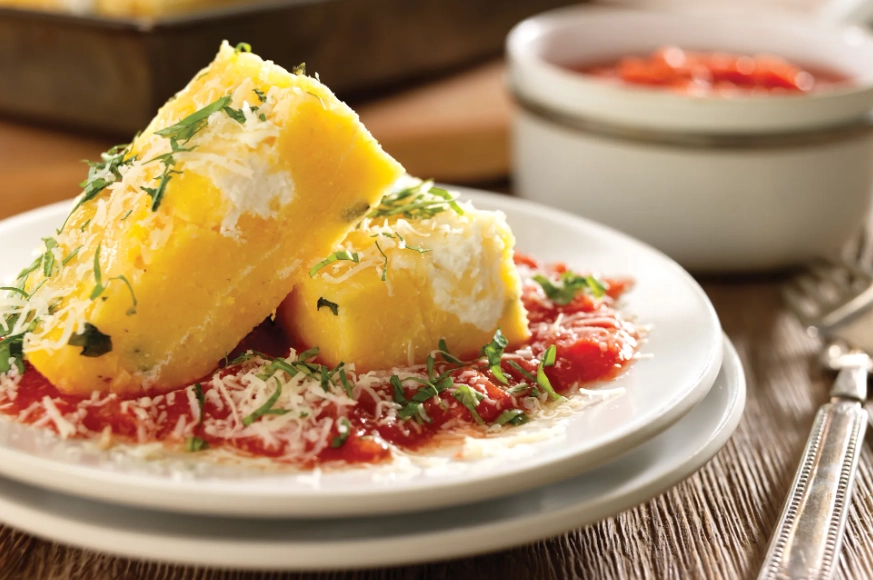
Step 2: The Simmer. Place the pot over medium-high heat. Bring to a simmer, stirring frequently with your wooden spoon. Once bubbles start breaking the surface, reduce the heat to the lowest possible setting where you still see an occasional bubble. A bare simmer.
Step 3: The Long Cook. Here’s the commitment. Cook for 40-50 minutes, stirring every 5-7 minutes. Scrape the bottom and sides well. In the first 15 minutes, it will seem too thin. It will thicken. Don't panic and add more cornmeal. After 30 minutes, you'll notice it pulling away from the sides of the pot as you stir. That's a good sign.
Step 4: The Finish. Turn off the heat. Stir in the butter until melted and fully incorporated. Then stir in the grated cheese. Taste. Does it need more salt? A grind of black pepper? Maybe another knob of butter? Adjust now.
The texture should be smooth, creamy, and pourable but not runny. It should hold its shape briefly on a plate before slowly relaxing.
Transforming Leftovers: Grilled & Fried Polenta
This is where polenta shows its magic. Leftover creamy polenta, poured into a dish and cooled, sets into a firm cake you can slice.
To Set: Lightly oil a 9x13 inch baking dish or a loaf pan. Pour your hot, finished creamy polenta into it, smooth the top, and let it cool to room temperature. Then cover and refrigerate for at least 4 hours, preferably overnight.
To Cook:
Pan-Frying: My go-to. Cut the firm polenta into slices, squares, or triangles. Heat a generous glug of olive oil or a mix of oil and butter in a non-stick or cast-iron skillet over medium-high heat. Add the slices in a single layer. Don't crowd them. Cook for 4-5 minutes per side until deeply golden brown and crispy. A trick? Dust the slices lightly with semolina flour before frying for an extra-crisp crust.
Grilling: Perfect for summer. Brush both sides of the polenta slices with olive oil. Grill over direct medium heat for 3-4 minutes per side, until you have nice grill marks and the edges are slightly charred. It holds up surprisingly well.
These firm polenta slices are a blank canvas. Top them with sautéed mushrooms, a dollop of Gorgonzola, a spoonful of tomato sauce, or just some fresh herbs and a drizzle of good olive oil.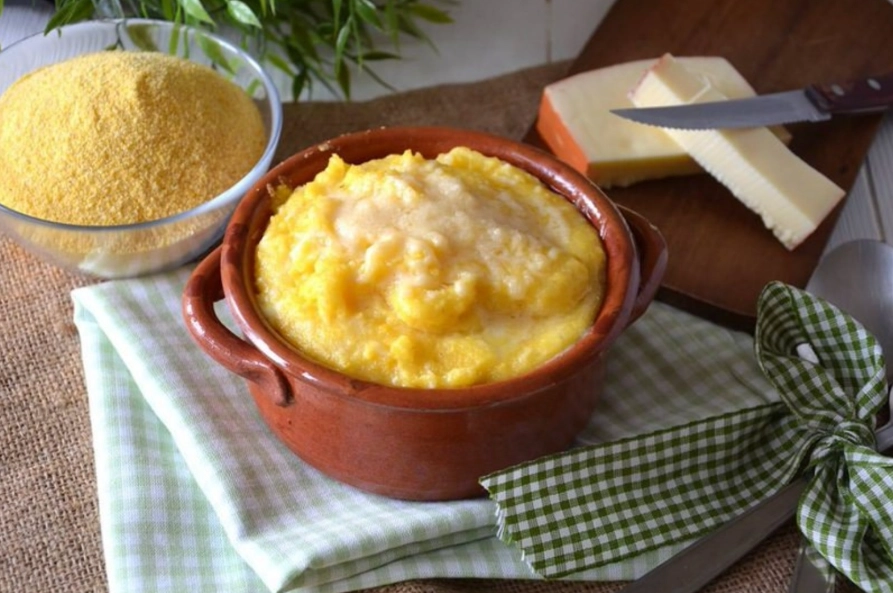
What to Serve With Your Polenta: Classic Italian Pairings
Creamy polenta is a partner, not a solo act. It loves rich, saucy companions.
- Spezzatino (Beef Stew): The ultimate winter comfort food. The polenta soaks up the rich, winey sauce.
- Funghi Trifolati (Sautéed Mushrooms): Wild mushrooms, garlic, parsley, and white wine. Earthy meets creamy. Perfection.
- Osso Buco: The classic Milanese pairing. The tender braised veal shank and its gremolata-topped sauce belong on a bed of polenta.
- Sausage & Peppers: A simpler, weeknight-friendly option. Sweet peppers, fennel sausage, onions.
- Grilled Polenta: Serve it as a side with roasted chicken or pork chops, or as a vegetarian main with a caprese salad on top.
Your Polenta Questions, Answered
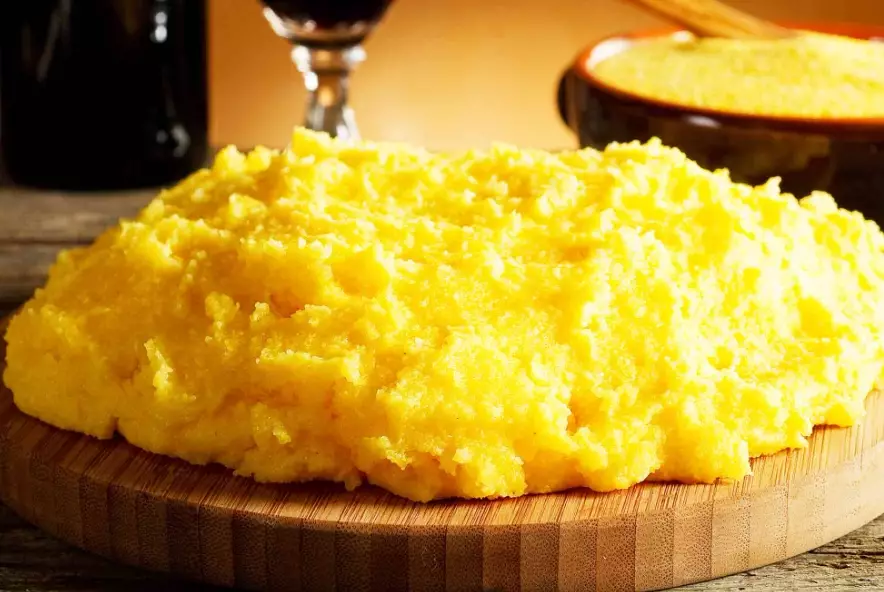 So there you have it. Polenta isn't a mystery, just a technique. Start with good stone-ground cornmeal, use plenty of liquid, give it time, and finish with good butter and cheese. You'll end up with something far beyond simple cornmeal—a taste of Northern Italy's culinary soul.
Give it a try this weekend. Make a big batch of the creamy version for dinner, and fry up the leftovers for breakfast with a fried egg on top. You'll see what I mean.
Related Articles
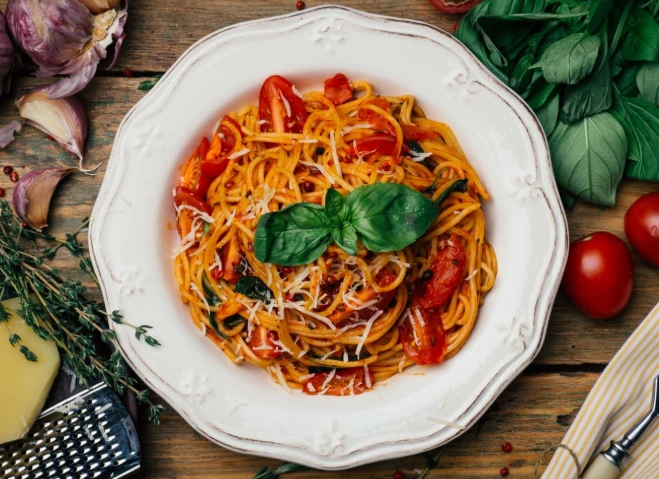
Italy's Most Traditional Dish: The Definitive Guide to Authentic Cuisine
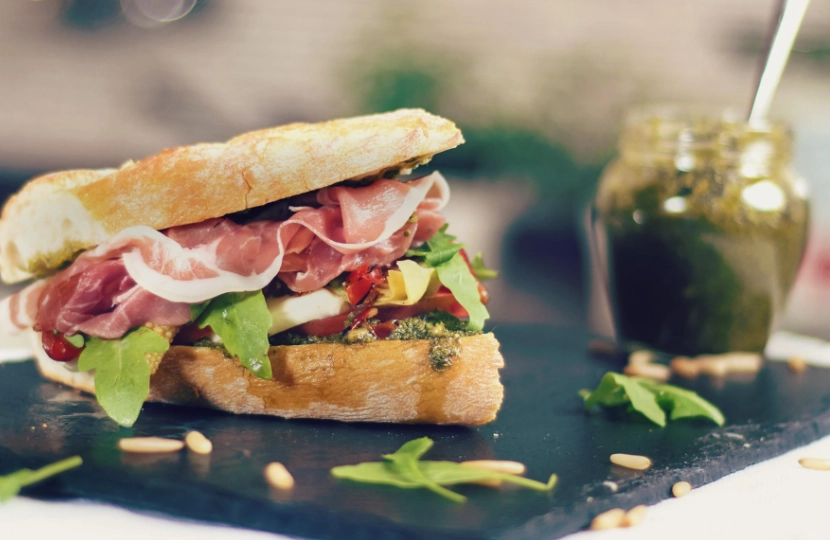
The Ultimate Italian Sandwich Recipe: A Step-by-Step Guide

The RMB exchange rate against the US dollar rose to a high point this year
Top 10 Italian Foods: The Ultimate List of Must-Try Dishes
Italian Seasoning Without Marjoram: A Complete Recipe & Guide
