Master Italian Meatloaf: Authentic Family Recipe
Quick Navigation: What You'll Find Here
- What Makes an Italian Meatloaf Different?
- Why This Recipe Works: The Non-Negotiables
- Gathering Your Ingredients: A Simple Breakdown
- Step-by-Step Process: From Bowl to Oven
- Common Mistakes and How to Avoid Them
- The Sauce Makes It: Crafting the Perfect Italian Tomato Glaze
- Serving and Pairing: Beyond the Slice
- Make-Ahead Magic: Plan Your Meals
- Your Burning Questions, Answered
Let's be honest. The word "meatloaf" doesn't exactly set the culinary world on fire. For many, it conjures images of dry, dense, bland loaves of ground meat, a relic of uninspired 1950s American home cooking. But what if I told you there's a version that's the complete opposite? Imagine a tender, juicy, deeply flavorful loaf, infused with garlic, fresh herbs, and rich tomato sauce, then topped with melted cheese. That's not just meatloaf. That's Italian meatloaf, or as my grandmother called it, "polpettone." And once you try it, you'll never go back to the basic version.
I've spent over a decade in Italian kitchens, from professional restaurants to my own family's home in Sicily. And the single biggest mistake I see home cooks make with Italian meatloaf is treating it like a hamburger patty. They pack it too tightly, use only one type of ground meat, and forget that this dish is supposed to be comforting, not challenging.
The secret isn't just in the ingredients; it's in the texture. A great polpettone should be moist enough to slice cleanly, yet still hold a delicate crumb. Achieving that requires a specific approach to the meat mixture itself.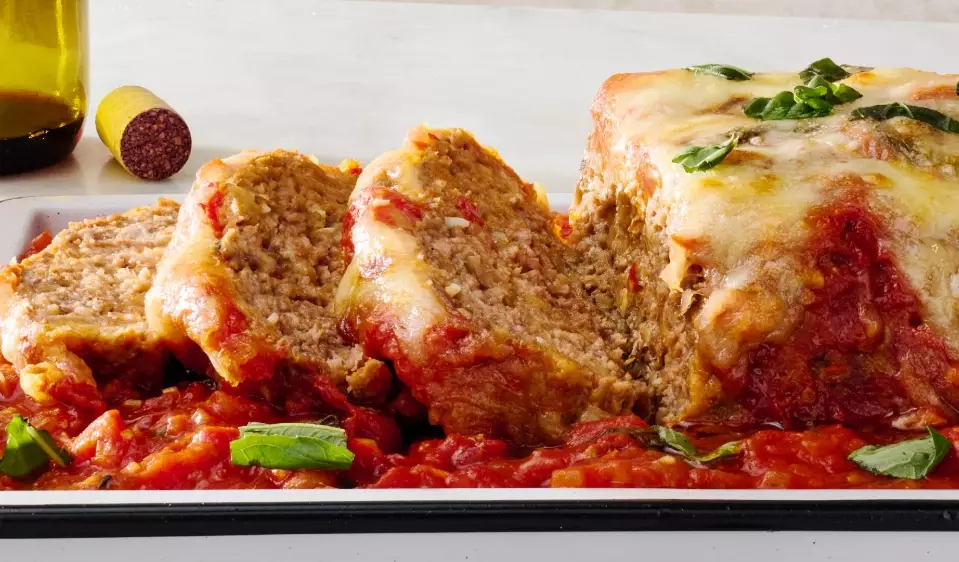
What Makes an Italian Meatloaf Different?
At its core, Italian meatloaf is about layers of flavor. While the American version might rely on a packet of onion soup mix and a ketchup glaze, the Italian approach is built from the ground up—literally.
The Meat Blend: Most recipes you'll find online stick to ground beef. That's a mistake. The traditional preparation uses a combination of ground beef, pork, and sometimes even veal. The pork adds fat and moisture, preventing dryness. I personally prefer a 50/25/25 ratio of beef to pork to veal for a more complex taste, but a simple 50/50 beef and pork mix is a fantastic and more accessible starting point.
The Seasonings: Forget the dried oregano and basil dusted at the back of your spice rack. We're using fresh. Parsley, basil, perhaps a touch of rosemary. They're not just added; they're chopped and folded in. This creates pockets of flavor throughout the loaf, rather than a uniform coating that can sometimes taste dusty.
Why This Recipe Works: The Non-Negotiables
After testing what feels like hundreds of variations, I've settled on what I call the "non-negotiables." These aren't just my preferences; they're the pillars that transform ground meat into something special.
- Soak Your Breadcrumbs: This is the step most people skip, and it shows. Dry breadcrumbs will absorb moisture from your meat mixture, leading to a drier loaf. Instead, soak your breadcrumbs (fresh or dried) in the milk called for in the recipe. Let them sit for 5 minutes. They'll become a soft paste that binds everything together gently.
- Use a Light Hand When Mixing: Here's the counterintuitive part. You want to mix the ingredients until they are just combined. Overmixing breaks down the proteins in the meat that help hold the loaf together. Use a fork or your hands gently, and stop as soon as you no longer see distinct streaks of fat.
- Let It Rest Before Slicing: I know, you're hungry. But letting the meatloaf rest for 10-15 minutes after baking allows the juices to redistribute and the proteins to set. This makes it infinitely easier to slice without it falling apart.
And one more thing about the pan: you don't need a special "meatloaf pan." A standard 9x5 inch loaf pan works perfectly. But if you want those beautiful, crusty edges on all sides, consider using a baking sheet and shaping the loaf free-form. You'll get more surface area for browning that way.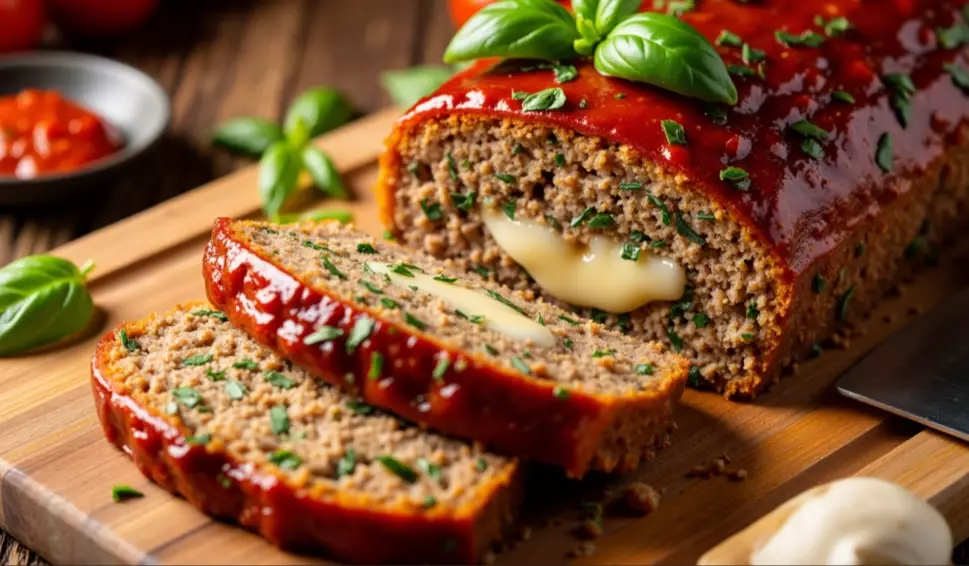
The Ingredients That Matter
Let's talk about what actually goes into this thing. I've seen recipes that call for everything under the sun, but at its heart, this is a peasant dish. It's meant to be simple, satisfying, and make the most of what you have.
Here's what you'll need for a standard loaf that serves 6-8 people:
Gathering Your Ingredients: A Simple Breakdown
This isn't a chemistry experiment where you need to be exact to the gram. Cooking is about feel. But to give you a starting point, here are the measurements I use and trust.
| Ingredient | Quantity | Why It's There |
|---|---|---|
| Ground Beef (85/15 is ideal) | 1.5 lbs (680g) | Provides the main structure and beefy flavor. The 15% fat content is crucial for moisture. |
| Ground Pork (or Italian sausage, casings removed) | 1 lb (450g) | Adds fat, moisture, and a slightly different texture. Italian sausage will bring its own seasoning. |
| Fresh Breadcrumbs (from a day-old loaf) | 1 cup (about 100g) | Acts as a binder, absorbing liquid and preventing a dense loaf. Fresh is key; dried won't work the same. |
| Whole Milk | 1/2 cup (120ml) | Soaks the breadcrumbs, adding richness and moisture. |
| Large Eggs | 2 | Bind everything together. Don't skip these. |
| Fresh Garlic, minced | 3-4 cloves | Essential. Use more if you love it, but don't use less. |
| Fresh Parsley, finely chopped | 1/4 cup | Adds a bright, fresh flavor that cuts through the richness. |
| Fresh Basil, finely chopped (or 2 tsp dried) | 1/4 cup | The Italian signature. Dried works in a pinch, but fresh is transformative. |
| Grated Parmesan Cheese | 1/2 cup (about 50g) | Adds saltiness, umami, and helps with browning. |
| Tomato Paste | 2 tbsp | Concentrates the tomato flavor and adds a touch of sweetness. |
| Italian Seasoning (or a mix of dried oregano, basil, thyme) | 1 tbsp | If you don't have Italian seasoning, a simple mix of equal parts dried oregano and basil works wonders. |
| Salt and Freshly Ground Black Pepper | To taste | Season in layers. Don't be shy with the salt; it needs to season all that meat. |
See? Nothing too crazy. But the quality of each ingredient matters. That pre-grated Parmesan cheese in a green canister? It won't melt the same way or add the same depth of flavor as a block of Parmigiano-Reggiano you grate yourself. And yes, it's more expensive. But for this dish, it's worth it.
The Role of the Tomato Sauce
Now, about that sauce. Many recipes will tell you to simply spread some ketchup or a plain tomato sauce on top. That's a disservice. The sauce for an Italian meatloaf is typically a simple tomato puree or crushed tomatoes, seasoned with garlic, herbs, and a pinch of sugar to balance the acidity. It's applied in two stages: a thin layer halfway through baking to allow the meatloaf to set, and a final, thicker layer towards the end to prevent it from burning.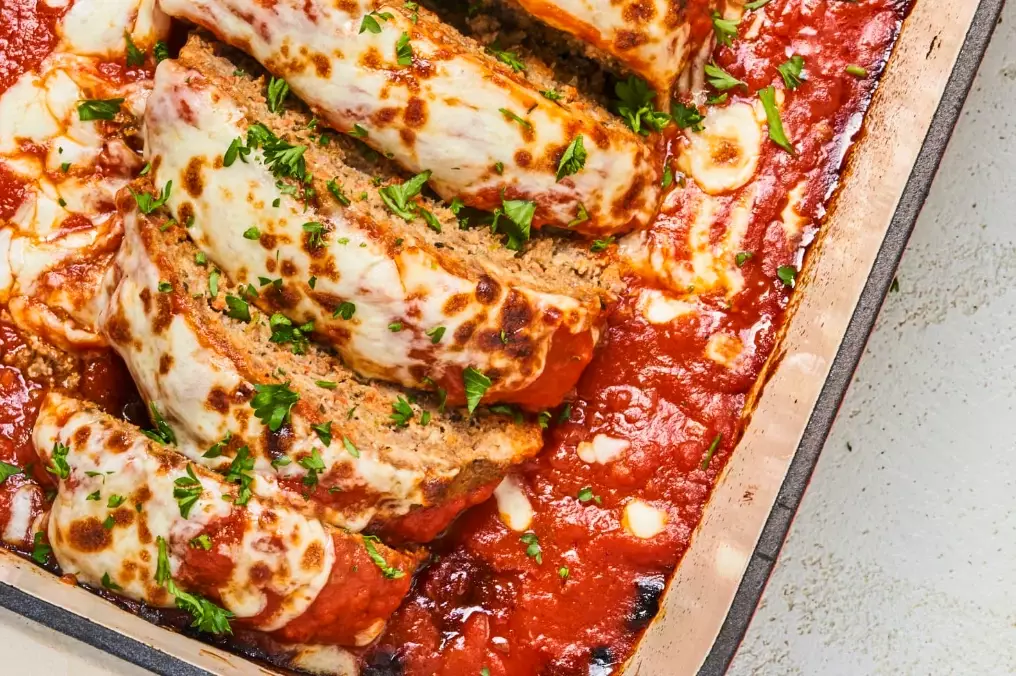
Step-by-Step Process: From Bowl to Oven
- Soak the breadcrumbs in the milk. Do this first. It gives them time to absorb the liquid fully, ensuring they won't steal moisture from your meat later.
- Combine the meats gently. In a large bowl, add the ground beef and pork. Use your hands or a fork to gently break them up and combine them. You're not making a meatball here; you just want them mixed.
- Add everything else except the eggs. Now add the soaked breadcrumbs, Parmesan, garlic, herbs, tomato paste, salt, and pepper. Again, mix gently until everything is evenly distributed.
- Make a well and add the eggs. Create a small well in the center of your mixture and crack in the eggs. Using a fork, beat the eggs lightly within the well before gradually incorporating the meat mixture from the sides into the eggs. This helps prevent overmixing when you combine everything.
- Mix until just combined. Now, using your hands (I recommend disposable gloves for this part), fold the mixture together until you no longer see any streaks of egg or dry ingredients. This should take no more than 30 seconds to a minute. Seriously, stop as soon as it's combined.
- Let it rest (optional but recommended). If you have the time, cover the bowl with plastic wrap and let the mixture rest in the refrigerator for at least 30 minutes, or up to overnight. This allows the flavors to meld and the mixture to firm up, making it easier to shape later.
- Shape the loaf. Transfer the mixture to your prepared loaf pan or shape it into a free-form loaf on a baking sheet lined with parchment paper. Use your hands to gently press it into an even shape, about 2 inches high in the center.
- Bake until golden and cooked through. The exact baking time will depend on the shape and size of your loaf, but a good starting point is 1 hour to 1 hour and 15 minutes at 350°F (175°C). You're looking for an internal temperature of 160°F (71°C) when measured in the thickest part.
Here's a trick I learned from my grandmother: if you're worried about the top browning too quickly before the inside is cooked, you can tent it loosely with aluminum foil for the last 15-20 minutes of baking. But honestly, with the right meat mixture, you shouldn't have that problem.
Common Mistakes and How to Avoid Them
I've seen it all. The hockey-puck meatloaf, the crumbly disaster, the bland disappointment. And nine times out of ten, it comes down to a few simple errors that are easily avoided.
- Mistake #1: Using only lean ground beef. Fat equals flavor and moisture. If you're using 90/10 ground beef, consider adding an extra tablespoon of olive oil to the mixture.
- Mistake #2: Overmixing the meat. This is the cardinal sin. It breaks down the proteins that help hold the loaf together. Mix gently and stop as soon as it's combined.
- Mistake #3: Not letting it rest before slicing. I know, you're hungry. But letting the meatloaf rest for 10-15 minutes after baking allows the juices to redistribute and the proteins to set. This makes it infinitely easier to slice without it falling apart.
- Mistake #4: Baking it in a sealed container. This steams the meatloaf instead of roasting it, preventing that beautiful crust from forming. Use a loaf pan without a lid, or better yet, shape it free-form on a baking sheet.
And one more thing about the pan: you don't need a special "meatloaf pan." A standard 9x5 inch loaf pan works perfectly. But if you want those beautiful, crusty edges on all sides, consider using a baking sheet and shaping the loaf free-form. You'll get more surface area for browning that way.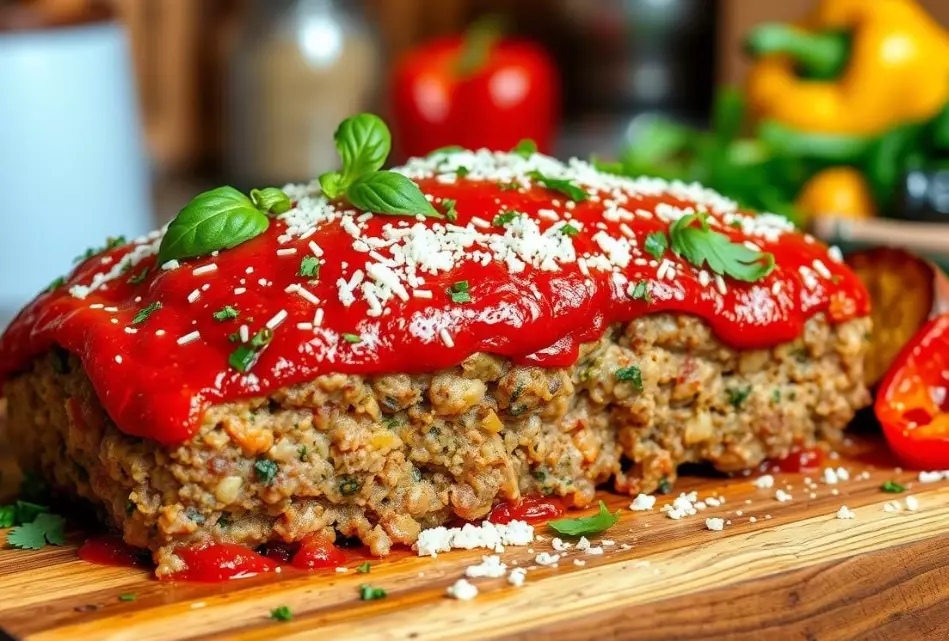
The Sauce Makes It: Crafting the Perfect Italian Tomato Glaze
Let's talk about the sauce. This isn't an afterthought; it's an integral part of the dish. And the biggest misconception is that it needs to be complicated. It doesn't.
A simple can of crushed tomatoes, simmered with a clove of garlic (smashed, not minced, so you can remove it later), a pinch of salt, and a basil leaf if you have it, is all you need. Let it simmer for 20-30 minutes until it thickens slightly. That's it. No need for fancy reductions or hours on the stove.
The key is to taste it as you go. Tomatoes vary in acidity and sweetness. Start with less salt and adjust. Remember, you can always add more, but you can't take it out.
When to Apply the Sauce
This is where many go wrong. They slather the sauce on at the beginning, only to watch it burn and turn bitter before the meatloaf is cooked through. Instead, apply a thin layer about halfway through the baking time. This allows the meatloaf to set and develop a slight crust, which helps the sauce adhere better. Then, during the last 10-15 minutes of baking, apply a final, thicker layer. This gives it just enough time to heat through and caramelize slightly without burning.
Serving and Pairing: Beyond the Slice
Here's the thing about Italian meatloaf: it's even better the next day. The flavors continue to meld and develop. So don't feel pressured to eat it all in one sitting.
My favorite way to serve it is slightly warm, with a simple green salad dressed with a sharp vinaigrette to cut through the richness. But it's also fantastic at room temperature, sliced thin and piled on crusty bread with a schmear of good butter. Leftovers? They make the most incredible sandwiches. Just slice it thick, layer it on some good bread with a little mayo and maybe some arugula, and you're in business.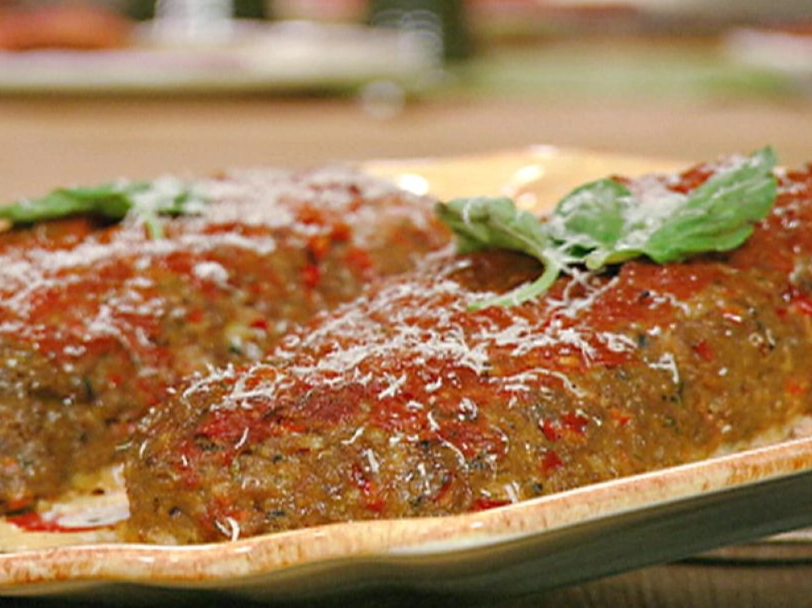
Make-Ahead Magic: Plan Your Meals
This is one of those dishes that actually benefits from being made ahead. You can prepare the entire raw meat mixture up to a day in advance, keep it covered in the refrigerator, and then simply shape and bake it when you're ready. This makes it perfect for meal planning or for those days when you know dinner will be a rush.
And if you have leftovers, don't worry. They'll keep beautifully in the refrigerator for up to 4 days, or you can freeze the baked loaf for up to 3 months. Just thaw it overnight in the refrigerator before reheating.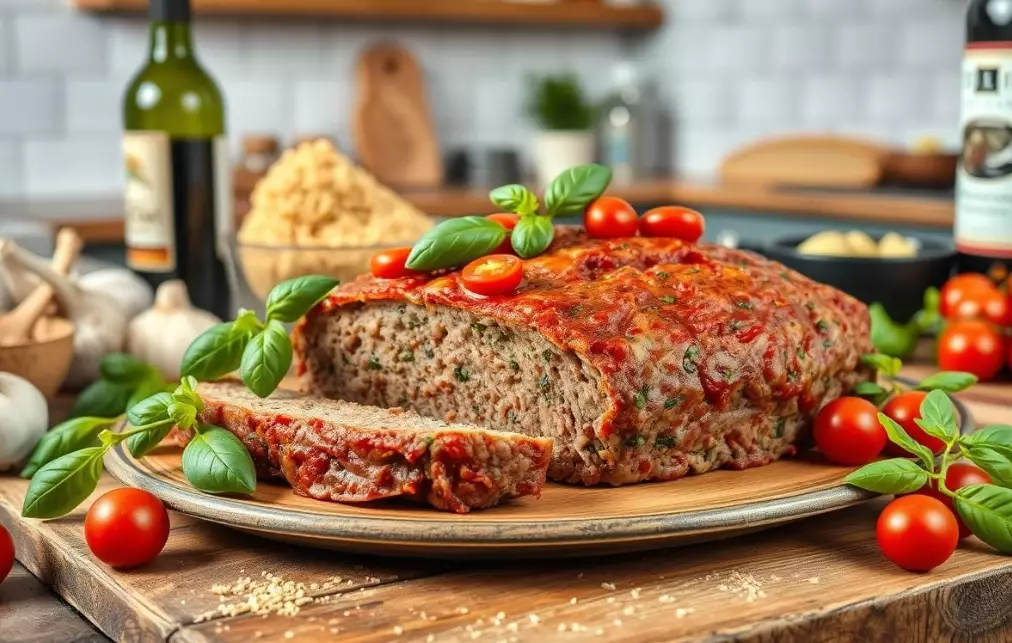
Your Burning Questions, Answered
Related Articles
Ultimate Braciole Recipe: Authentic Italian Beef Rolls in Tomato Sauce
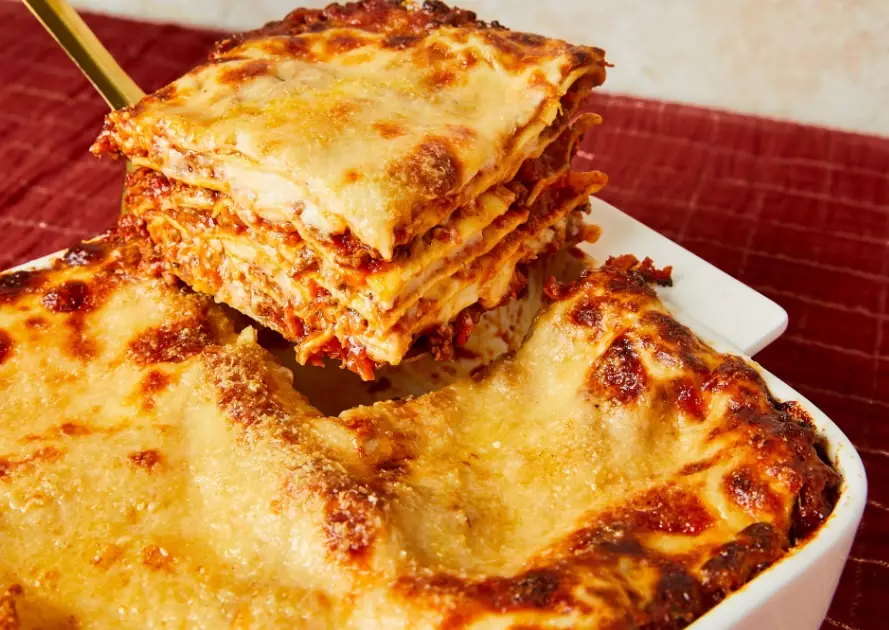
Italian Lasagna Recipe: Authentic Homemade Lasagna Guide
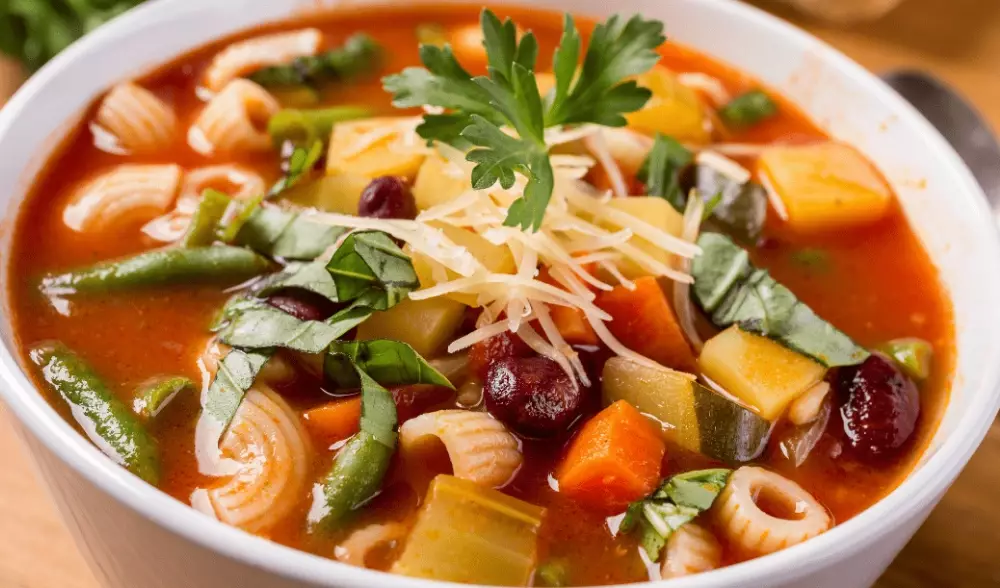
Easy Italian Soup Recipes: Quick & Authentic Comfort Food
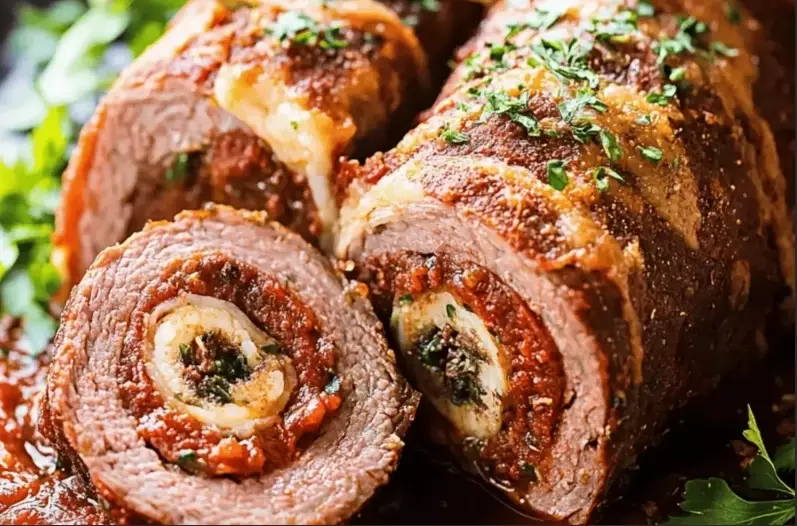
Authentic Italian Braciole Recipe: Slow-Cooked Beef Rolls

Breaking through 1.2 billion kilowatts, China has achieved its commitment to win