Authentic Italian Cookies Recipes: Classic Biscotti, Amaretti & More
Your Cookie Journey
Let's talk about Italian cookies recipes. You know, the ones you might have tried at a friend's house or seen in a bakery window that just looked... different. They're not always overly sweet, sometimes they're crunchy, sometimes chewy, often packed with nuts or almonds, and they always seem to have a story. I remember the first time I bit into a proper biscotti in a tiny café in Florence. It was rock hard! I thought I'd broken a tooth. But then I dipped it in my espresso, and it transformed into this perfect, coffee-infused, crunchy-yet-giving bite. That's the magic of Italian baking – it's often about the experience, not just a sugar rush.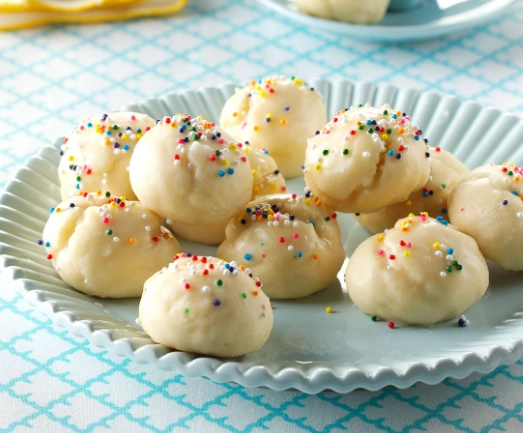
If you're here, you're probably past the supermarket stuff and want the real deal. You want to make those iconic cookies at home. The good news? A lot of classic Italian cookies recipes are surprisingly simple. They rely on technique and quality ingredients more than fancy equipment. We're going to walk through the classics, the ones every nonna knows, and I'll give you the straight talk on how to nail them. I'll also tell you where I've messed up, so you don't have to.
The Classics: Your Italian Cookie Pantheon
Italian baking isn't a monolith. Each region has its stars. But some cookies have become ambassadors worldwide. Understanding what you're making is half the battle. What makes an Italian cookie, well, Italian? Often it's the use of ingredients like almond flour, citrus zest, anise, and a restrained hand with the sugar. Texture plays a huge role too.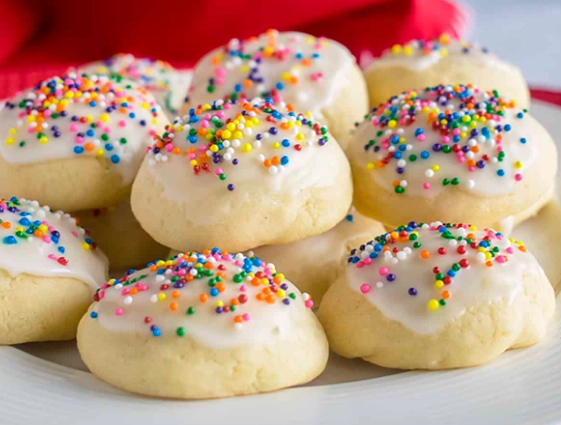
Biscotti: The Twice-Baked Legend
Let's start with the heavyweight champion. Biscotti means "twice-cooked," and that process is everything. You first bake it as a loaf, slice it, and then bake the slices again to dry them out. This gives them that famous long shelf life and dunk-perfect texture. The classic is Biscotti di Prato with almonds. But here's a personal tip: don't slice them too thin after the first bake if you like a substantial crunch. Too thin, and they can become little weapons. I've made that mistake – they were more like almond crackers.
Is the traditional Italian biscotti recipe hard? Not really. It's more about patience. You mix a simple dough (flour, sugar, eggs, whole almonds, sometimes a pinch of anise or lemon zest), shape it into logs, bake, cool, slice, and bake again. The second bake is where you control the hardness. Like them softer? Bake less. Like them to last for weeks in a jar? Bake longer until completely dry.
Amaretti: The Almond Clouds
Now for my personal favorite: amaretti. These are the chewy, fragrant macaron-like cookies made primarily with sweet and bitter almond flour, sugar, and egg whites. They have a cracked top and a dense, moist interior. The name comes from "amaro" (bitter), referring to the bitter almonds or almond extract. Making easy amaretti cookies is a fantastic starting point for home bakers. They require no flour, which is great for gluten-free friends, and the process is mostly just mixing and piping or rolling.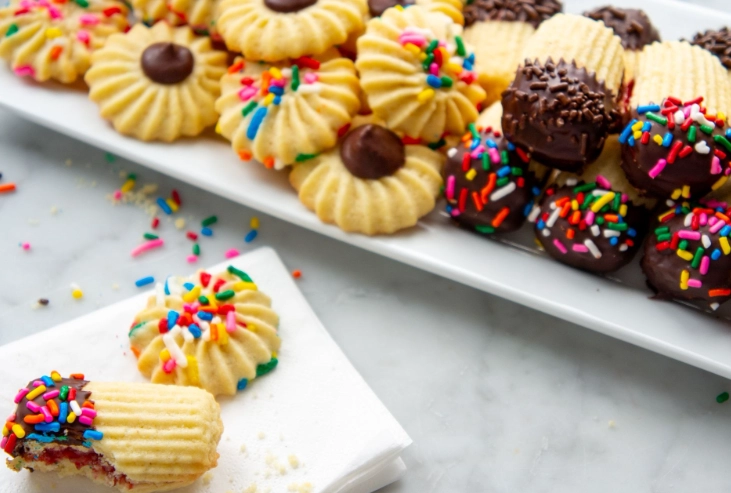
The key is the almond flour. You need a fine, high-quality one. I once tried with a coarse grind, and the texture was gritty and wrong. Lesson learned. Also, letting the piped mounds sit for 30-60 minutes before baking helps form that signature cracked crust. You can find detailed guidelines on selecting ingredients for traditional baking from sources like the Consortium for the Protection of Pecorino Romano Cheese (which, while about cheese, exemplifies the Italian focus on specific, quality ingredients). For amaretti, the almond is your star ingredient, so don't skimp.
Beyond the big two, your Italian cookie repertoire should include:
- Ricciarelli (Siena Cookies): Soft, chewy almond cookies from Siena, shaped like diamonds or ovals and dusted with powdered sugar. They're similar to amaretti but often include orange zest and are leavened with baking powder, giving a slightly different texture.
- Brutti ma Buoni ("Ugly but Good"): These live up to their name. They are rustic, craggy mounds of meringue mixed with chopped hazelnuts or almonds and lightly baked. Crunchy on the outside, chewy inside. Incredibly simple and addictive.
- S Cookies (Ciambelline al Vino): Humble, crunchy cookies often made with wine (usually white) and olive oil instead of butter or eggs. They are twisted into an "S" shape or a ring, baked until hard, and perfect for dunking in wine (yes, dunking a wine cookie in wine – it's a thing).
See the pattern? Nuts, wine, olive oil, simplicity. It's peasant food elevated to art.
Mastering the Recipes: A Side-by-Side Guide
Let's get practical. How do these classic Italian cookies recipes actually compare in the kitchen? This table breaks down what you're in for with each one. It's the cheat sheet I wish I had when I started.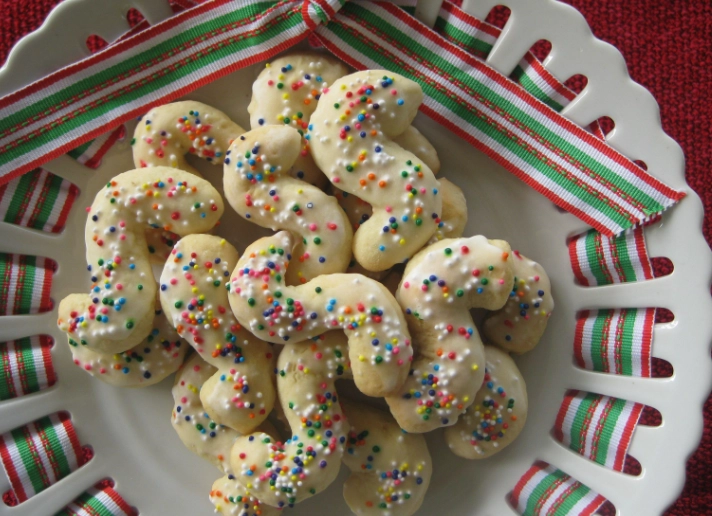
| Cookie | Key Ingredients | Texture | Skill Level | Best For... |
|---|---|---|---|---|
| Biscotti | All-purpose flour, eggs, sugar, whole almonds | Very hard & crunchy, perfect for dipping | Beginner (requires patience) | Gifts, long storage, coffee companions |
| Amaretti | Almond flour, sugar, egg whites, almond extract | Chewy, moist interior; crisp, cracked shell | Beginner to Intermediate | Gluten-free baking, elegant desserts, afternoon tea |
| Ricciarelli | Almond flour, powdered sugar, egg whites, orange zest | Soft, moist, and chewy | Intermediate | Holiday trays, special occasions |
| Brutti ma Buoni | Egg whites, sugar, chopped hazelnuts/almonds | Crunchy exterior, chewy & airy interior | Intermediate (meringue-based) | Impressing guests with "rustic" charm, using up egg whites |
| S Cookies (Ciambelline) | Flour, sugar, white wine, olive oil, baking powder | Very hard & crunchy | Beginner | Wine pairings, super simple pantry baking |
Looking at this, you can pick your project based on what's in your cupboard and your mood. Got extra egg whites? Amaretti or Brutti ma Buoni. Want something that literally lasts for months? Biscotti. Need a cookie in 30 minutes flat? Maybe look elsewhere – these respect tradition, which often means time.
A Deep Dive: The Classic Almond Biscotti Recipe
Let's bake. Here is a tried-and-true, no-fuss recipe for traditional almond biscotti. This is the blueprint. Once you master this, you can add chocolate chips, pistachios, cranberries, or dip them in chocolate.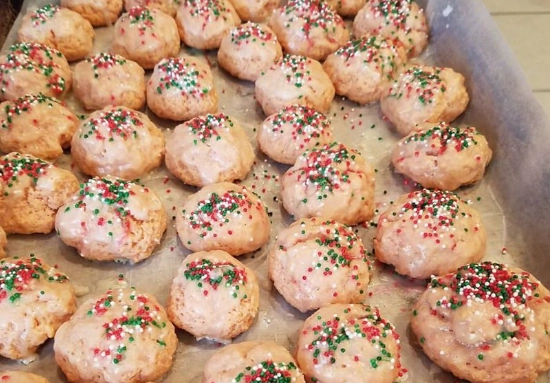
Ingredients
- 2 cups (250g) all-purpose flour
- 1 cup (200g) granulated sugar
- 1 tsp baking powder
- ¼ tsp salt
- 3 large eggs
- 1 tsp vanilla extract
- ½ tsp almond extract (optional but recommended)
- Zest of 1 lemon or orange (brightens it up)
- 1 ½ cups (200g) whole almonds, skin-on or blanched
Instructions
- Prep: Preheat your oven to 350°F (175°C). Line a baking sheet with parchment paper.
- Dry Mix: In a large bowl, whisk together the flour, sugar, baking powder, and salt.
- Wet Mix: In another bowl, lightly beat the eggs. Stir in the vanilla and almond extract, and citrus zest.
- Combine: Pour the wet ingredients into the dry. Mix with a wooden spoon or spatula until a shaggy dough forms. It will be sticky. Add the whole almonds and mix until just incorporated. Don't overmix.
- First Shape & Bake: Turn the dough out onto a lightly floured surface. Divide it in half. With floured hands, shape each half into a flat log, about 12 inches long, 3 inches wide, and ¾ inch high. Place the logs on the prepared baking sheet, leaving space between them. Bake for 25-30 minutes, until the logs are golden, firm to the touch, and a crack may appear on top.
- Cool & Slice: Remove the logs from the oven and let them cool on the sheet for 15-20 minutes. Reduce the oven temperature to 325°F (160°C). Transfer one log to a cutting board. Using a serrated bread knife, slice it on a slight diagonal into ½-inch to ¾-inch slices. Slicing on a diagonal gives you longer, classic biscotti. Repeat with the second log.
- Second Bake: Place the slices cut-side down back on the baking sheet. You can crowd them a bit now. Bake for 15-20 minutes, then flip each cookie over and bake for another 10-15 minutes. This is the drying stage. They should be dry and lightly golden. For softer biscotti, bake less. For harder, drier, longer-storing biscotti, bake longer.
- Cool Completely: Let them cool completely on a wire rack. They will continue to crisp up as they cool.
And there you have it. The foundation of countless Italian cookies recipes. Store them in an airtight container. They keep for weeks, honestly. I've forgotten a jar in the pantry for a month and they were still perfect for dunking.
Navigating Common Questions & Ingredient Mysteries
What's the deal with "00" flour? Do I need it for cookies?
For most Italian cookies, no. "00" flour is a very finely milled, soft wheat flour with low protein content, perfect for tender pasta and pizza dough. For cookies like biscotti that need some structure, or amaretti that use no wheat flour at all, all-purpose flour is absolutely fine. Save the fancy "00" for your fresh pasta endeavors. The Italian Ministry of Agricultural, Food and Forestry Policies has resources on protected Italian agri-food products, highlighting how specific regions and flours are tied to specific products, but for home cookie baking, don't stress.
Can I substitute almond flour for hazelnut flour?
Often, yes! It will change the flavor profile, of course. Hazelnut flour (finely ground hazelnuts) is glorious in Brutti ma Buoni or as a partial substitute in ricciarelli. Just make sure it's fine and fresh. Nut flours go rancid quicker than wheat flour, so smell them before using.
My amaretti spread too much / didn't crack. What went wrong?
Spreading usually means the dough/batter was too wet or warm. Make sure your egg whites are at room temperature, but your mixture shouldn't be runny. It should hold a shape when piped or rolled. Letting the shaped cookies sit before baking is critical for the skin that leads to cracking. No skin, no dramatic cracks. They'll still taste good, though!
Are there authentic Italian cookies recipes without nuts?
It's tougher, as nuts are a cornerstone. However, cookies like Savoiardi (ladyfingers) are nut-free. Some simple butter cookies (Pasta Frolla based) or wine cookies (Ciambelline al Vino) can also be made without nuts. But the almond-heavy classics are, well, classic for a reason.
How do I store these cookies to keep them fresh?
This is key. The dry, twice-baked ones like biscotti and S cookies love an airtight container at room temperature. The chewy ones like amaretti and ricciarelli need to be kept in an airtight container too, but you might add a piece of bread or a terra cotta disc to keep them moist. The moisture from the bread keeps the cookies from hardening. If your chewy cookies dry out, they're not ruined – they become dunkers!
Taking It Further: Variations & Your Next Steps
Once you're comfortable, play around. Here are some trusted twists on the classic Italian cookies recipes:
- Chocolate-Dipped Biscotti: Melt dark chocolate, dip one end of the cooled biscotti in it, let it set on parchment. Simple luxury.
- Pistachio & Cranberry Biscotti: Substitute half the almonds with chopped pistachios and add a handful of dried cranberries to the dough.
- Chocolate Amaretti: Add 2 tablespoons of unsweetened cocoa powder to the almond flour mix for a deep, chocolatey version.
- Lemon-Rosemary S Cookies: Add the zest of two lemons and a tablespoon of finely chopped fresh rosemary to your ciambelline dough. Surprisingly amazing with a glass of Prosecco.
Want to dive deeper into the history and context? Resources like the Food Historian blog often explore the origins of dishes like biscotti, tracing them back to Roman times as durable travel food for soldiers and sailors. It adds a whole new layer to your baking.
And what about ingredients? For things like understanding different almond products, the International Dairy Foods Association isn't directly about almonds, but reputable food science and ingredient sites help you understand how components like marzipan (almond paste) differ from almond flour, which is crucial for some recipes.
Final Thoughts Before You Preheat the Oven
Baking these cookies connects you to a centuries-old tradition of home bakers using what they had – nuts from their trees, wine from their cellar, eggs from their chickens. It's forgiving in its simplicity. Your biscotti might not be perfectly identical. Your amaretti might have wild, uneven cracks. Your Brutti ma Buoni will definitely be ugly. But they will be good. More than good.
The goal isn't a picture-perfect, uniform cookie from a factory line. The goal is flavor, texture, and that feeling of creating something real. So grab your almond flour, your biggest mixing bowl, and just start. Maybe with the easy amaretti cookies. You'll fill your kitchen with an incredible smell, and you'll have a plate of honest-to-goodness Italian cookies to show for it. That's a win in my book.
Got a question I didn't cover? Tried a recipe and something weird happened? That's the fun part – the learning, the tweaking, the sharing. That's how these recipes have lived for generations, and how they'll keep living, one batch at a time, in your kitchen.
Related Articles

Best Italian Cocktails: From Classic Negroni to Modern Aperitivo

Ultimate Guide to Italian Sausage Recipes: From Classic to Creative

Sudden bad news! A-shares plunged, Hong Kong stocks fell more than 2%, and there
Ultimate Guide to Best Italian Appetizer Recipes for Any Occasion
Ultimate Vegetarian Pasta Recipes: Flavorful & Easy
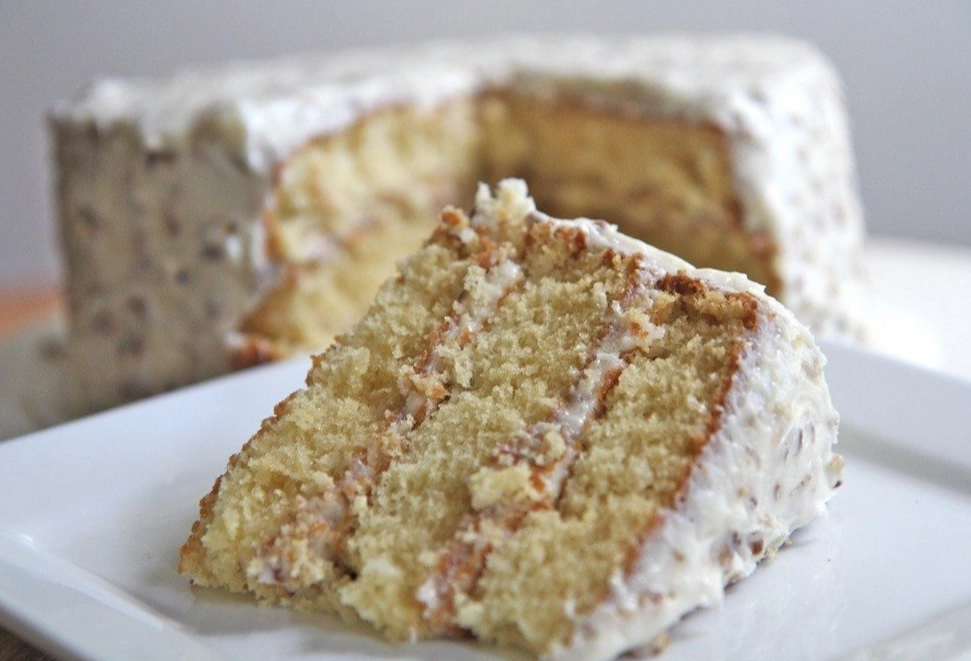
Italian Cream Cake Recipe: A Southern Classic with Italian Flair
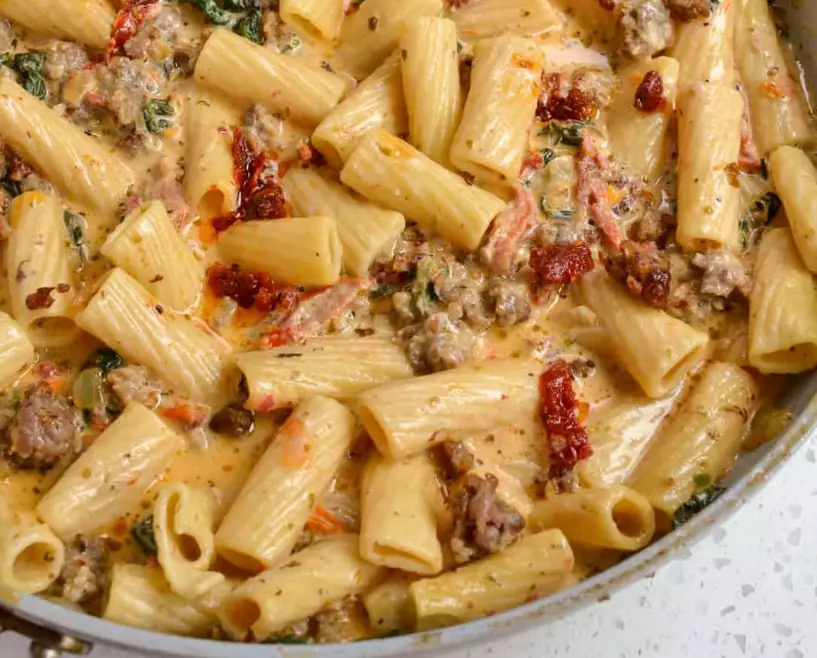
Italian Sausage Recipes: From Classic Pasta to Grilled Skewers
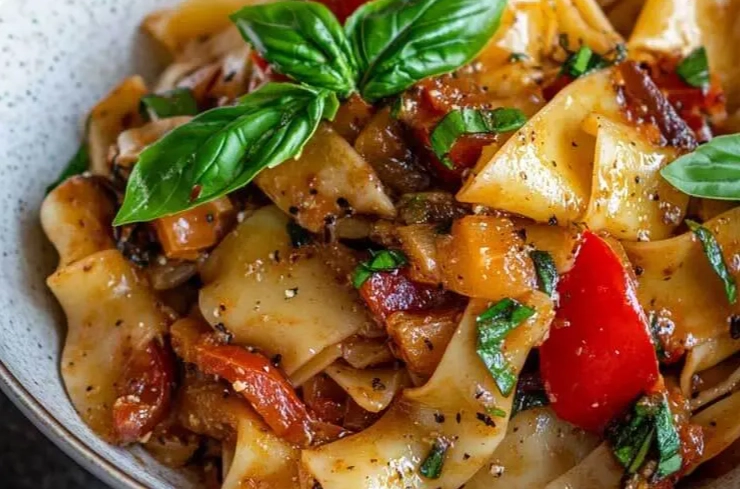
Authentic Italian Drunken Noodles Recipe (Pasta alla Ubriaca)
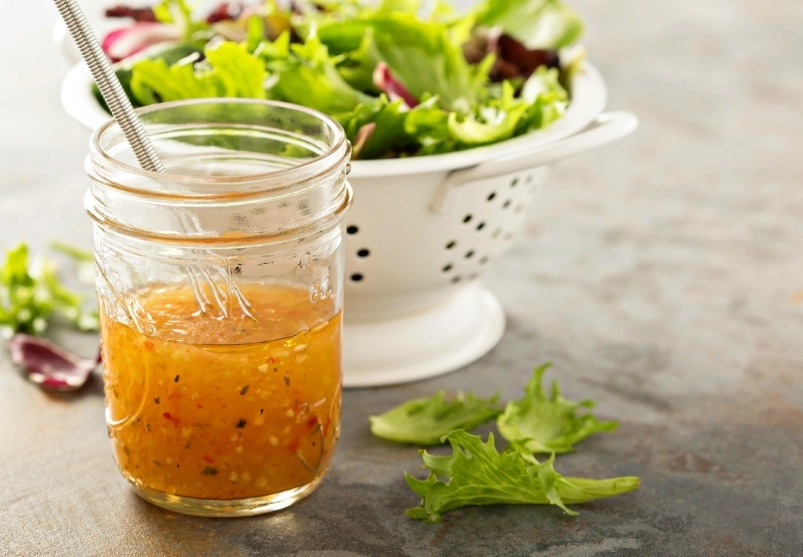
Italian Vinaigrette Recipe: The Only Guide You'll Ever Need
Master the Classics: The Best Italian Recipes You Need to Know

The fourth wave of internationalization of global auto companies, how can China

Performance exploded! Sungrow Power Supply made a huge profit of tens of billion
What Are the Most Popular Italian Appetizers? A Complete Guide to Antipasti
Authentic Italian Chicken Recipes: From Classics to Modern Twists
Make-Ahead Italian Appetizers: Stress-Free Recipes & Tips for Any Gathering
Easy Italian Baked Dinner Recipes: Lasagna, Chicken Parm & More

Paris Notes 10: Visiting Galeries Lafayette, more than half of the "saleswomen"
Easy Italian Wedding Soup Recipe (Authentic Flavor, Simple Steps)
Italian Sausage Soup: Authentic Recipes & Pro Tips

Tesla VS BYD: A new wave of insurance for electric car giants
Ultimate Guide to Italian Sandwich Recipes: From Classics to Modern Twists
Authentic Italian Steak Recipe: Bistecca alla Fiorentina Guide

Two 1 billion US dollars of large model financing, Internet giants are starting
Ultimate Italian Beef Crock Pot Recipe: Tender & Juicy
Best Italian Baked Dishes Recipes: Authentic & Easy to Make
Unlock Flavor: 5 Essential Italian Seasoning Recipes & Pro Tips

Restarting private investment|"Caijing" special report
Traditional Italian Dinner Party Recipes: An Authentic Menu from Start to Finish
Master Old School Italian Recipes: Authentic Pasta, Ragù & More
Leave a Comment