Authentic Italian Bolognese Recipe: The Real Ragù from Bologna
Let's be honest. Most of us have a go-to "spaghetti bolognese" recipe. Ground beef, a jar of marinara, maybe some herbs. It's fine for a Tuesday. But it's not ragù alla bolognese. The real deal from Bologna is something else entirely—a slow-simmered masterpiece of meat, wine, and milk that clings to pasta like a warm hug. It's not a tomato sauce with some meat in it; it's a meat sauce gently enriched with tomato. Getting it right means understanding a few non-negotiable rules, and I learned most of them the hard way, after a decade of cooking in Italian kitchens and, frankly, messing it up at home more than once.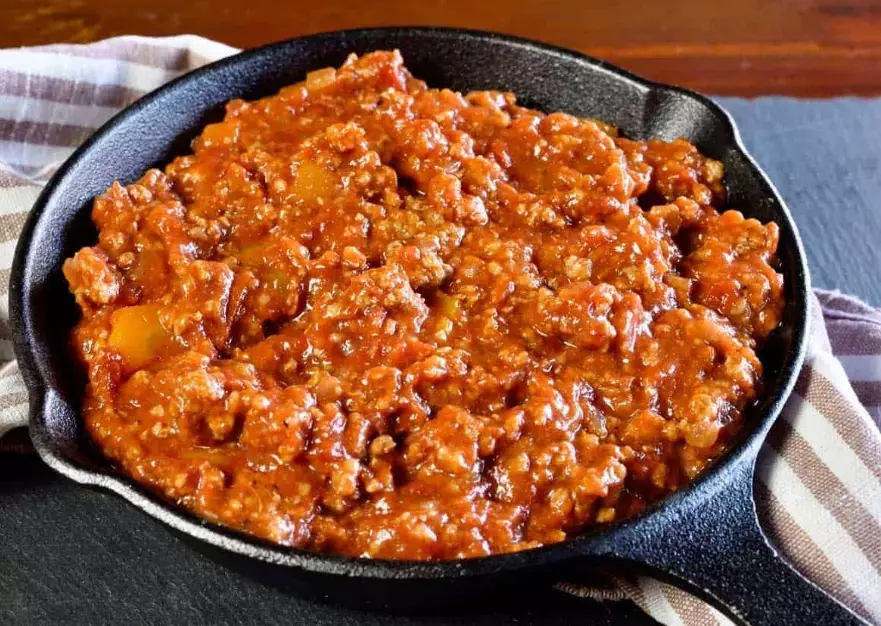
What You'll Find in This Guide
What Real Bolognese Actually Is (And Isn't)
First, a quick myth-buster. Authentic ragù bolognese is protected by a recipe deposited with the Bologna Chamber of Commerce in 1982. It's specific. It uses a mix of meats (never just beef), includes milk or cream, and has very little tomato relative to the meat. Garlic? Nowhere to be found in the official recipe. It's a brown sauce, not a red one.
The biggest mistake I see is treating it like a quick weeknight sauce. You can't rush this. The magic happens in the third hour of simmering, when the sharp edges of the wine and tomato melt away, and the meat fibers break down into something impossibly tender. If your "bolognese" is done in 45 minutes, you've made a different, faster sauce—which is fine, but don't call it ragù.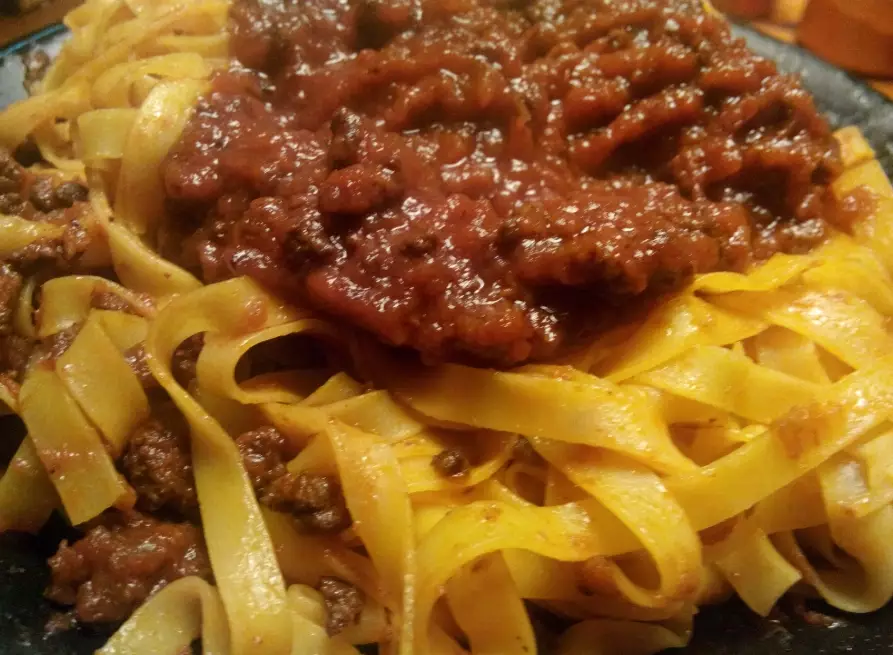
The Ingredients: Why Each One Matters
The Non-Negotiables for Ragù
The Soffritto: Onion, carrot, celery. Finely diced by hand, not pulsed in a food processor (which makes them watery). This is the flavor foundation. The ratio matters: I use 2 parts onion to 1 part carrot and 1 part celery.
The Meat: A combination is key. The official recipe calls for ground beef pancetta, but a mix of beef and pork is the home cook's best bet. The pork adds fat and sweetness, the beef gives body. Using only lean beef is a sure path to a dry, disappointing sauce.
The Dairy: Whole milk or, in some traditions, cream. This is the secret weapon that tenderizes the meat and adds a subtle richness, countering the acidity. You add it before the tomatoes.
The Tomato: A small amount of tomato paste and crushed tomatoes or passata. The goal is a hint of tomato, not a tomato soup. A 28-oz can is too much. You want about half that.
The Liquid: Dry white wine (not red!) and broth. The wine deglazes and adds acidity; the broth provides the slow-cooking medium.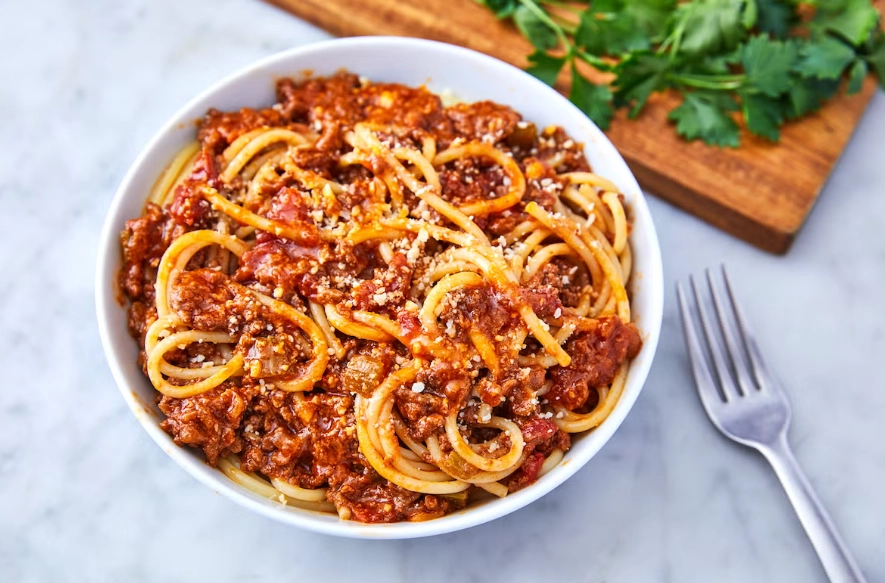
The Step-by-Step Process: No Shortcuts
1. Building the Soffritto (The 20-Minute Rule)
Heat olive oil and a knob of butter in a heavy pot (a Dutch oven is perfect). Add your finely diced vegetables with a pinch of salt. Cook them over low heat for at least 20 minutes, stirring occasionally. You're not frying them; you're sweating them until they're soft, sweet, and almost melted together. This step cannot be rushed. If you see browning, your heat is too high.
2. Browning the Meat (The Batch Secret)
Increase the heat to medium-high. Add your ground meat mix in batches. This is critical. If you crowd the pan, the meat steams and turns gray, releasing all its juices at once. You want proper browning (the Maillard reaction) for deep flavor. Brown one batch well, remove it with a slotted spoon, then brown the next. It takes a few extra minutes but changes everything.
 3. The Deglaze and Enrichment
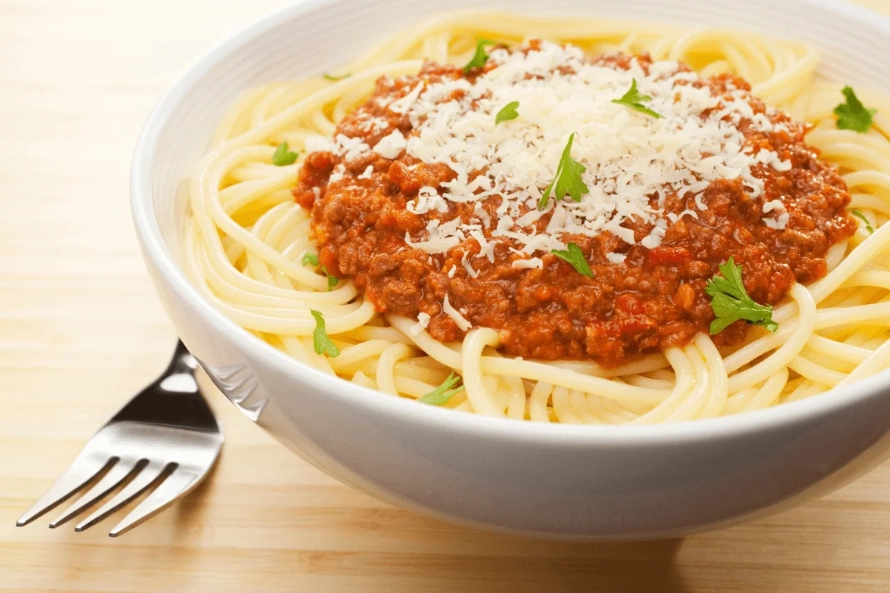
Once all meat is browned and back in the pot, pour in the white wine. Let it bubble fiercely until the raw alcohol smell is gone and the wine is mostly evaporated. Now, add the milk. Let it simmer gently until it too is fully absorbed. This step tenderizes the meat.
4. The Long Simmer
Stir in the tomato paste, cook for a minute, then add the crushed tomatoes and enough broth to just barely cover the meat. Bring to a very gentle bubble, then reduce the heat to the lowest setting. Partially cover the pot. Now, you wait. Stir every 20-30 minutes. If it looks dry, add a splash of broth or water. You're aiming for 3 to 4 hours. The sauce will transform from a watery, separate mess into a thick, cohesive, glossy ragù.
The Science Behind the Simmer
Why so long? Two key processes. First, collagen breakdown. The connective tissue in the meat melts into gelatin, giving the sauce body and a silky mouthfeel. Second, flavor concentration and integration. Water evaporates, flavors intensify and marry. The acidity from the wine and tomato mellows. The fat emulsifies into the sauce, creating a rich, unified texture that coats the pasta perfectly. A 90-minute sauce tastes like separate ingredients in a pot. A 4-hour sauce tastes like one glorious thing.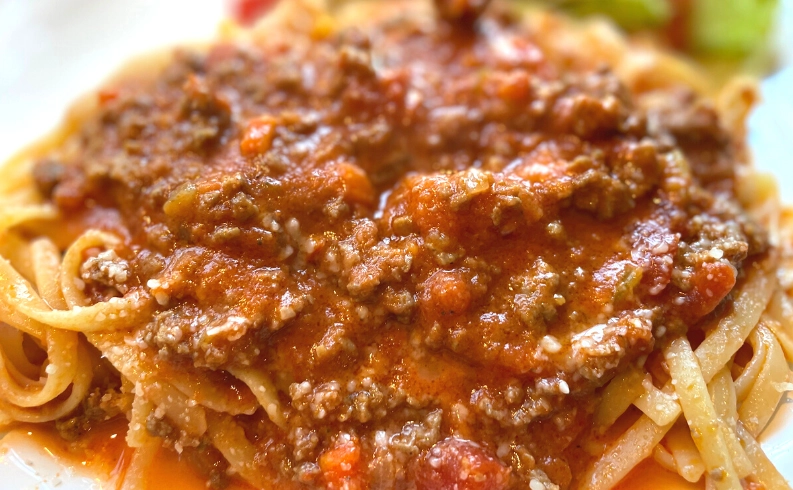
Your Bolognese Questions, Answered
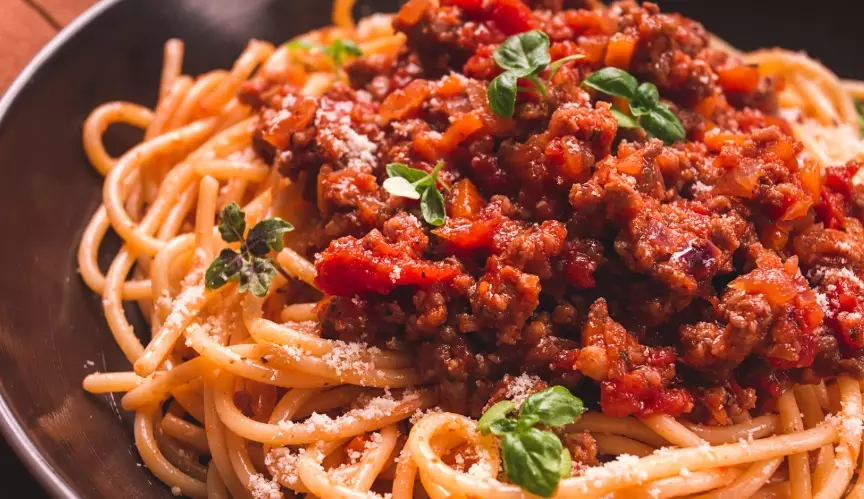 My Bolognese sauce always turns out dry and grainy. What am I doing wrong?
So there you have it. It's not the quickest recipe, but it might be the most rewarding one in your repertoire. The smell that fills your house, the depth of flavor, the way it improves the next day—it's worth every minute. Skip the shortcuts, embrace the slow cook, and you'll never look at that jar of pre-made sauce the same way again.
Related Articles

Rescue the market requires real money, not IPO suspension

Top 10 Italian Foods: The Ultimate List of Must-Try Dishes
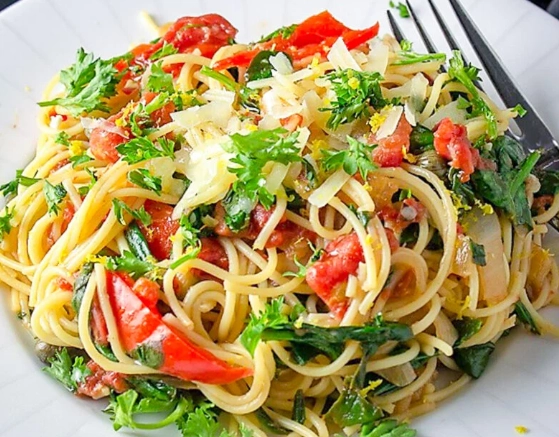
Ultimate Vegetarian Pasta Recipes: Flavorful & Easy
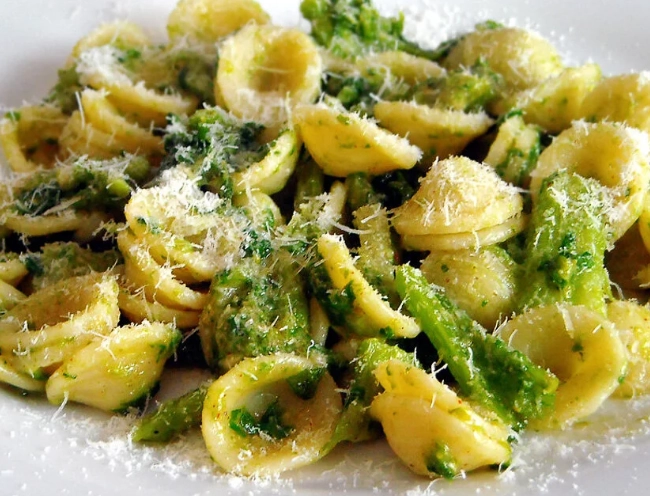
Authentic Italian Regional Recipes: A Guide to Italy's Best Local Dishes
Authentic Italian Steak Recipe: Bistecca alla Fiorentina Guide

Master Old School Italian Recipes: Authentic Pasta, Ragù & More

Amazon on the fire
Mastering Classic Italian Baked Dishes: Recipes & Secrets

Homemade Italian Ice Recipe: Smooth, Grain-Free & Authentic

Why did China Resources take over Tasly?
The Ultimate Italian Sandwich Recipe: A Step-by-Step Guide

Best Italian Cocktails: From Classic Negroni to Modern Aperitivo
The Ultimate Guide to a 3 Course Vegetarian Italian Meal
Easy Crusty Italian Bread Recipe: Homemade Ciabatta & Focaccia

Ultimate Guide to Italian Sandwich Recipes: From Classics to Modern Twists
Authentic Italian Pasta Recipes: From Carbonara to Pesto

Ultimate Guide to Italian Slider Variations & Recipes
Authentic Italian Carbonara Recipe: The Only Guide You'll Ever Need
Authentic Italian Recipes: Secrets from a Roman Kitchen

Sudden good news! The RMB surged 300 points, 4,100 A-shares rose, and banks that
Simple Italian Regional Recipes: Authentic Dishes Made Easy

What is the dispute over the open and closed source of large models?
Easy Italian Regional Recipes: Authentic Dishes You Can Actually Make
Authentic Italian Chicken Recipes: From Classic Pollo alla Cacciatora to Modern Favorites
Traditional Italian Recipes from Scratch: The Heart of Home Cooking
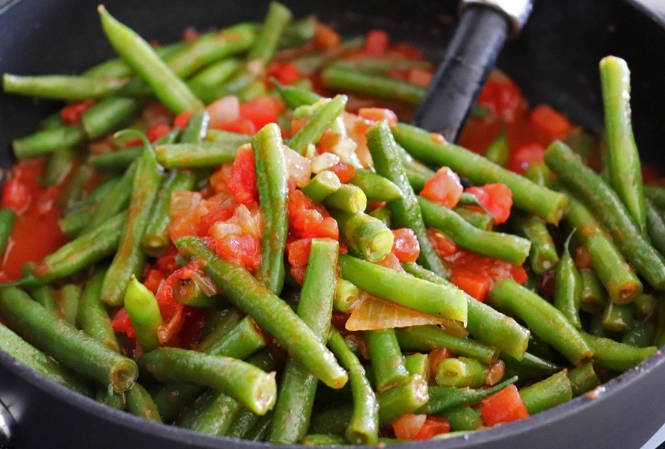
Authentic Italian Green Beans Recipe: A Classic Nonna's Method

Three years and five visits to the Hong Kong Stock Exchange, can Wumart realize

The largest IPO in the A-share market in 13 years has been terminated, and it wa
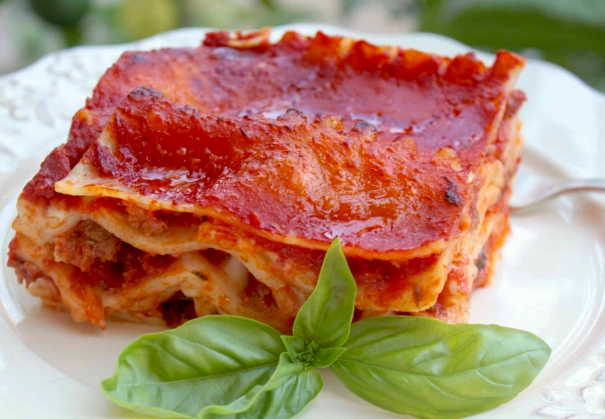
Authentic Italian Recipes: Your Ultimate Guide to Mastering Classics at Home
Leave a Comment