Authentic Italian Tomato Sauce Recipe: Secrets from a Home Cook
Let's be honest. Most homemade Italian tomato sauce recipes end up tasting like glorified ketchup—too sweet, too acidic, or just bland. I've been there, staring at a pot of watery red liquid wondering where I went wrong. After years of tweaking, burning a few batches, and learning from mistakes, I've nailed a method that works every time. This isn't just another list of ingredients; it's about understanding why each step matters. You'll get a sauce that clings to pasta, bursts with flavor, and makes you feel like a nonna in your own kitchen.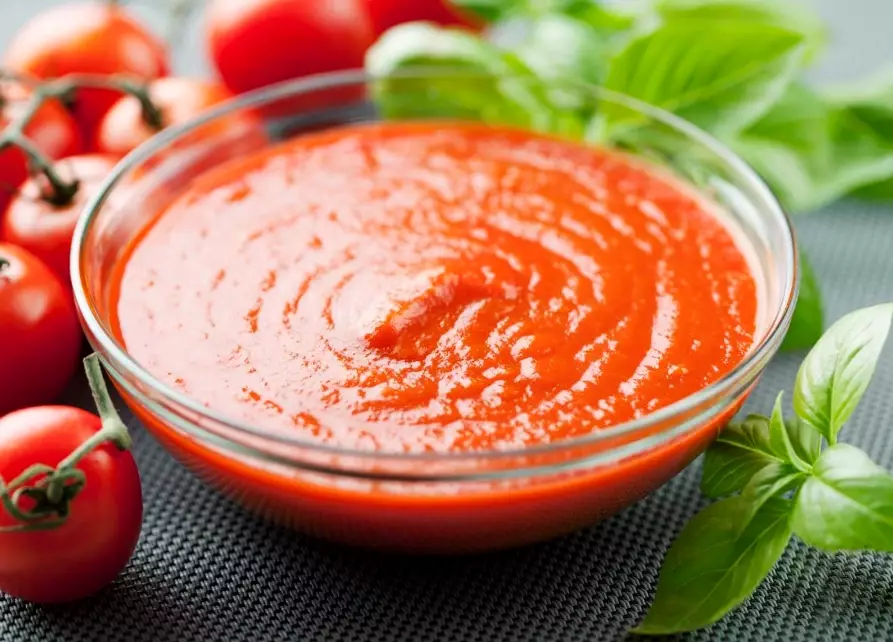
What You'll Find in This Guide
The Ingredients That Actually Matter
Forget the fancy stuff. Authentic Italian tomato sauce hinges on a few key players. Get these right, and you're halfway there.
Tomatoes: The Heart of the Sauce
This is where most people mess up. Using cheap, watery tomatoes gives you a sauce that tastes like tin. I learned this the hard way when I grabbed whatever was on sale—big mistake. San Marzano tomatoes are the gold standard, especially if they have DOP certification (like those from the Campania region). They're less acidic and sweeter. If you can't find them, high-quality canned whole plum tomatoes work. Fresh tomatoes? Sure, but they need more work. Roma tomatoes are good, but you'll simmer longer.
Here's a tip: check the label. Avoid tomatoes with added citric acid or calcium chloride—they mess with the texture. The Associazione Verace Pizza Napoletana emphasizes tomato quality for authentic Italian cuisine, and it applies to sauce too.
Olive Oil, Garlic, and Herbs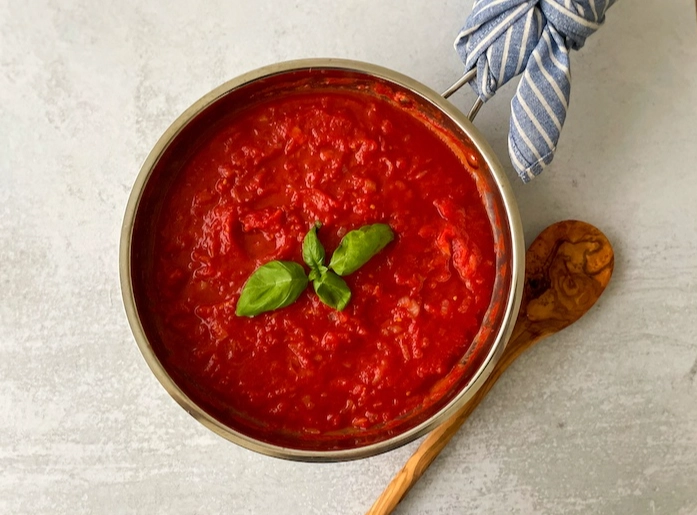
Extra virgin olive oil isn't just for drizzling. It's the base that carries flavor. Use a good one—you'll taste the difference. Garlic should be sliced, not minced, to infuse gently without burning. Herbs? Fresh basil is non-negotiable. Dried oregano can add depth, but add it early. Some recipes call for onions or carrots; I add a grated carrot sometimes to cut acidity naturally.
Insider note: Don't skimp on olive oil. A generous pour (about 1/4 cup for a large batch) creates a rich base. I once used cheap oil, and the sauce tasted flat.
The Step-by-Step Cooking Process
This isn't a rush job. Good sauce needs time. Here's how I do it, broken down so you can follow along.
Start with the base. Heat olive oil in a heavy-bottomed pot over medium-low. Add sliced garlic and let it sizzle until fragrant—about 2 minutes. Don't let it brown. If using onions or carrots, add them now and cook until soft.
Tomato time. Crush the canned tomatoes by hand into the pot. Why by hand? It gives a rustic texture. Pour in the juices too, but if the tomatoes are packed in puree, use it all. Stir in a tablespoon of tomato paste for depth. This step builds umami.
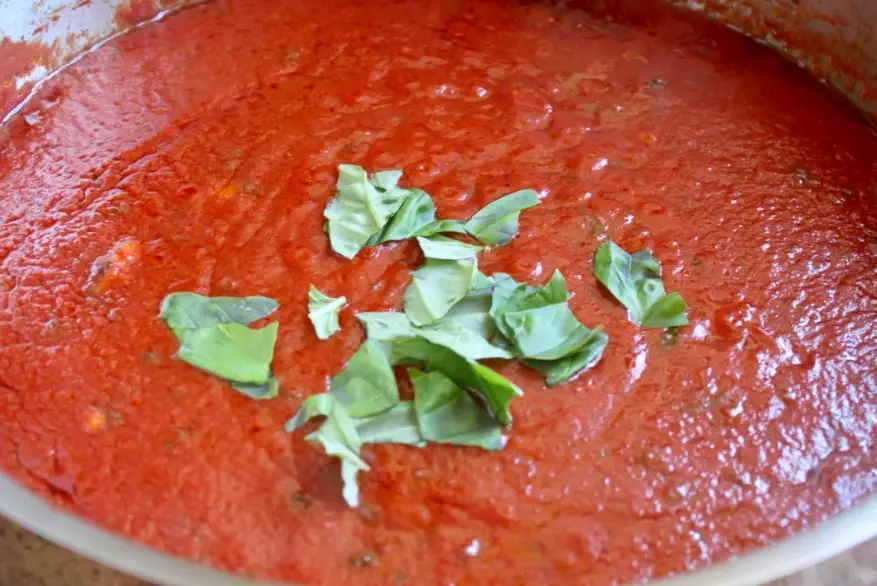
The simmer. Bring to a gentle bubble, then reduce heat to low. Partially cover and let it simmer. Here's the key: simmer for at least 45 minutes, stirring occasionally. I go for 90 minutes if I have time. The sauce thickens, flavors meld, and that raw tomato taste disappears. You'll see it transform from bright red to a deeper, richer hue.
Finish with herbs. Tear fresh basil leaves and stir them in at the end. Salt and pepper to taste. Some add a pinch of red pepper flakes for heat—I do if I'm serving with spicy sausage.
Imagine a Sunday afternoon, the smell filling your kitchen. That's the goal.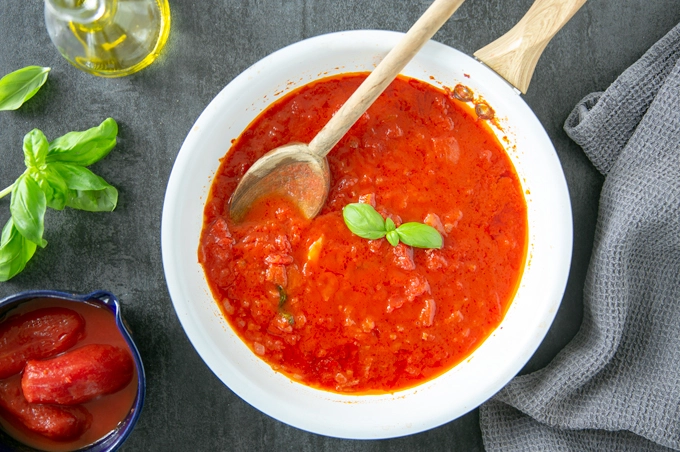
Pro Tips and Little-Known Tricks
These aren't in most recipes. They come from trial and error.
Use a food mill for smooth sauce. If you hate chunks, pass the cooked sauce through a food mill. It removes seeds and skins, giving a velvety texture. I didn't own one for years and used a blender, but blending can make it too smooth—almost baby food-like.
Salt strategically. Add salt early to draw out flavors, but adjust at the end. Undersalting is a common flaw. Taste as you go.
Acidity control. If your sauce tastes sharp, don't reach for sugar. A tiny pinch of baking soda neutralizes acid without sweetness. Or, add a splash of red wine during cooking—it deepens the flavor. I learned this from a chef in Rome who scoffed at sugary sauces.
Watch out: Don't add dairy like cream or cheese until serving. Adding it early can cause separation. I ruined a batch by stirring in Parmesan too soon—it turned grainy.
Common Mistakes and How to Avoid Them
Let's address the elephants in the room. I've made these errors so you don't have to.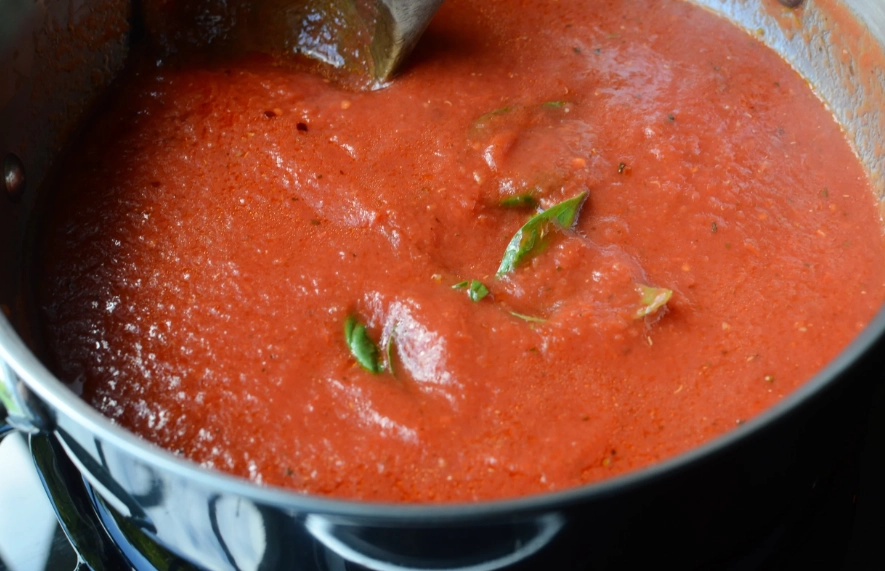
Mistake 1: Cooking on high heat. Tomato sauce burns easily. Low and slow is the mantra. If you rush it, you'll get a bitter, scorched taste.
Mistake 2: Using too much water. If you're adding pasta water to the sauce (a good trick for silkiness), do it at the end. Adding water early dilutes flavor.
Mistake 3: Skipping the reduction. That watery sauce? It hasn't cooked down enough. Simmer uncovered towards the end to thicken. Patience pays.
Mistake 4: Overloading with herbs. Fresh basil is delicate. Adding it too early makes it bitter. Save it for the last few minutes.
Think of sauce-making as a meditation. It's not complicated, but it demands attention.
Your Burning Questions Answered
 Can I make Italian tomato sauce ahead and freeze it for later?
Making Italian tomato sauce isn't rocket science, but it's an art. Start with good ingredients, take your time, and don't be afraid to tweak. Your pasta nights will never be the same. Got more questions? Drop them in the comments—I love geeking out over sauce.
Related Articles
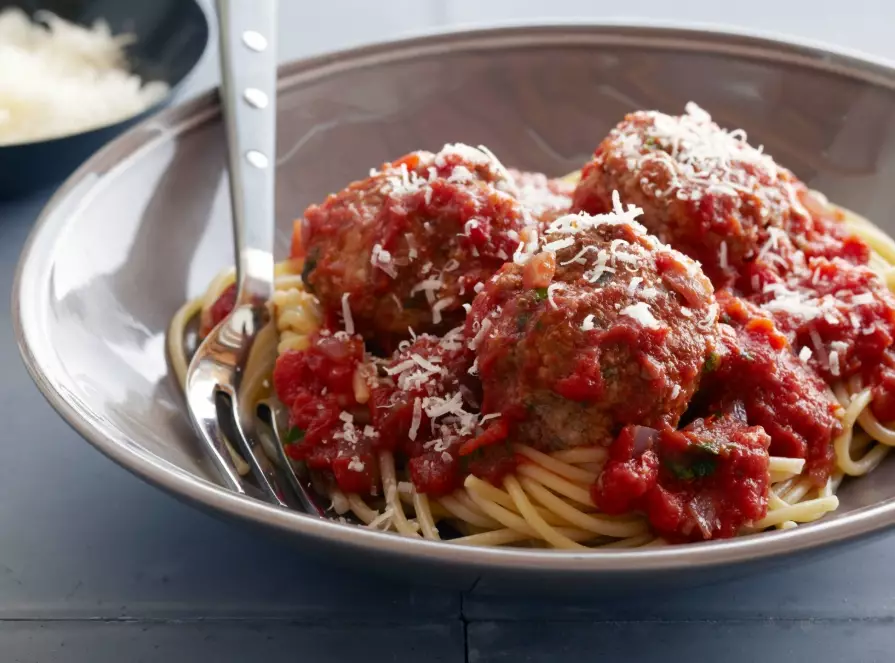
The Ultimate Guide to Authentic Italian Meatballs: A Family Recipe

Easy Italian Recipes: 5 Classics Anyone Can Master at Home

Tesla VS BYD: A new wave of insurance for electric car giants
What is a Good Appetizer Before Pasta Dinner? 15+ Expert Picks & Pairing Guide
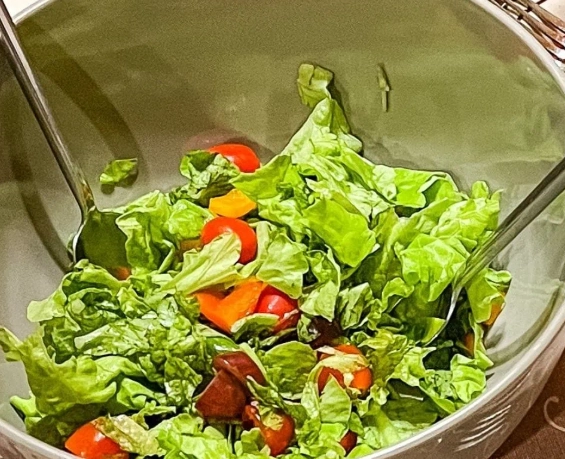
Simple Italian Green Salad Recipe & Authentic Dressing Tips