Authentic Italian Steak Recipe: Bistecca alla Fiorentina Guide
Let's talk about Italian steak. Not just any steak, but Bistecca alla Fiorentina. If you've ever been to Florence and had the real thing, you know it's not just a meal; it's an event. A massive, bone-in T-bone, charred on the outside, gloriously rare on the inside, seasoned with nothing but salt, pepper, and maybe a drizzle of local olive oil after cooking. It's deceptively simple, which is why so many home cooks get it wrong. I've seen recipes that overcomplicate it with marinades or cook it to medium-well. That's not it. Today, we're going deep on how to do it right, the Tuscan way.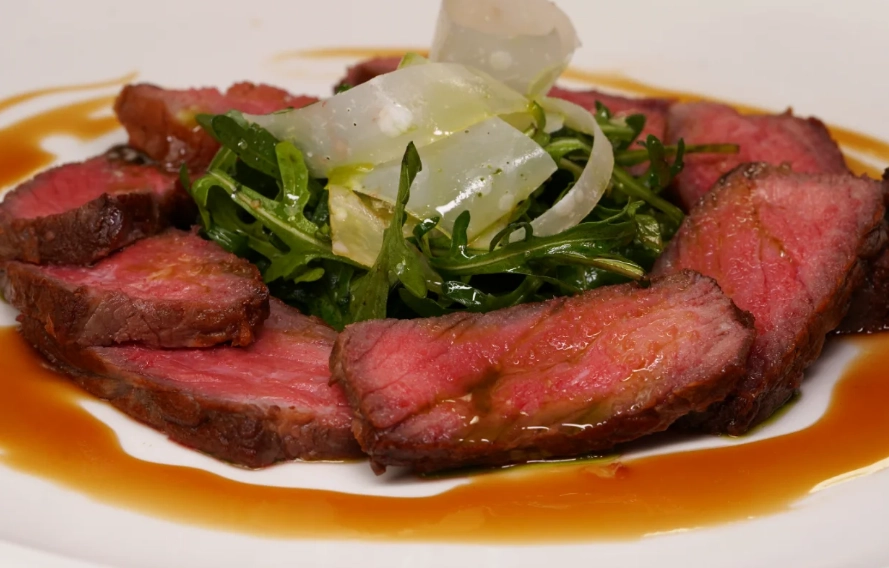
What's Inside This Guide
What is Bistecca alla Fiorentina?
This isn't just a "steak recipe." It's a cultural icon from Tuscany. The name means "Florentine-style steak," and its history is tied to the Medici family and the celebration of the feast of San Lorenzo. Traditionally, it's made from the Chianina cattle, a ancient, white-coated breed native to the Valdichiana area in Tuscany, known for its lean yet flavorful meat. The cut is a T-bone or Porterhouse (costata), taken from the short loin, and it's always thick—at least 3 fingers high, or about 1.5 to 2 inches (4-5 cm).
The cooking method is primal: seared over a blazing hot wood or charcoal fire. The goal is a dark, crisp, almost charred crust that seals in the juices, leaving the interior *al sangue* (blood-rare) or at most *al punto* (rare to medium-rare). No butter basting, no wine reductions during cooking. The purity is the point.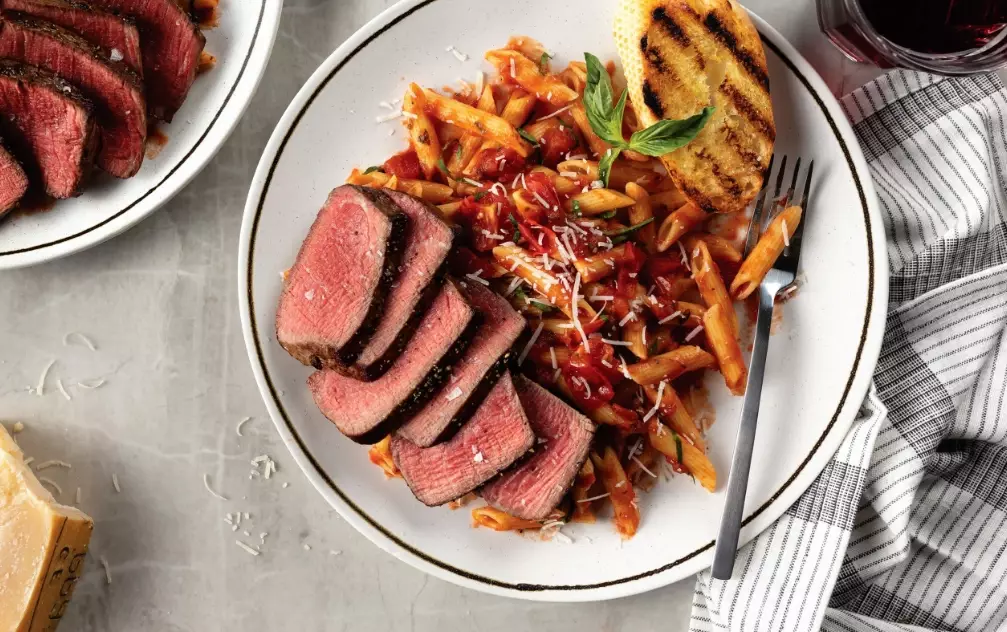
Choosing Your Steak: The Non-Negotiables
Get this part wrong, and no cooking skill can save you. Here's what to look for:
- The Cut: It must be a T-bone or Porterhouse. This gives you two muscles in one: the tender filet (filetto) on one side of the bone and the flavorful strip (controfiletto) on the other. A porterhouse has a larger filet portion. Both are correct.
- The Thickness: This is critical. Aim for 1.5 to 2 inches (4-5 cm) thick. Thinner steaks will overcook before you get a proper crust. This thickness allows for that perfect gradient from seared exterior to cool-red center.
- The Weight: A true Fiorentina is meant to be shared. A single steak typically weighs between 1.2 to 1.8 kg (2.5 to 4 lbs). For home cooking, a 1-1.5 kg (2-3 lb) steak serving 2-3 people is perfect.
- The Marbling and Color: Look for fine, even marbling (white fat veins) throughout the red meat. The fat should be creamy white, not yellow. The meat itself should be a bright, cherry red.
- Dry-Aged vs. Wet-Aged: Dry-aged beef will have a more concentrated, nutty flavor and a firmer texture, which is fantastic for this application. Wet-aged is more common and still excellent. Ask your butcher.
| Steak Characteristic | Ideal for Bistecca | Why It Matters |
|---|---|---|
| Cut | T-bone / Porterhouse | Provides two textures, bone adds flavor during cooking. |
| Thickness | 1.5" - 2" (4-5 cm) | Allows for deep sear without overcooking the center. |
| Weight (shared) | 1 - 1.8 kg (2-4 lbs) | Traditional family-style portion. |
| Grade (USDA) | Prime or High-Choice | Ensures sufficient marbling for flavor and juiciness. |
Prep and Seasoning: Less is More
This is where many go off the rails. I've seen recipes calling for garlic powder, rosemary rubs, or Worcestershire sauce. Please, don't.
Step 1: Temperature. Take the steak out of the refrigerator at least 1 hour before cooking. Let it come to room temperature. A cold center will fight your attempt to cook it evenly. This is non-negotiable.
Step 2: Pat Dry. Right before cooking, pat the entire surface bone-dry with paper towels. Any moisture will steam the meat instead of letting it sear.
Step 3: Season. Just before it hits the heat, generously season both sides with coarse sea salt. I use sale grosso. The large crystals help form a crust. Add a generous crack of black pepper. That's it. No oil on the meat—the heat and the meat's own fat will do the work.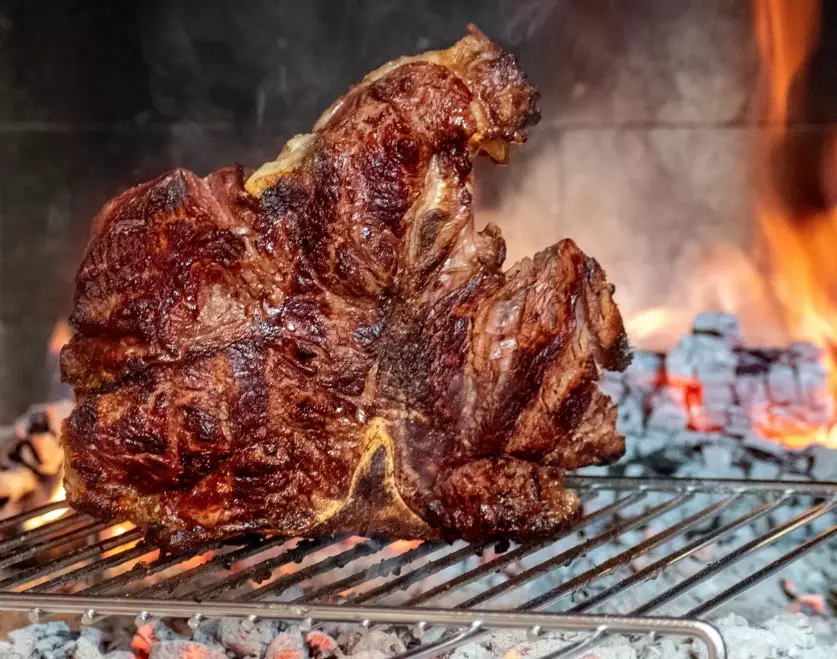
How to Cook Italian Steak Perfectly Every Time
You have two authentic options: an outdoor charcoal/wood grill or an indoor cast-iron griddle/grill pan. A gas grill works in a pinch. The core requirement is intense, direct, raging heat.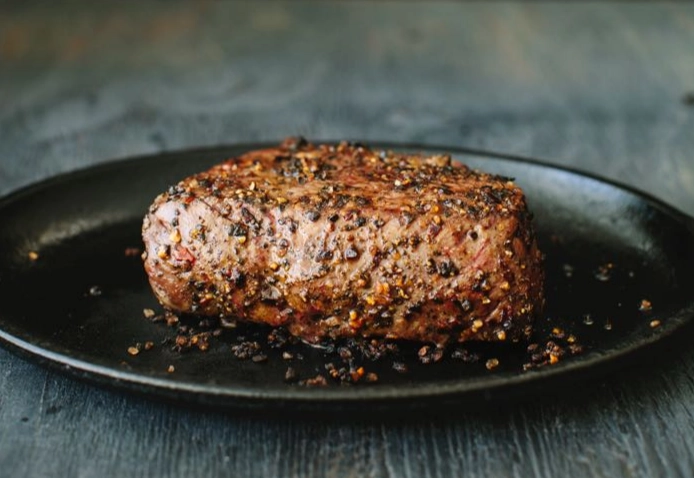
Method 1: The Charcoal Grill (My Preferred Way)
Build a two-zone fire. Pile all the lit charcoal on one side of the grill for a super-hot direct heat zone. The other side should have no coals for an indirect zone. Your grate should be so hot that a water droplet sizzles and vanishes instantly. Place the steak directly over the hottest part of the coals. Listen to that sizzle.
For a 1.5-inch thick steak, cook for about 5-6 minutes per side without moving it. You want deep, dark grill marks, almost a slight char. Don't be afraid of the blackened bits—that's flavor. Then, move the steak to the indirect zone, bone-side down, and cook for another 5-10 minutes, depending on how close to rare you want it. This gently brings the interior up to temperature without burning the exterior.
Method 2: Cast-Iron Griddle or Grill Pan
Place your heavy cast iron over high heat for a good 10-15 minutes until it's smoking hot. Yes, it will smoke. Turn on your hood fan and open a window. Lay the steak down. It should scream on contact. Follow the same timing: 5-6 minutes undisturbed, then flip for another 5-6 minutes. To finish, you can prop the steak on its bone edge or use a lower heat setting for a few minutes if needed.
The Most Important Step: Resting
Transfer the cooked steak to a warm plate or cutting board. Let it rest for at least 10 minutes, loosely tented with foil. This allows the frantic juices to redistribute throughout the meat. If you cut into it immediately, all those precious juices will flood your plate, leaving the steak dry.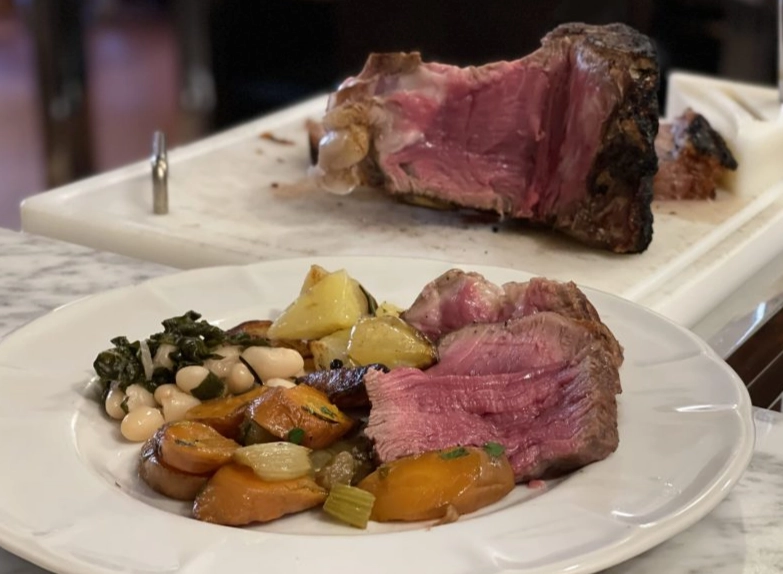
Serving and Enjoying the Traditional Way
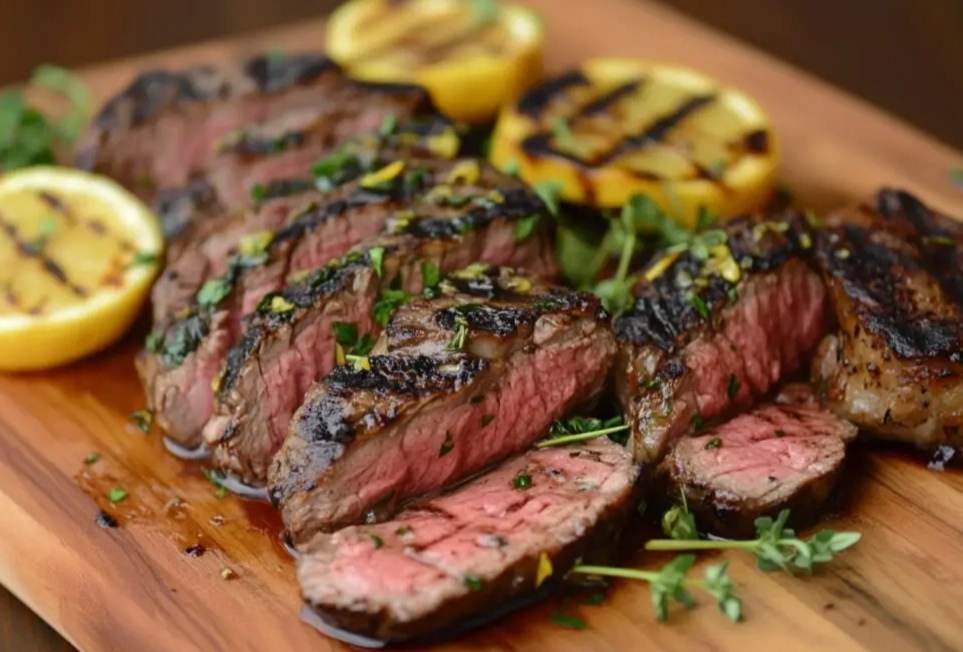
After resting, transfer the whole steak to a large wooden board. Slice it off the bone first, then slice the filet and the strip against the grain into thick strips. Drizzle with a high-quality, peppery extra virgin olive oil (Tuscan, if you have it). A final sprinkle of flaky sea salt is optional.
In Florence, it's served with canellini beans (fagioli all'uccelletto) and a simple salad of bitter greens, often dressed with just lemon juice. A robust Tuscan red wine like a Chianti Classico or a Brunello di Montalcino is the perfect pairing.
Eat it with your hands if you like. It's that kind of dish.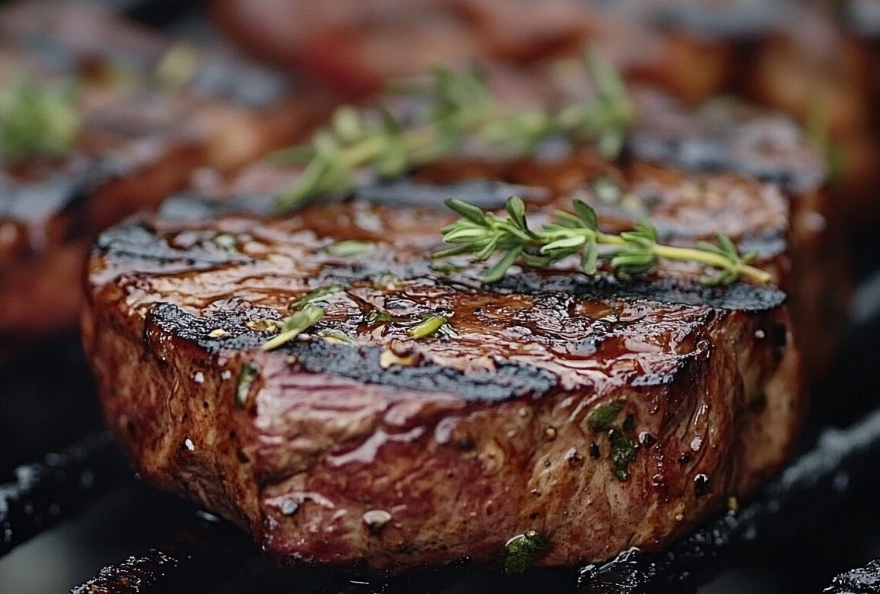
Your Italian Steak Questions Answered
Can I use a different cut of beef for Italian steak?
What if I don't have a grill or a cast-iron griddle?
How do I handle leftover cooked Italian steak?
Is it safe to eat Italian steak cooked rare?
Related Articles
Most Famous Italian Cookies: A Guide to Italy's Beloved Biscotti & Beyond
Authentic Italian Stromboli Recipe: Easy Homemade Guide for Perfect Results
The Heart of Italy on Your Plate: Timeless Traditional Italian Recipes & Kitchen Wisdom
Simple Italian Baked Dishes: Easy Recipes for Lasagna, Eggplant & Focaccia

The "big test" for joint venture car companies has arrived
