Italian Sauce Recipe: Secrets from a Nonna's Kitchen
Let's be honest. Most "authentic Italian sauce recipe" guides online miss the point. They give you a list, tell you to simmer, and call it a day. After spending a summer in a tiny Tuscan kitchen with a friend's nonna, I realized the magic isn't just in the ingredients—it's in the mindset. It's about understanding the why behind the what. This isn't just a recipe; it's a framework for building flavor that works every single time.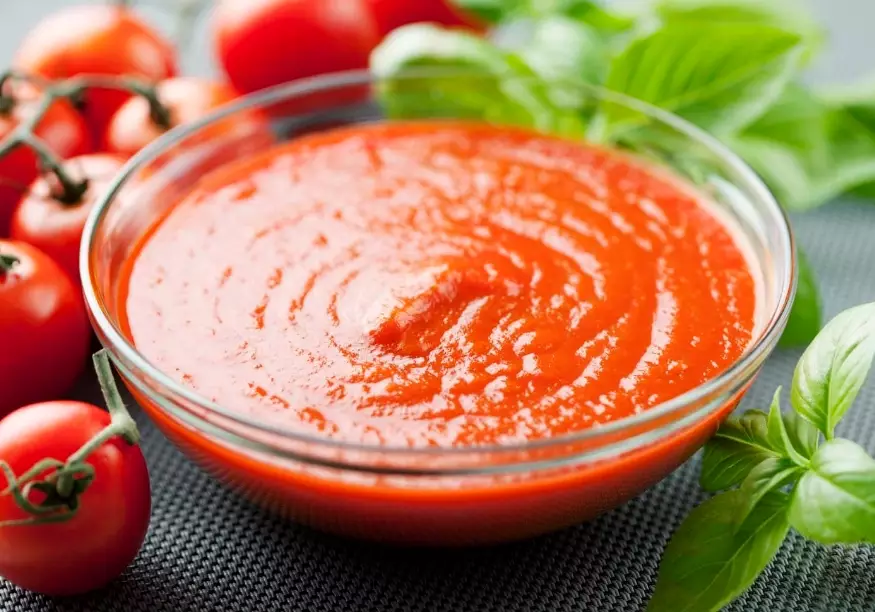
What's Inside This Guide
What Makes an Italian Sauce Authentic?
Authenticity in Italian cooking is less about rigid rules and more about respect for ingredients. It's a philosophy. For a sauce, this boils down to three non-negotiables.
The Holy Trinity: Olive Oil, Aromatics, and Time
First, the base. Extra virgin olive oil isn't just a cooking medium; it's a flavor ingredient. Use a good one. Then, your aromatics—usually onion, garlic, carrot, and celery, finely chopped into a soffritto. This isn't rushed. You sweat them gently in the oil until they're soft and sweet, not browned. This foundation is where depth is built. Skipping this step or cranking the heat is the first major mistake.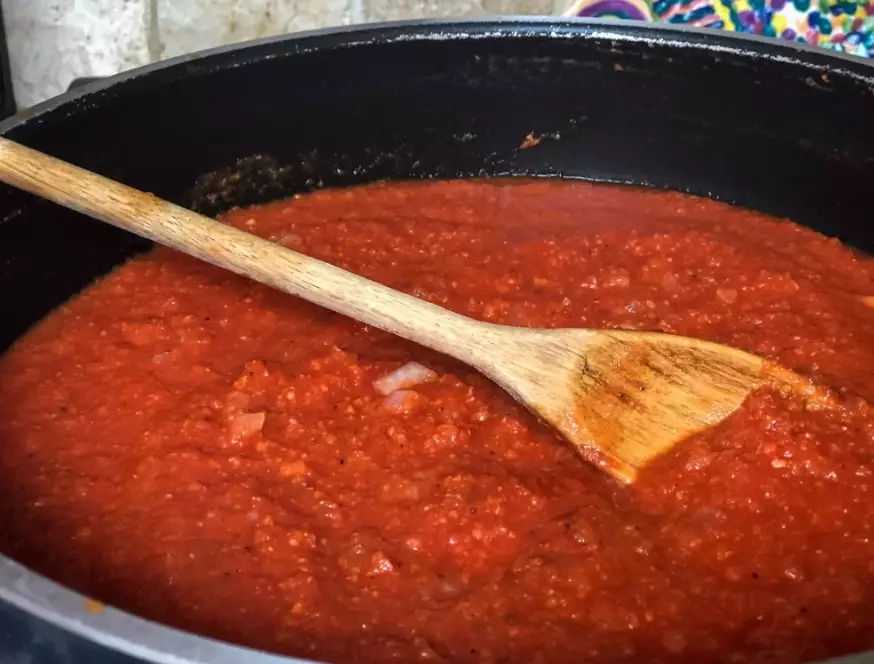
My Nonna's Tip: She used a 50/50 mix of butter and olive oil for the soffritto for her ragù. The butter added a silky richness you don't get with oil alone. It's a small detail that makes a huge difference.
Tomato Choice is Everything
San Marzano tomatoes from Italy are famous for a reason. They have fewer seeds, thicker flesh, and a sweeter, less acidic taste. Are they mandatory? No. But if you're using canned, it's the best upgrade you can make. For a simple sauce, good-quality whole peeled tomatoes you crush by hand beat pre-crushed or pureed versions every time. You control the texture.
Herb Logic: Fresh vs. Dried
This is where people get confused. Fresh basil goes in at the end of cooking a fresh tomato sauce. You tear it, stir it in off the heat, and let the residual warmth do its thing. Dried oregano can go in earlier, especially in a long-cooked meat sauce. They are not interchangeable.
How to Make Italian Tomato Sauce: Step-by-Step
Let's make a classic Sugo di Pomodoro. This is your versatile, all-purpose tomato sauce.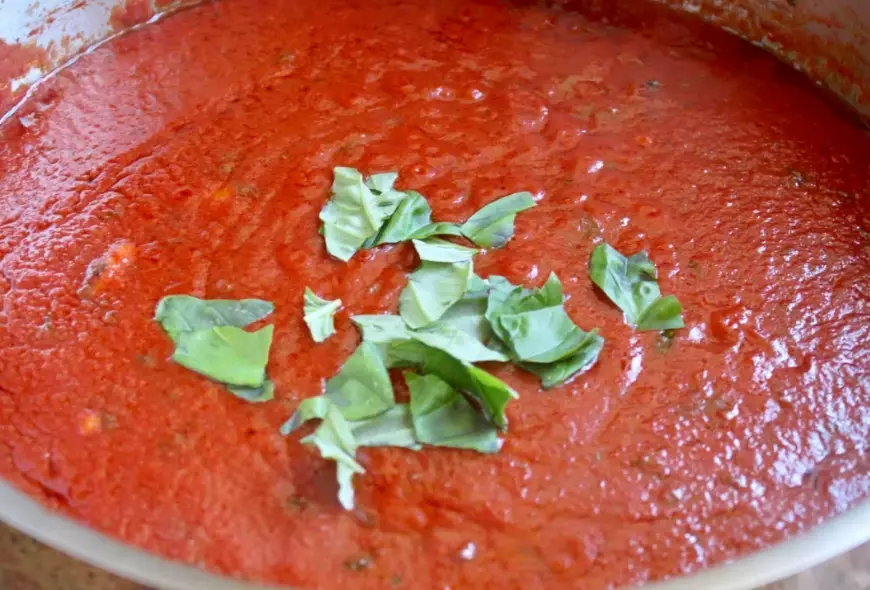
What You'll Need:
1/4 cup extra-virgin olive oil
1 small yellow onion, finely diced
2 cloves garlic, lightly smashed (not minced)
1 (28-ounce) can whole San Marzano tomatoes
5-6 fresh basil leaves, plus more for finishing
1 tsp salt, plus more to taste
Optional: A small piece of Parmesan rind, a pinch of red pepper flakes
Step 1: Build the Soffritto. Heat the olive oil in a wide, heavy-bottomed pot over medium-low heat. Add the onion and a pinch of salt. Cook, stirring, for 8-10 minutes until translucent and soft. Add the smashed garlic cloves and cook for another 2 minutes until fragrant. Don't let the garlic brown—bitter garlic ruins the sauce.
Step 2: Introduce the Tomatoes. Pour the tomatoes and their juices into a bowl. Crush them thoroughly with your hands. It's messy, it's fun, it's therapeutic. Add them to the pot along with the basil leaves, the 1 tsp of salt, and your optional additions (Parm rind, pepper flakes).
Step 3: The Simmer. Bring to a very gentle bubble, then reduce the heat to the lowest setting. Let it simmer uncovered. Here's the key: 45 minutes minimum, 90 minutes ideal. Stir occasionally, especially toward the end, to prevent sticking. You'll see it transform from bright and watery to deep red and cohesive.
Step 4: Finish and Serve. Fish out the garlic cloves and Parmesan rind (if used). Tear in a few more fresh basil leaves. Taste. Does it need more salt? Probably a little. That's it. Toss it with al dente pasta, reserving a splash of pasta water to help it cling.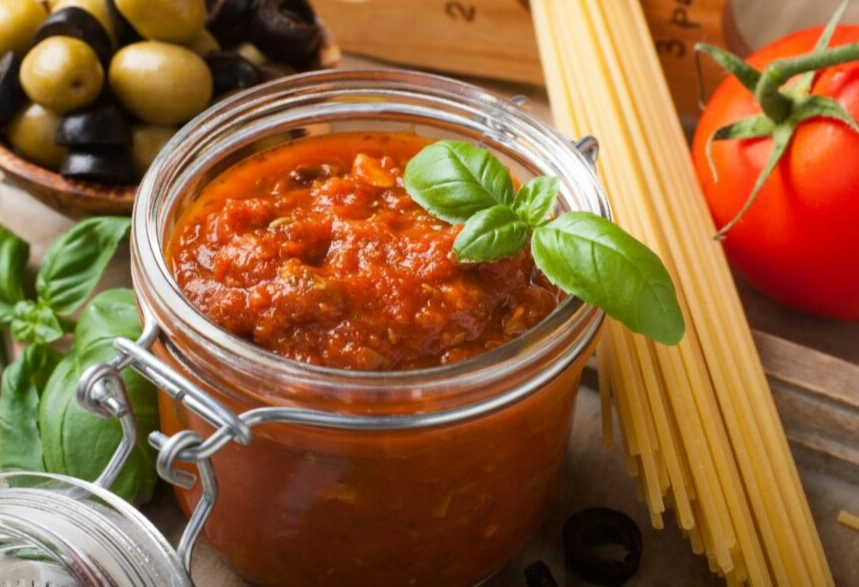
The Biggest Mistake I See: Adding sugar to "cut the acidity." If your sauce is unpleasantly acidic, the problem is likely the tomatoes (use better ones next time) or you didn't cook the soffritto long enough. A grated carrot in the soffritto or a tiny pinch of baking soda is a better fix than making your sauce taste sweet.
Common Italian Sauce Mistakes and How to Fix Them
We've all been there. Your sauce doesn't taste like the trattoria's. Here’s the diagnostic list.
The Sauce is Too Watery. You didn't simmer it long enough, or you used pre-pureed tomatoes with added water. Fix: Keep simmering. The water needs to evaporate. If you're in a rush, a tablespoon of tomato paste stirred in will help thicken it quickly.
The Sauce Tastes Flat or "Tinny." This is a seasoning and layering issue. Fix: Add salt in small increments. Acid can also brighten a flat sauce—a tiny drizzle of good red wine vinegar or a squeeze of lemon juice at the end can work wonders. That Parmesan rind trick is a game-changer here too.
The Herbs Taste Bitter or Disappeared. You added delicate fresh herbs at the beginning. They cooked out. Fix: For basil, parsley, mint—always finish. For dried herbs, toasting them in the oil for 30 seconds before adding the tomatoes can unlock their oils.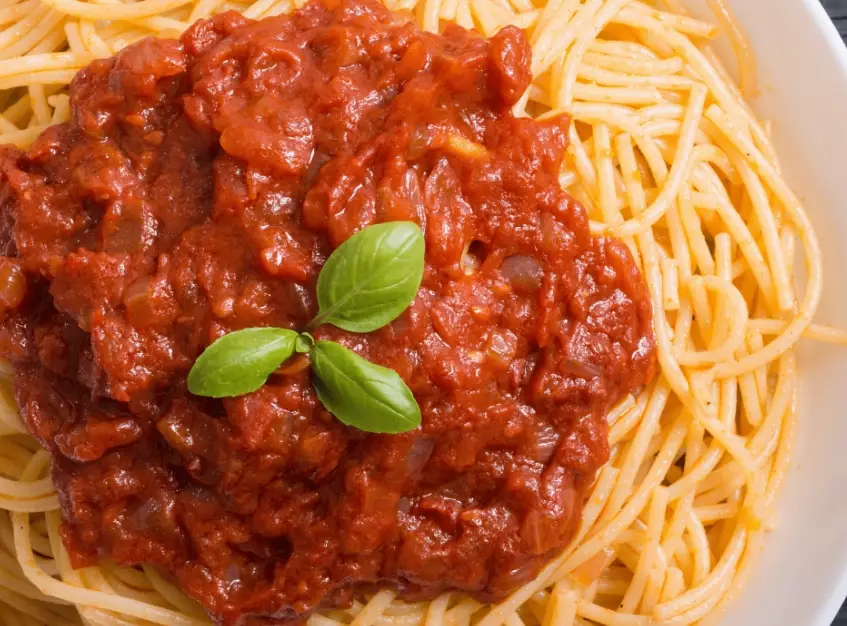
Beyond Tomato: Other Essential Italian Sauces
Italy's sauce repertoire is vast. Here are three more you should master.
Pesto alla Genovese: The classic basil pesto. The secret? A marble mortar and pestle. The friction warms the basil gently, preventing the blackening you get from a food processor's blades. Use young, tender basil, real Parmigiano-Reggiano and Pecorino, and the best olive oil you have.
Ragù alla Bolognese: This is a meat sauce, not a tomato sauce with meat. It's milk-simmered, wine-deglazed, and cooks for hours. The soffritto is crucial, and the tomatoes (just a bit of paste and some crushed) are a background note. It should be rich, creamy from the milk, and deeply savory.
Burro e Salvia (Butter & Sage): The ultimate simple sauce for delicate stuffed pasta like ravioli. Brown a few tablespoons of butter with fresh sage leaves until the butter is nutty and the sage is crisp. That's it. The simplicity is the point.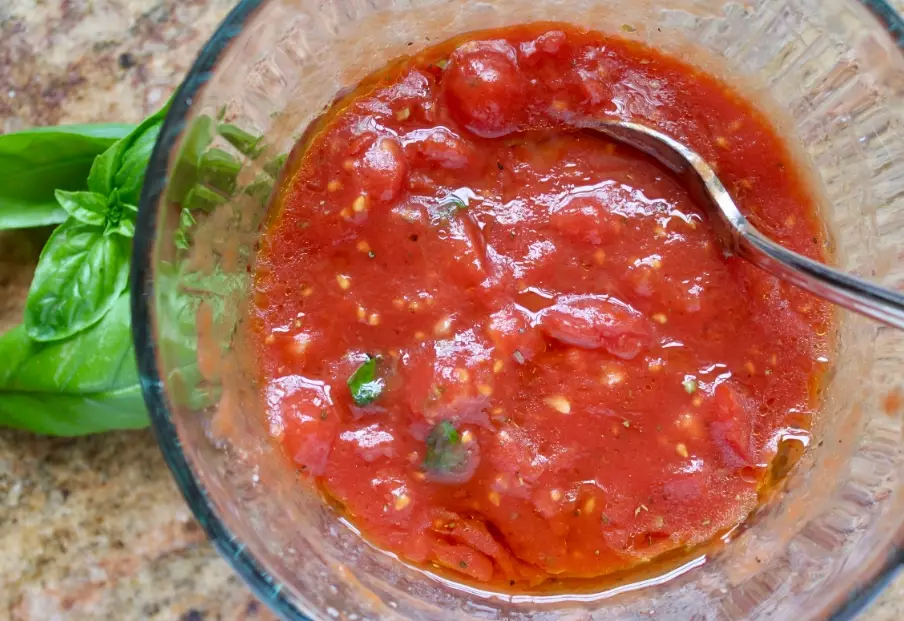
Your Italian Sauce Questions, Answered
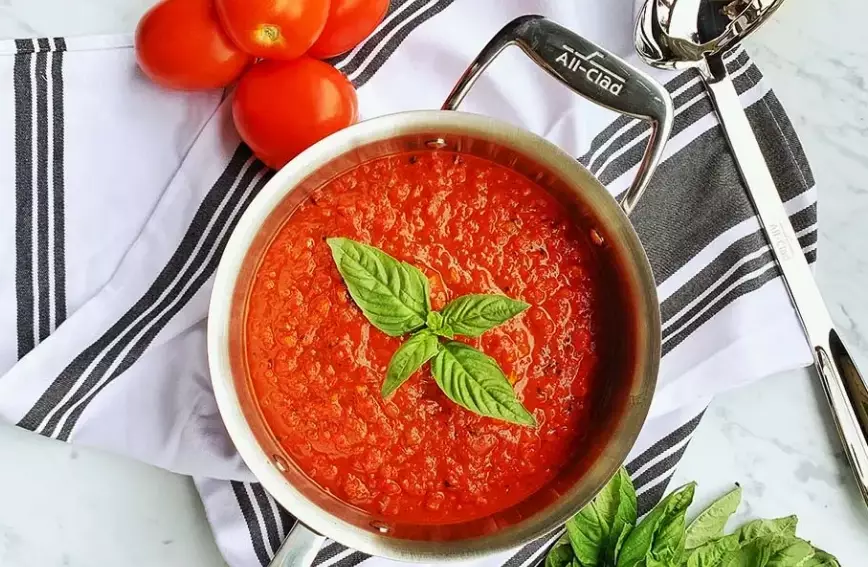 Making a great Italian sauce isn't about fancy techniques. It's about patience, good ingredients, and understanding a few core principles. Start with the soffritto. Choose your tomatoes wisely. Simmer gently. Finish with fresh herbs. Get these right, and you'll never look at a jar of store-bought sauce the same way again. Your pasta deserves it.
Related Articles

Sudden bad news! A-shares plunged, Hong Kong stocks fell more than 2%, and there

Unique Italian Appetizers: Beyond Bruschetta & Meatballs

The Best Italian Bread Guide: Types, Uses & How to Choose

What Is Authentic Italian Food? A Guide to Regional Classics & Home Cooking

Still have to rely on Zhengzhou Foxconn? The truth about the swing between Apple