Authentic Italian Hot Chocolate Recipe: Rich, Thick & Easy
You haven't had hot chocolate until you've tried the real Italian version. I remember my first sip in a tiny Roman café—it wasn't a drink, it was a dessert you ate with a spoon. Thick, intensely chocolatey, and more like a warm pudding. That's cioccolata calda. Most recipes online get it wrong, turning out thin, overly sweet imitations. Let's fix that.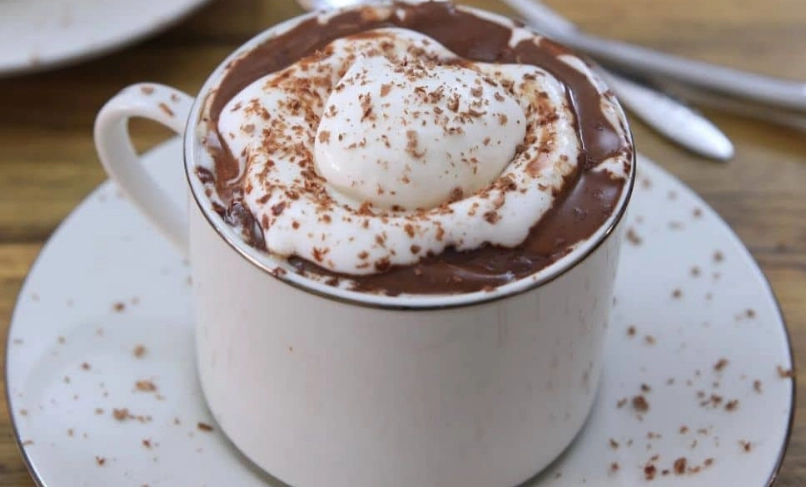
What's Inside
What Real Cioccolata Calda Is (And Isn't)
Forget the powdered mix. Forget the watery mug from a diner. Authentic Italian hot chocolate is a different beast entirely. Its texture is its signature—thick enough to coat the back of a spoon, almost like a warm chocolate ganache or a loose pudding.
The difference lies in the formula. American or Swiss styles often use milk, cocoa powder, and sugar. The Italian method hinges on real chocolate bars, chopped finely, melted slowly into less liquid, and thickened with a bit of starch. It's less about being a quick warm-up and more about a deliberate, indulgent experience. In Italy, you'll often get it served in a small cup with a spoon and maybe a dollop of whipped cream on the side. It's a dessert.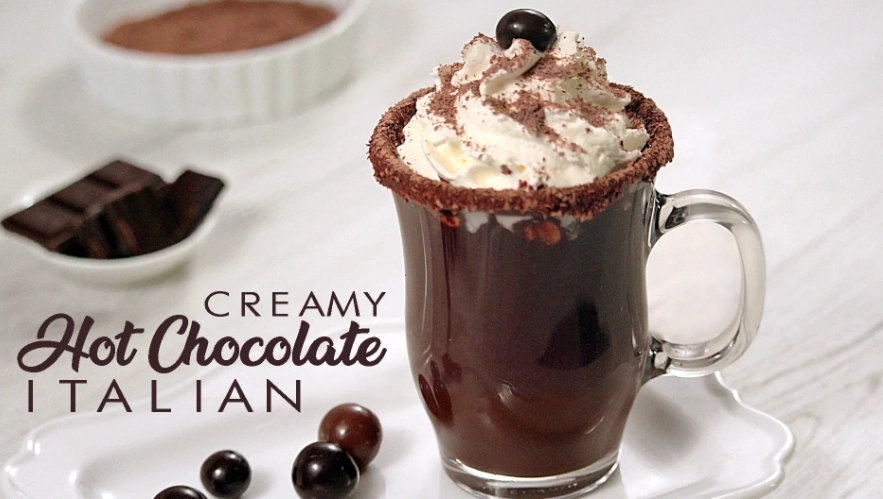
Key Takeaway: If your hot chocolate recipe starts with "cocoa powder," you're already on the wrong track for authenticity. The chocolate bar is non-negotiable.
Choosing Your Chocolate: The Non-Negotiable Ingredient
This is where 90% of home attempts fail. You can't just grab any chocolate bar. The quality and type directly dictate your final drink's flavor, texture, and sweetness.
Here’s a breakdown of what works and what doesn’t:
| Chocolate Type | Cocoa % Range | Best For | What to Expect |
|---|---|---|---|
| Bittersweet/Dark | 60-70% | The Gold Standard | Deep, complex chocolate flavor without being cloying. Gives you control over sweetness. My personal favorite. |
| Semi-Sweet | 50-60% | Most Accessible Choice | Still rich, but sweeter. A safe bet if you're unsure. Many grocery store "baking chocolate" bars fall here. |
| Milk Chocolate | 30-40% | Very Sweet, Family-Friendly | Will be extremely sweet and less intensely chocolatey. You'll likely need to reduce added sugar. |
| Unsweetened (100%) | 100% | Not Recommended Solo | Too bitter and harsh on its own. Can be blended with a sweeter chocolate for extreme depth. |
A subtle point most miss: check the ingredient list. You want a bar where cocoa mass (or liquor), cocoa butter, and sugar are the first ingredients. Avoid those with vegetable oils high on the list—they won't melt as smoothly or taste as clean.
My go-to? A 64% dark chocolate from a brand like Lindt Excellence or Ghirardelli. It's widely available and delivers that perfect balance.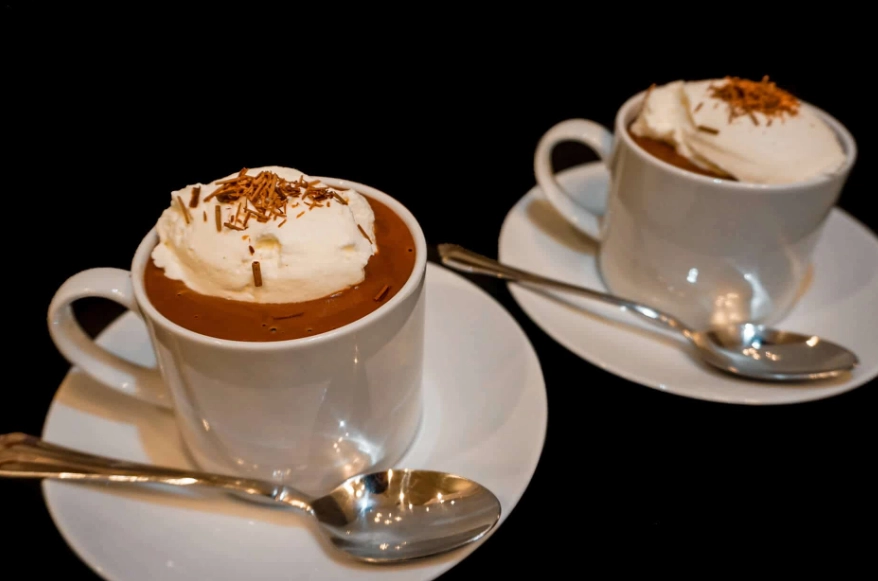
What About the Other Ingredients?
It's simple. Whole milk provides the best richness, but 2% works in a pinch. Don't use skim—you need the fat. The starch is your thickener. Cornstarch (called maizena in Italy) is traditional, flavorless, and gives a glossy sheen. Some older recipes use flour, but it can leave a pasty taste if not cooked long enough. A tiny pinch of salt and a dash of vanilla extract round out the flavors, making the chocolate itself pop.
The Step-by-Step Recipe for Perfect Texture
This recipe makes 2 generous servings. It scales up easily.
Ingredients:
- 200g (7 oz) high-quality dark chocolate (60-70%), finely chopped
- 500ml (about 2 cups + 2 tbsp) whole milk
- 2 tablespoons granulated sugar (adjust to taste)
- 2 tablespoons cornstarch
- 4 tablespoons cold milk (for the cornstarch slurry)
- Pinch of fine sea salt
- 1/2 teaspoon pure vanilla extract (optional)
Equipment: A good heavy-bottomed saucepan (prevents scorching), a fine grater or sharp knife for chopping chocolate, and a sturdy whisk.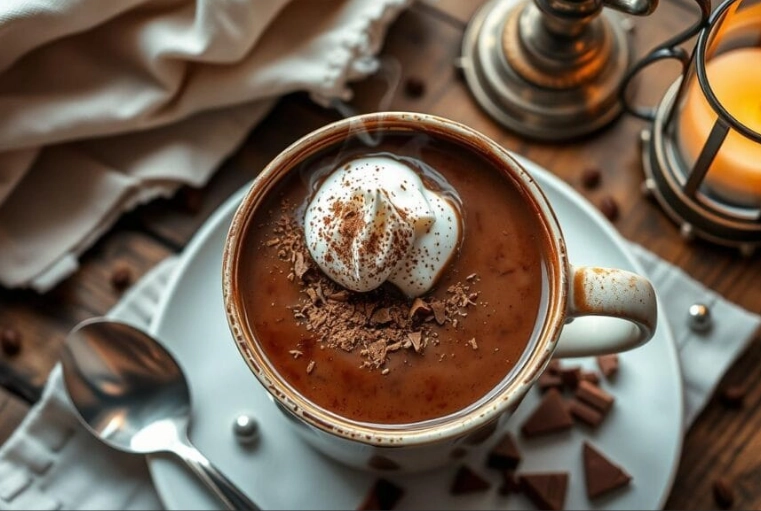
The Process:
1. Prep is Everything. Chop your chocolate as finely as you can. Smaller pieces melt faster and more evenly. In a small bowl, whisk the cornstarch into the 4 tablespoons of cold milk until completely smooth—no lumps. This is your slurry.
2. Warm the Base. In your saucepan, combine the 500ml of milk, sugar, and salt. Warm it over medium heat until it's steaming and just beginning to simmer around the edges. Don't let it boil.
3. Melt the Chocolate. Turn the heat down to low. Add all the chopped chocolate. Now, whisk. Don't stop. You're encouraging the cocoa butter and milk to become one smooth emulsion. This takes 2-3 minutes. You'll see it transform from speckled to gloriously dark and uniform.
4. Activate the Thickener. Give your cornstarch slurry another quick stir (it settles), then pour it into the chocolate milk in a thin stream, whisking constantly. This is critical.
5. The Simmer. Turn the heat back up to medium. Keep whisking. Bring the mixture to a gentle, bubbling simmer. Once it starts bubbling, set a timer and let it simmer for 2 full minutes, whisking the whole time. This step is non-negotiable—the heat activates the starch molecules, which swell and thicken the liquid. You'll feel the resistance on your whisk increase. It's ready when it coats the back of a spoon and a line drawn with your finger holds.
6. Finish. Remove from heat. Stir in the vanilla extract if using. Pour immediately into pre-warmed cups or mugs. It thickens slightly as it cools.
Serve with a spoon. Really.
Common Mistakes & My Expert Tips
After making this hundreds of times (and failing plenty early on), here’s what I’ve learned the hard way.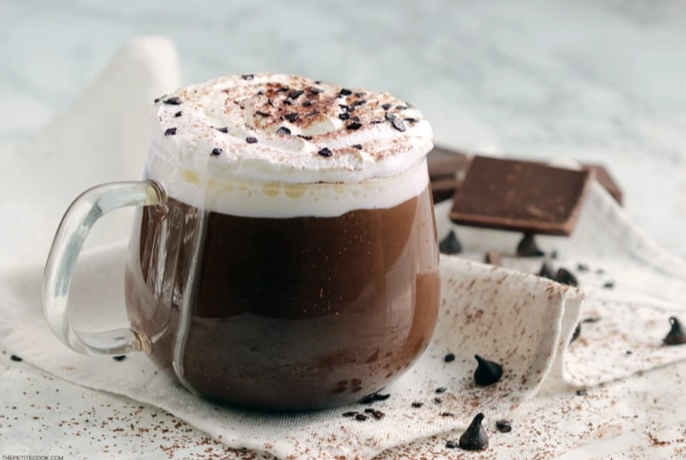
The Big One: Not Cooking the Starch Enough. If you take it off the heat as soon as it thickens slightly, you'll get a thin, vaguely starchy-tasting drink. That full 2-minute simmer after it bubbles is what gives you that luxurious, stable texture. Don't rush it.
Using the Wrong Chocolate. I see it all the time. A sweetened "hot chocolate" bar or cheap compound chocolate. They have different fat compositions and stabilizers. They won't melt right or taste authentic. Stick to a proper baking/couverture bar.
Not Whisking Vigorously. This isn't a gentle stir. You need to whisk to incorporate air, prevent the starch from clumping, and ensure the chocolate emulsifies perfectly. A lazy stir leads to a grainy texture.
My Pro Tips:
- For an Adult Twist: A splash of orange liqueur (like Grand Marnier) or a shot of espresso stirred in at the end is incredible.
- Too Thick? Whisk in a splash of hot milk to reach your desired consistency.
- Leftovers? Congratulations, you've made chocolate pudding. Chill it and eat it cold.
- Sweetness Control: Taste your chocolate first. If it's very sweet (like a 50% bar), start with 1 tablespoon of sugar. You can always add more.
Your Questions, Answered
Can I use cocoa powder instead of chocolate for Italian hot chocolate?
How do I store leftover Italian hot chocolate?
Is this recipe gluten-free?
Why is my hot chocolate not thickening?
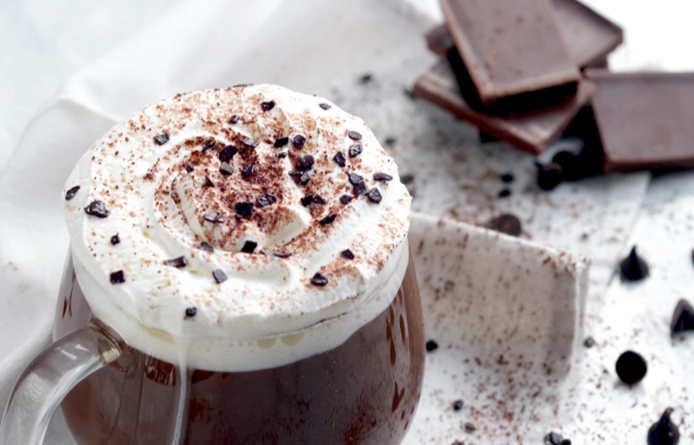 Making authentic Italian hot chocolate at home isn't just about following a recipe. It's about understanding the why behind each step—why that specific chocolate, why the constant whisking, why the patient simmer. When you get it right, it’s pure magic in a cup. It’s the kind of thing that makes a dreary afternoon feel special. Give it a try, follow these steps closely, and you'll never go back to the powdered stuff.
Related Articles
Italian Meatloaf Recipe: The Ultimate Comfort Food Guide
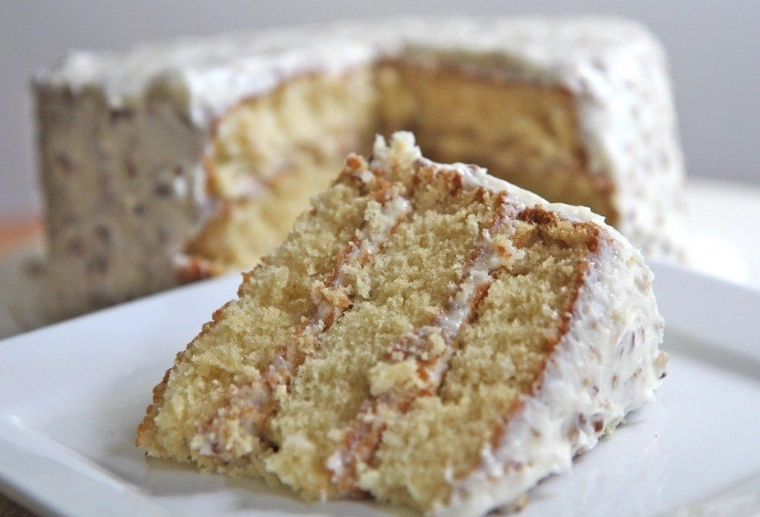
Authentic Italian Cream Cake Recipe: Moist, Nutty & Irresistible
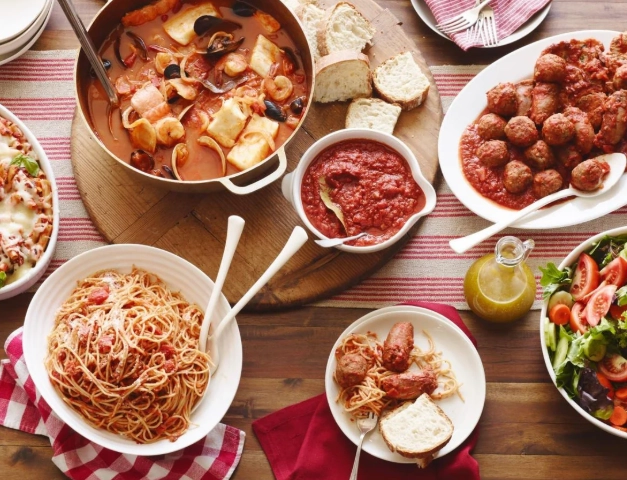
Authentic Italian Family Meal Recipes: From Antipasti to Dolce
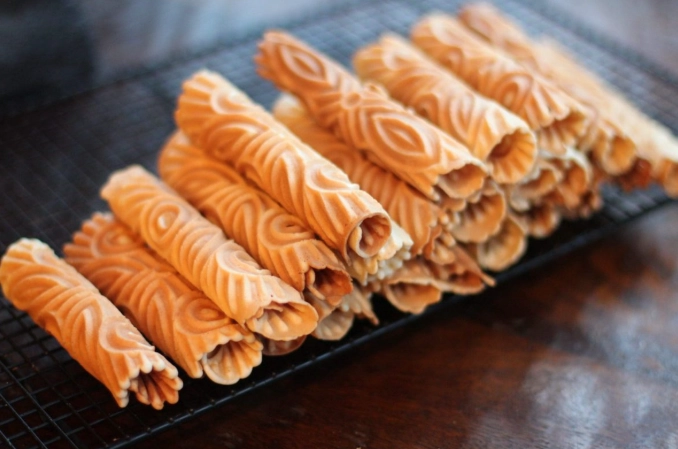
Authentic Italian Pizzelle Recipe: Crispy, Classic & Easy
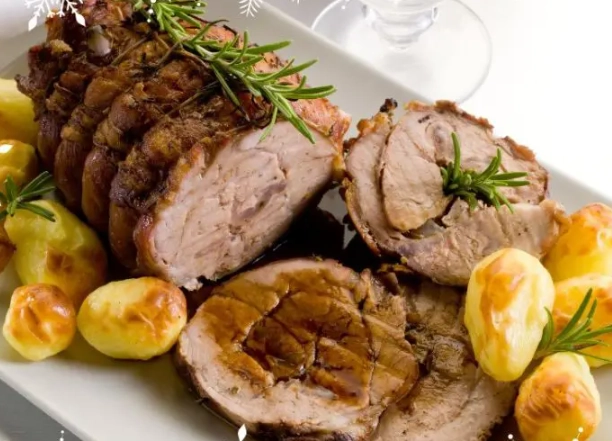
The Ultimate Guide to an Authentic Italian Christmas Dinner Menu