Perfect Homemade Italian Gnocchi Recipe: Light & Fluffy
Let's be honest. Most homemade gnocchi recipes promise pillowy clouds but often deliver leaden, gummy lumps that sink to the bottom of the pot with a sad thud. I've been there. My first batch was so dense you could have used it as a doorstop. The problem isn't the recipe's simplicity—it's the hidden details everyone glosses over. After years of testing (and eating), I've nailed down a method that consistently yields gnocchi so light they practically float. This isn't just a list of ingredients; it's a blueprint for understanding the why behind each step.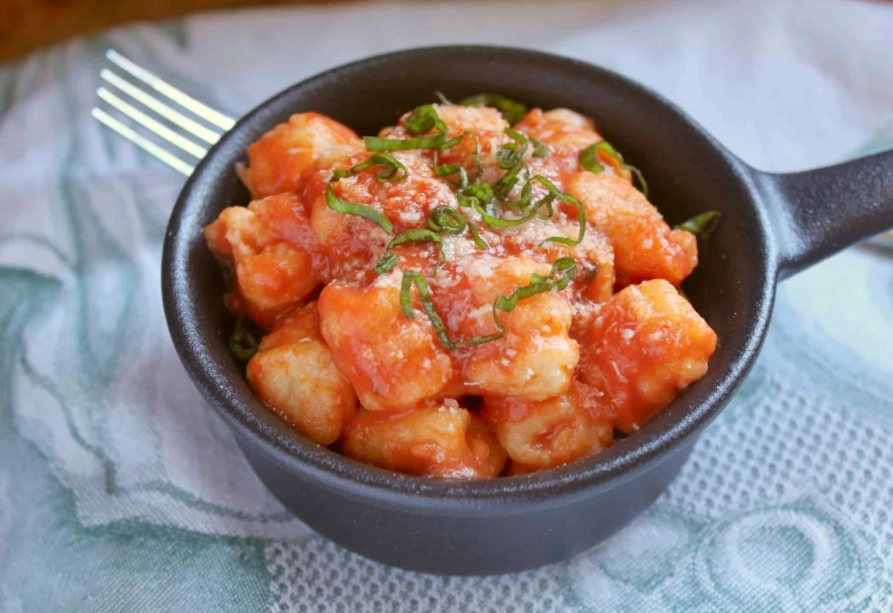
What You'll Find Inside
The One Potato Rule You Can't Break
This is the single biggest mistake. You cannot make great gnocchi with just any potato. The goal is maximum starch and minimum moisture. Waxy potatoes like Red Bliss or New Potatoes hold too much water, creating a wet, gluey dough that demands too much flour, leading to toughness.
You need old, starchy potatoes. Russet (Idaho) or King Edward potatoes are the gold standard. Their high starch content and fluffy, dry texture when cooked are non-negotiable. Some Italian nonnas swear by specific varieties like patate a pasta gialla, but Russets are the reliable, globally available workhorse.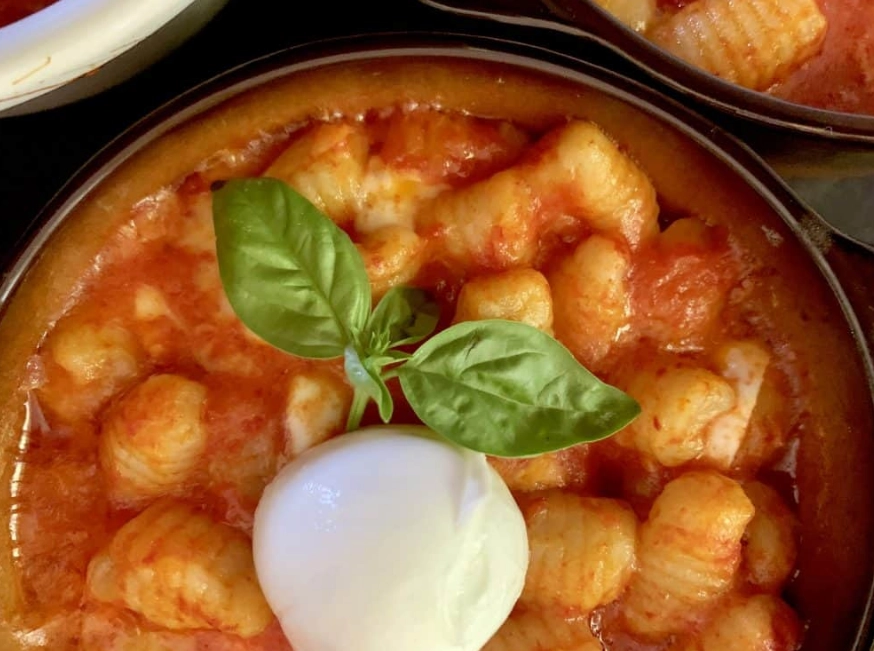
Let them cool completely. I mean, completely. Handling hot potatoes is a surefire way to activate the starch into a gummy paste. Peel them once they're cool enough to handle, then immediately rice them. A potato ricer is essential here—it creates a fine, airy texture no fork or masher can match.
Mastering the Dough: Touch Over Measurement
Here's the non-consensus part everyone misses: Ignore exact flour measurements. I'll give you a starting point, but the amount of flour needed varies wildly based on your potatoes' size, starch content, and even the humidity in your kitchen. Adding flour is a process of gentle incorporation, not dumping.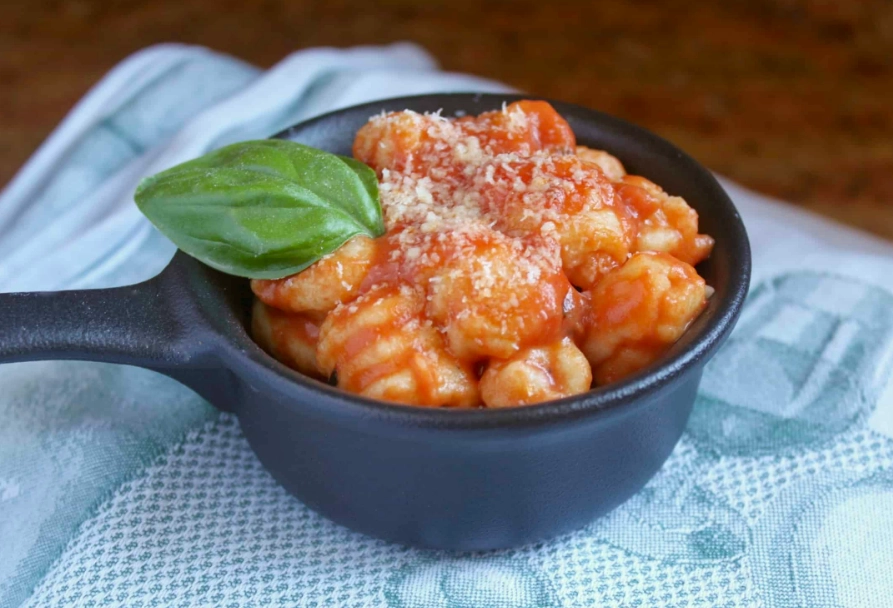
For about 2 lbs (1 kg) of baked, riced potatoes: Start with 1 3/4 cups (about 220g) of "00" flour or all-purpose flour, plus 1 large egg yolk and a generous pinch of fine sea salt. "00" flour is finer and creates a more delicate texture, but AP flour works perfectly.
Mound the riced potatoes on a clean surface. Make a well in the center and add the yolk and salt. Using a fork, gently start bringing the potato in from the sides. Once the yolk is incorporated, start sprinkling the flour over the mixture a handful at a time.
Use a bench scraper to fold and cut the mixture—don't knead it like bread dough. You want to combine, not develop gluten. The moment the dough comes together into a cohesive, slightly tacky ball, stop adding flour. This might be before you've used all the flour. Overworking and over-flouring are the twin enemies of light gnocchi.
Shaping Secrets for the Classic Ridges
Divide the dough into 4-6 pieces. Roll each piece into a long rope, about 3/4-inch (2cm) thick. Don't roll it too thin, or the gnocchi will be frail. Cut the rope into 1-inch pieces.
Now, for the classic ridges that hold sauce. Take a piece, and with your thumb, press and roll it gently down the tines of a fork. The motion is a quick flick—press with your thumb, then roll it off the fork. The gnocchi should curl slightly, with a dimple on one side from your thumb and ridges on the other. Don't stress about perfection. Evenly shaped gnocchi cook evenly; beautiful ridges are a bonus.
As you shape, place them on a floured baking sheet in a single layer. Don't let them touch or they'll stick together.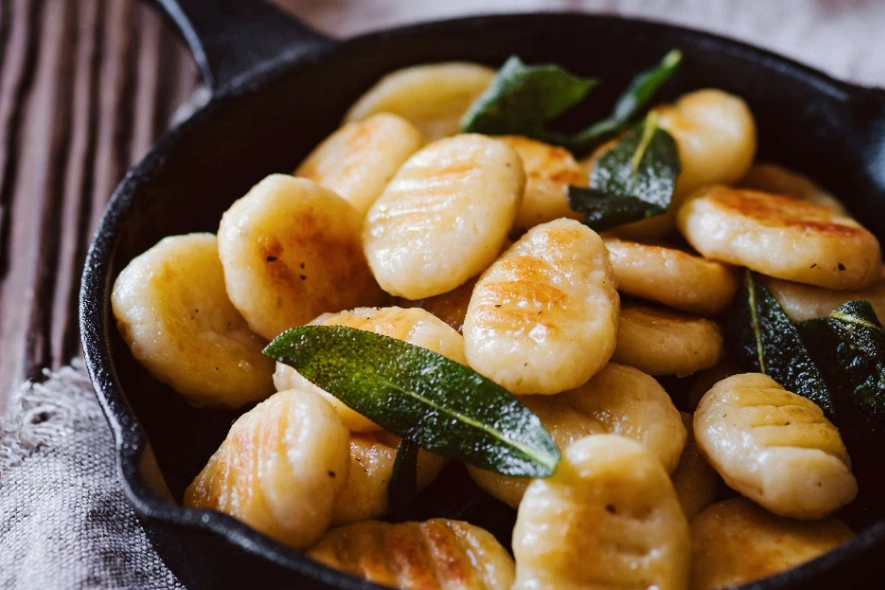
Potato Types: A Quick Guide
| Potato Type | Starch Content | Best for Gnocchi? | Why/Why Not |
|---|---|---|---|
| Russet (Idaho) | Very High | Yes - Ideal | Dry, fluffy texture when baked. Absorbs minimal flour. |
| King Edward | High | Yes - Excellent | Similar to Russet, a classic choice in the UK. |
| Yukon Gold | Medium | Maybe - With Caution | Buttery flavor but more moisture. Use less egg, expect a denser result. |
| Red Bliss / New Potatoes | Low (Waxy) | No - Avoid | Too moist, will require excess flour leading to tough, gummy gnocchi. |
Cooking & Saucing: The Final Act
Bring a large pot of well-salted water to a gentle simmer, not a rolling boil. A violent boil can break delicate gnocchi. Drop in a batch (don't overcrowd). They'll sink, then float to the surface in about 2-3 minutes. Let them cook for another 30 seconds once they float, then scoop them out with a slotted spoon directly into your waiting sauce pan.
Never rinse cooked gnocchi. You want that thin layer of starch to help the sauce cling.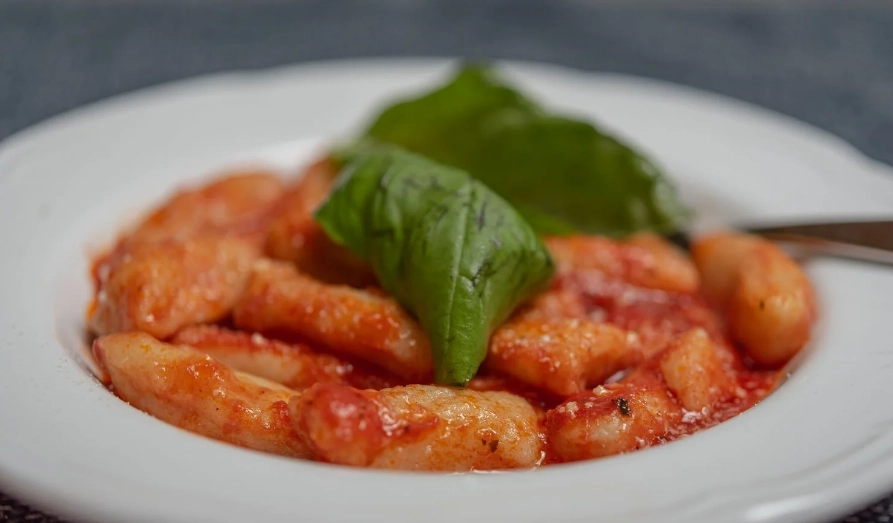
Speaking of sauce, keep it simple to showcase your work. Here are three timeless pairings:
Sage Brown Butter (Burro e Salvia): The ultimate test. Melt unsalted butter in a pan until it foams and the milk solids turn a nutty brown. Throw in a handful of fresh sage leaves—they'll crackle. Toss in the gnocchi and swirl until coated. Finish with grated Parmigiano-Reggiano and black pepper.
Simple Tomato (Pomodoro): Use a high-quality canned San Marzano tomato sauce, simmered with a touch of garlic and basil. The bright acidity cuts through the potato's richness perfectly.
Gorgonzola Cream: A richer option. Warm some cream, melt in crumbled Gorgonzola dolce (the mild, creamy kind) until you have a luscious sauce. Toss with gnocchi and finish with walnuts for crunch.
That's it. You've done it. The gnocchi should be tender, with a slight chew, not mushy or rubbery. They'll soak up the sauce but still hold their shape on the fork.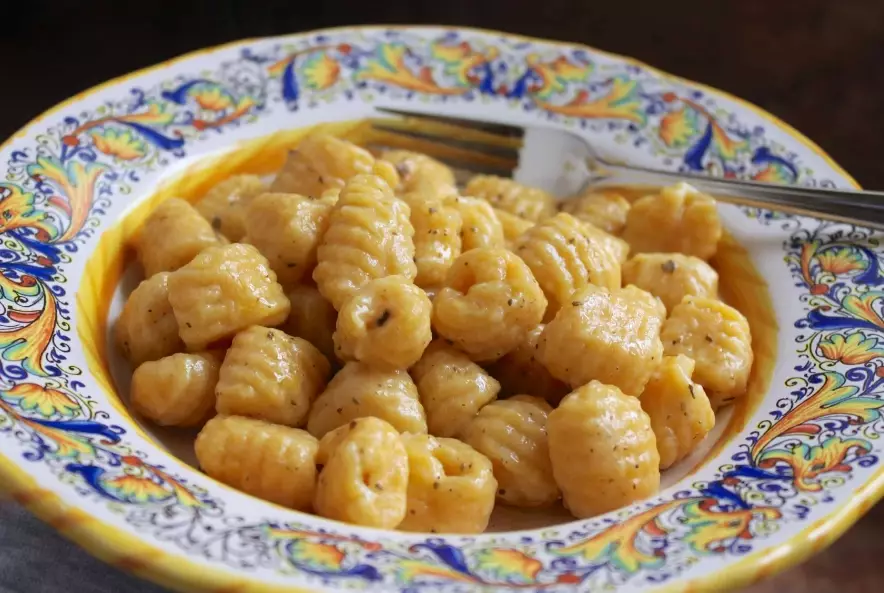
Your Gnocchi Questions, Answered
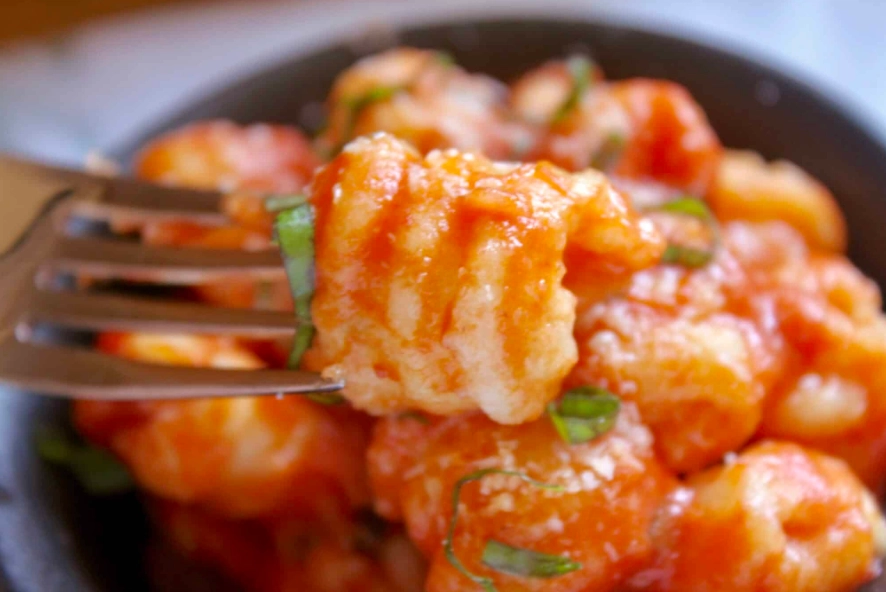 The beauty of this Italian gnocchi recipe is in its simplicity, but mastery lies in respecting the ingredients and the process. It's not difficult, but it demands attention. Get the potato right, handle the dough with a light touch, and you'll never look at a store-bought gnocco again. Now go cook. And then eat. That's the best part.
Related Articles
Traditional Italian Salads for a Crowd: Easy, Make-Ahead Recipes
Authentic Italian Cookies Recipes: Classic Biscotti, Amaretti & More
Master the Italian Seasoning Ratio: A Chef's Guide to Perfect Blends
The Ultimate Homemade Italian Dressing Recipe (Easy & Authentic)
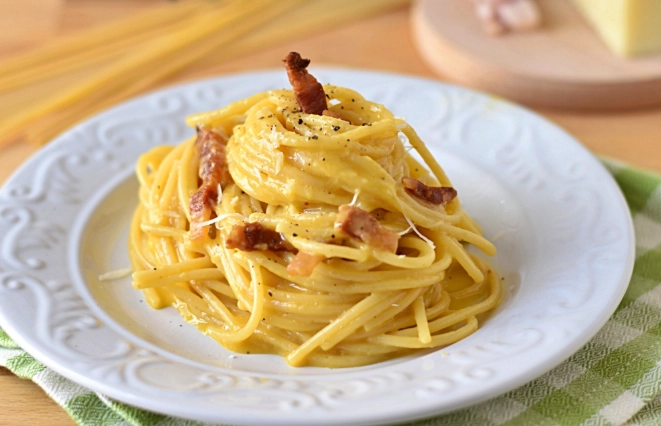
The Best Pasta Carbonara Recipe: Authentic Roman Secrets Revealed