Authentic Italian Chicken Cacciatore Recipe: A Hunter's Stew
Let's get one thing straight. Most recipes for Italian chicken cacciatore you find online are missing the point. They treat it like a quick tomato sauce with some chicken thrown in. That's not it. A real pollo alla cacciatora is a rustic, braised dish where the chicken, vegetables, and sauce become one deeply flavored entity. It's a hunter's stew, meant to be hearty and forgiving, simmering for hours. Getting it right isn't hard, but it requires respecting a few non-negotiable steps.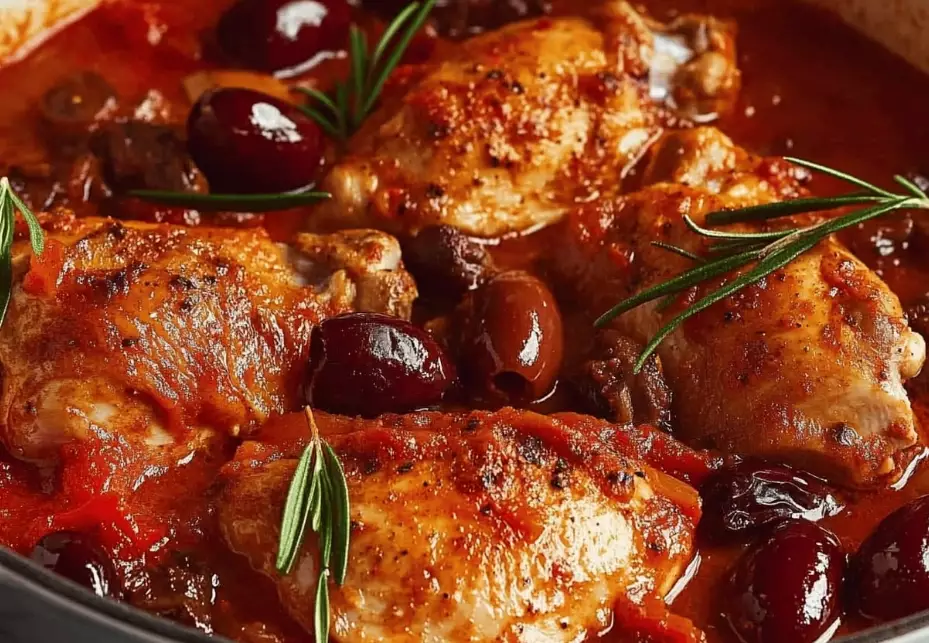
What's Cooking in This Guide?
What is Chicken Cacciatore? (It's Not What You Think)
The name means "hunter-style chicken." The romantic idea is that a hunter (cacciatore) would come home and cook his game with whatever he had foraged—onions, herbs, maybe some tomatoes or vinegar. For home cooks, it became a way to cook tougher, older birds low and slow until tender. The modern version, especially outside Italy, often simplifies this into a 30-minute weeknight dish. We're going back to the roots.
The soul of the dish is the braise. Browning the chicken creates fond (those tasty brown bits) in the pot. You then deglaze with wine, add tomatoes and broth, and let everything simmer together gently. The chicken juices mingle with the sauce, and the sauce flavors the chicken. It's a two-way street.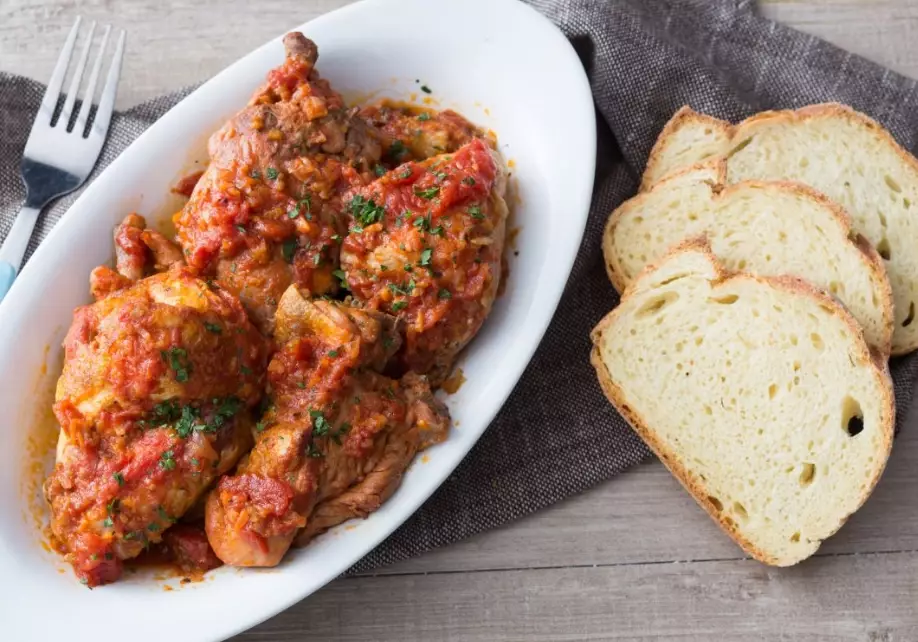
Key Takeaway: Authentic cacciatore is defined by its cooking method (braising) and its rustic, integrated flavors, not just by a list of ingredients like "chicken, tomatoes, peppers."
The Ingredients: Why Each One Matters
You don't need fancy stuff. You need the right stuff, treated correctly.
The Chicken: Skip the Breasts
Use bone-in, skin-on chicken thighs and drumsticks. This is non-negotiable for flavor. The bones and connective tissue break down during braising, releasing gelatin that makes the sauce rich and silky. The skin, when browned, adds immense depth. Chicken breasts will dry out and offer nothing to the sauce. If you're feeding a crowd, a whole chicken cut into 8 pieces works perfectly.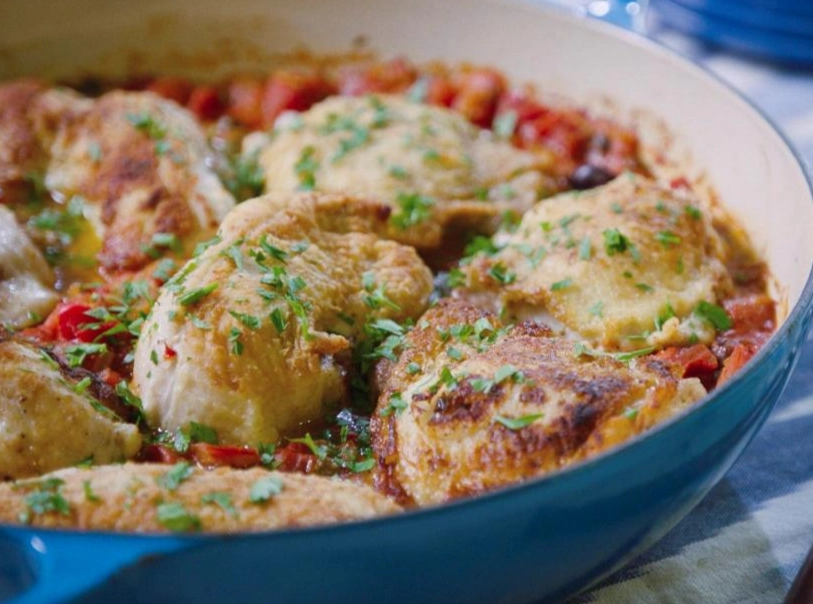
The Aromatics: The Holy Trinity
- Onion, Carrot, Celery (Soffritto): Finely diced. This is the flavor base of countless Italian dishes. Don't rush sautéing them.
- Garlic: Added later so it doesn't burn. Thin slices or a gentle crush.
The Liquids: Building Layers
- Dry Red Wine: Like a Chianti. It deglazes the pan, adding acidity and complexity. Cook off the alcohol.
- Tomatoes: Canned whole San Marzano tomatoes, crushed by hand, or good-quality tomato passata. Avoid pre-seasoned pasta sauces.
- Broth: Chicken broth, preferably low-sodium. It adds another layer of savoriness.
The Herbs & Extras
Fresh rosemary and sage are classic. Dried works in a pinch but use half the amount. Bay leaf. Some regions add olives or capers for a salty punch. Mushrooms (like cremini or porcini) are a fantastic addition, true to the "foraged" spirit.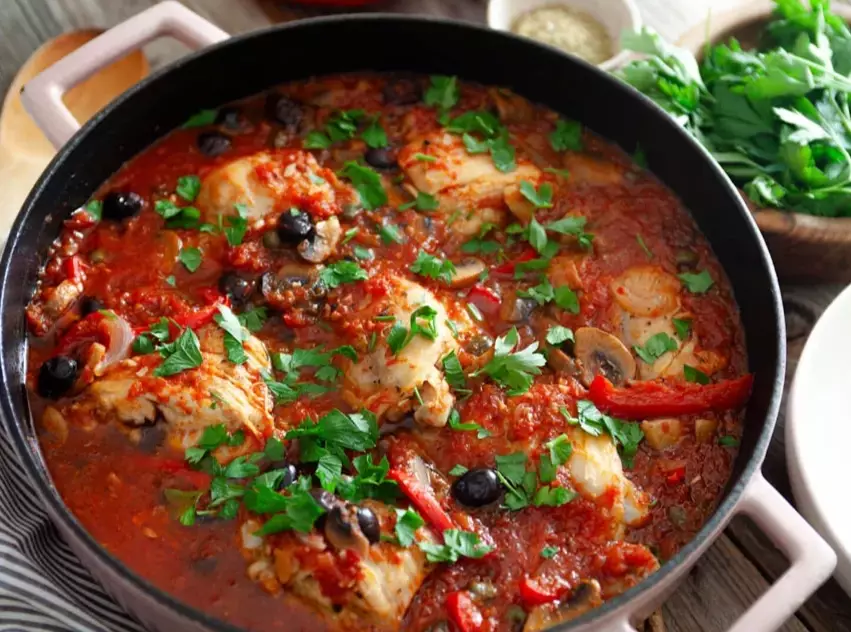
The Big Mistake to Avoid: Using boneless, skinless chicken breast. It's the single biggest reason homemade cacciatore tastes bland and the sauce lacks body. Trust me on this—I made this error for years before an Italian nonna set me straight.
How to Make Authentic Chicken Cacciatore: Step-by-Step
Here’s the process, broken down. Set aside about 90 minutes, mostly hands-off simmering time.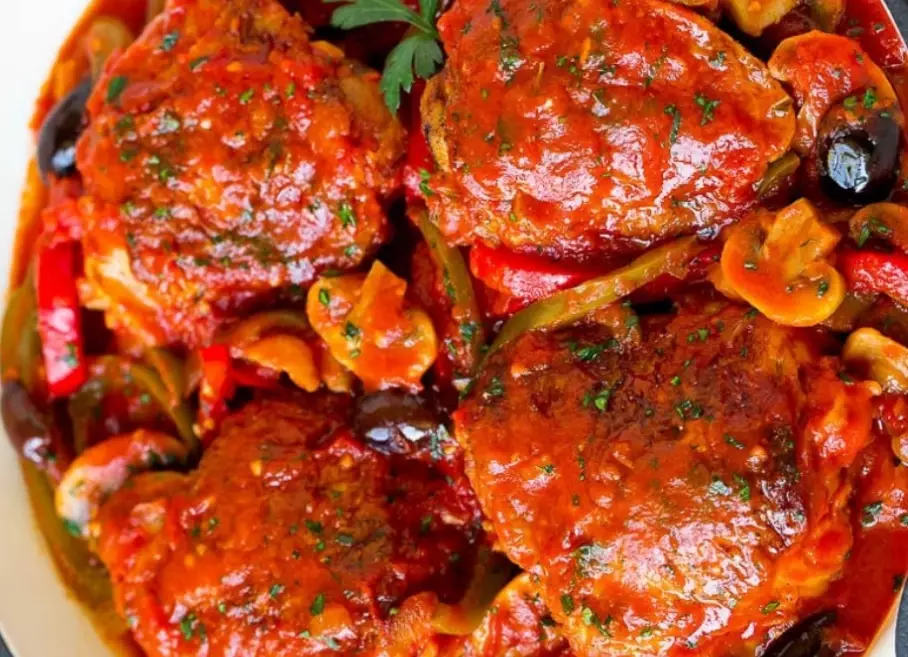
Step 1: Brown the Chicken (Properly)
Pat your chicken pieces very dry with paper towels. This is crucial for getting a good sear, not steam. Season generously with salt and pepper. In a large, heavy-bottomed pot or Dutch oven, heat a couple tablespoons of olive oil over medium-high heat. Don't crowd the pan—work in batches. Brown the chicken skin-side down first, until deeply golden, about 6-7 minutes. Flip and brown the other side. Remove to a plate. This step isn't about cooking the chicken through; it's about building flavor in the pot.
Step 2: Build the Soffritto
In the same pot, lower the heat to medium. Add your diced onion, carrot, and celery. Cook, stirring occasionally, until they soften and the onions turn translucent, about 8-10 minutes. Scrape up those browned bits from the chicken. Now add the garlic and cook for just a minute until fragrant.
Step 3: Deglaze and Simmer
Pour in the red wine. It will sizzle and steam. Use a wooden spoon to scrape up all the fond from the bottom of the pot. Let it bubble and reduce by about half—this cooks off the raw alcohol taste and concentrates the flavor. This takes 5-7 minutes of active simmering.
Step 4: The Braise
Add the crushed tomatoes, chicken broth, and your herbs (rosemary, sage, bay leaf). Stir and bring to a gentle simmer. Nestle the browned chicken pieces back into the sauce, along with any juices that accumulated on the plate. The sauce should come about halfway up the chicken. Partially cover the pot, reduce the heat to low, and let it bubble gently for 45 minutes to 1 hour. The chicken should be extremely tender, almost falling off the bone.
If you're adding mushrooms or olives, stir them in about 20 minutes before the end of cooking.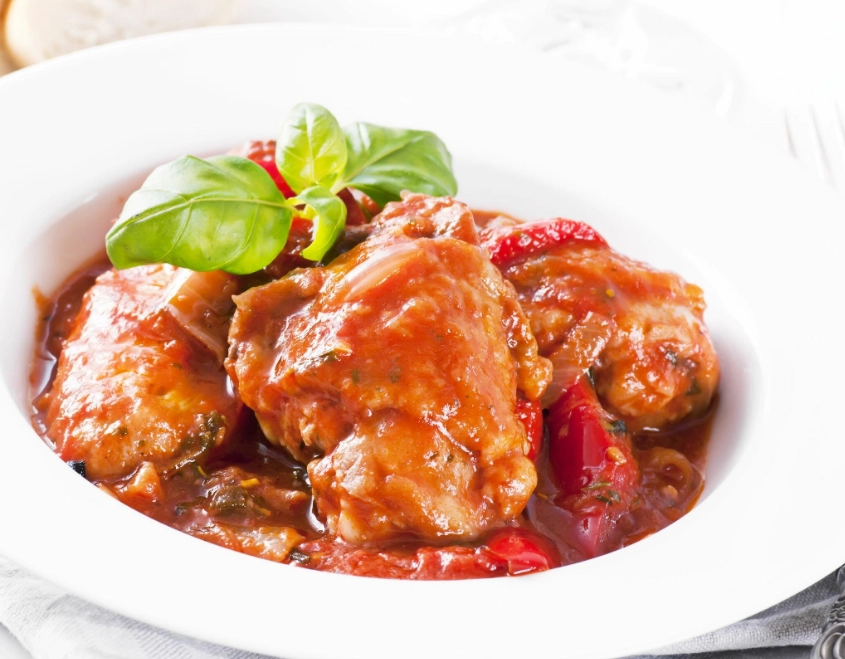
Step 5: Finish and Serve
Once the chicken is done, you can optionally remove it to a warm platter and let the sauce simmer uncovered for 5-10 minutes to thicken slightly. Taste and adjust seasoning with salt and pepper. A final drizzle of extra virgin olive oil before serving is a nice touch. Return the chicken to the sauce or serve it with the sauce spooned over the top.
Common Mistakes and How to Fix Them
- Watery Sauce: You didn't reduce the wine enough, or you used watery tomatoes. Fix it by simmering the sauce uncovered at the end. If really desperate, mix a teaspoon of cornstarch with a tablespoon of cold water and stir it in, but this isn't traditional.
- Tough Chicken: You rushed the braise. The heat was too high, causing the proteins to seize, or you didn't cook it long enough. Low and slow is the only way.
- Bland Flavor: You didn't season the chicken enough before browning, or you skipped browning altogether. The fond is flavor gold. Also, undersalting the sauce at the end is a common error.
Regional Twists & What to Serve It With
In Northern Italy, you might find a version "in bianco"—without tomatoes, using white wine and sometimes a splash of vinegar. In the South, it's red and tomatoey. Some add bell peppers, others think that's heresy.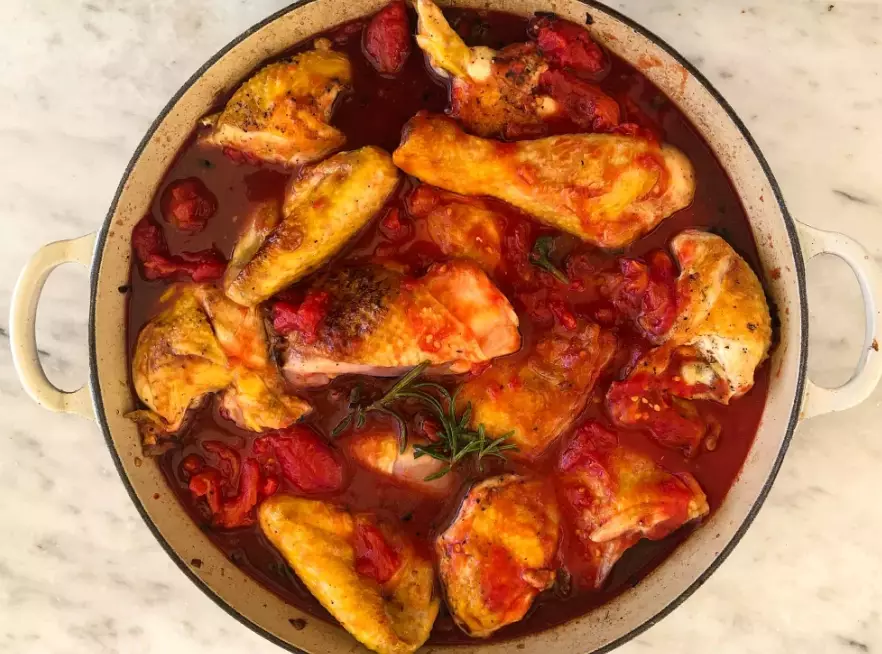
What to serve with it? This is a saucy dish. It begs for something to soak it up.
- Polenta: Creamy or set polenta is the classic, perfect partner.
- Pasta: A short, sturdy pasta like pappardelle, tagliatelle, or rigatoni. Toss the pasta directly in the sauce.
- Mashed Potatoes or Crusty Bread: For the ultimate comfort food experience.
A simple green salad with a sharp vinaigrette on the side cuts the richness beautifully.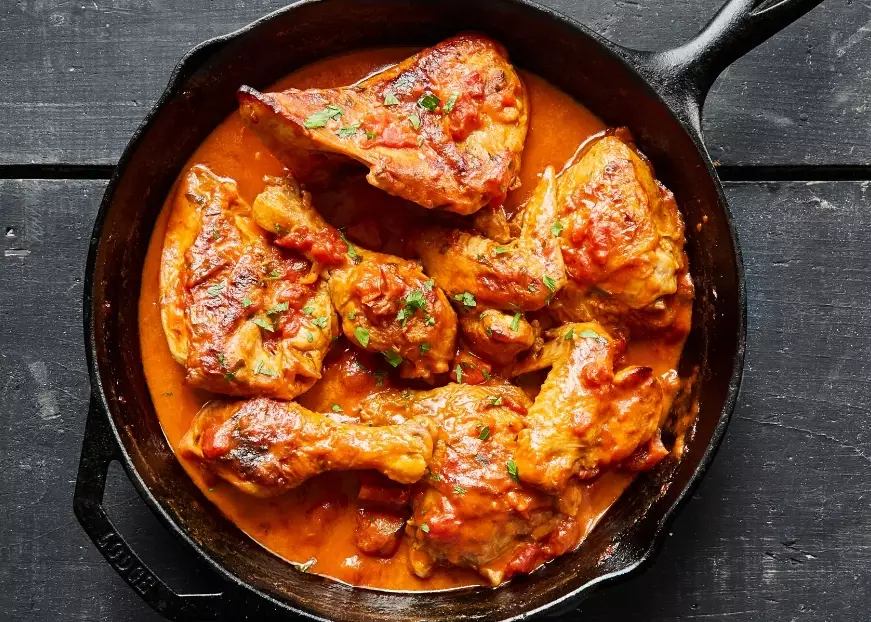
Your Cacciatore Questions, Answered
Related Articles

Old Fashioned Italian Cookie Recipes: A Taste of Tradition
Your Complete Guide to Italian Seasoning Substitutes (Flavorful & Easy)
Healthy Italian Vegetarian Recipes: Flavorful Main Dishes Made Easy
Italian Seasoning Without Marjoram: A Complete Recipe & Guide
Authentic Italian Chicken Breast Recipes: Fast, Healthy & Flavorful Dinners