Authentic Italian Appetiser Recipes for Your Next Gathering
Let's cut to the chase. Most "Italian appetizer" recipes you find online are a mile away from what you'd actually eat in Italy. They're overloaded, fussy, and miss the point entirely. True Italian antipasti aren't about showing off technique. They're about setting the mood, teasing the palate, and celebrating a few impeccable ingredients.
I learned this the hard way, hosting my first dinner party after moving back from a year in Bologna. I made some convoluted stuffed mushroom thing. My Italian friend, Marco, took one look and laughed. "In Italy," he said, "we start with bread, oil, maybe some ham. Something simple. You're working too hard." He was right. The best Italian appetiser recipes are exercises in restraint.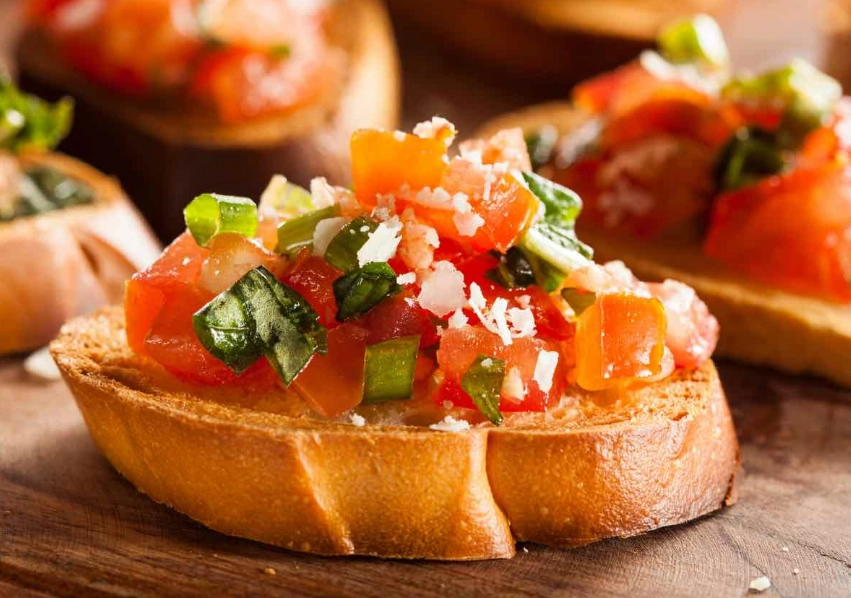
What's Inside?
The Antipasti Mindset: Less is More
Antipasti just means "before the meal." It's not a separate course to fill you up. Think of it as the opening act for your taste buds. The goal is freshness, brightness, and a hint of salt to stimulate the appetite.
This is where most home cooks go wrong. They see "appetiser" and think "mini meal." You end up with heavy, cheese-laden bites that make everyone too full for the pasta. The Italian approach is lighter. It's about texture contrast – the crunch of bread, the silkiness of oil, the pop of a ripe tomato.
Quality is non-negotiable. With only 3-5 ingredients per dish, each one has to sing. That doesn't mean spending a fortune. It means buying the best version of a simple thing you can find. A bottle of robust extra virgin olive oil is your best investment. A wedge of real Parmigiano-Reggiano, not the pre-grated stuff. Ripe, in-season tomatoes, even if you only need two.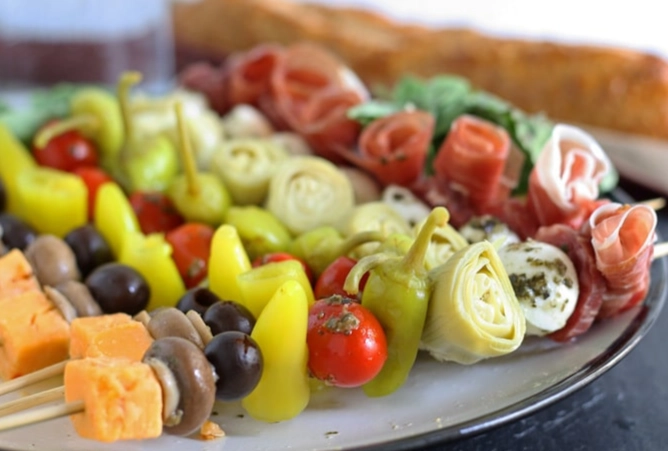
Three Classic Recipes You Can Actually Trust
Here are three antipasti staples. They're deceptively simple, which is why getting them right matters. I've included the little details most recipes gloss over.
1. Bruschetta al Pomodoro (The Icon)
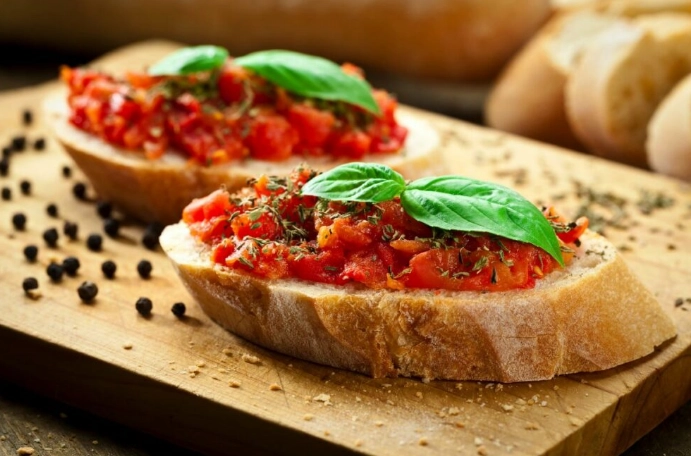
Pronounced "broo-sket-ta," not "broo-shetta." This is the king. At its core: grilled bread, rubbed with garlic, topped with tomatoes. Yet, I've been served tragic versions with soggy bread and flavorless, out-of-season tomatoes.
The Fix: Your bread must have a sturdy crust and an open, chewy crumb – ciabatta or a rustic sourdough. Grill or toast it until it's fiercely crisp. While warm, rub a cut garlic clove over one side. It should grate slightly, depositing just a whisper of garlic essence, not chunks.
For the topping, dice ripe tomatoes and toss them lightly with salt, torn basil, and your best olive oil. Do not add balsamic vinegar. This is a modern, non-Italian addition that overwhelms the tomato's sweetness. Let it sit for 10 minutes, then spoon onto the bread just before serving to preserve the crunch.
2. Prosciutto e Melone (The Perfect Pair)
This is the ultimate proof that Italians understand balance. Salty, silky cured ham draped over sweet, cool melon. It takes two minutes to assemble but feels luxurious.
The secret is in the selection. You want Prosciutto di Parma or San Daniele. The cheap, prepackaged sliced "ham" won't work – it's often too salty and dry. Visit a deli counter and ask for it sliced paper-thin.
For the melon, a ripe cantaloupe or honeydew is perfect. Use a melon baller or cut it into thin slices. Wrap or drape the prosciutto around it. No cooking, no dressing. The magic happens in your mouth. Some people add a grind of black pepper. I think it's perfect without.
3. Focaccia (The Versatile Canvas)
Yes, you can buy it. But a homemade, warm focaccia, dimpled and glistening with olive oil, is a game-changer for an antipasti spread. It's easier than you think, and the smell alone will win over any guest.
The common error? A focaccia that's too bready and dry. The goal is a crisp bottom, a tender, airy interior, and an oily, flavorful top.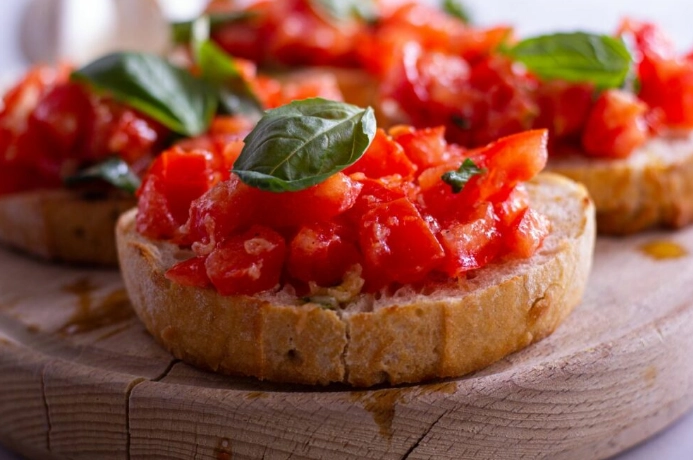
My Non-Negotiables: Use a high-hydration dough (it will be sticky – that's good). Let it do a long, slow rise in the fridge overnight for flavor. When you press it into the pan, don't be shy with the olive oil in the bottom. After dimpling the dough with your fingers, pour more oil over the top, letting it pool in the holes. Sprinkle with flaky sea salt and maybe some rosemary. Bake until deeply golden. Tear, don't slice.
The Subtle Mistakes That Ruin Your Appetisers
After teaching cooking classes for years, I see the same errors repeatedly. They're small but make a big difference.
| Appetiser | Common Mistake | Expert Fix |
|---|---|---|
| Bruschetta | Using soft sandwich bread. Chopping garlic into the tomatoes. | Sturdy, crusty bread only. Rub garlic on the toast, don't chop it in. |
| Prosciutto e Melone | Thickly sliced ham, underripe melon. | Paper-thin prosciutto, perfectly ripe, room-temp melon. |
| Cheese Board | Serving cheese ice-cold from the fridge. | Take cheese out 1-2 hours before serving. Flavor and texture are muted when cold. |
| Olives & Oil | Using bland, canned black olives. A cheap, flavorless olive oil. | Invest in Castelvetrano or Cerignola olives. Use your good extra virgin oil for dipping. |
Another big one: over-seasoning. Italian cooking relies on the salt within the ingredients (like the prosciutto or the cheese). Always taste before adding more salt to a dish like bruschetta topping.
Building an Antipasti Spread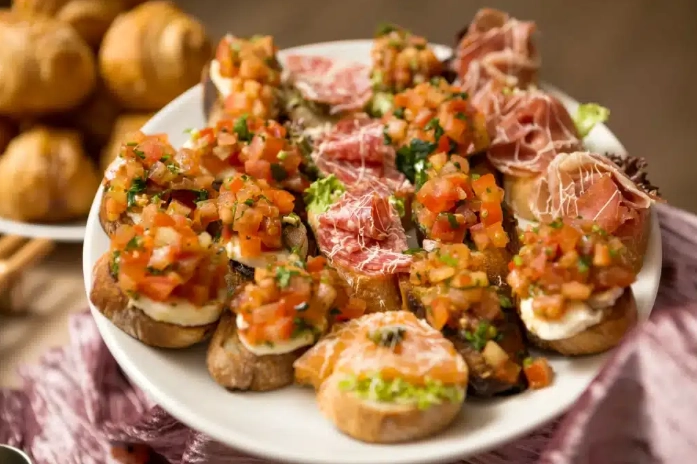
You don't need to make all three recipes above for one gathering. Pick one or two as anchors, then build around them with minimal-effort items. This is how Italians do it at home.
Let's say you make the focaccia. Your spread could be:
- The warm focaccia, for tearing and dipping.
- A small bowl of your best extra virgin olive oil for dipping, maybe with a splash of aged balsamic on the side.
- A plate of sliced salami (like Finocchiona) and some cubes of aged Pecorino.
- A bowl of mixed marinated olives.
- Some roasted almonds tossed with rosemary and sea salt.
See? One "recipe," a few quality store-bought items, arranged nicely on a board or plates. It feels abundant but took minimal active work. The focus is on chatting and enjoying, not you being stuck in the kitchen.
Presentation matters, but keep it rustic. Use wooden boards, slate, or simple white plates. Scatter some fresh herbs like rosemary sprigs around for color.
Your Antipasti Questions, Answered
 Honestly, the best advice I can give is to relax. Italian hospitality is about generosity of spirit, not complexity of food. Choose one recipe from above, focus on the quality of your core ingredients, and enjoy the process. Your guests will taste the difference immediately. They might not know you used the right bread or took the cheese out early, but they'll feel it. The meal will start on a note of effortless, delicious comfort. And that's the whole point.
Related Articles
Ultimate Guide to Making Authentic Italian Beef at Home
Authentic Italian Dinner Recipes: Classics for Your Table
Easy Italian Appetizers: Simple Recipes & Party Platters
Traditional Italian Salads for a Crowd: Easy, Make-Ahead Recipes
Authentic Italian Bolognese Recipe: The Real Ragù from Bologna