Authentic Gremolata Recipe: The Simple Italian Condiment That Elevates Any Dish
Quick Guide to This Article
- What Exactly Is Gremolata? (It's Not Just for Osso Buco)
- The Non-Negotiable Foundations of an Authentic Gremolata Recipe
- Beyond the Shank: How to Use Your Gremolata (This is Where It Gets Fun)
- The Gremolata Family Tree: Key Variations to Try
- Common Gremolata Pitfalls (And How to Avoid Them)
- Answering Your Gremolata Questions (The Stuff You Actually Search For)
- The Cultural Corner: Why Gremolata Matters in Italian Cooking
- Your Next Step: Go Make It
Let's be honest. When you think of Italian sauces, your mind probably goes to rich, slow-cooked ragù, creamy Alfredo, or tangy marinara. Gremolata? It's the underdog. The quiet one in the corner that, once you get to know it, completely steals the show. I first had a proper Italian gremolata recipe served over a shank of veal in a little trattoria near Milan, and it was a revelation. This wasn't a sauce you cooked; it was a sprinkle of pure, bright magic that woke up the entire dish.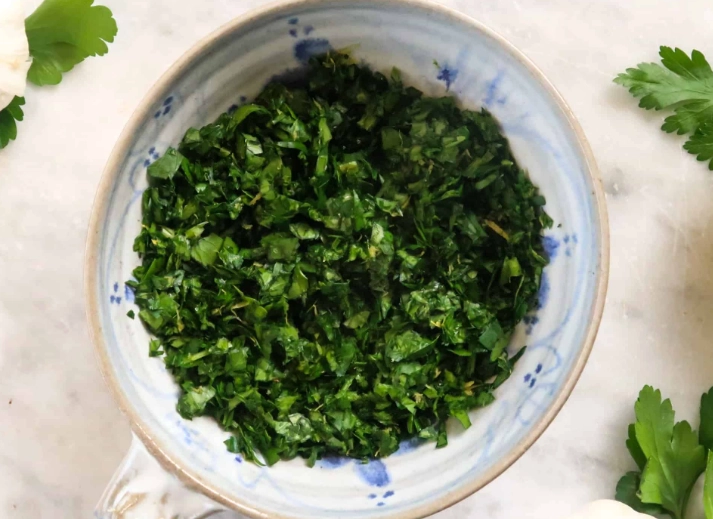
If you've never made it, you're in for a treat. And if you have, maybe I can show you a few new tricks. This isn't about fancy techniques or hard-to-find ingredients. It's about understanding a foundational Italian condiment that belongs in your weekly rotation as much as salt and pepper does.
What Exactly Is Gremolata? (It's Not Just for Osso Buco)
Most people's first encounter with gremolata is as the traditional garnish for Osso Buco alla Milanese – that glorious, fall-off-the-bone braised veal shank. The story goes that the sharp, citrusy punch of the gremolata cuts through the rich, unctuous meat and gremolata recipe Italian chefs swear by this combination for a reason. It's a perfect balance.
But to leave it there is to do gremolata a massive disservice. Think of it less as a "garnish" and more as a "finishing condiment." It's a flavor bomb you add at the very end of cooking, or even at the table, to add a layer of freshness, aroma, and texture that cooked ingredients can't provide.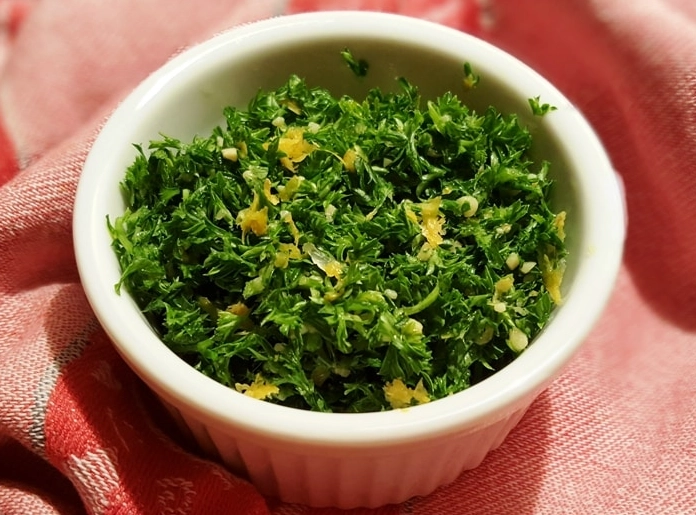
It's the Italian answer to chimichurri or chermoula, but often even simpler. The magic is in the raw, volatile oils from the lemon zest and garlic meeting the chlorophyll-green flavor of parsley. Heat dulls it. Time diminishes it. So you make it fresh.
I made the mistake once of making a big batch to save time during the week. Big mistake. By day two, the garlic had taken on a harsh, stale bite and the lemon zest lost its perfume. The parsley wilted. It was a sad, shadowy version of itself. Lesson learned.
The Non-Negotiable Foundations of an Authentic Gremolata Recipe
You can't mess with the holy trinity. Well, you can, and we'll get to variations, but to understand the true Italian gremolata recipe, you need to start with the classics.
The Three Pillars
1. Parsley (Prezzemolo): This is the green heart of the matter. It must be flat-leaf parsley (Italian parsley). Curly parsley just doesn't have the same robust, slightly peppery flavor. It's mostly for decoration, honestly. You need a good bunch, stems removed. Wash it and dry it thoroughly. A salad spinner is your best friend here. Wet parsley turns your gremolata into a soggy, diluted mess. For more on the importance of parsley in the Mediterranean diet, the National Center for Biotechnology Information has published studies on its nutritional compounds.
2. Lemon (Limone): Only the zest. We're not using juice here. You want the fragrant, oily outer yellow skin, avoiding the bitter white pith underneath. Use organic lemons if you can, since you're eating the skin. The variety matters less than freshness. A firm, bright yellow lemon will give you the best zest. The lemons from the Amalfi Coast or Sicily are famous for a reason, but any good lemon works. The Italian Ministry of Agricultural, Food and Forestry Policies even has protected designation of origin (DOP) status for certain lemons, like the Limone di Sorrento, highlighting how seriously they take their citrus.
3. Garlic (Aglio): One, maybe two cloves. It must be fresh and finely minced. Some old-school recipes call for crushing it into a paste with a bit of salt, which is a great technique to distribute the flavor evenly without big chunks. If your garlic has a green sprout in the middle, remove it—it can be bitter.
The Classic Ratios: A Simple Framework
There's no single "official" ratio, but most traditional Italian gremolata recipes hover around this balance:
- The Zest of 1 large lemon (about 1½ to 2 tablespoons loosely packed)
- 1 packed cup of fresh flat-leaf parsley leaves, finely chopped (from about 1 large bunch)
- 1 large or 2 small garlic cloves, finely minced or grated
- A tiny pinch of fine sea salt (to taste, helps bring the flavors together)
Sometimes you'll see a drizzle of extra-virgin olive oil to bind it, especially if it's going to be used as more of a spoonable condiment. But the pure, dry sprinkle version is the most classic for osso buco.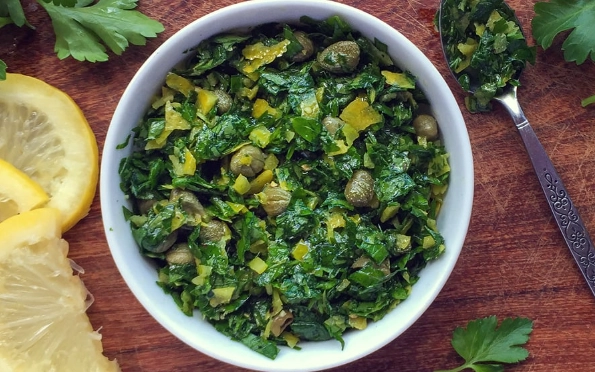
The 5-Minute Classic Gremolata Recipe
- Prep the ingredients: Wash and thoroughly dry the parsley. Pluck the leaves from the thicker stems. Zest the lemon using a fine grater or microplane, avoiding the white pith. Peel and finely mince the garlic.
- Chop the parsley: Gather the parsley leaves into a tight pile on your cutting board. Use a sharp knife to chop them finely until you have about one packed cup. You want them fine, but not dust.
- Combine: In a small bowl, gently mix the chopped parsley, lemon zest, and minced garlic together with your fingers or a fork.
- Season: Add a tiny pinch of salt. Taste. Does it need more brightness? Maybe a tiny bit more zest. More bite? A hint more garlic. Adjust.
- Use immediately for the best flavor. If you must wait, cover it and leave it at room temperature for no more than an hour before serving.
That's it. Your authentic Italian gremolata is ready. Now, what do you do with it?
Beyond the Shank: How to Use Your Gremolata (This is Where It Gets Fun)
This is the part most basic recipes skip. They give you the gremolata recipe Italian style and say "put it on osso buco." Great. But what if you're not braising veal shanks on a Tuesday? Here’s where this condiment becomes a secret weapon.
On Proteins:
Obviously, osso buco (veal or pork). But try it on simple grilled chicken or pan-seared chicken breasts. It transforms them. Spoon it over roast salmon, seared tuna, or baked white fish—the lemon is a natural pairing. It's incredible on grilled or roasted lamb chops. Even on a humble pan-fried pork chop.
On Vegetables:
This is a game-changer. Toss roasted carrots, potatoes, cauliflower, or broccoli with a spoonful of gremolata right out of the oven. Stir it into steamed green beans or sautéed zucchini. Sprinkle it over a simple bean soup like Pasta e Fagioli. I love it on roasted mushrooms.
On Starches:
Fold it into warm, creamy risotto just before serving (especially a lemon risotto or a mushroom risotto). Toss it with hot pasta and a glug of good olive oil for the simplest, most vibrant pasta you'll ever have. Stir it into mashed potatoes or polenta.
As a Spread/Dip:
Mix it with softened butter to make a compound butter for steaks or fish. Stir it into room-temperature ricotta or goat cheese for a killer crostini topping. Add a spoonful to mayonnaise or Greek yogurt for a quick dip.
The Gremolata Family Tree: Key Variations to Try
Once you master the classic Italian gremolata recipe, the world of variations opens up. Different regions in Italy and modern chefs have played with the formula. Here’s a quick guide to the most popular spins.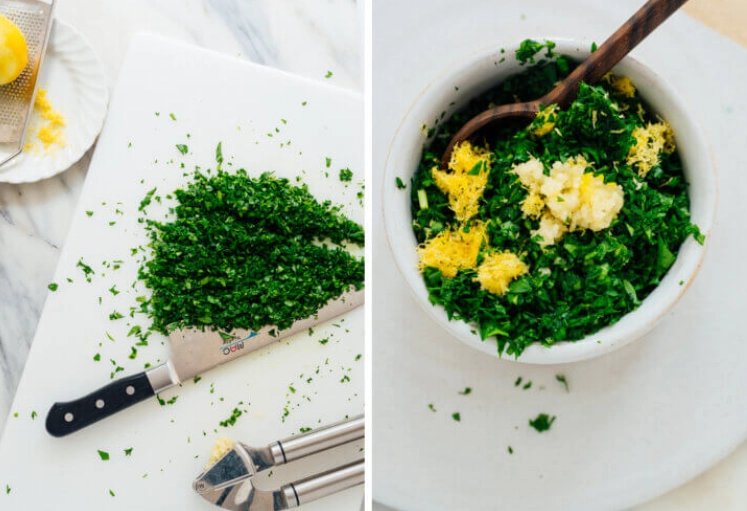
| Variation Name | Key Addition/Substitution | Best Paired With | Notes |
|---|---|---|---|
| Classic Milanese | Parsley, Lemon, Garlic | Osso Buco, Braised Meats | The original. Dry and fluffy. |
| Gremolata with Olive Oil | + Extra-Virgin Olive Oil | Grilled Fish, Vegetables, Pasta | Becomes more of a spoonable paste or dressing. |
| Gremolata with Anchovy | + 2-3 finely minced anchovy fillets | Heartier Fish, Lamb, Roasted Potatoes | Adds a deep, savory umami punch. Anchovy melts in. |
| Gremolata with Nuts | + Toasted Pine Nuts or Chopped Pistachios | Pasta, Roasted Veg, Goat Cheese | Adds crunch and richness. A more modern take. |
| Gremolata with Herbs | Parsley + Mint or Basil | Lamb, Summer Salads, Seafood | Mint makes it incredibly fresh. Basil is sweet. |
| Gremolata with Citrus Twist | Lemon + Orange or Lime Zest | Chicken, Shrimp, Tacos | Orange adds sweetness. Lime is more pungent. |
| Gremolata with Breadcrumbs (Mollica) | + Toasted Fine Breadcrumbs | Pasta, Soups, Baked Fish | Adds texture and helps it "cling" to dishes. |
My personal favorite variation? The one with anchovy. It sounds intense, but it melds into the background, adding a salty, savory depth that makes the lemon pop even more. It's not fishy—it's just profoundly flavorful. Try it on a simple piece of grilled swordfish. You'll see.
Common Gremolata Pitfalls (And How to Avoid Them)
I've messed up gremolata more ways than I'd like to admit. Here’s what can go wrong, so it doesn't happen to you.
- Soggy Gremolata: Cause = wet parsley. Solution = Dry your parsley like your dish depends on it (it does). Salad spinner, then pat with towels.
- Bitter Gremolata: Cause 1 = white lemon pith grated in. Cause 2 = old garlic with a green sprout. Solution = Use a light touch with the zester and remove garlic sprouts.
- Harsh, Overpowering Garlic: Cause = too much garlic, or garlic that's been sitting and oxidizing in the mix for hours. Solution = Use fresh garlic sparingly and make the gremolata close to serving time.
- Limp, Lifeless Gremolata: Cause = Made too far in advance. Solution = It's a 5-minute job. Do it last.
- Uneven, Chunky Texture: Cause = lazy chopping. Solution = Take the extra minute to get everything finely and evenly chopped. It makes a difference in how the flavors combine.
Honestly, the biggest pitfall is being intimidated. It's chopped herbs. You can't really "break" it. Even a subpar gremolata is usually better than no gremolata at all.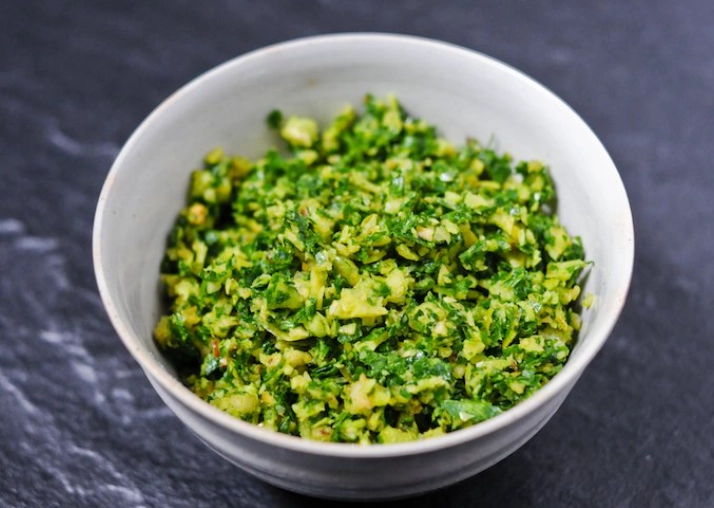
Answering Your Gremolata Questions (The Stuff You Actually Search For)
Let's get practical. Here are the questions I had when I started, and the ones I see pop up all the time.
Can I make gremolata ahead of time?
You can, but you shouldn't, at least not the classic dry version. The flavors peak within the first hour. The parsley wilts, the garlic sharpens unpleasantly, the lemon zest fades. If you must prep components, you can chop the parsley and store it wrapped in a dry paper towel in a container in the fridge for a day. Zest the lemon and mince the garlic separately, then combine all three at the last minute.
What's the difference between gremolata and chimichurri?
Great question. They're cousins, not twins. Chimichurri (Argentinian) is a looser, oil-based sauce with parsley, oregano, garlic, vinegar, and chili flakes. Gremolata is typically dry (no oil or vinegar in the base version), focuses on lemon zest over acidity, and has a simpler ingredient list. Chimichurri is a marinade and sauce; gremolata is primarily a finishing condiment.
Can I use dried parsley or bottled lemon juice?
No. Just no. The entire soul of an authentic Italian gremolata recipe is the fresh, vibrant, raw ingredients. Dried parsley is hay. Bottled lemon juice has no zest. You'll end up with a sad, dusty, acidic imitation. If you don't have fresh parsley and a fresh lemon, make something else.
Is there a substitute for parsley?
In a true gremolata, not really. Parsley is the base. However, in the broader spirit of "finishing herb condiments," you could use other soft herbs. A mix of cilantro, lime zest, and garlic would be fantastic on fish tacos (but you'd call it something else). For an Italian context, parsley is key.
How do I store leftovers?
You ideally won't have any. But if you do, press it into a small container, cover the surface directly with plastic wrap, and refrigerate for up to 24 hours. It will lose its vibrancy but can still be cooked into something like scrambled eggs or stirred into a soup the next day. Don't freeze it.
The Cultural Corner: Why Gremolata Matters in Italian Cooking
This isn't just a recipe; it's a philosophy. Italian cooking, at its best, is about balance and respecting ingredients. Gremolata embodies the principle of contrappunto—a counterpoint. The rich, long-cooked meat needs the bright, raw, sharp condiment. The heavy finds its balance with the light.
It's also a testament to cucina povera, the "poor kitchen" tradition of making incredible food from few, humble ingredients. Nothing goes to waste. The zest of the lemon, often discarded, becomes the star. The parsley, a simple garden herb, is elevated.
Organizations like Slow Food International, founded in Italy, champion these very traditions—preserving local food cultures and the simple, sustainable practices behind dishes like this. Making a gremolata connects you to that centuries-old chain of home cooks who knew how to make a little go a long, flavorful way.
Your Next Step: Go Make It
So there you have it. The complete, unvarnished guide to the Italian gremolata recipe. Not just the "what" but the "why" and the "how to use it." You don't need a special occasion. You just need a lemon, a bunch of parsley, and a clove of garlic.
Start with the classic. Get a feel for the balance. Then, maybe next time, add a few toasted pine nuts or a single anchovy fillet. Experiment. See what it does to a piece of grilled chicken or a bowl of roasted veggies.
I promise you, once this simple trick is in your repertoire, you'll find excuses to use it. It makes everyday food taste considered, fresh, and special. And isn't that what we all want from our cooking?
Now, if you'll excuse me, I have some salmon to take out of the oven. And I know exactly what's going on top of it.
Related Articles
Authentic Italian Beef Recipe: Slow-Cooked Chicago-Style Sandwiches

Simple Italian Holiday Dinner Recipes: Effortless & Authentic Feasts

The only Olympic TOP partner in China's consumer goods industry: Mengniu's pursu
Best Italian Regional Recipes: Top 5 Dishes to Master at Home

Tesla VS BYD: A new wave of insurance for electric car giants
What Are the Most Popular Italian Appetizers? A Complete Guide to Antipasti
Easy Italian Pizzelle Recipe: Simple & Authentic
Authentic Italian Recipes: Your Ultimate Guide to Mastering Classics at Home

Modern Italian Cocktails: A Guide to Artisanal Mixology

Ground Italian Sausage Recipes: The Ultimate Guide for Easy & Flavorful Dinners
Italian Sausage Recipes: Easy Family Dinners in 30 Minutes
Authentic Italian Pasta Sauce Recipes: From Classic Tomato to Rich Ragù
Easy Crusty Italian Bread Recipe: Homemade Ciabatta & Focaccia
Best Vegetarian Italian Dishes: Recipes & Cooking Tips
Authentic Italian Salad Dressing Recipe: Easy, Zesty & Homemade

The RMB exchange rate against the US dollar rose to a high point this year
Perfect Homemade Italian Gnocchi Recipe: Light & Fluffy
Authentic Italian Steak Recipe: Bistecca alla Fiorentina Guide

Perfect Pairings: What to Serve with Italian Sausage for Dinner

Why did China Resources take over Tasly?

Industry Observation|Running at a new speed of trade finance, Bohai Bank's "Boyi
Best Italian Baked Dishes Recipes: Authentic & Easy to Make
Authentic Carbonara Recipe: Traditional Italian Pasta Without Cream

Restarting private investment|"Caijing" special report
Authentic Italian Beef Recipe: The Ultimate Chicago-Style Sandwich Guide
Classic Italian Pasta Recipes: Authentic Dishes You Can Master
Italian Meatball Recipe: Step-by-Step Guide & Secrets for Tender Meatballs
What Is the Most Popular Italian Dish? Top Contenders Revealed

Authentic Italian Cannoli Recipe: Crispy Shells & Sweet Ricotta Filling

Leave a Comment