The Ultimate Homemade Italian Dressing Recipe (Easy & Authentic)
Quick Guide
- The Foundation: Your Go-To Homemade Italian Dressing Recipe
- Beyond the Basic: Italian Dressing Recipe Variations for Every Mood
- The Deep Dive: Why Each Ingredient in Your Italian Dressing Recipe Matters
- Storing, Using, and Troubleshooting Your Homemade Italian Dressing
- Your Italian Dressing Recipe Questions, Answered
Let's be honest. For years, I just grabbed that bottle from the supermarket shelf. You know the one. It promised "Italian flavor" but always left a weird, clingy aftertaste and a list of ingredients you need a chemistry degree to understand. Xanthan gum? Potassium sorbate? In my salad? No, thank you. The turning point was a trip to a tiny trattoria in Rome, where a simple salad with the most vibrant, herby, tangy dressing made me realize what I'd been missing. I came home determined to crack the code.
And guess what? Making your own recipe for Italian dressing is laughably easy. It's faster than driving to the store, infinitely tastier, and you control everything that goes in it. No more mystery oils or stabilizers. Just clean, vibrant flavor.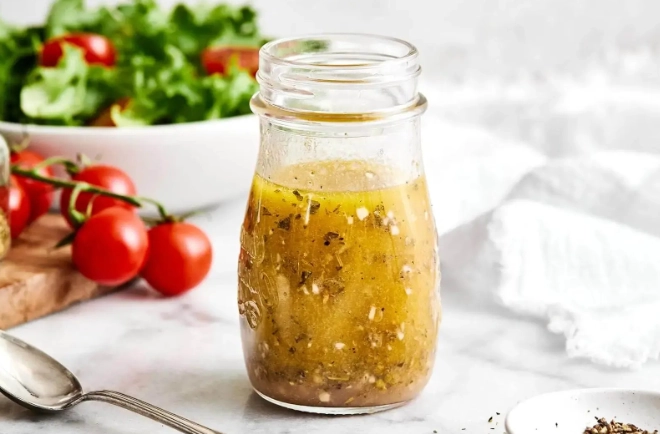
This isn't just one recipe. It's the blueprint. The master formula. Once you get this down, you'll never look back. We're going to cover the classic version, then tweak it six ways to Sunday based on what you have in your pantry and what you're craving.
Why bother making it? Cost, control, and taste. A bottle of decent store-bought dressing can cost $4-$6. The ingredients for a batch twice the size? Maybe $3, and most are pantry staples. You control the salt, the sugar, the quality of oil. And the taste... there's just no comparison. Fresh herbs and good oil make a world of difference.
The Foundation: Your Go-To Homemade Italian Dressing Recipe
This is my workhorse, my weekly staple. I make a jar every Sunday. It keeps things simple but gets every element right. Think of it as your base model—reliable, fantastic, and ready for customization.
You'll need a jar with a tight lid or a small bowl and a whisk. That's it. No fancy equipment.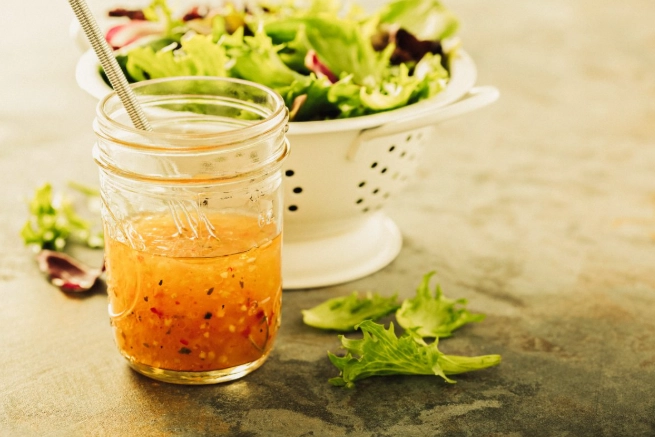
Ingredients (Makes about 1 ¼ cups)
- ¾ cup extra-virgin olive oil: This is the soul of the dressing. Don't use that light-tasting stuff. Get a good, fruity extra-virgin olive oil. It makes all the difference. I splurge on a nice one from the Mediterranean, sometimes checking resources like the International Olive Council for quality info.
- ¼ cup red wine vinegar: The classic tang. For a smoother taste, you can use half red wine vinegar and half fresh lemon juice.
- 1 small garlic clove, minced: Finely minced or even grated. A big chunk of raw garlic can be overpowering.
- 1 teaspoon dried oregano: The non-negotiable Italian herb. Crush it between your palms as you add it to wake up the oils.
- 1 teaspoon dried basil: Or use 1 tablespoon fresh, chopped.
- ½ teaspoon onion powder: Gives a rounded savory note without the crunch of raw onion.
- ½ teaspoon Dijon mustard: My secret weapon. It's not for mustard flavor, but it acts as an emulsifier, helping the oil and vinegar cling together. It also adds depth.
- ½ teaspoon honey or sugar: Just a pinch to balance the acidity. You won't taste it as sweet.
- ½ teaspoon fine sea salt, plus more to taste
- ¼ teaspoon freshly ground black pepper
- Optional: A pinch of red pepper flakes for heat, 1 tablespoon of freshly grated Parmesan cheese (adds umami but makes it perishable faster).
The Foolproof Method
- Combine the wet team. In your jar or bowl, add the red wine vinegar, minced garlic, Dijon mustard, honey, salt, and pepper. Whisk or shake vigorously until the salt and honey are dissolved and everything is combined. This step is crucial—dissolving the solids in the vinegar first.
- Introduce the herbs. Add the dried oregano, basil, and onion powder to the vinegar mixture. Give it another shake or whisk.
- The slow pour. If using a jar, add the olive oil, screw the lid on tightly, and shake like you're trying to win a maraca contest for a full minute. If using a bowl, start whisking the vinegar mixture constantly and drizzle the olive oil in a very slow, thin stream. Keep whisking until it looks creamy and combined.
- Taste and adjust. This is the most important step. Dip a lettuce leaf or a piece of bread in it. Need more tang? Add a splash more vinegar. Too sharp? A bit more oil or a tiny bit more honey. More herb flavor? Let it sit for 30 minutes—the dried herbs need time to hydrate and bloom.
Pro Tip: Always make your homemade Italian dressing at least 15-20 minutes before you need it. Letting it sit allows the flavors to marry and mellow. The garlic infuses, the herbs soften. It's a different (and better) dressing after a short rest.
And that's it. You've just made a recipe for Italian dressing that beats anything in a bottle. But maybe you're thinking... my pantry looks different. What if I have balsamic? What if I'm out of dried herbs? Let's talk variations.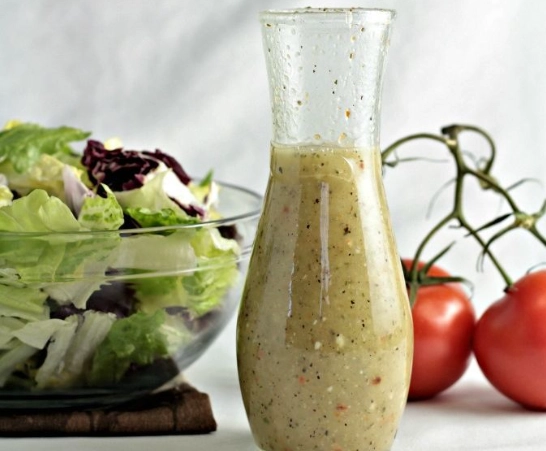
Beyond the Basic: Italian Dressing Recipe Variations for Every Mood
The beauty of this formula is its flexibility. Once you understand the ratio (3 parts oil to 1 part acid is the classic vinaigrette rule), you can play jazz. Here’s a quick-reference table for some of my favorite spins on the classic Italian salad dressing recipe.
| Variation Name | Key Swaps/Additions | Best Paired With | Flavor Profile |
|---|---|---|---|
| The Classic (Above) | Red wine vinegar, dried oregano & basil | Green salads, pasta salads, marinade for chicken | Tangy, herby, balanced |
| Lemon-Herb Fresh | Replace vinegar with fresh lemon juice. Use 2 tbsp each fresh chopped parsley, basil, and chives. | Simple greens, grilled fish, roasted vegetables | Bright, clean, citrus-forward |
| Creamy Parmesan | Add 2 tbsp mayonnaise and 3 tbsp finely grated Parmesan cheese. Use white wine vinegar. | Hearty romaine, Caesar-style salads, as a dip for crudités | Rich, savory, umami-packed |
| Balsamic Herb | Replace red wine vinegar with good balsamic vinegar. Add 1 tsp of dried thyme. | Salads with strawberries, goat cheese, or nuts. Drizzle over Caprese. | Sweet, deep, complex tang |
I have to admit, I'm not the biggest fan of the "creamy" style you sometimes find in stores—it often feels heavy and masks the other flavors. But my Creamy Parmesan version up there? It's different. The mayo and cheese create a luscious texture that clings to every leaf without being gloppy. It's a crowd-pleaser, especially for kids or anyone who finds straight vinaigrettes too sharp.
What About Using Fresh vs. Dried Herbs?
This is a common debate. Dried oregano and basil are classics for a reason—they have a more concentrated, earthy flavor that stands up to the oil and vinegar and mimics the taste of many commercial blends. Fresh herbs give a brighter, greener, more delicate flavor. You can't go wrong either way.
My rule of thumb: Use 1 teaspoon of dried herb or 1 tablespoon of the same fresh herb, finely chopped. If using fresh, add them right before serving for maximum pop, as their color can fade over time in the acid.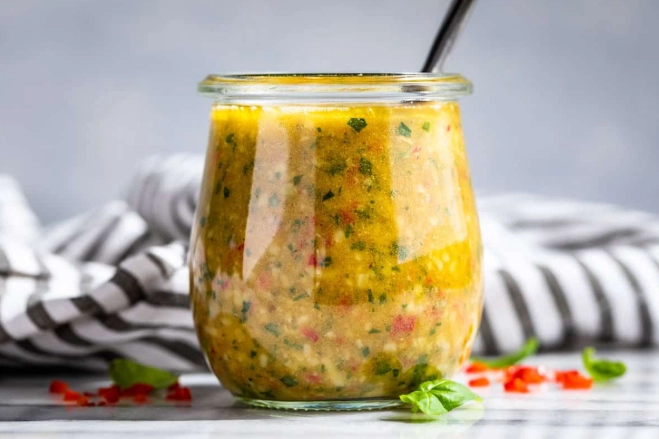
A quick story: I once tried to make a big batch of dressing for a party using only fresh herbs. I made it the night before. Big mistake. By party time, the parsley and basil had turned a sad, army-green color and lost all their vibrancy. The flavor was fine, but it looked unappetizing. Now, I mix in fresh herbs just an hour or two before serving if I'm prepping ahead.
The Deep Dive: Why Each Ingredient in Your Italian Dressing Recipe Matters
Understanding the "why" makes you a better cook. Let's break down the lineup.
The Oil: Your Flavor Foundation
Extra-virgin olive oil (EVOO) is non-negotiable for authenticity. Its peppery, fruity notes are the backbone. Can you use others? Sure. A light olive oil is more neutral. Avocado oil is buttery and healthy. But for that true Italian salad dressing recipe character, EVOO is king. Just don't use "extra light" olive oil or vegetable oils like canola—they lack flavor and often come from highly processed seeds.
The Acid: The Bright Spark
Red wine vinegar is traditional. White wine vinegar is slightly milder. Fresh lemon juice is fantastically bright. Balsamic adds sweetness and depth. Apple cider vinegar can work in a pinch but has a distinct fruity note that isn't very Italian. The acid doesn't just add tang; it helps carry the other flavors across your palate.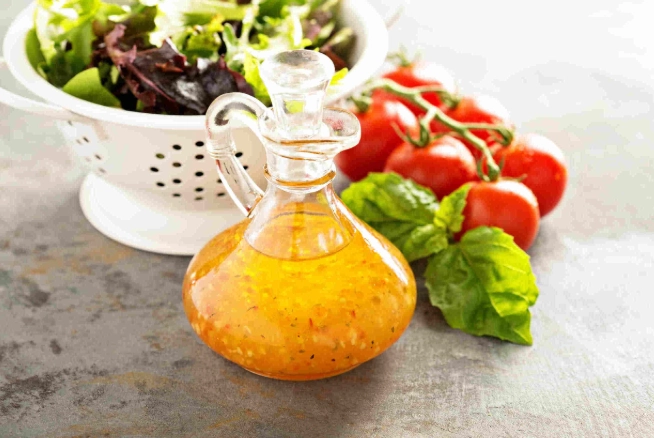
The Aromatics & Flavor Boosters
- Garlic: Use it sparingly. Raw garlic gets stronger as it sits. If you're making dressing for the week, one small clove is plenty.
- Dijon Mustard: As mentioned, it's an emulsifier. It also adds a subtle complexity that rounds out the sharp edges of the vinegar. Plain yellow mustard will work but adds a different, more pronounced flavor.
- Sweetener: A tiny bit is essential for balance. Honey, maple syrup, or plain sugar all work. It's not about making it sweet; it's about neutralizing the harshness of the acid.
- Dried Herbs: They're shelf-stable and their flavor infuses into the oil over time. Crushing them releases their essential oils.
Watch Out: Pre-minced jarred garlic. I avoid it for dressings. It often sits in preservative juice and can have a bitter, off taste compared to a fresh clove. The two minutes it takes to mince a fresh clove is worth it.
Storing, Using, and Troubleshooting Your Homemade Italian Dressing
You've made a beautiful jar. Now what?
How Long Does It Last?
In a sealed jar in the refrigerator, your basic recipe for Italian dressing (without fresh cheese or fresh herbs) will last 1 to 2 weeks. The oil may solidify a bit when cold—just let it sit at room temperature for 10 minutes and give it a good shake. If you add fresh Parmesan or fresh herbs, aim to use it within 5-7 days.
How do you know if it's gone bad? Trust your senses. Sniff it. If it smells rancid (like crayons or old nuts) or looks moldy, toss it. Fresh ingredients don't have the shelf life of chemical preservatives, and that's a good thing.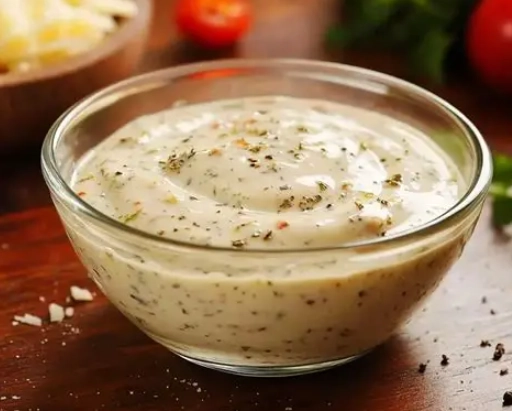
It's Not Just for Salad! (The Multitasking Marvel)
This dressing is a kitchen workhorse.
- Marinade: It's fantastic for chicken, pork chops, or even sturdy vegetables like zucchini and mushrooms. The acid helps tenderize.
- Sandwich Spread: Ditch the mayo. A drizzle of this on a sub sandwich or a chicken wrap is incredible.
- Vegetable Dip: Use the Creamy Parmesan version as a dip for raw carrots, cucumbers, and bell peppers.
- Pasta Salad Dressing: It's the classic choice for a cold pasta salad with olives, tomatoes, and mozzarella.
Common Problems & Fixes
Problem: The oil and vinegar separate immediately after shaking.
Fix: You need a better emulsifier. Make sure you're using Dijon mustard. Also, ensure everything is at room temperature (cold oil and vinegar separate faster). Finally, shake or whisk more vigorously. A small immersion blender works miracles for a perfectly creamy emulsion.
Problem: The dressing tastes too harsh/vinegary.
Fix: Balance it! Add a touch more oil and/or a tiny pinch more sweetener. Let it sit for 30 minutes—the flavors will mellow.
Problem: It's bland.
Fix: Seasoning! Add more salt, bit by bit. Salt is a flavor amplifier. Also, check your herbs—are they old? Dried herbs lose potency after about 6 months. A bit more black pepper or a pinch of red pepper flakes can also wake it up.
Your Italian Dressing Recipe Questions, Answered
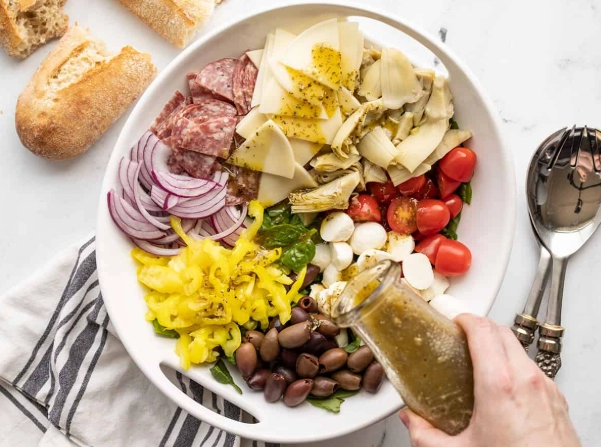
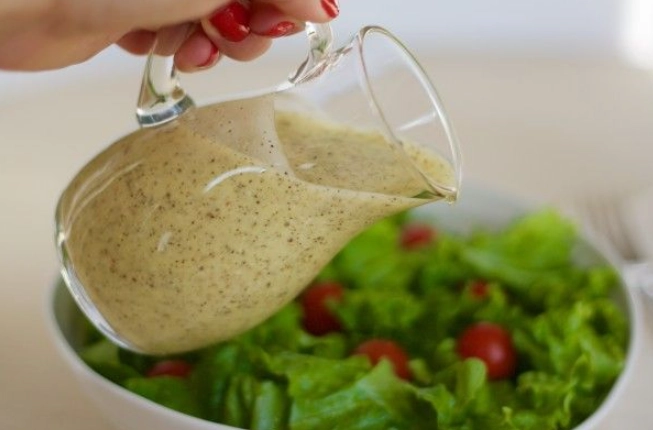
Final Thought: Don't be afraid to mess it up. The first time I made a recipe for Italian dressing, I added way too much garlic. It was potent. We ate it anyway, and I learned for next time. Cooking is adjusting. Taste as you go, trust your palate, and make it yours. That bottle on the shelf will never give you that freedom or that satisfaction.
So there you have it. From the foolproof base to all its variations, the science behind it, and the fixes for common issues. You're now equipped to make a dressing that will transform your salads, your marinades, and maybe even your weeknight cooking routine. Ditch the bottle. Embrace the jar. Happy shaking!
Related Articles

Rescue the market requires real money, not IPO suspension
A Guide to Italy's Classic Dishes: Pasta, Pizza & More

The "big test" for joint venture car companies has arrived
Discover the Best Non-Alcoholic Italian Drinks: From Aperitivo to Digestivo
Italian Sauce Recipe: Secrets from a Nonna's Kitchen