Italian Cream Cake Recipe: A Southern Classic with Italian Flair
Let's clear up the first mystery: Italian Cream Cake isn't actually from Italy. Its roots are firmly planted in the American South, a fact that surprises many first-time bakers. The name likely comes from the use of coconut and pecans, ingredients that felt "exotic" or fancy to mid-20th century home cooks. But wherever it's from, this cake is a masterpiece. Imagine layers of the moistest, most tender cake you've ever tasted, speckled with toasted pecans and chewy coconut, all hugged by a cloud of tangy, fluffy cream cheese frosting. It's a textural dream and a flavor powerhouse. After baking this for over a decade, I've refined the process to avoid the common pitfalls—the dry cake, the grainy frosting, the layers that crumble when you try to frost them. This recipe is that reliable, crowd-pleasing version.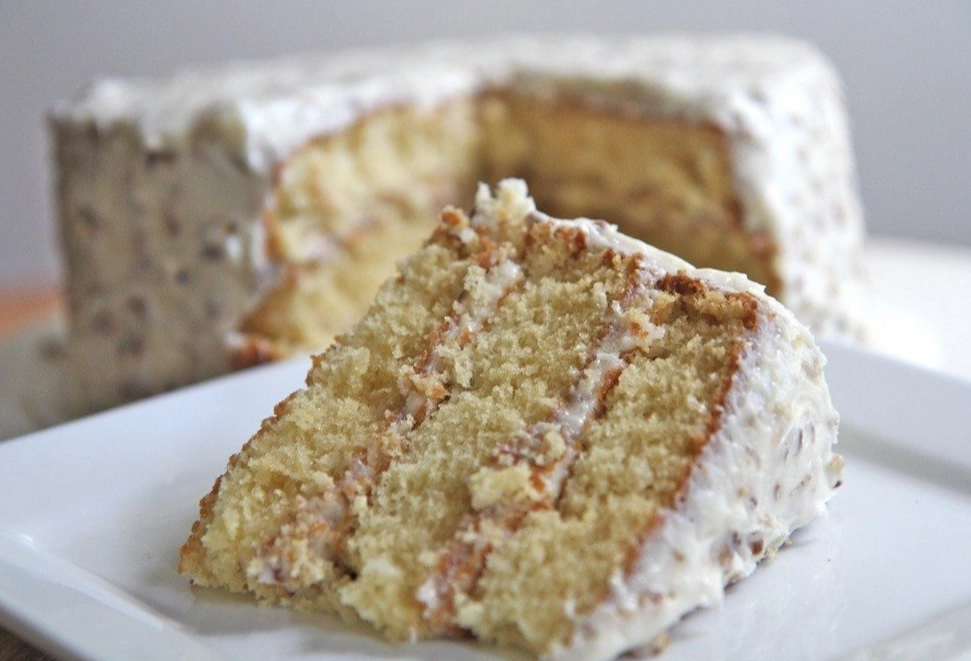
What You’ll Find in This Guide
The History Mystery: Why Is It Called Italian?
Food historians, like those referenced in materials from the Southern Foodways Alliance, point to its emergence in the Southern United States in the mid-1900s. The “Italian” tag is a bit of culinary marketing. Cakes with cream cheese frosting, coconut, and nuts were considered special occasion fare. Associating it with Italy, a place synonymous with fine food for many Americans, gave it an air of sophistication. Think of it like French fries—a name that tells a story of perception, not geography. The cake's true heritage is pure Southern hospitality: generous, sweet, and designed to impress.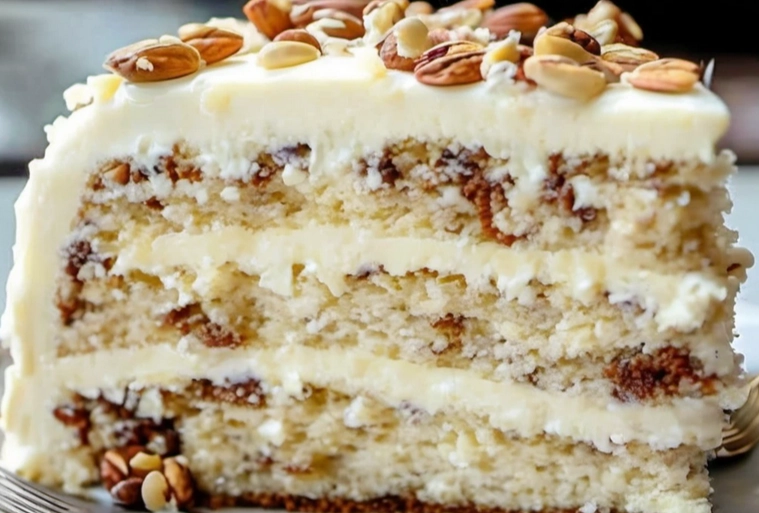
The Non-Negotiable Ingredients (and Why They Matter)
This isn't a cake where you can casually substitute and expect the same result. Each component has a job.
| Ingredient | Its Critical Role | Expert Tip |
|---|---|---|
| Buttermilk & Sour Cream | The dynamic duo of moisture and tenderness. The acid tenderizes gluten, while the fat adds richness. | Use full-fat. Low-fat buttermilk can work, but skip light sour cream. The fat is insurance against dryness. |
| Toasted Pecans | They're not just a mix-in. Toasting unlocks their buttery depth, which cuts the cake's sweetness. | Toast them yourself. 8 minutes at 350°F (175°C) on a sheet pan. The smell tells you they're done. Pre-toasted nuts are often stale. |
| Sweetened Shredded Coconut | Provides moisture, chew, and that iconic flavor. It also helps create the cake's fine, dense crumb. | Don't use unsweetened. The sugar in the sweetened coconut helps it stay moist and soft during baking. |
| Cream Cheese & Butter (for frosting) | The foundation of the frosting. Cream cheese gives tang, butter gives structure and a silky mouthfeel. | They must be at room temperature. I take them out 2 hours before. Cold ingredients = lumpy, runny frosting. |
I see a lot of recipes that use only buttermilk. Adding sour cream is my non-negotiable tweak. It's the secret weapon that guarantees a cake that stays moist for days, not just hours after baking.
Step-by-Step Baking: Your Roadmap to Moist Perfection
Prepping Your Kitchen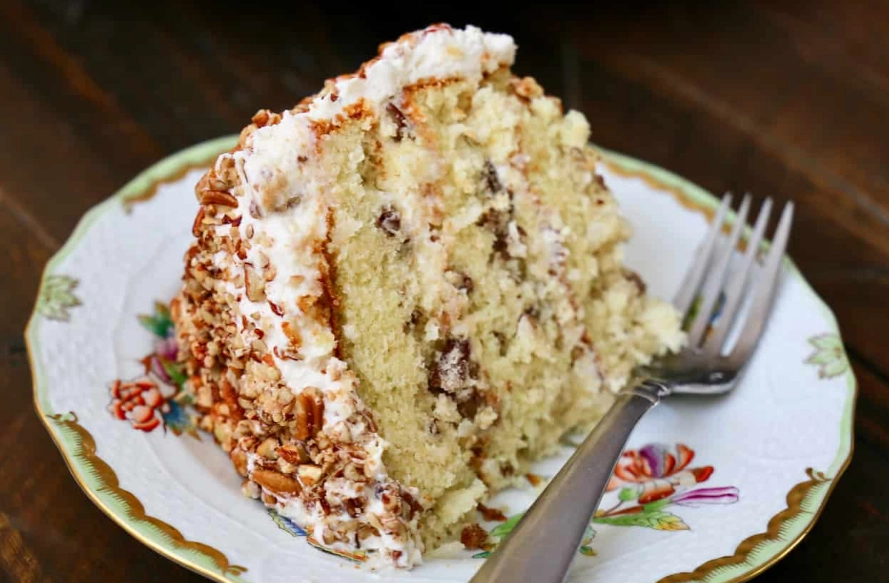
First, get organized. Preheat your oven to 350°F (175°C). Grease three 9-inch round cake pans with butter or baking spray, then line the bottoms with parchment paper rounds. This is the foolproof release method. Don't just grease and flour—the coconut and nuts can stick.
The Mixing Method: Keeping It Tender
This uses the “creaming method,” which is key for texture.
1. Cream the butter and sugar in a large bowl for a full 3-4 minutes with an electric mixer. It should be very pale and fluffy. This incorporates air, which is your leavening agent alongside the baking soda.
2. Add the eggs one at a time, beating well after each. Then beat in the vanilla. Scrape the bowl down.
3. Whisk the dry ingredients—flour, baking soda, salt—in a separate bowl.
4. Alternate adding drys and wets. With the mixer on low, add about a third of the flour mix, then half the buttermilk/sour cream mix. Repeat, ending with the flour. Mix just until combined. Over-mixing at this stage develops gluten and leads to toughness.
5. Fold in the coconut and toasted pecans by hand with a spatula. This ensures even distribution without over-working the batter.
Divide the batter evenly among the three pans. I use a kitchen scale for precision—it leads to level layers. Bake for 22-28 minutes. The test? The edges will pull away slightly, and a toothpick inserted in the center should come out with a few moist crumbs, not wet batter.
Let the cakes cool in the pans on a wire rack for 15 minutes. Then, run a knife around the edge, invert them onto the rack, peel off the parchment, and let them cool completely. I mean completely. Frosting a warm cake is a recipe for a melted, sliding mess.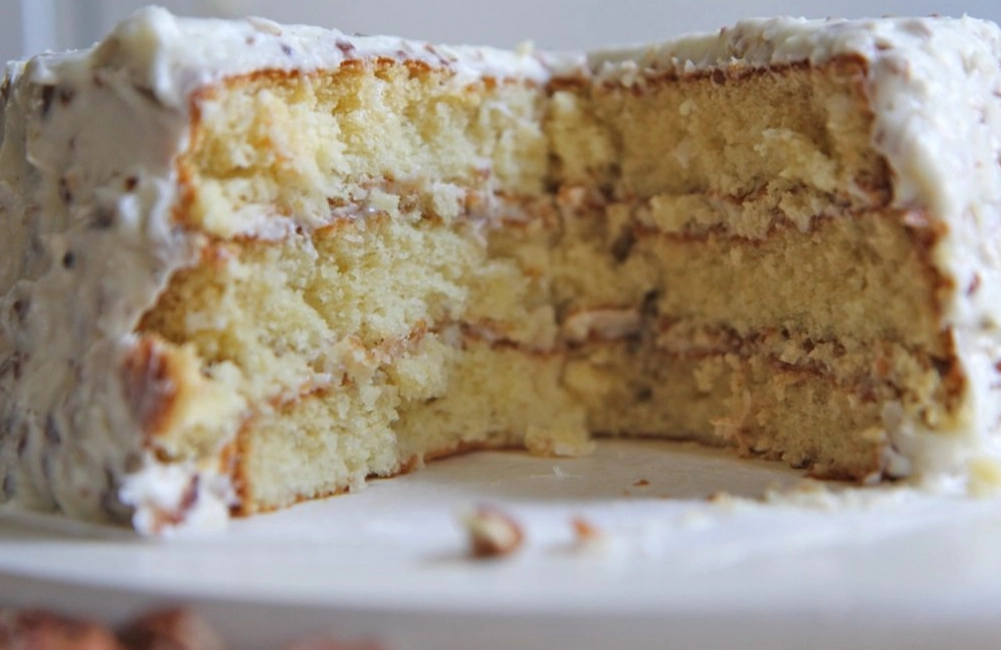
Frosting Mastery: Avoiding the Runny Frosting Disaster
This is where most people panic. The frosting looks perfect in the bowl, then turns into a soupy nightmare as you spread it.
Here’s the fix, born from a disastrous cake I made for a friend’s birthday years ago.
Your cream cheese and butter must be at a cool room temperature, around 68°F (20°C). If they're too warm, the fat emulsion breaks and releases water. Beat them together first until just smooth and creamy—don't whip in a ton of air.
Add the vanilla and salt. Then, with the mixer on LOW speed, gradually add the sifted powdered sugar. Once it's incorporated, beat on medium-high for about 45 seconds to a minute, just until it's fluffy and spreadable. Stop. Over-beating is the enemy.
If your kitchen is hot, or the frosting feels soft, chill the whole bowl in the refrigerator for 15-20 minutes, then give it a quick re-whip before using. This saves it every time.
Assembly & Decorating Like a Pro
Place your first cake layer on a plate or cake stand. Tuck strips of parchment paper under the edges to keep the plate clean. Spread about ¾ cup of frosting evenly over the layer. Repeat with the second layer.
Add the final layer. Now, apply a thin “crumb coat”: use a small amount of frosting to cover the entire cake in a thin layer. This traps any loose crumbs. Chill the cake for 20-30 minutes to set this coat.
Apply the final, thick, beautiful layer of frosting. Use an offset spatula or a bench scraper for smooth sides. The rustic, swirly look is perfectly charming for this cake.
For decoration, press additional toasted pecans onto the sides of the cake and sprinkle a handful of coconut on top. It looks professional with minimal effort.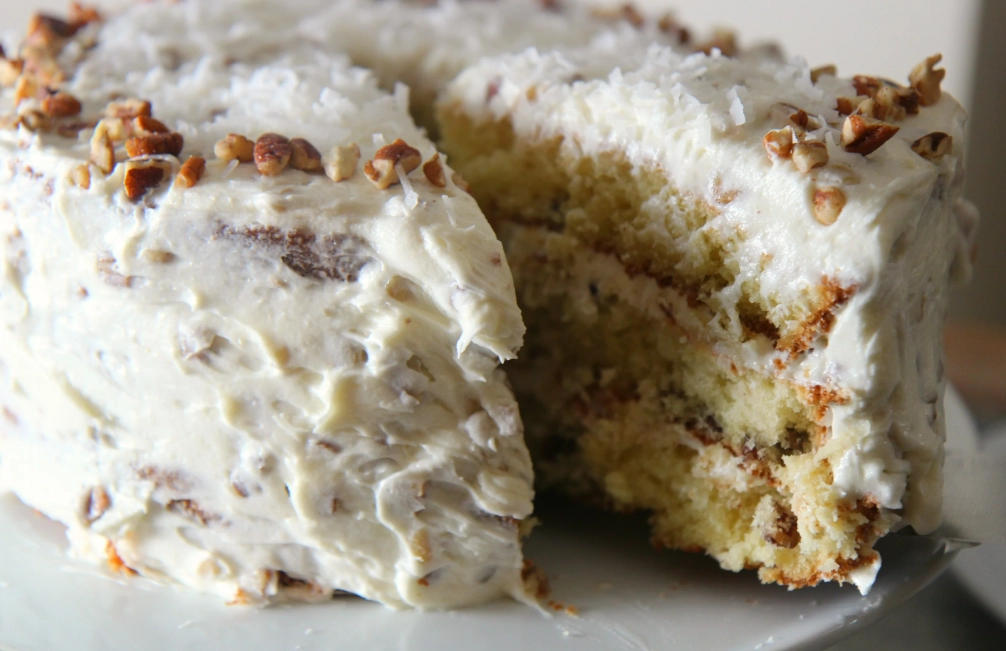
Your Italian Cream Cake FAQs, Solved
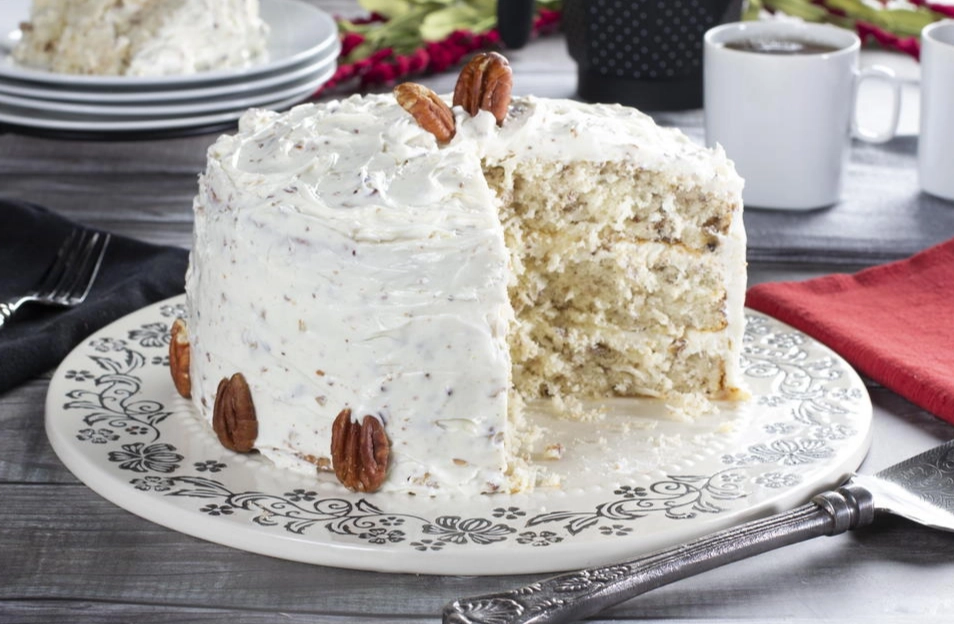 So there you have it. More than just a list of ingredients and steps, it's the why and the how-to-rescue. This Italian Cream Cake recipe is a project, but a deeply rewarding one. It’s the cake that makes people ask for the recipe, the one that becomes a requested tradition. Now you have all the secrets to make it perfectly, every single time.
Related Articles
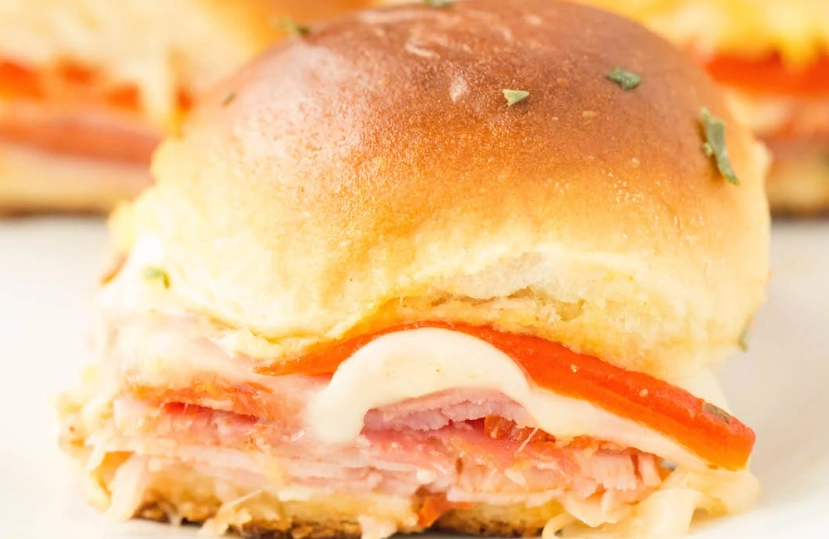
How to Assemble Italian Sliders: The Ultimate Guide for Perfect Party Food
Authentic Italian Carbonara Recipe: The Only Guide You'll Ever Need
Best Italian Regional Recipes: Top 5 Dishes to Master at Home

Authentic Italian Regional Recipes Guide: Cook from Source
Master Italian Meatball Recipes: Secrets from Nonna's Kitchen