Italian Soup Recipe: Classic Minestrone & Hearty Ribollita Made Easy
What You'll Learn in This Guide
Let's be honest—most of us think of pasta or pizza when Italian food comes up. But soup? It's the unsung hero of Italian cooking. I learned this the hard way on a trip to Tuscany years ago. I ordered a simple Minestrone, expecting a bland broth, but got a bowl so rich and comforting it changed my view forever. Since then, I've spent years tweaking recipes, making mistakes (like adding too much salt or overcooking vegetables), and finally nailing down what makes an Italian soup recipe truly authentic.
This isn't just about following steps; it's about understanding the soul behind dishes like Minestrone and Ribollita. We'll dive into specific recipes, common pitfalls, and how to adapt them for your kitchen. Whether you're a beginner or a seasoned cook, you'll find something useful here.
Why Italian Soups Are a Kitchen Staple
Italian soups are more than just starters—they're often the main event. Think about it: on a cold evening, a pot of Ribollita can feed a family for days. These dishes are built on simplicity and resourcefulness. Historically, they were peasant food, using leftover bread, seasonal vegetables, and beans. Today, they're celebrated for their health benefits and versatility.
One thing I've noticed: many online recipes skip the cultural context. For instance, Minestrone varies by region. In the north, it might include rice; in the south, more tomatoes. According to the Italian Culinary Institute, the key is using what's fresh and local. That's a tip I always follow—don't stress if you lack an ingredient. Improvise.
Essential Ingredients for Authentic Italian Soup
You don't need a pantry full of exotic items. Here's what I always have on hand:
- Beans: Cannellini or borlotti beans. Canned are fine, but dried beans soaked overnight give a creamier texture. Trust me, it's worth the extra time.
- Vegetables: Carrots, celery, onions (the holy trinity), plus seasonal picks like zucchini, kale, or cabbage.
- Tomatoes: Canned San Marzano tomatoes for depth. Fresh ones in summer.
- Broth: Homemade chicken or vegetable broth. Store-bought can be too salty—I once ruined a batch by using a commercial brand without tasting first. Now I dilute it with water or make my own.
- Pasta or Bread: Small pasta for Minestrone, stale bread for Ribollita.
Olive oil is non-negotiable. Use a good extra virgin olive oil for finishing; it adds a fruity note. Parmesan rind? Toss it in the pot while simmering—it melts into a umami bomb. This is a trick many home cooks overlook, but it transforms the broth.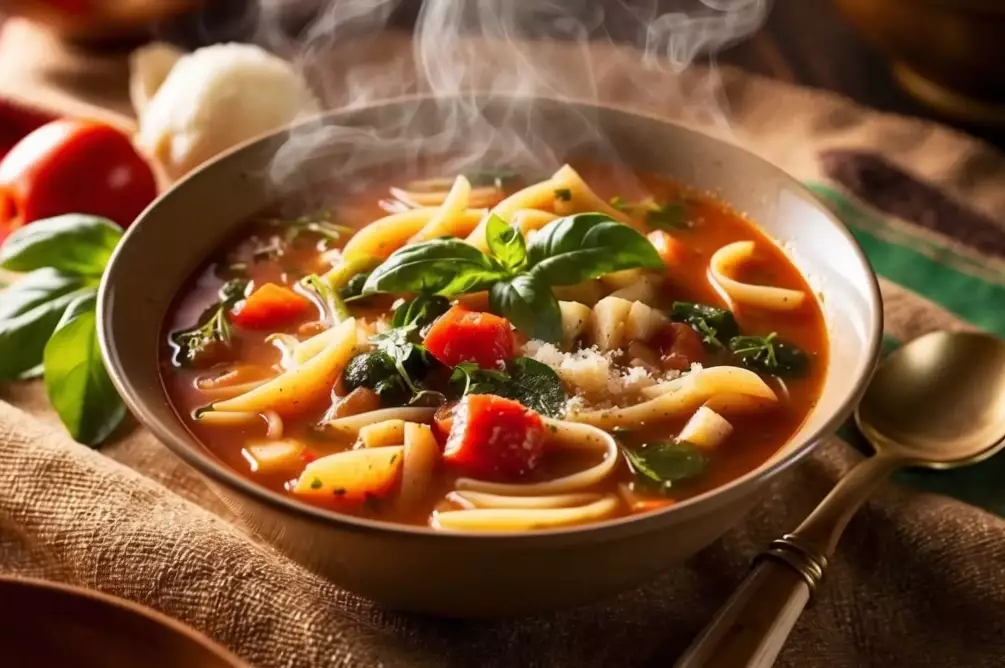
Step-by-Step: Classic Minestrone Recipe
Minestrone is the ultimate flexible soup. My version is based on a family recipe from Lombardy, but I've adapted it for modern kitchens. Serves 6-8.
Ingredients You'll Need
- 2 tbsp olive oil
- 1 large onion, diced
- 2 carrots, chopped
- 2 celery stalks, chopped
- 3 cloves garlic, minced
- 1 can (400g) diced tomatoes
- 1 cup chopped zucchini
- 1 cup chopped green beans
- 1 cup cooked cannellini beans (or 1 can, drained)
- 6 cups vegetable broth
- 1 cup small pasta (ditalini or small shells)
- Salt, pepper, and fresh basil to taste
Cooking Instructions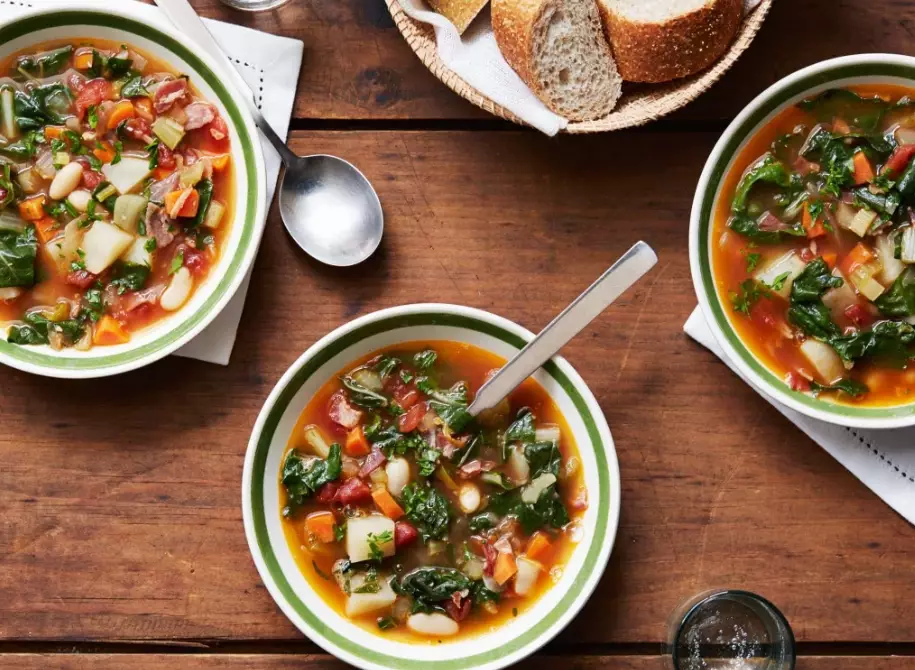
Heat the olive oil in a large pot over medium heat. Add onion, carrots, and celery—sauté for 8-10 minutes until soft but not brown. This step, called soffritto, is crucial. Rush it, and you'll miss the sweetness.
Stir in garlic for 30 seconds until fragrant. Add tomatoes, zucchini, green beans, and cannellini beans. Pour in the broth. Bring to a boil, then reduce to a simmer. Let it cook for 25 minutes, partially covered.
Add the pasta and cook for another 10 minutes, until al dente. Season with salt and pepper. Serve with a drizzle of olive oil and fresh basil.
Hearty Tuscan Ribollita: A Leftover Transformation
Ribollita means "reboiled"—it's traditionally made from leftover Minestrone with bread added. My take simplifies it for a one-pot meal. Serves 4-6.
Start with the base from the Minestrone recipe, but skip the pasta. Add 2 cups chopped kale or cavolo nero (Tuscan kale) during the last 10 minutes of simmering. Once the soup is ready, tear 4 slices of stale rustic bread into chunks and stir them in. Let it sit for 10 minutes—the bread thickens the soup naturally.
Reheat it the next day; that's when the flavors meld perfectly. Some recipes suggest baking it, but I find that dries it out. Instead, a gentle stove-top reheat with a splash of water works best.
Ribollita is a lifesaver for busy weeks. I often make a big batch on Sunday and eat it through Wednesday. The bread soaks up the broth, making it almost stew-like. Don't be tempted to use fresh bread; it turns gluey. Stale is key.
How to Customize Your Italian Soup
Italian soup recipes are forgiving. Here are ways to tweak them:
- For meat lovers: Add pancetta or sausage with the onions. Render the fat first for extra flavor.
- Vegetarian/vegan: Use vegetable broth and skip cheese. Nutritional yeast can mimic Parmesan.
- Low-carb: Omit pasta or bread. Add more beans or chopped mushrooms for heartiness.
- Spice it up: A pinch of red pepper flakes with the garlic adds a subtle kick.
Seasonality matters. In spring, use peas and asparagus; in winter, swap in butternut squash. I once made a Minestrone with pumpkin—it was a hit, but the sweetness overpowered the beans. Lesson: balance is everything.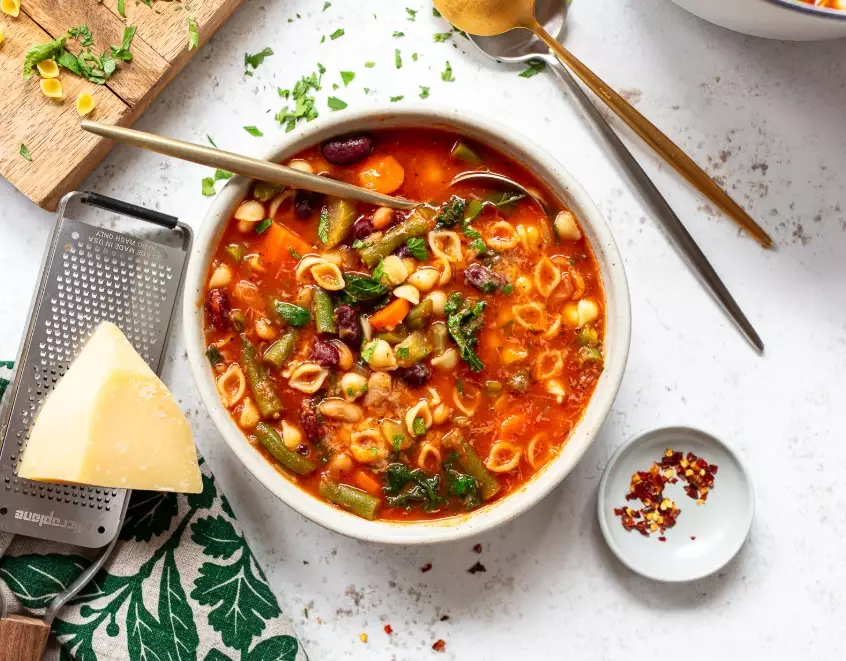
Storage tips: Cool soup completely before refrigerating. It keeps for 4 days. Freeze in portions without pasta or bread. Thaw in the fridge overnight. Reheat gently to avoid breaking down vegetables.
Frequently Asked Questions
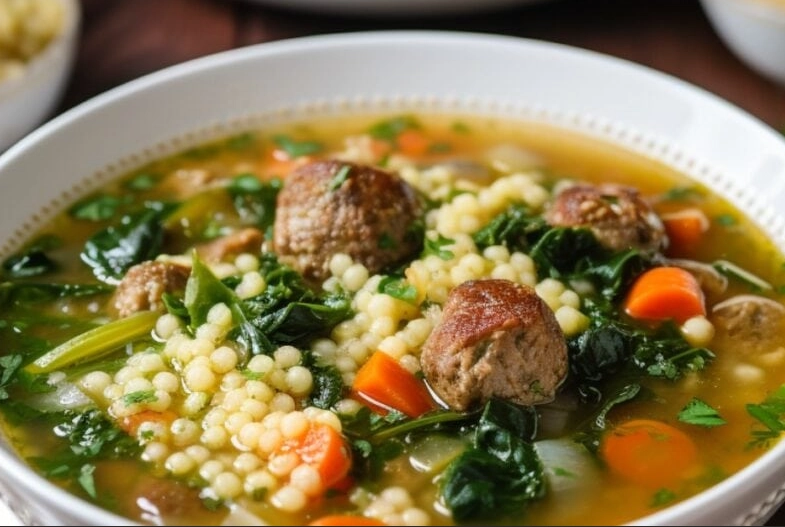 Italian soup is more than a recipe—it's a way to bring comfort to your table. Start with these basics, experiment, and make it your own. Remember, the best ingredient is the joy of cooking. Now, go grab that pot and get simmering!
Related Articles
Original Carbonara Recipe Italian Easy: Authentic & Foolproof Guide

Three years and five visits to the Hong Kong Stock Exchange, can Wumart realize

The latest public offering "rat warehouse" exposed: fines of more than 30 millio

The scale of securities lending and securities lending has dropped by more than
Best Italian Regional Recipes: Top 5 Dishes to Master at Home