Italian Shrimp Recipes: From Classic Scampi to Modern Dishes
Let's talk about shrimp, Italian style. If you think it begins and ends with garlic butter and a squeeze of lemon, you're missing out on a whole world of flavor. Italian shrimp recipes are a masterclass in balancing simplicity with bold, fresh ingredients. I learned this the hard way, years ago, watching a nonna in a tiny Venetian osteria toss shrimp into a pan with nothing more than olive oil, white wine, and a handful of parsley. The result was transformative—nothing like the heavy, oily versions I'd made before.
The magic lies in technique and respect for the main ingredient. This guide will walk you through that magic, from the non-negotiable classics to modern twists you'll want to make on repeat.
What You'll Find Inside
The Italian Way with Shrimp: Core Principles
Before we get to the recipes, let's set the foundation. Italian seafood cooking, especially in coastal regions, operates on a few unwritten rules. Ignore them, and your dish will be just okay. Follow them, and it sings.
Freshness is non-negotiable, but frozen is your friend. This sounds contradictory, but hear me out. Unless you live on the coast, that "fresh" shrimp at the counter was almost certainly frozen and thawed. You have no idea how long it's been sitting there. I now almost exclusively buy high-quality frozen shrimp—they're flash-frozen at peak freshness. The key is a slow, cold thaw in the fridge overnight. Never use hot water.
Size and shell matter. For most sautés and pastas, large (21/25 count) or jumbo (16/20 count) shrimp work best. They're meatier and harder to overcook. And please, consider buying them with the shells on. Yes, it's more work. But simmering those shells in your sauce base for just five minutes adds a flavor dimension bottled seafood stock can't touch. It's the single biggest upgrade you can make.
Seasoning is strategic. Salt the shrimp just before they hit the pan, not before. Salting too early draws out moisture, leading to steamed, not seared, shrimp. And garlic? It should perfume the oil, not burn in it. Cook it gently until just fragrant. Burnt garlic is a one-way ticket to a bitter dish.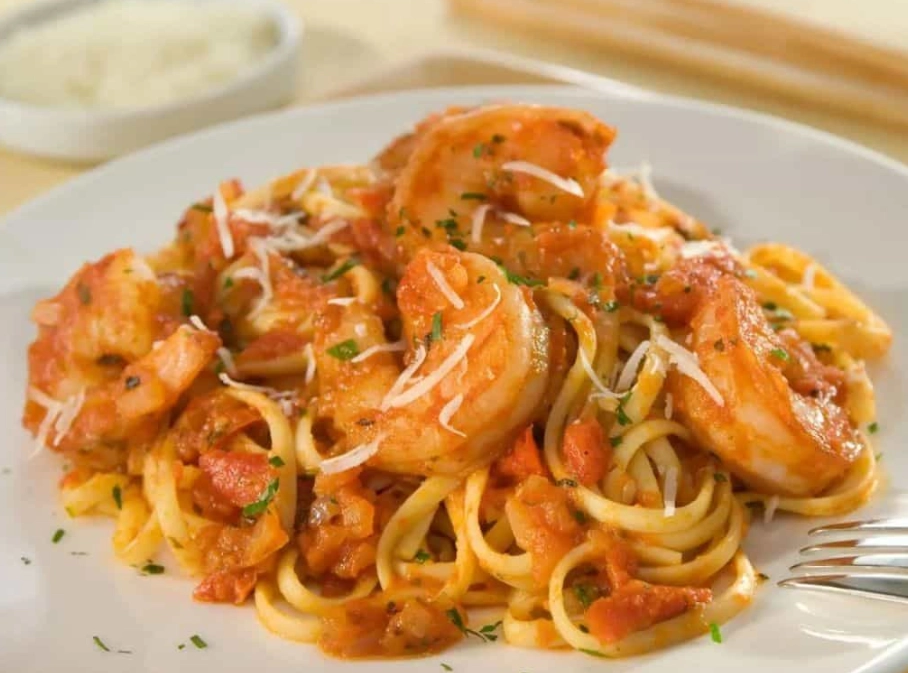
Three Classic Italian Shrimp Recipes You Must Master
These are the pillars. Master these, and you can improvise endlessly.
1. The Definitive Shrimp Scampi (Gamberi allo Scampi)
Forget the heavy, butter-laden American versions. Authentic scampi is about balance. The name "scampi" actually refers to a type of small lobster (langoustine), but the shrimp version has become iconic. The goal is a bright, garlicky, wine-infused sauce that lightly coats the shrimp, perfect for sopping up with bread.
My non-consensus tip: After sautéing the garlic, deglaze the pan with a dry white wine like Pinot Grigio or Vermentino. Let it reduce by half. Then, off the heat, swirl in cold, cubed unsalted butter. This French technique (monter au beurre) creates an emulsified, glossy sauce that won't separate. Toss the cooked shrimp back in at the very end just to warm through.
2. Shrimp & Cherry Tomato Spaghetti (Spaghetti con Gamberi e Pomodorini)
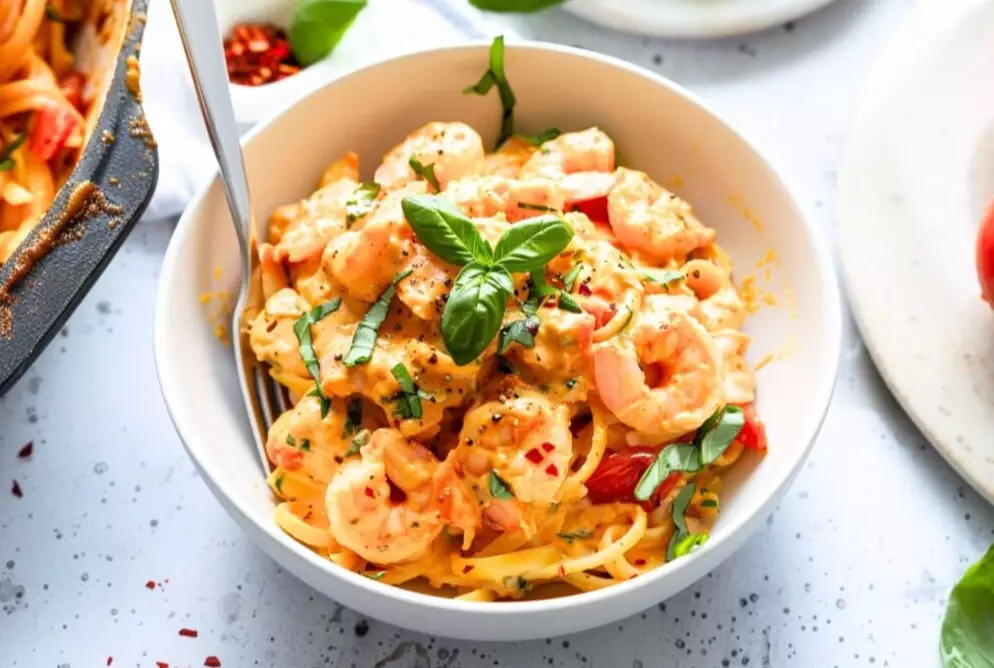
This is a summer weeknight hero. It's all about the sweet burst of cherry tomatoes against the briny shrimp. You start by blistering the tomatoes in olive oil until they start to collapse and release their juices. That juice, enriched with a splash of pasta water and a hint of chili flake, becomes the sauce.
The common mistake: Adding the shrimp too early. Cook your pasta, make your tomato base, and only in the last 3 minutes of cooking add the shrimp to the tomato pan. They'll cook perfectly by the time you're ready to combine everything. Finish with fresh basil, never dried.
3. Shrimp in "Crazy Water" (Gamberi all'Acqua Pazza)
This southern Italian method, "acqua pazza" (crazy water), is poaching at its most flavorful. It involves simmering shrimp in a shallow bath of water or light broth with tomatoes, garlic, parsley, and a good glug of olive oil. The result is incredibly tender, moist shrimp and a light broth you'll want to drink with a spoon.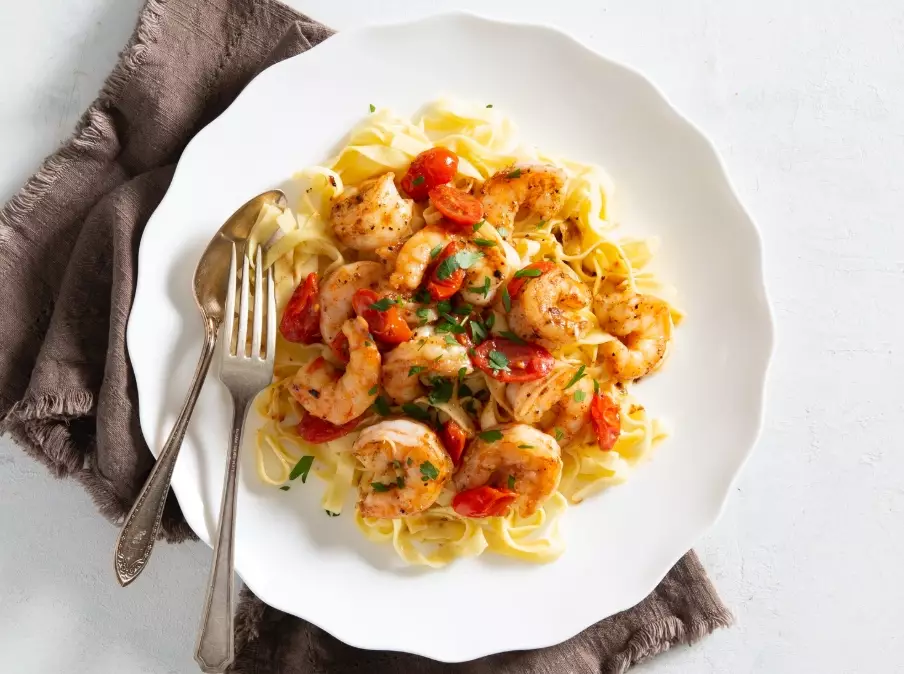
It's deceptively simple. The trick is a very gentle simmer—barely a bubble. Let the shrimp cook through slowly in the aromatic liquid. Serve it in shallow bowls with crusty bread for dipping. It feels fancy but is embarrassingly easy.
| Recipe | Key Flavor Profile | Best For | Active Cooking Time |
|---|---|---|---|
| Shrimp Scampi | Garlic, White Wine, Butter, Lemon | Elegant appetizer or quick main with bread | 15 mins |
| Shrimp & Tomato Spaghetti | Sweet Tomatoes, Basil, Chili, Olive Oil | Weeknight pasta dinner | 20 mins |
| Shrimp all'Acqua Pazza | Light Broth, Garlic, Parsley, Tomato | Light lunch or healthy dinner | 25 mins |
Modern Twists & Quick Appetizers
Once you're comfortable with the classics, play around. Italian cooking evolves.
Creamy Shrimp & Saffron Risotto: Add a pinch of saffron threads to your arborio rice as you toast it. Fold in cooked shrimp and a touch of cream at the very end. The saffron's earthy luxury pairs beautifully with the shrimp's sweetness.
Lemon-Shrimp Bruschetta: Chop cooked shrimp and mix with lemon zest, chopped parsley, a fine dice of celery for crunch, and just enough mayo or olive oil to bind. Pile on grilled ciabatta. It beats tomato bruschetta for a party, in my opinion.
One-Pan Shrimp with White Beans & Rosemary: This is a pantry lifesaver. Sauté shrimp in olive oil with garlic and a sprig of rosemary. Remove the shrimp, add a can of rinsed cannellini beans and a splash of broth to the pan to warm through. Combine. It's hearty, healthy, and ready in 10 minutes.
Shopping & Cooking: An Insider's Guide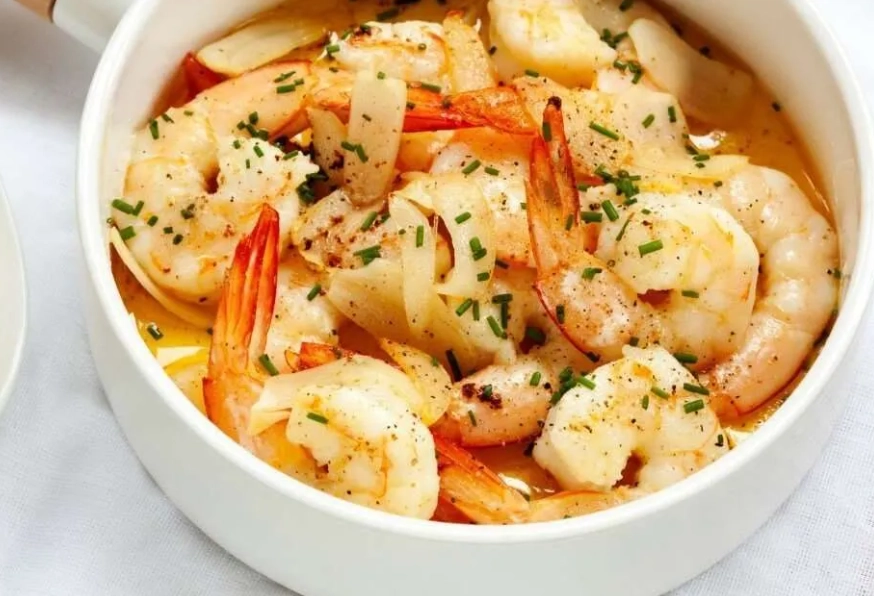
Let's get practical. Where do you find the good stuff?
For the best frozen shrimp, I look for brands that specify the ocean zone and use sustainable practices. Names like Mazzetta Company or Seca are reputable in the industry. If you're lucky enough to have a local fishmonger, ask for "EZ-peel" shrimp—they're split along the back for easy deveining but the shell is still on, giving you the best of both worlds.
Your olive oil matters. Use a decent extra virgin for finishing and a lighter olive oil or a blend for higher-heat sautéing. And for the love of all that is holy, grate your own Parmigiano-Reggiano. The pre-grated stuff contains anti-caking agents that make your sauce grainy.
Here's a real struggle I had for years: getting a sear on shrimp without overcooking them. The pan needs to be hot. Pat the shrimp bone-dry. Give them space—don't crowd the pan. They should hit the oil and sizzle immediately. Two minutes per side, max, for large shrimp. Then get them out. They'll carryover cook.
Your Italian Shrimp Questions, Answered
 What's a good substitute for white wine in shrimp scampi if I don't cook with alcohol?
The beauty of Italian shrimp recipes is their adaptability. They work for a Tuesday night or a dinner party. They feel indulgent but come together quickly. Start with the classic scampi—get the feel for cooking shrimp just right. Then branch out. Try the "acqua pazza" for something different. Toss them with tomatoes and pasta.
Once you get the basics down, you stop following recipes and start cooking. That's the real goal.
Related Articles
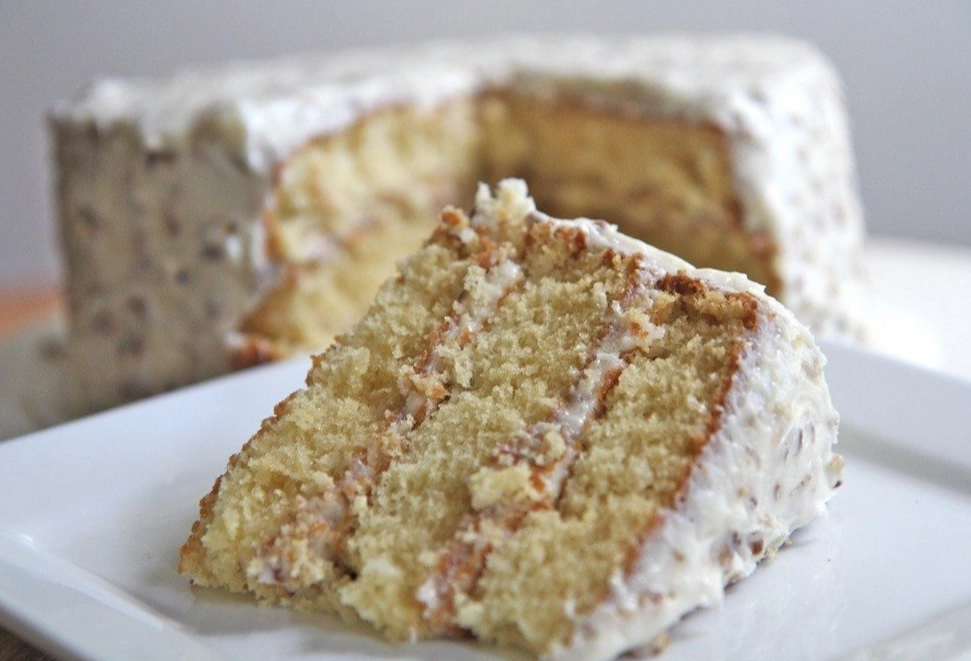
Italian Cream Cake Recipe: A Southern Classic with Italian Flair
Master the Classics: The Best Italian Recipes You Need to Know
Master Authentic Italian Recipes: The Ultimate Guide to Real Italian Cooking
Authentic Italian Recipes: Secrets from a Roman Kitchen

What Are The Three Italian Cocktails? Negroni, Aperol Spritz, Americano