Ultimate Guide to Italian Sandwich Recipes: From Classics to Modern Twists
A Peek Inside This Guide
Let's be honest. Most of us think we know what an Italian sandwich is. You grab some salami, maybe some ham, throw it on a roll with lettuce and tomato, and call it a day. But if you've ever had a truly authentic one—maybe at a little deli that smells like heaven, or better yet, in Italy itself—you know there's a massive gap between that and what often passes for an Italian sandwich.
It's not just a pile of meat between bread. It's a carefully balanced symphony of textures and flavors. The crunch of the perfect crusty bread giving way to the creamy, salty fat of good cheese, the sharp bite of peppers, the herbal note from fresh basil. When it's right, it's a meal that makes you pause. When it's wrong, it's just... soggy.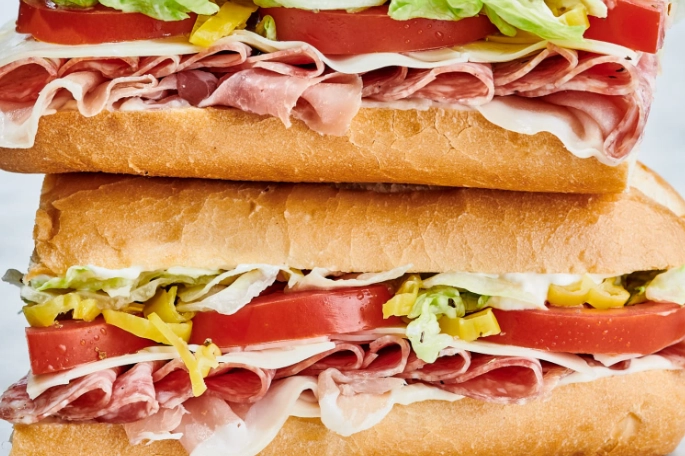
My own "aha" moment came in a cramped food hall in Turin. I ordered a simple tramezzino. It was just prosciutto cotto and soft cheese on crustless white bread. Sounds basic. But the bread was so fresh it practically dissolved, the ham was sweet and delicate, and the cheese was this rich, spreadable delight. It taught me that in the best Italian sandwich recipes, every single component matters intensely. No filler allowed.
So, whether you're looking for a show-stopping centerpiece for a party (hello, muffuletta) or just want to upgrade your Tuesday lunch from sad desk salad to something glorious, this guide is for you. We're diving deep into the heart of what makes these sandwiches tick, stripping away the misconceptions, and giving you the tools to make incredible versions at home. No plane ticket required.
The Five Non-Negotiables: Building Blocks of Any Great Italian Sandwich
You can't build a house on a shaky foundation, and you can't build a great sandwich with mediocre parts. Before we get to the specific Italian sandwich recipes, let's talk ingredients. This is where the magic—or the misery—starts.
1. The Bread: It's Not Just a Vehicle
This is the most common mistake. The bread is the structure, the first thing you taste, and a key textural element. A floppy, pre-sliced supermarket loaf will sabotage you every time.
What to look for: A sturdy crust that provides resistance and a chewy, airy interior (called the crumb) that can absorb dressing and juices without disintegrating. Dry, dense bread is the enemy.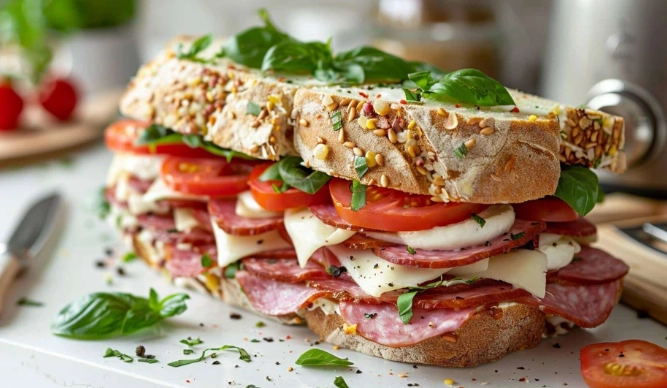
Pro Tip: If you're serious about your Italian sandwich recipes, consider baking your own ciabatta or focaccia. It's easier than you think, and the difference is night and day. The website King Arthur Baking has incredibly reliable, tested recipes for both that I've used for years.
Here’s a quick guide to your best bread choices:
| Bread Type | Best For | Flavor & Texture Notes | A Word of Warning |
|---|---|---|---|
| Ciabatta | Panini, loaded sandwiches | Open, irregular holes, chewy texture, crisp crust. Soaks up flavors beautifully. | Can be too holey sometimes, losing fillings. Pick a loaf with a tighter crumb for sandwiches. |
| Focaccia | Sandwiches with moist fillings, vegetarian options | Olive oil-rich, soft but substantial, often herbed. Provides its own flavor. | Can become greasy if low-quality oil is used. Also, it's dangerously easy to eat on its own. |
| Rosetta or Kaiser Roll | Classic deli-style sandwiches | Round, with a defined top and soft interior. Perfect portion control. | The ones at big grocery stores are often bland and soft. Seek out a real bakery. |
| Filone | An authentic, all-purpose choice | Like a slender, crustier baguette. Crisp exterior, tender inside. | Hard to find outside of specialty Italian bakeries. Ciabatta is a good substitute. |
2. The Meats: Cured, Sliced, Perfection
This is where the personality comes from. The key is variety in texture and flavor. Don't just use one type of salami.
- Prosciutto Crudo (Parma or San Daniele): Silky, salty, delicate. It should melt. Don't cook it. Ever.
- Soppressata: My personal favorite. A coarse-ground salami, often with a hint of heat. Great chew.
- Finocchiona: Salami flavored with fennel seeds. Adds a wonderful, aromatic sweetness.
- Mortadella: Don't turn your nose up! Good mortadella with pistachios is creamy, rich, and essential for a true Italian sub.
- Capocollo (Coppa): Cured pork shoulder, marbled with fat. Intensely flavorful and tender.
For authenticity, look for DOP (Protected Designation of Origin) labels. This certification, explained by the European Commission's quality schemes, guarantees the product was made in a specific region using traditional methods. Prosciutto di Parma DOP is a classic example.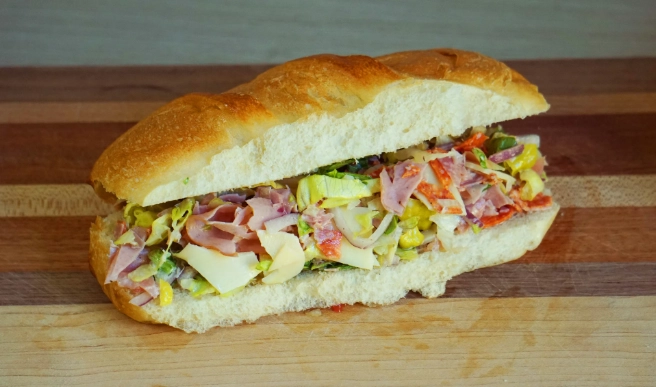
3. The Cheeses: Beyond Provolone
Provolone is fine, but it's just the beginning. Cheese adds creaminess, sharpness, and binds everything together.
- Fresh Mozzarella (Fior di Latte): For moisture and a mild, milky flavor. Use it the day you buy it.
- Buffalo Mozzarella (Mozzarella di Bufala): A richer, tangier, more luxurious version. Worth the splurge for a special sandwich.
- Fontina Val d'Aosta: Excellent melting cheese for panini. Nutty and smooth.
- Taleggio: Strong aroma, but a buttery, fruity flavor. Not for the faint of heart, but incredible.
- Pecorino Romano (shaved): A salty, hard sheep's milk cheese. Use it sparingly as a flavor booster, not the main cheese.
4. The Vegetables: Crunch and Acidity
This isn't just about lettuce. Vegetables provide crucial contrast to the rich meats and cheeses.
Essential Players:
- Roasted Red Peppers: Sweet, tender, a little smoky. Jarred are fine, but roasting your own is a game-changer.
- Giardiniera (Pickled Vegetables): The secret weapon. Cauliflower, carrots, celery in a vinegar brine. They cut through fat like a knife. You can find recipes from sources like Serious Eats.
- Arugula (Rocket): Peppery green that's more flavorful than bland iceberg.
- Thinly Sliced Red Onion: Soak them in ice water for 10 minutes to take the raw edge off.
- Tomatoes: ONLY in season. A mealy, winter tomato will make your whole sandwich taste watery. In winter, skip it or use sun-dried tomato spread.
5. The Spreads and Condiments: The Glue
Mayonnaise? Not in a traditional Italian sandwich. The moisture comes from better sources.
- Extra Virgin Olive Oil & Red Wine Vinegar: The classic. Drizzle liberally on the bread's interior.
- Pesto (Genovese or otherwise): Herby, garlicky, oily. A flavor bomb.
- Sun-Dried Tomato Pesto: Adds a sweet, concentrated tomato punch.
- Homemade Aioli: If you must have a mayo-like element, make it garlic aioli. It's infinitely better.
- Olive Salad/Relish: The heart of the muffuletta. Chopped olives, celery, carrot, cauliflower in oil.

A Common Pitfall: Over-dressing. You want the bread glistening, not swimming. Start with less, you can always add more. A soggy bottom is the point of no return for any Italian sandwich recipe.
Iconic Italian Sandwich Recipes You Can Actually Make
Now for the fun part. Let's put these principles into practice with some definitive recipes.
The Ultimate Italian Sub (Hoagie/Grinder)
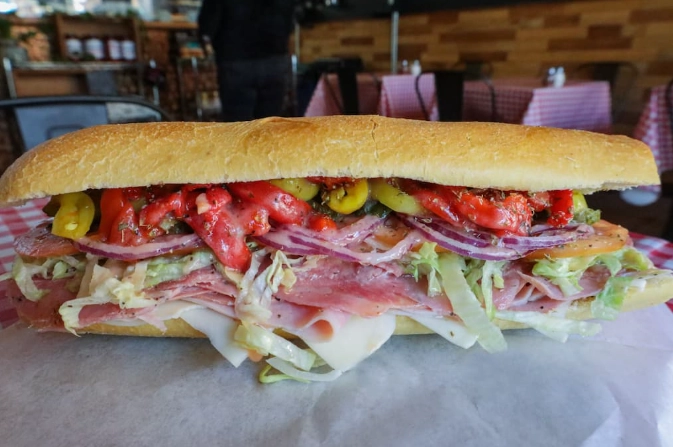
This is the deli classic, the one most people are searching for when they look up Italian sandwich recipes. Getting it right is an art.
Ingredients:
- 1 (10-12 inch) Italian roll or section of filone, slightly stale is actually better
- 2 tbsp extra virgin olive oil
- 1 tbsp red wine vinegar
- 2-3 slices prosciutto crudo
- 4 slices soppressata
- 4 slices finocchiona
- 4 slices mortadella (with pistachios!)
- 3 slices provolone piccante (sharp) or fontina
- 1/4 cup giardiniera, drained and roughly chopped
- 2-3 slices roasted red pepper
- Handful of arugula
- Thinly sliced red onion (optional)
Method:
- Split the roll horizontally, but don't cut all the way through—leave a "hinge." Pull out some of the soft interior bread from both halves to make more room (save it for breadcrumbs!).
- Drizzle the cut sides generously with olive oil and vinegar. This is your first layer of flavor.
- Layer the cheeses first, directly on the bread. This creates a barrier against sogginess.
- Now, layer the meats, folding them into loose ruffles for texture rather than laying them flat.
- Pile on the giardiniera, roasted peppers, arugula, and onion.
- Close the sandwich, wrap it TIGHTLY in parchment paper or deli paper, and let it sit for 5-10 minutes. This lets the flavors marry and the bread absorb the juices just enough.
- Cut diagonally (it just tastes better that way) and serve.
Why this works: The oil/vinegar soak, the cheese barrier, the crunchy giardiniera, and the mix of meats create a perfect balance in every bite. It's messy. Embrace it.
The New Orleans Muffuletta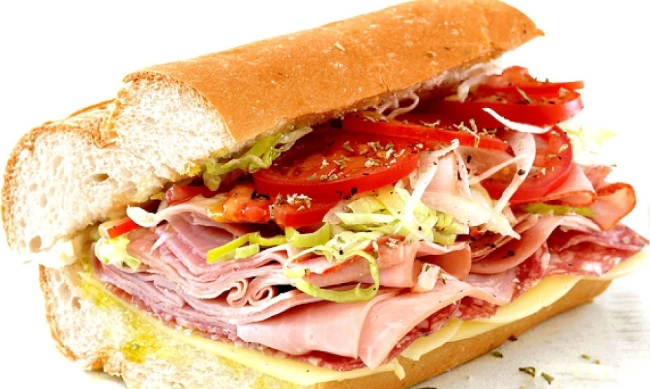
This is a party in a sandwich. It originated in New Orleans' Italian community, and it's one of the most famous Italian sandwich recipes in the world for a reason.
The Star: The Olive Salad. You can buy it, but making it is simple and far superior. Chop together 1 cup mixed green & kalamata olives, 1/4 cup giardiniera, 1 celery rib, 1 garlic clove, 1 tbsp capers, 2 tbsp parsley. Mix with 1/4 cup olive oil and 2 tbsp red wine vinegar. Let it marinate overnight.
Assembly:
- Get a large, round, soft Italian loaf (about 10 inches across). Cut it in half horizontally.
- Scoop out some of the interior soft bread to make a well.
- Spread a thick, generous layer of the olive salad on the bottom and top halves. Don't be shy.
- Layer on slices of ham, salami, mortadella, provolone, and Swiss cheese. The traditional meats are a bit different here.
- Put the top on, wrap the entire loaf VERY tightly in plastic wrap, and weigh it down with a heavy skillet.
- Refrigerate for at least 3 hours, ideally overnight. This is non-negotiable. The flavors need to permeate every pore of the bread.
- Bring to room temperature for an hour before slicing into wedges and serving.
The waiting is the hardest part, but it transforms the sandwich. The bread becomes deliciously saturated but retains its shape. It's a masterpiece of make-ahead food.
Beyond the Classics: Modern Twists & Quick Fixes
Not every day is a muffuletta day. Sometimes you need something fast, vegetarian, or just different.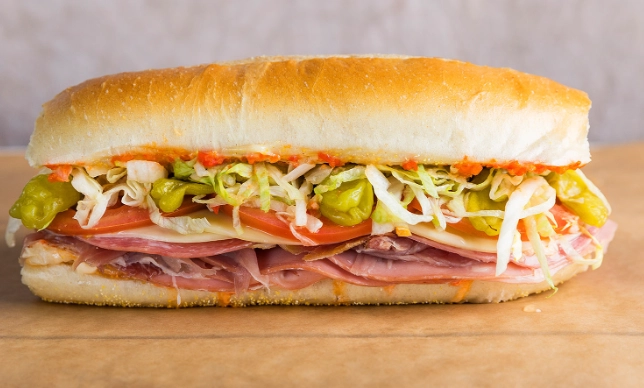
The 5-Minute Weeknight Hero
No fancy meats? No problem. This is one of my go-to easy Italian sandwich recipes.
- Toast a thick slice of ciabatta or focaccia.
- Spread one side with store-bought pesto (check the refrigerated section for better quality).
- Layer on sliced fresh mozzarella, a few slices of ripe tomato (in season!), and a handful of fresh basil leaves.
- Drizzle with good olive oil, sprinkle with flaky sea salt, and close it up.
- Optionally, grill it in a panini press or skillet until the cheese melts.
It's simple, fresh, and satisfies that craving instantly. The quality of the pesto and mozzarella makes all the difference.
The Roasted Vegetable Powerhouse (Vegetarian)
Forget boring veggie sandwiches. This one has depth.
Roast a medley of zucchini, eggplant, bell peppers, and red onion with olive oil, salt, and herbs until caramelized. Let cool slightly. Spread focaccia with sun-dried tomato pesto or a whipped ricotta mixed with lemon zest. Layer on the roasted veggies, add some shaved pecorino cheese and arugula. The smokiness from the roasting stands up to any cured meat.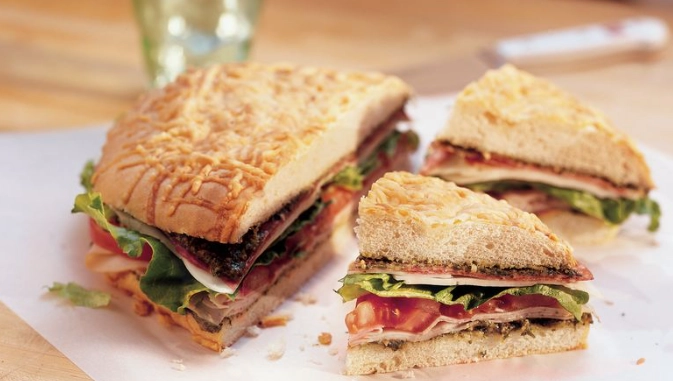
Your Italian Sandwich Toolkit: FAQs Answered
I get questions all the time. Here are the real-world answers.
Wrapping It Up: Your Journey Starts Now
Look, the world of Italian sandwich recipes is vast and delicious. It's about respecting the ingredients and understanding how they work together. You don't need a dozen fancy things. Start with one great loaf of bread, one excellent cured meat you've never tried before, and a jar of good giardiniera. Build from there.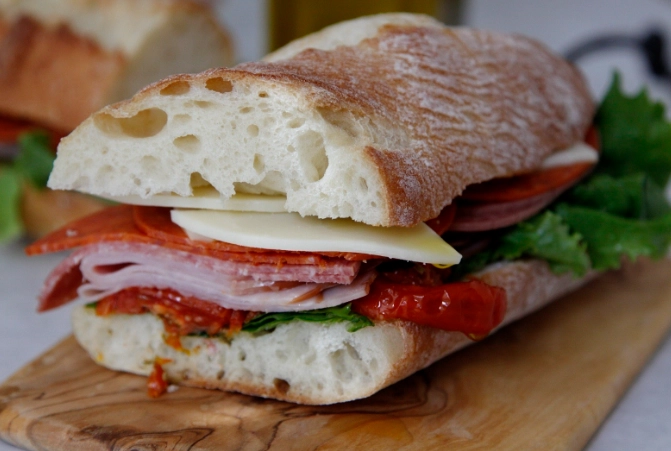
The best sandwich you'll ever make is the one tailored to your own taste. Prefer more heat? Add some hot soppressata or chili flakes in the oil. Love basil? Tuck in whole leaves. Hate onions? Leave them out. Use these recipes and principles as a roadmap, not a rigid rulebook. The goal is to make something you're excited to eat.
So go raid your local Italian deli or bakery. Get a few slices of this and that. Experiment. Make a mess. And most importantly, enjoy the process. A truly great sandwich is a simple pleasure, but one that's crafted with a little bit of knowledge and a lot of appetite. Now, go build something amazing.
Related Articles
Authentic Italian Cookie Recipes: From Biscotti to Amaretti
Best Italian Regional Recipes: Top 5 Dishes to Master at Home
Italy's Most Traditional Dish: The Definitive Guide to Authentic Cuisine
Authentic Italian Chicken Breast Recipes: Fast, Healthy & Flavorful Dinners
Authentic Carbonara Recipe: Traditional Italian Pasta Without Cream