Authentic Italian Pasta Recipes: From Carbonara to Pesto
Let's be honest. Most of what passes for Italian pasta outside Italy is a distant cousin at best. The gloppy, cheese-drowned plates have little to do with the balanced, ingredient-driven dishes you find in Rome, Liguria, or the Amalfi Coast. I learned this the hard way after a decade of cooking and eating my way across Italy. The secret isn't a complex technique—it's respect for a few non-negotiable rules.
We're going to break down three iconic recipes that represent the soul of Italian pasta cooking. More than just a list of steps, I'll show you where everyone goes wrong and the tiny adjustments that make all the difference.
What You'll Learn in This Guide
How to Make Authentic Spaghetti Carbonara (The Roman Way)
I need to get this out of the way first. If your carbonara recipe includes cream, garlic, or onions, you're making a different dish. A tasty one, perhaps, but not carbonara. The real version is an exercise in minimalist perfection, relying on the magic that happens when eggs, cheese, pepper, and pork fat emulsify.
The biggest fight in Roman kitchens? Guanciale vs. Pancetta. Guanciale (cured pork cheek) is the authentic choice. It has a richer, more complex flavor and a higher fat content that renders into the most sublime cooking fat. Pancetta (cured pork belly) is a decent substitute if you can't find guanciale, but the flavor profile is milder. Bacon is a last resort—its smoky taste completely changes the dish.
| Ingredient | Authentic Choice & Why | Common Substitute (if necessary) |
|---|---|---|
| Pork | Guanciale: Unbeatable flavor, perfect fat. | Pancetta (unsmoked). |
| Cheese | Pecorino Romano: Salty, sharp, traditional. | Parmigiano-Reggiano (milder) or a 50/50 mix. |
| Pasta | Spaghetti or Rigatoni: Perfect sauce carriers. | Bucatini, Tonnarelli. |
| Eggs | Whole eggs + extra yolks: For maximum creaminess. | Just whole eggs (less rich). |
The Critical Technique: No Scrambled Eggs
This is where most people panic. You combine hot pasta with a raw egg mixture. The trick is to use the pasta pot's residual heat, not direct flame. Here's my fail-safe method:
- Cook the guanciale until crispy. Set aside with its fat.
- Whisk eggs, grated Pecorino, and a generous amount of black pepper in a large bowl.
- Cook the pasta in salted water. Reserve at least a cup of the starchy water.
- Drain the pasta and add it immediately to the bowl with the egg mixture. Toss quickly.
- Add a splash of the hot pasta water. This is the key—the starch helps create a silky, emulsified sauce that coats every strand.
- Add the guanciale and its fat. Toss again until creamy. If it looks too thick, add more pasta water, a tablespoon at a time.
The bowl should be warm from the pasta, but you never apply direct heat. The sauce will thicken as you toss. Serve immediately with more pepper and cheese.
Mastering Pasta al Pesto from Genoa
Store-bought pesto in a jar is to real pesto Genovese what a crayon drawing is to the Sistine Chapel. The authentic version, protected by the Consorzio del Pesto Genovese, is a vibrant, fresh sauce made with a specific mortar and pestle technique. The friction and slow grinding release the oils and aromas in a way a food processor never can.
You can use a food processor, but the flavor is brighter and more unified when done by hand. If you're using a processor, pulse, don't run it continuously. Heat is the enemy.
The Ingredients Matter Wildly:
- Basil: Must be young, sweet Genovese DOP basil if you can find it. Wilted or flowering basil is bitter.
- Pine Nuts: Use raw, not toasted. Toasting is a common "hack" that adds a nutty flavor, but it overpowers the basil's delicacy.
- Cheese: A mix of Parmigiano-Reggiano and Pecorino Sardo (Sardinian pecorino), not the sharper Romano.
- Oil: A mild, extra-virgin olive oil. A strong, peppery oil will dominate.
My method? I roughly chop the basil by hand first to minimize bruising in the processor. Then, I pulse the garlic and pine nuts, add the basil and coarse salt, pulse, then add the cheeses, and finally stream in the oil while pulsing. It takes 60 seconds.
Toss it with trofie or trenette pasta, along with a few small boiled potatoes and green beans if you want the full Ligurian experience. The starchy potatoes help the sauce cling.
The Simple Magic of Pasta al Limone
This isn't a heavy, creamy lemon sauce. Pasta al limone from the Amalfi Coast is about freshness and fragrance. It's a testament to the power of three ingredients: lemons, butter, and pasta water.
The mistake here is using lemon juice alone. You need the zest. The zest holds the fragrant lemon oils, the real flavor powerhouse. Use a microplane and only the yellow part—the white pith is bitter.
You'll make a quick, loose emulsion with butter, starchy pasta water, lemon zest, and juice. The pasta goes in, and you toss vigorously until the sauce thickens and glosses the noodles. Off the heat, you stir in a generous amount of grated Parmigiano-Reggiano. The cheese adds depth and helps thicken the sauce further.
Use the best lemons you can find. Meyer lemons are wonderful here for their sweetness. If your lemons are very tart, balance the sauce with a tiny pinch of sugar, not more cheese or butter.
The Non-Negotiable Fundamentals of Italian Pasta
The recipe is only half the battle. How you handle the pasta itself is the other half.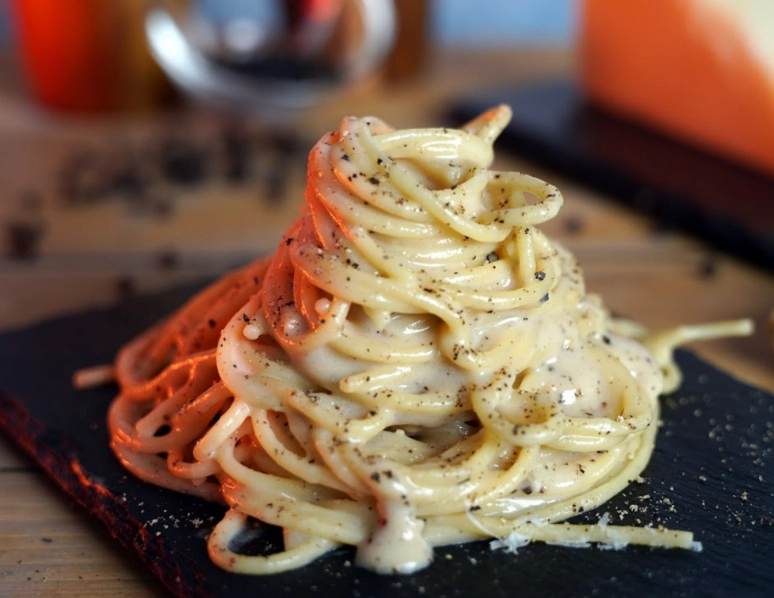
1. Cooking the Pasta: It's Not Just Boiling Water
Salt your water like the sea. This isn't a metaphor. According to culinary authorities like the Academia Barilla, you need about 7-10 grams of coarse salt per liter of water. The pasta needs to be seasoned from within. Adding oil to the water does nothing but waste oil and make your sauce slide off the pasta.
Cook it al dente. This means "to the tooth." It should have a slight resistance when you bite it. It continues to cook in the sauce. Mushy pasta is a deal-breaker.
2. The Holy Grail: Pasta Water
That cloudy, starchy water is liquid gold. It's the key to emulsifying and thickening your sauce, helping it cling to the pasta. Always reserve a cup before draining. Add it gradually when finishing your dish.
3. Finish in the Sauce
Never just dump sauce on top of drained pasta. Drain the pasta a minute before it's al dente, then transfer it directly to the pan with your sauce. Add a splash of pasta water and toss, toss, toss over medium-low heat for that final minute. This is called saltare in padella (jumping in the pan). It marries the pasta and sauce into one cohesive dish.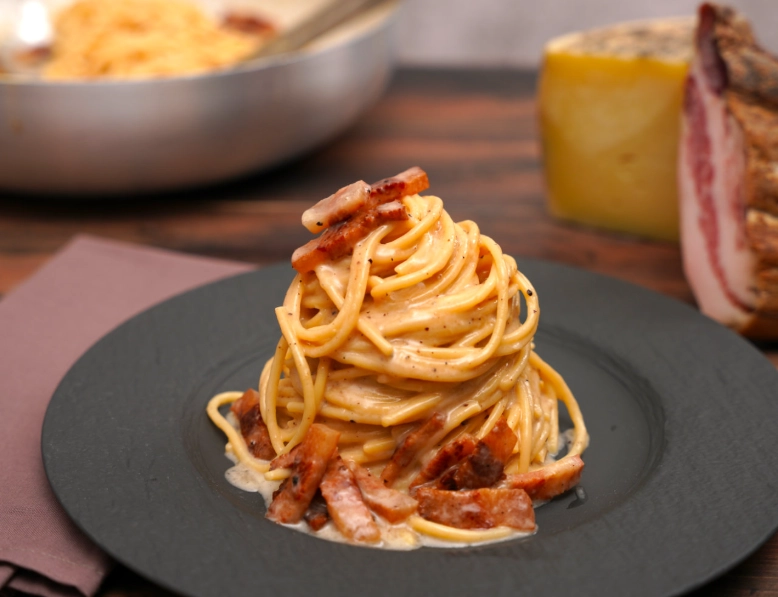
Your Pasta Questions, Answered
What is the most common mistake when making Spaghetti Carbonara?
Adding cream. It's the telltale sign of an inauthentic recipe. The creaminess in real Carbonara comes solely from emulsifying eggs, cheese, and starchy pasta water with the rendered fat from guanciale. Cream creates a heavy, bland sauce that masks the beautiful, sharp-salty balance of Pecorino and the savory pork.
Can I use pre-grated Parmesan cheese for pasta recipes?
I don't recommend it. Pre-grated cheese contains anti-caking agents like cellulose (wood pulp) to prevent clumping. These agents prevent the cheese from melting smoothly into a silky sauce, often leaving a grainy, gritty texture. For the best flavor and texture, buy a block of Parmigiano-Reggiano or Pecorino Romano and grate it fresh with a microplane. The difference is massive.
 How can I make my pesto sauce stay bright green and not turn brown?
Oxidation is the culprit. To lock in the color, blanch your basil leaves for literally 2-3 seconds in boiling water, then immediately plunge them into ice water. This shocks the leaves and deactivates the enzymes that cause browning. Dry them thoroughly before using. Also, always pulse, don't blend continuously, to minimize heat and air exposure.
What type of pasta is best for creamy sauces like Carbonara?
You want shapes with texture or nooks that can capture the sauce. Spaghetti and bucatini are classics for a reason—the sauce clings to the long strands. Short, tubular shapes like rigatoni or mezze maniche are also excellent because the creamy sauce pools inside the tubes. Avoid very delicate, thin pasta like capellini.
Mastering these dishes isn't about rigid rules, but understanding principles. Respect the ingredients, control your heat, and embrace the starch. That's how you turn flour, water, and a few good things from the pantry into a plate that tastes like Italy.
Related Articles
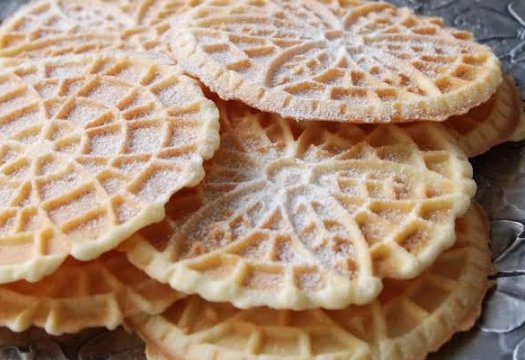
What is the Traditional Flavor of Italian Pizzelle? The Anise Answer
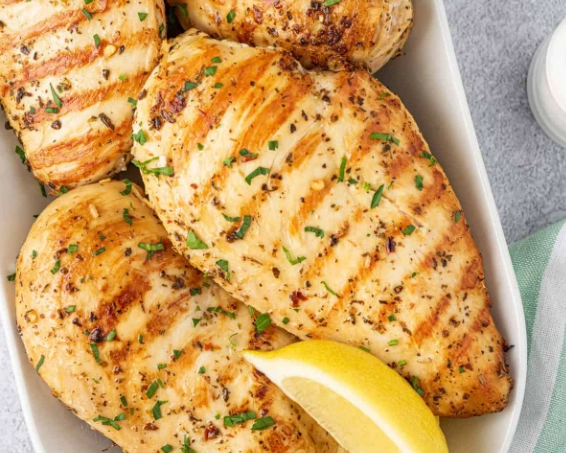
Authentic Italian Chicken Breast Recipes: Fast, Healthy & Flavorful Dinners
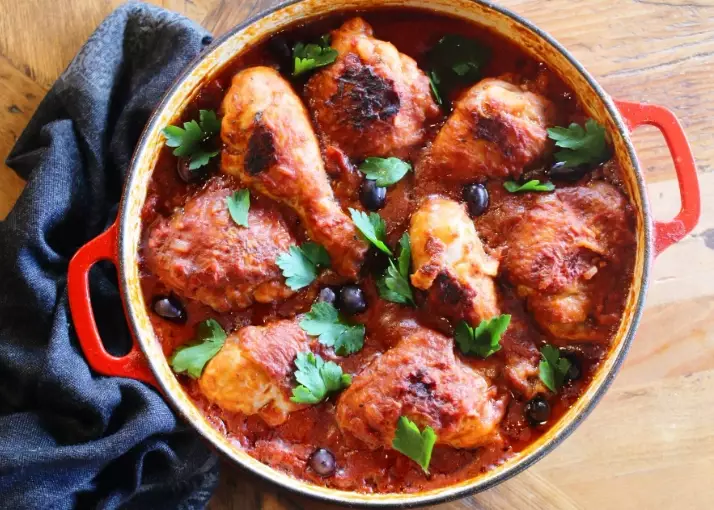
Baked Italian Chicken Breast Recipes with Sauce: Juicy & Flavorful Every Time
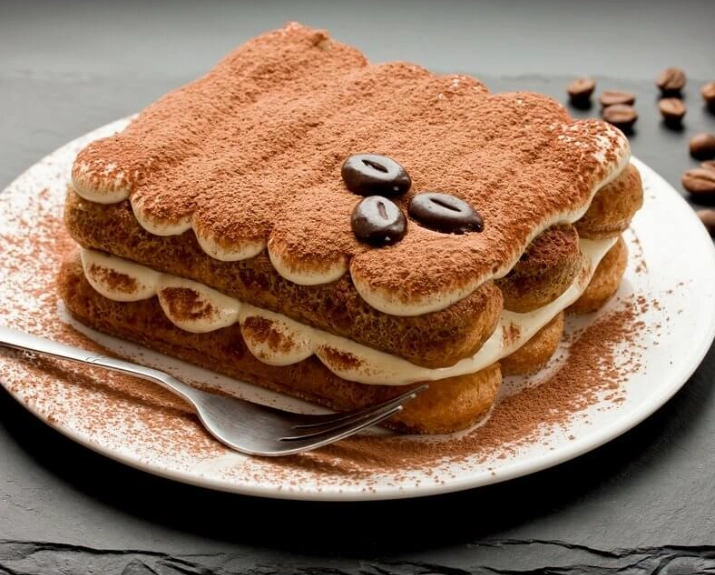
Top 10 Italian Desserts: A Sweet Journey Through Italy
Italian Shrimp Recipes: From Classic Scampi to Modern Dishes