Authentic Italian Green Beans Recipe: A Classic Nonna's Method
Quick Guide
- Why This Italian Green Beans Recipe Works (The Nonna Logic)
- The Foundational Ingredients: What You Really Need
- The Step-by-Step Italian Green Beans Recipe
- Getting It Right: Texture, Flavor, and Fixing Mistakes
- Answering Your Questions (The Stuff Other Recipes Don't Cover)
- The Final Touch: Making It Your Own
Let's be honest. You've probably searched for an Italian green beans recipe before. You found something, made it, and thought... this is fine. But it didn't quite transport you to a sun-drenched terrace in Tuscany, did it? The beans were maybe a bit bland, or the texture was all wrong—too crunchy, or worse, mushy. I've been there. The first time I tried to make what I thought was an authentic version, I ended up with a sad, watery mess. It was a lesson learned the hard way.
What most recipes online miss isn't a secret ingredient. It's the method. The patience. Italian home cooking, the kind nonnas do without thinking, is about coaxing flavor out of simple things. It's not a ten-minute side dish you whip up while the main course rests. It's a slow, gentle simmer that transforms humble green beans into something deeply savory, almost meaty, without a speck of meat in sight. That's what we're after today.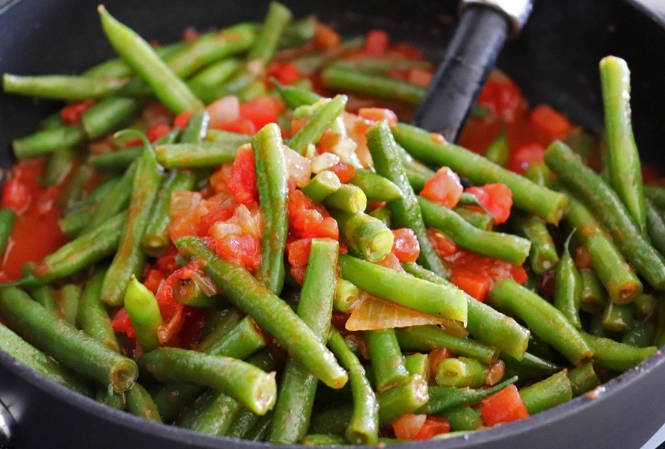
So, if you're tired of recipes that promise authenticity but deliver something forgettable, stick with me. We're going to dig into the why and how, so you never have a bland bean again. We'll cover the exact type of beans to use (it matters more than you think), the common pitfalls that ruin the texture, and how to adjust the recipe to your own taste. By the end, you'll have a side dish that might just steal the show.
Why This Italian Green Beans Recipe Works (The Nonna Logic)
Most American recipes treat green beans as a vehicle for other flavors—toss them in garlic butter, done. The Italian approach, particularly from the south, is different. Here, the bean itself is the star, and the cooking process is designed to infuse it from the inside out. Think of it less as sautéing and more as braising.
The magic happens in the pot over low heat. The beans soften and relax. They release some of their own starches into the liquid. That liquid, now flavored with onion, garlic, and a touch of tomato, gets reduced and re-absorbed. What you get is a bean that's tender through and through, not just on the outside, carrying a concentrated sauce within its very structure. It's a world away from the crisp-tender beans you might be used to, and once you try it, it's hard to go back.
I remember serving this to a friend who said, "I don't even like green beans." She had thirds. That's the power of this method.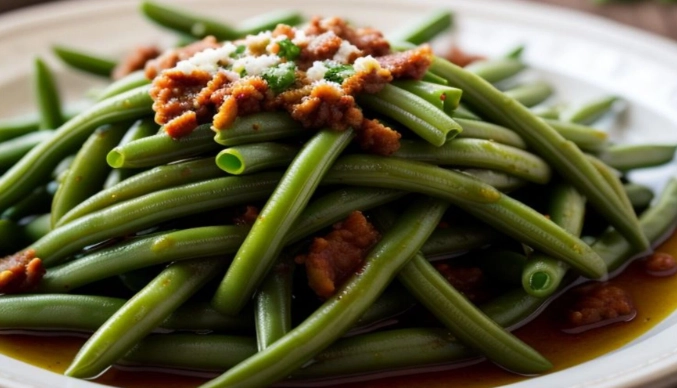
The Foundational Ingredients: What You Really Need
You can't build a great dish on mediocre ingredients. For this Italian green beans recipe, every component plays a specific role. Let's break down the essentials.
The Green Beans: The Main Event
Not all green beans are created equal for this dish. You want beans that can withstand a longer cook time without completely disintegrating. Here’s a quick guide to your options:
| Bean Type | Best For This Recipe? | Flavor & Texture Notes | My Personal Pick |
|---|---|---|---|
| Romano Beans (Flat Italian Beans) | Absolutely ideal. | Wide, flat, meaty texture. Soak up flavor like a dream. The authentic choice. | Top choice if you can find them. |
| Standard Green Beans (String Beans) | Yes, a great substitute. | Firmer, more readily available. Hold shape well, but take slightly longer to become tender. | The reliable everyday option. |
| Haricots Verts (French Green Beans) | Not recommended. | Too delicate and thin. They'll turn to mush before developing deep flavor. | Avoid for this specific slow-cook method. |
| Frozen Whole Green Beans | In a pinch, yes. | Convenient, but often lack the fresh, sweet flavor. Texture can be a bit softer. | Okay for a quick fix, but fresh is better. |
Look for fresh beans that are bright in color, snap cleanly when bent, and don't have visible blemishes or large seeds bulging through the pod. About a pound to a pound and a half serves four as a side.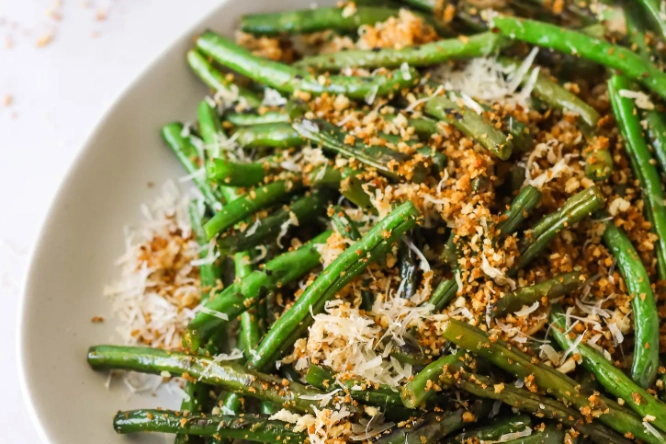
The Flavor Base: Olive Oil, Allium, Tomato
This trio is non-negotiable.
Extra Virgin Olive Oil: Don't use the cheap stuff you reserve for frying. You'll taste it. Use a good, fruity extra virgin olive oil. It's not just for cooking; its flavor is a finishing note. I've tried many, and sometimes a robust, peppery oil can overwhelm. I personally prefer a medium-intensity oil for this.
Garlic and Onion: Thinly slice or mince the garlic. You want it to melt into the oil and sauce, not remain in sharp, crunchy chunks. For the onion, a yellow onion is perfect for its balance of sweetness and pungency. Some recipes use just garlic, but the onion adds a foundational sweetness that balances the tomato's acidity beautifully.
Tomato: Here's a key point. You are not making a tomato sauce. You're using tomato as a seasoning. A tablespoon or two of tomato paste, fried in the oil for a minute, is the classic way. It adds umami depth and a hint of sweetness without making the dish "tomato-y." Alternatively, you can use a small handful of chopped canned San Marzano tomatoes (crush them with your hands). Avoid using a full can of diced tomatoes—it will be too watery.
The Supporting Cast: Herbs and Seasoning
Salt is critical. You need to season the cooking water adequately. I use kosher salt. Black pepper is added at the end to keep its sharp flavor. Fresh herbs like parsley or basil are a final, bright garnish, stirred in right before serving. Dried oregano can be added with the tomato paste for an earthy note, but go easy—a pinch is enough.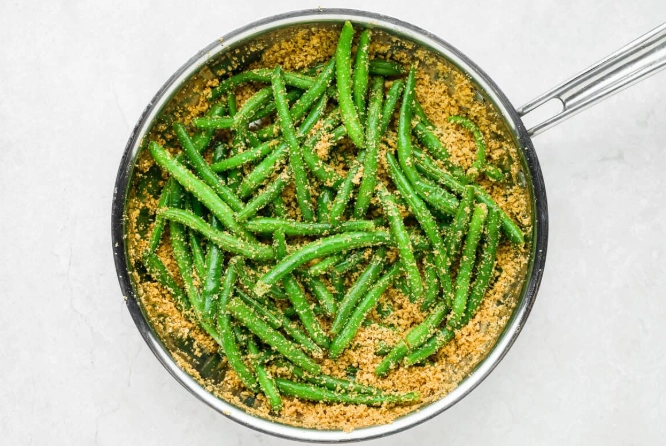
The Step-by-Step Italian Green Beans Recipe
Authentic Italian Green Beans (Fagiolini all'Italiana)
Prep Time: 10 mins | Cook Time: 35-45 mins | Serves: 4
Ingredients:
- 1.5 lbs (700g) Romano beans or standard green beans, ends trimmed
- 3 tablespoons good extra virgin olive oil, plus more for finishing
- 1 small yellow onion, finely chopped
- 3-4 garlic cloves, thinly sliced
- 1.5 tablespoons tomato paste (or 3-4 canned San Marzano tomatoes, crushed)
- Salt (kosher or sea salt) and freshly ground black pepper
- Pinch of dried oregano (optional)
- 2-3 tablespoons chopped fresh flat-leaf parsley or basil
- Red pepper flakes (optional, for a touch of heat)
Method:
- Prep the Beans: Wash and thoroughly dry your beans. Trim the stem ends. If using standard green beans that are very long, you can leave them whole or snap them in half. Romano beans are often left whole.
- Blanch (Optional but Recommended): Bring a large pot of well-salted water (it should taste like the sea) to a boil. Add the beans and cook for 3-4 minutes, just until their color brightens intensely. Immediately drain and rinse under cool water to stop the cooking. This step sets the color and softens the outer layer, helping them absorb sauce later. Some nonnas skip this, but I find it leads to a more vibrant final dish.
- Build the Flavor Base: In a large, deep skillet or Dutch oven, heat the olive oil over medium-low heat. Add the chopped onion and a pinch of salt. Cook slowly, stirring occasionally, until the onion is soft and translucent, about 8 minutes. Don't let it brown. Add the sliced garlic and cook for another minute until fragrant.
- The Tomato Foundation: Clear a little space in the center of the pan. Add the tomato paste (or crushed tomatoes) and the optional oregano. Let it cook and "fry" in the oil for about 60-90 seconds. This caramelizes the sugars in the tomato and deepens its flavor dramatically. Then, stir it into the onions and garlic.
- The Simmer: Add the blanched beans to the pan. Toss them well to coat in the flavorful oil. Add enough water (or that saved bean water!) to come about halfway up the beans. Season lightly with another pinch of salt.
- Low and Slow: Bring to a very gentle simmer, then reduce the heat to low. Cover the pan partially with a lid, leaving a crack for steam to escape. Let it cook for 25-40 minutes. The time varies based on your bean type and freshness. Check occasionally, giving a gentle stir. You want the liquid to reduce slowly, leaving a glossy, emulsified sauce clinging to the beans. The beans should be very tender—you should be able to cut one with the side of your fork without resistance.
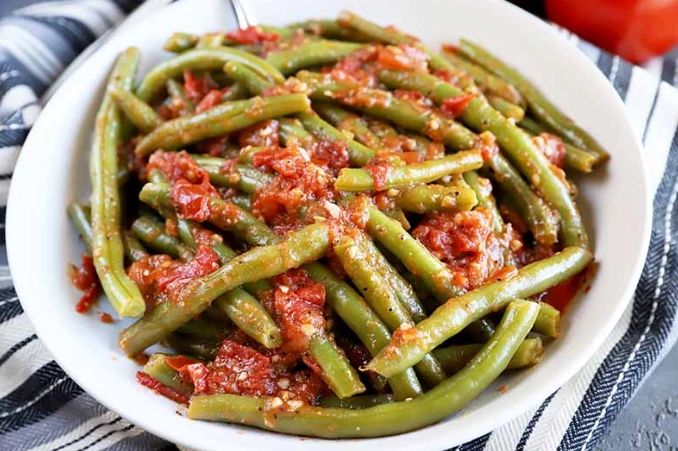
- Finish and Serve: Once the beans are tender and the sauce has reduced, remove from heat. Taste and adjust salt. Grind over plenty of black pepper. Stir in the fresh herbs. A final drizzle of raw extra virgin olive oil is a must. Serve warm or at room temperature. Honestly, I think they taste even better the next day.
See? The process is simple, but the timing and patience are everything. You can't rush this Italian green beans recipe. If you try to crank the heat to reduce the liquid faster, you'll burn the delicate flavors at the bottom of the pan. Trust the low heat.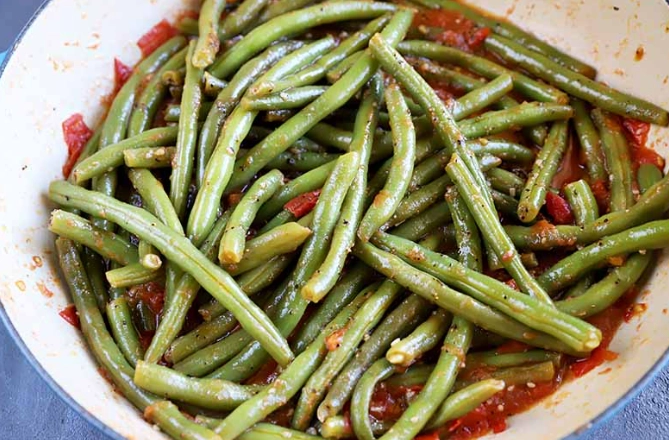
Getting It Right: Texture, Flavor, and Fixing Mistakes
This is where most home cooks get tripped up. Let's troubleshoot.
The Texture Tightrope: Mushy vs. Crunchy
The goal is tender, not mushy. Mushy beans happen from overcooking in too much water. If your beans are falling apart, you likely added too much liquid at the simmer stage and/or cooked them too long with the lid fully on. The fix next time? Less water, partial lid, and check earlier.
If your beans are still tough after 40 minutes, they might be old or a particularly sturdy variety. Just add a small splash of hot water and continue simmering, checking every 5-10 minutes. Sometimes they just need more time. The blanching step at the beginning helps prevent this by jump-starting the softening process.
Why Is My Dish Watery?
This was my first big failure. A watery sauce means the liquid didn't reduce enough. You either started with too much water, the heat was too low to encourage evaporation, or you didn't cook it long enough. Next time, remember: the water should only come halfway up the beans. If you're near the end and it's too soupy, remove the lid entirely, turn the heat up to medium, and let the liquid bubble away quickly for a few minutes, stirring constantly to prevent burning.
Balancing the Flavors
Too acidic? The tomato can sometimes dominate. A tiny pinch of sugar can balance it. Or, next time, use a bit less tomato paste. The sweetness of the slowly cooked onion should be your primary balance.
Not flavorful enough? You probably underseasoned. Salt is crucial at every stage—the blanching water, the onions, the simmering liquid. Don't be shy. Also, ensure you cooked your tomato paste long enough in step 4. That "frying" step is a major flavor booster.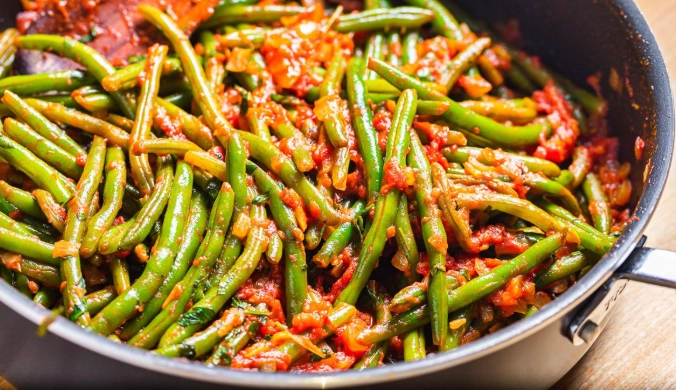
Answering Your Questions (The Stuff Other Recipes Don't Cover)
The Final Touch: Making It Your Own
Once you've mastered the basic Italian green beans recipe, play around. Here are a few regional twists I've tried (with mixed success, I'll admit).
Sicilian Style: Add a tablespoon of capers and a handful of green olives (pitted and roughly chopped) when you add the beans. The briny punch is fantastic with fish.
With Toasted Breadcrumbs (Mollica): This is a game-changer for texture. In a separate small pan, toast a cup of coarse breadcrumbs (panko works) in a couple tablespoons of olive oil with a minced garlic clove until golden and crisp. Sprinkle this over the finished beans just before serving. The crunch against the soft beans is incredible.
Lemon Zest: For a brighter finish, add the zest of half a lemon with the fresh herbs. Avoid lemon juice, as the acidity can clash with the tomato.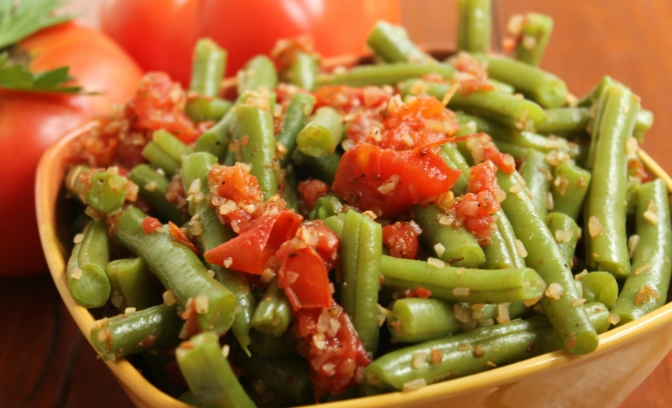
I tried a version with pancetta once. While delicious, it completely changed the character of the dish, making it richer and masking the pure bean flavor. It was good, but it wasn't this recipe anymore. Sometimes simple is best.
So there you have it. More than just an Italian green beans recipe, it's a method, a philosophy for cooking vegetables. It requires a bit of time and attention, but the payoff is a dish of stunning simplicity and depth. It proves that with a few good ingredients and a little patience, you can create something truly special. Give it a try this week. Let those beans simmer slowly. Your kitchen will smell amazing, and I promise, you'll never look at a green bean the same way again.
Related Articles
Simple Italian Sausage Dinners: Quick Recipes for Busy Nights
The Best Pasta Carbonara Recipe: Authentic Roman Secrets Revealed
Authentic Italian Sausage Recipe: Tips from a Butcher
Authentic Italian Carbonara Recipe: The Only Guide You'll Ever Need
Authentic Italian Dinner Recipes: Classics for Your Table