Authentic Italian Cocktail Recipes: From Classics to Modern Twists
Quick Navigation
Let's be honest, when you think of Italy, cocktails might not be the first thing that pops into your head. You're probably imagining pasta, wine, gelato... maybe an espresso. But let me tell you, overlooking Italy's contribution to the world of mixed drinks is a huge mistake. I learned this the hard way on a trip to Milan a few years back. I wandered into this tiny, unassuming bar just before dinner, and what I experienced wasn't just a drink—it was a ritual, a moment of pure, unadulterated pleasure. That's the thing about Italian cocktail recipes. They're not just instructions for mixing booze; they're blueprints for a specific kind of joy, a philosophy in a glass.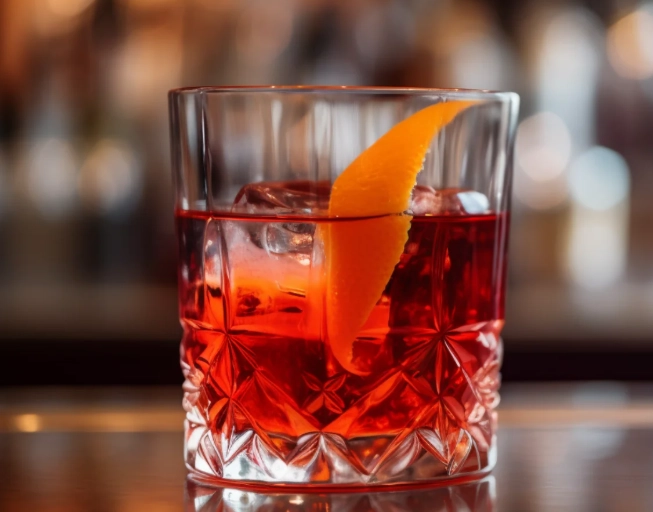
It's all about the aperitivo. That magical hour when work ends and life begins. The sun is dipping, you're with friends, and you have a beautiful, bitter-sweet, often sparkling drink in your hand. It's not about getting drunk. It's about stimulating the appetite, slowing down, and connecting. That's the soul you're trying to capture when you explore authentic Italian cocktail recipes at home.
It boils down to a few non-negotiable principles. First, simplicity. The best Italian cocktail recipes often have three, maybe four ingredients. There's nowhere to hide. Every component has to be stellar. Second, balance. It's a dance between bitter, sweet, strong, and weak. And third, quality. You can't make a great Negroni with cheap, harsh gin and bottom-shelf vermouth. The Italians would rather not drink it at all. They have a respect for ingredients that borders on reverence, whether it's the botanicals in their spirits or the citrus for a twist.
The Core Philosophy: Italian mixology is less about flashy technique and more about curation. It's about choosing a few incredible things and letting them sing together. Think of it like a great Caprese salad—ripe tomatoes, fresh mozzarella, basil, good olive oil, salt. Perfection in simplicity. Your approach to Italian cocktail recipes should be the same.
The Unshakeable Classics: Pillars of Italian Drinking Culture
You can't talk about Italian cocktail recipes without starting here. These are the legends, the drinks that have defined bars from Turin to Taormina for decades, even a century. They're the foundation. Mastering these is like learning the basic chords on a guitar—once you have them down, you can play almost anything.
I remember trying to make my first Negroni at home. I followed a recipe online, used what I had, and it was... awful. Harsh, unbalanced, a total assault on the senses. I thought I hated Negronis. Then I had one made properly with the right stuff, and it was a revelation. It was complex, herbal, refreshingly bitter, and strangely moreish. The lesson? The recipe is only half the story.
The Negroni: A Bitter Symphony
Equal parts gin, sweet red vermouth, and Campari. That's it. The beauty and the challenge are all in that simplicity. Created in Florence around 1919 (or so the story goes), it's the king of the aperitivo. The key is in the brands. For a classic build, you want a London Dry Gin with good juniper punch, a robust and herbal sweet vermouth like Carpano Antica Formula or Cocchi Vermouth di Torino, and of course, Campari. Stir it long with plenty of ice—you want it properly diluted and ice-cold—and serve it up or on the rocks with an orange peel. Not a slice, a peel. Express the oils over the drink and drop it in.
Pro Tip: Don't stir for just 10 seconds. Go for a good 30-40 seconds. The dilution is crucial to mellow the alcohol and blend the flavors. A Negroni should be bracing, not brutal.
The Aperol Spritz: Sunshine in a Glass
Ah, the Spritz. It's everywhere now, but its heart is in the Veneto region. This is probably the most misunderstood drink on the planet. A sad, watery, orange concoction from a pre-mixed bottle is not an Aperol Spritz. The real deal is simple: 3 parts Prosecco, 2 parts Aperol, 1 splash of soda water. Build it in a big wine glass filled with ice. The Prosecco must be dry (brut) and decent—it's the base, not just a bubble delivery system. Aperol is sweeter and less bitter than Campari, with notes of orange and rhubarb. Top with that splash of soda for lift, and garnish with a fat slice of orange. It should be refreshing, slightly bitter, slightly sweet, and incredibly easy to drink. It's the sound of a piazza at sunset.
The Americano: The Negroni's Gentler Grandparent
Before the Negroni, there was the Americano. It's what Count Camillo Negroni allegedly asked to be strengthened with gin. It's Campari, sweet vermouth, and soda water. It's lighter, longer, and more refreshing than its famous offspring. Perfect for when you want the bitter-herbal complexity but in a more sessionable format. Again, build it in a tall glass with ice, stir gently, and garnish with an orange slice or lemon twist. It's tragically overlooked, but one of my personal favorites for a long, lazy afternoon.
These three form the holy trinity. But the canon of essential Italian cocktail recipes runs deeper.
| Cocktail | Key Ingredients | Character & Flavor Profile | Best Served |
|---|---|---|---|
| Negroni Sbagliato | Prosecco, Sweet Vermouth, Campari | Lighter, sparkling, less boozy version of the Negroni. "Sbagliato" means "mistake"—it was born from a bartender grabbing Prosecco instead of gin. | Before dinner, as a festive aperitivo. |
| Garibaldi | Campari, Fresh Orange Juice | Incredibly simple, visually stunning (like a sunset), and deliciously balanced between bitter and sweet. The quality of the orange juice is EVERYTHING. | Brunch or a daytime aperitivo. |
| Hugo Spritz | Prosecco, Elderflower Syrup (St-Germain), Soda, Mint | A northern Italian (South Tyrol) favorite. Floral, fresh, and less bitter than an Aperol Spritz. Exceptionally refreshing. | Spring/Summer, any time of day. |
| Bellini | Prosecco, White Peach Purée | A classic from Harry's Bar in Venice. Sweet, fruity, elegant. Must use white peaches for authentic flavor. | Brunch, celebrations. |
You see a pattern? Prosecco, Campari, Vermouth, fresh citrus. These are the building blocks. Once you stock them, a world of authentic Italian cocktail recipes opens up to you.
A Common Pitfall: Using mediocre sparkling wine. For any Spritz or Bellini, a dry, crisp Prosecco is non-negotiable. A cheap, sweet one will ruin the drink's balance. Look for "Prosecco DOC Brut" on the label. The Consorzio di Tutela del Prosecco DOC website is a great resource for understanding quality classifications.
Beyond the Bar: Essential Ingredients & Gear You Actually Need
Okay, so you're inspired. You want to bring a slice of that Italian bar magic into your kitchen. What do you need to buy? Let's cut through the noise. You don't need a $300 cocktail set. You need a few key bottles and some basic tools.
The Spirits & Aperitivi: This is your investment. Start with these, and you can make a dozen classic Italian cocktail recipes.
- Campari: The king of bitter liqueurs. Red, herbaceous, iconic. Non-negotiable.
- Aperol: Campari's lighter, sweeter, more orange-centric cousin. Essential for Spritzes.
- Sweet Vermouth (Rosso): This is a fortified, aromatized wine. It MUST be refrigerated after opening and used within a month or two. Don't let that dusty bottle from Christmas sit on your shelf. Carpano Antica is a benchmark, but Cocchi di Torino or even Martini Riserva Speciale Rubino are fantastic.
- A Good London Dry Gin: For Negronis. Something like Beefeater, Tanqueray, or Sipsmith works perfectly.
- Prosecco (Brut): Keep a bottle in the fridge. It's your sparkling workhorse.
The Tools: A long bar spoon for stirring. A jigger for measuring (eyeballing leads to imbalance). A vegetable peeler for getting nice citrus peels. A juicer for fresh orange juice (for Garibaldis). A mixing glass or even just a large pint glass. And ice. Lots of good, clear, hard ice. Cloudy ice from your freezer tray melts faster and dilutes the drink poorly.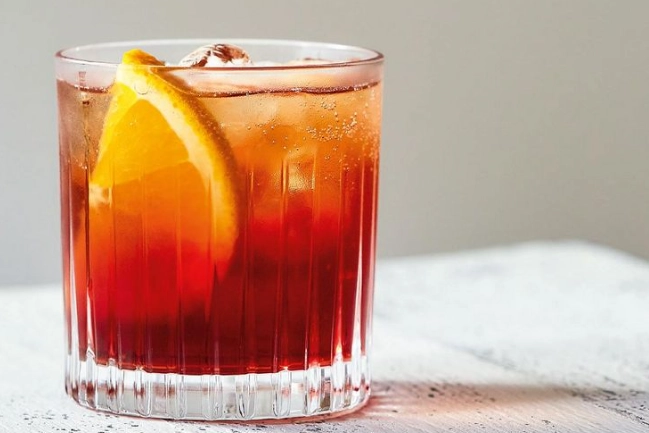
“A great Italian cocktail is about harmony, not hierarchy. No single ingredient should shout over the others. It's a conversation, not a monologue.” — This is something a bartender in Rome told me once, and it stuck. It's the best advice for approaching these recipes.
Modern Twists & Regional Gems: Where Tradition Meets Innovation
The story of Italian cocktail recipes doesn't end in 1960. There's a vibrant, modern scene that plays with tradition. Italian bartenders are deeply respectful of their heritage but aren't afraid to tweak it. They might use a local amaro instead of Campari, or infuse a vermouth with Sicilian blood orange.
You can do this at home too. Once you're comfortable with the classics, start experimenting. The framework is your friend.
The White Negroni
A modern classic that swaps the red ingredients for clear ones. Equal parts gin, Suze (a French gentian liqueur), and Lillet Blanc or Cocchi Americano. It's bitter, floral, complex, and has a beautiful pale yellow hue. It shows how the Negroni template is endlessly adaptable.
Cynar-Based Creations
Cynar is an artichoke-based amaro (though it doesn't taste like artichokes—it's earthy, vegetal, and sweetly bitter). Try a Cynar Spritz: 2 oz Cynar, 3 oz Prosecco, splash of soda. Or a Cynar & Soda with a lemon twist—stupidly simple, deeply satisfying. It's a brilliant way to explore the wider world of Italian amari beyond Campari. The Amari Italia association has a fantastic database if you fall down this rabbit hole (and you will).
And then there are the hyper-regional drinks. In the north, you might find a Bicerin from Turin (espresso, chocolate, cream—more a layered dessert drink). In the south, they might use local citrus like bergamot or blood orange in simple spritzes. Exploring these regional Italian cocktail recipes is a journey across the country itself.
Answering Your Questions: The Italian Cocktail FAQ
I get a lot of questions whenever I talk about this stuff. Here are the ones that come up again and again.
Bringing It All Home: Your Next Steps
So where do you start? Don't try to make all the Italian cocktail recipes at once. Pick one. The Aperol Spritz is the most forgiving gateway. Buy a good bottle of Brut Prosecco, a bottle of Aperol, some oranges, and decent soda water. Follow the 3-2-1 build method. Taste it. Feel the ritual.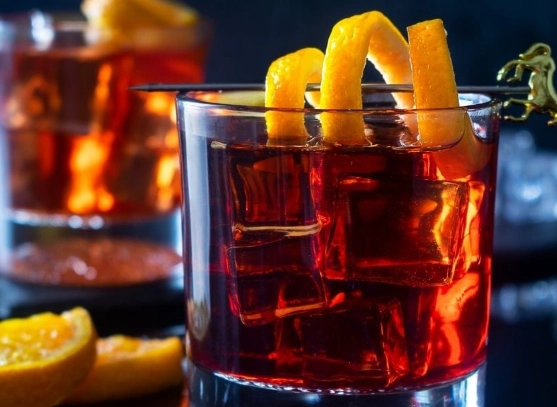
Then, maybe venture to the Garibaldi. Squeeze the freshest, sweetest oranges you can find. See how two ingredients can create something magical.
Finally, tackle the Negroni. Do it properly. Get the good stuff. Stir it for what feels like too long. Express that orange peel over the glass. Sit down with it. Don't gulp it. Sip it. Let the flavors evolve.
The goal isn't to become a professional mixologist overnight. The goal is to capture a feeling—that *sprezzatura*, that easy elegance, that moment of *dolce far niente* (the sweetness of doing nothing). These Italian cocktail recipes are your ticket to that. They're simple, but they demand respect for quality and process. Give them that, and they'll reward you with little moments of Italy, no matter where you are in the world.
Honestly, the worst drink I ever made was that first terrible Negroni. But it taught me more than a hundred perfect ones ever could. It forced me to pay attention. To respect the ingredients. To understand that a recipe is just a map—you still need to know how to read the terrain. So go on, start your map. Your home bar is waiting.
Related Articles
Top 10 Italian Dishes Veg: Best Vegetarian Pasta & Mains Guide
Master Classic Italian Dishes: Recipes & Secrets from Pasta to Tiramisu

Amazon on the fire

The RMB exchange rate against the US dollar rose to a high point this year
Easy Italian Dinner Recipes You Can Make Tonight
Mastering Classic Italian Baked Dishes: Recipes & Secrets
Ultimate Guide to the Best Italian Meatball Recipe
Cold Italian Appetizers: The Ultimate Guide to Antipasti & Finger Foods

Breaking through 1.2 billion kilowatts, China has achieved its commitment to win

Master Old School Italian Recipes: Authentic Pasta, Ragù & More
Authentic Italian Regional Recipes Guide: Cook from Source
Traditional Italian Dinner Party Recipes: An Authentic Menu from Start to Finish
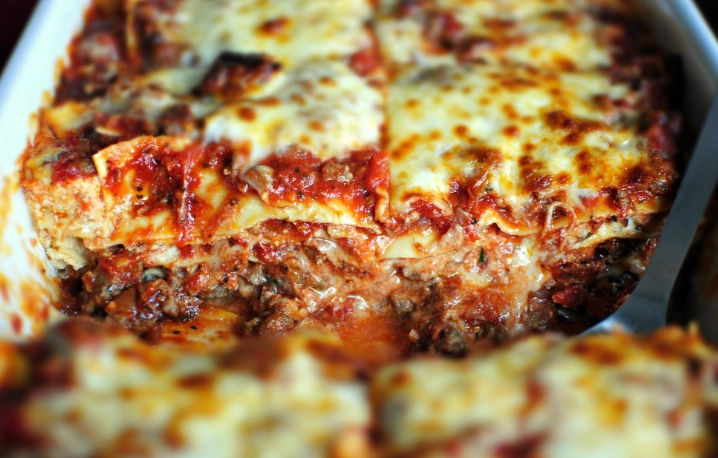
Easy Traditional Italian Recipes for Home Cooks

Sudden bad news! A-shares plunged, Hong Kong stocks fell more than 2%, and there
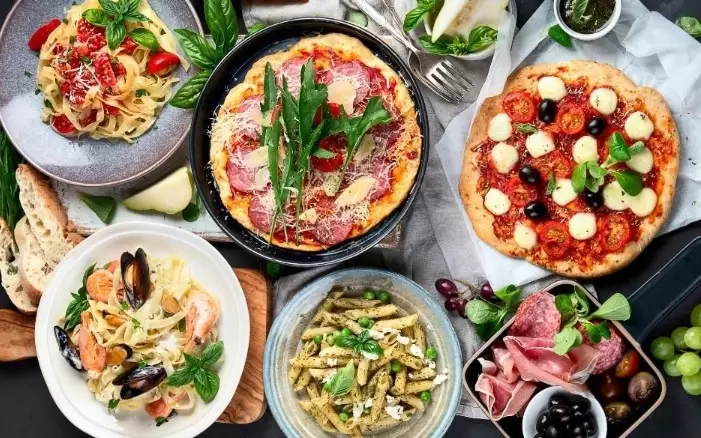
A Guide to Italy's Classic Dishes: Pasta, Pizza & More
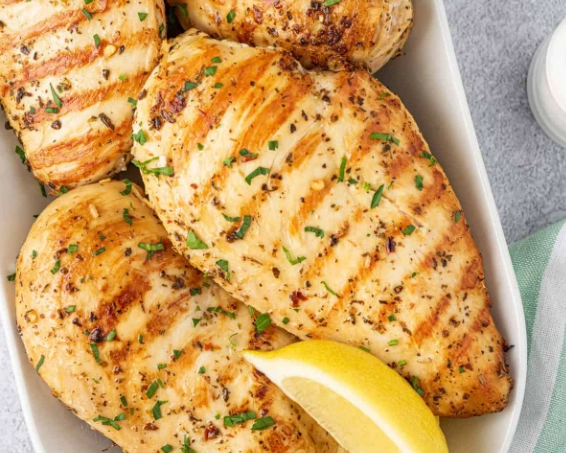
Authentic Italian Chicken Breast Recipes: Fast, Healthy & Flavorful Dinners
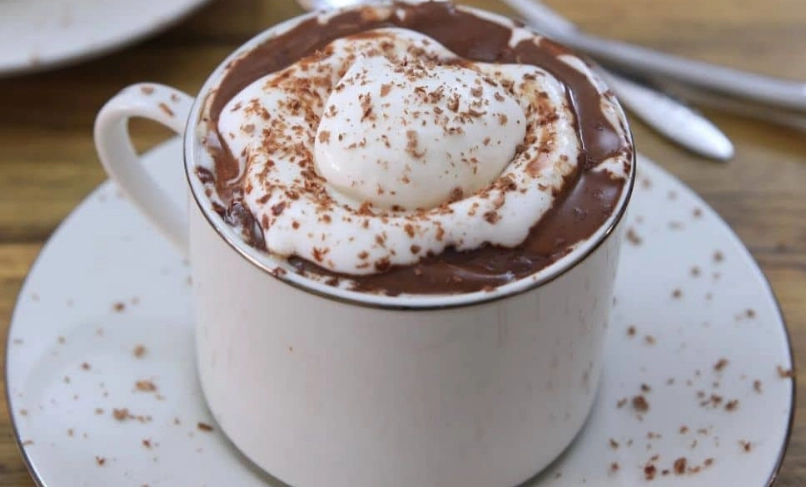
Authentic Italian Hot Chocolate Recipe: Rich, Thick & Easy
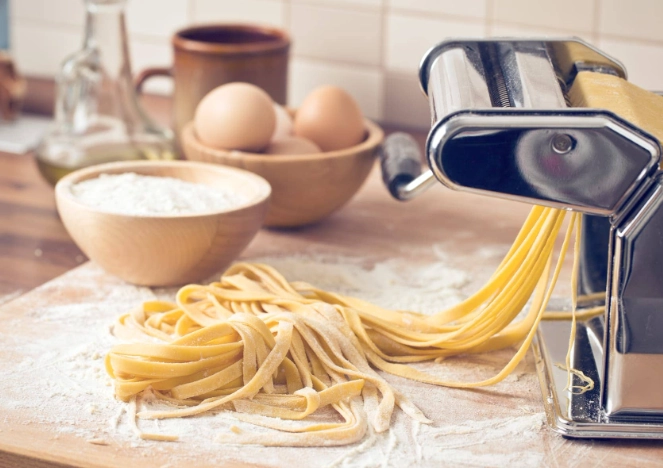
Ultimate Guide to Making Homemade Pasta from Scratch
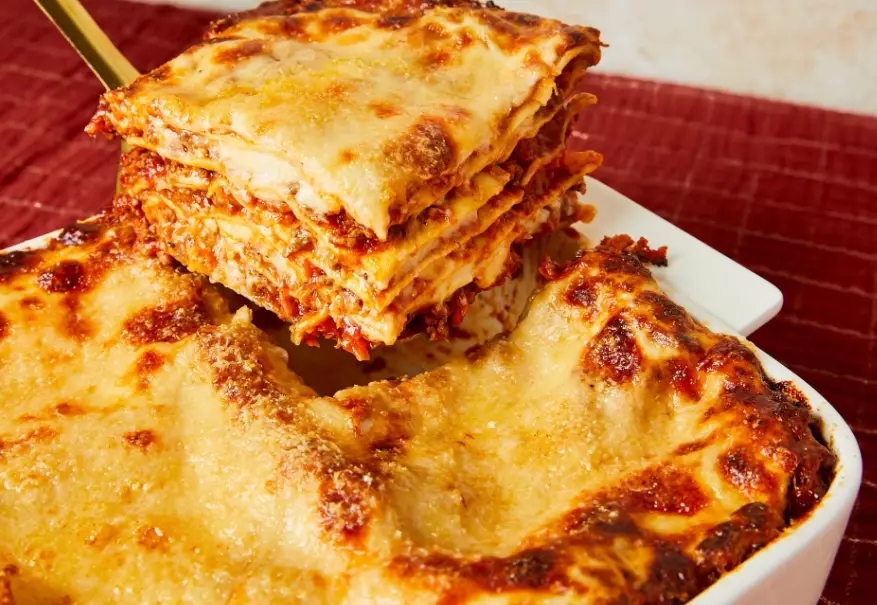
Authentic Italian Lasagna Recipe: The Ultimate Guide to Homemade Perfection
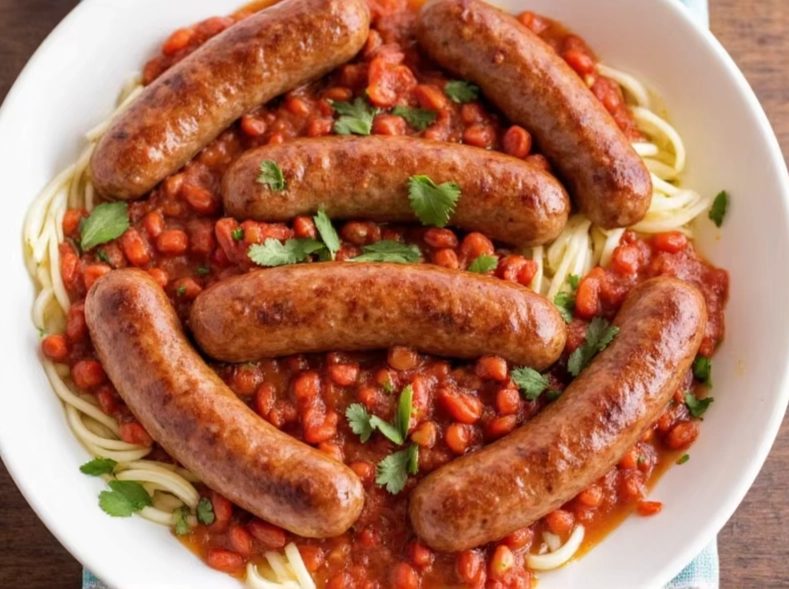
Ground Italian Sausage Recipes: The Ultimate Guide for Easy & Flavorful Dinners
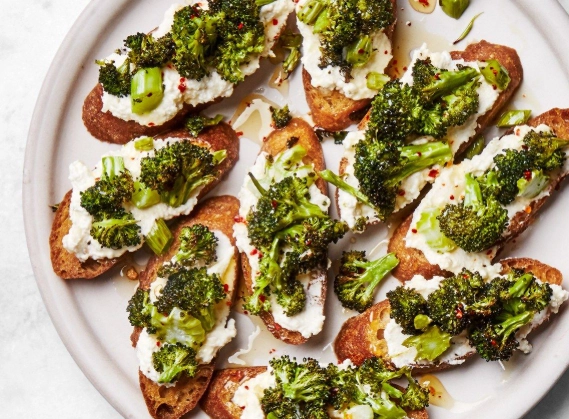
Easy Italian Appetizers: Simple Recipes & Party Platters

Paris Notes 10: Visiting Galeries Lafayette, more than half of the "saleswomen"
Authentic Italian Green Beans Recipe: A Classic Nonna's Method
Sweet Italian Sausage Recipes: From Classic Pasta to Creative Feasts

Is Xiaomi Auto dumped?
Authentic Ricotta Lasagna Recipe: Creamy Layers & Pro Tips
Authentic Carbonara Recipe (No Cream!): The Real Italian Way

The scale of securities lending and securities lending has dropped by more than
Ultimate Guide to the Top 10 Pasta Dishes You Must Try
Leave a Comment