Authentic Italian Cheesecake Recipe: Creamy Ricotta Dessert Guide
Italian cheesecake isn't just a dessert—it's a creamy, slightly grainy masterpiece that feels lighter than its American cousin. If you've ever had a slice in Rome or Sicily, you know the magic comes from ricotta cheese. I've baked this for years, and today I'm sharing everything to get it right, from avoiding soggy crusts to that perfect set. Let's dive in.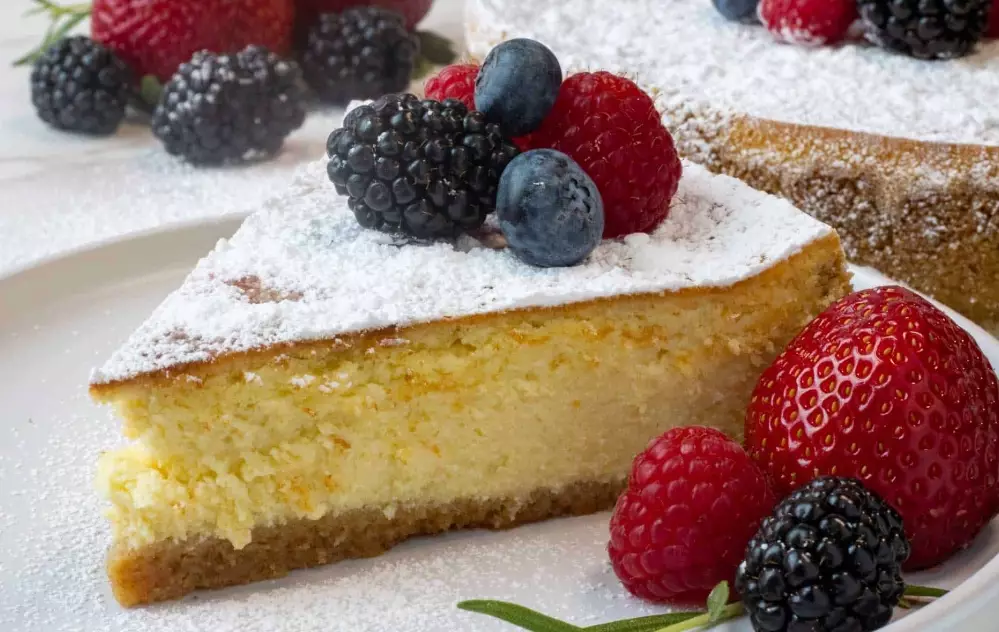
Jump to What Matters
What Makes Italian Cheesecake Different?
Most people think cheesecake is all cream cheese, but Italian versions use ricotta. It gives a lighter texture, almost like a custard, with a subtle graininess. I remember my first try—I used cheap ricotta, and it turned out watery. Big mistake. Authentic recipes often include citrus zest or vanilla, and they're less sweet, letting the cheese shine.
Key Ingredients: Ricotta vs. Cream Cheese
Ricotta is the star. It's a whey cheese, so it's lower in fat and has more moisture. Cream cheese makes things dense and rich. For Italian style, you want full-fat ricotta, drained well. Some recipes mix in mascarpone for creaminess, but purists stick to ricotta alone. The crust? Usually buttery biscotti or amaretti cookies, not graham crackers.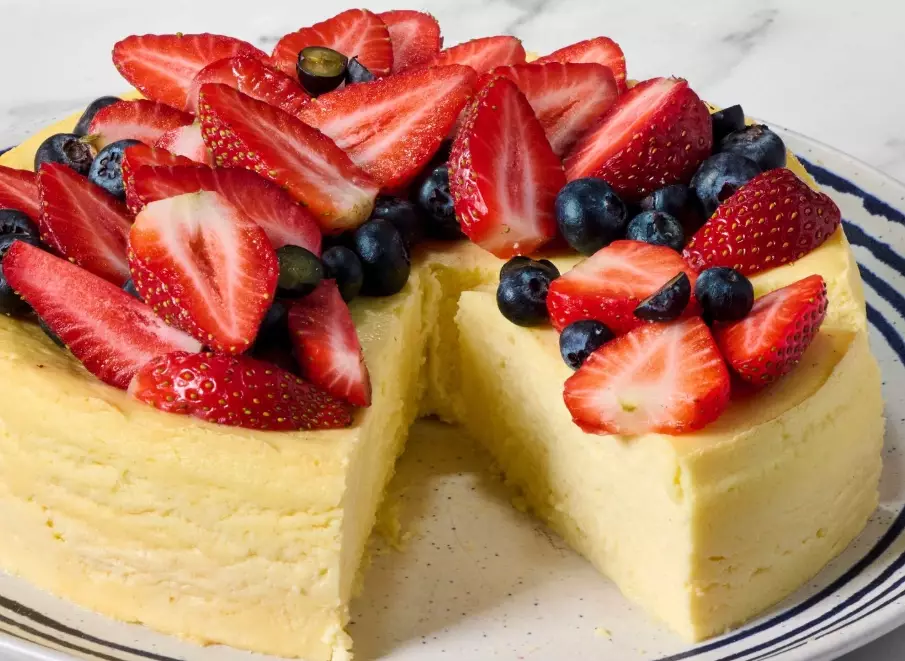
Your Italian Cheesecake Shopping List
Here's what you need. I've included alternatives based on what I've tested—sometimes you gotta improvise.
| Ingredient | Quantity | Notes & Alternatives |
|---|---|---|
| Full-fat ricotta cheese | 2 lbs (about 900g) | Drain overnight in a sieve. Low-fat works but yields a drier cake. |
| Granulated sugar | 1 cup (200g) | Reduce to 3/4 cup if you prefer less sweet. |
| Large eggs | 4 | Room temperature—cold eggs can cause curdling. |
| Amaretti cookie crumbs | 1 1/2 cups (150g) | Or use biscotti; graham crackers for a twist. |
| Unsalted butter | 1/2 cup (115g), melted | For the crust. Salted butter works, but adjust salt. |
| Lemon zest | From 1 lemon | Orange zest or vanilla extract are good swaps. |
| All-purpose flour | 2 tablespoons | Helps binding; cornstarch if gluten-free. |
| Salt | 1/4 teaspoon | Enhances flavor; don't skip. |
Pick ricotta from a good brand—I like brands recommended by the Italian Culinary Institute for authenticity. Drain it yourself; pre-drained versions can still be wet.
Step-by-Step Recipe: From Bowl to Oven
Follow this closely. I've messed up steps before, like overbaking or under-mixing, so learn from my errors.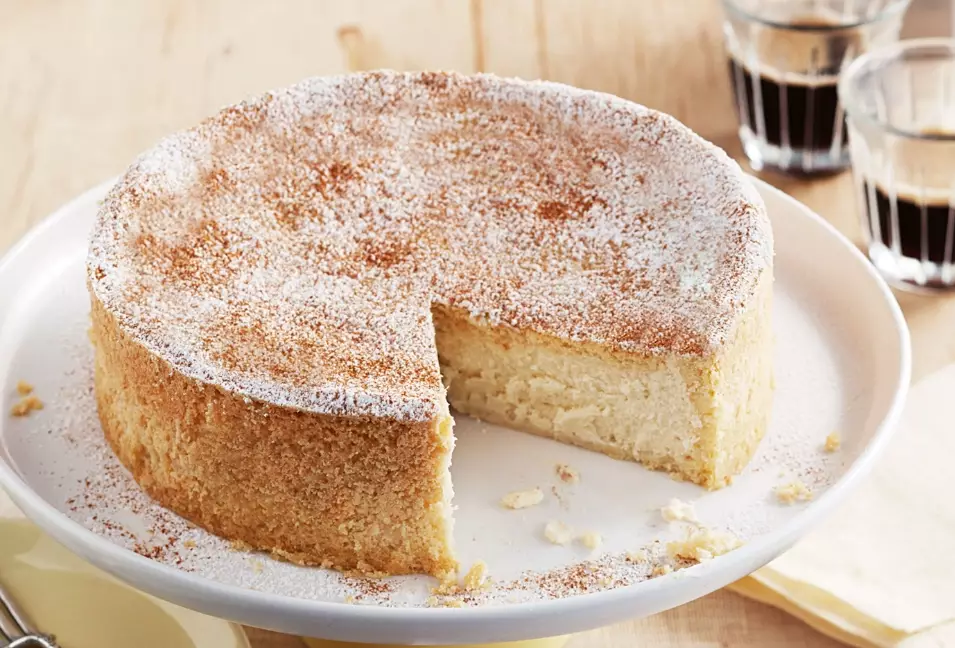
Preparing the Crust
Crush the amaretti cookies finely. I use a food processor, but a zip-top bag and rolling pin work. Mix with melted butter until it feels like wet sand. Press into a 9-inch springform pan—bottom and sides about 1 inch up. Bake at 350°F (175°C) for 10 minutes. Let it cool. This pre-baking prevents sogginess, something many recipes gloss over.
Mixing the Filling
In a large bowl, beat the ricotta until smooth. Add sugar gradually, then eggs one at a time. Fold in flour, lemon zest, and salt. Mix just until combined; overbeating incorporates air that leads to cracks. The filling should be creamy but not fluffy. Pour into the cooled crust.
Baking and Cooling
Place the pan on a baking sheet. Bake at 325°F (160°C) for 50-60 minutes. The center should jiggle slightly when shaken. Turn off the oven, crack the door open, and let it cool inside for an hour. Then refrigerate for at least 6 hours, preferably overnight. Rushing this causes cracks—I learned that after a party where my cake looked like a desert landscape.
Pro Tips to Avoid Common Mistakes
Here's where experience pays off. Most guides say "don't overmix," but they don't explain why.
- Drain the ricotta thoroughly: Even if it says "drained," wrap it in cheesecloth and let it sit over a bowl for a few hours. Excess moisture is the top reason for a soggy bottom.
- Use room temperature ingredients: Cold ricotta or eggs can separate, giving a grainy texture. Take them out an hour ahead.
- Skip the water bath if you're confident: Many insist on it, but for ricotta cheesecake, I find a lower oven temperature works fine. If you do use one, wrap the pan in foil to prevent leaks.
- Check doneness with a thermometer: The internal temperature should hit 150°F (65°C). Visual cues can fool you, especially in different ovens.
I once added too much flour, thinking it'd help set the cake. It turned dense and cakey—not the creamy dream I wanted. Stick to the recipe.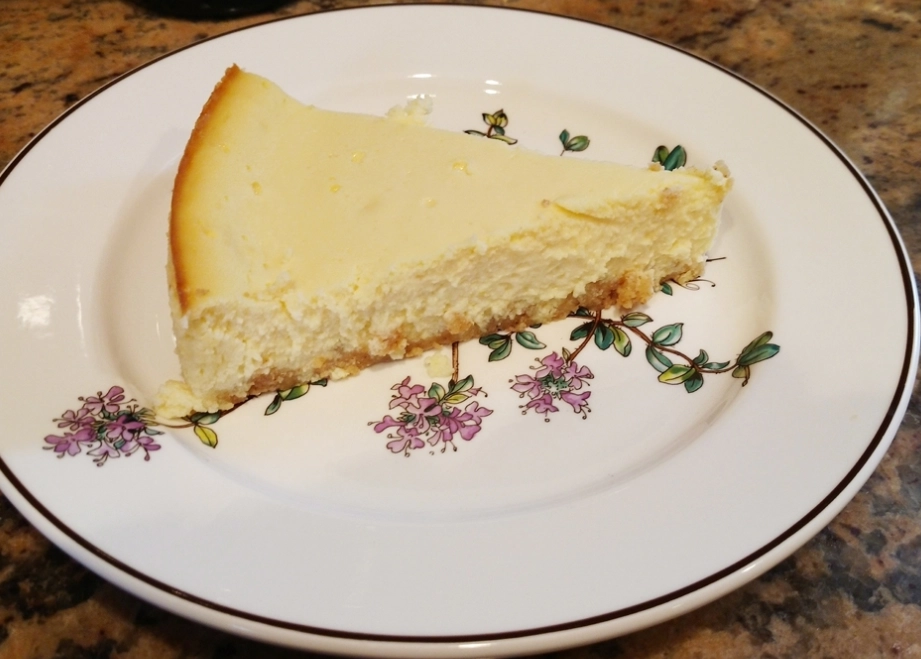
FAQs About Italian Cheesecake
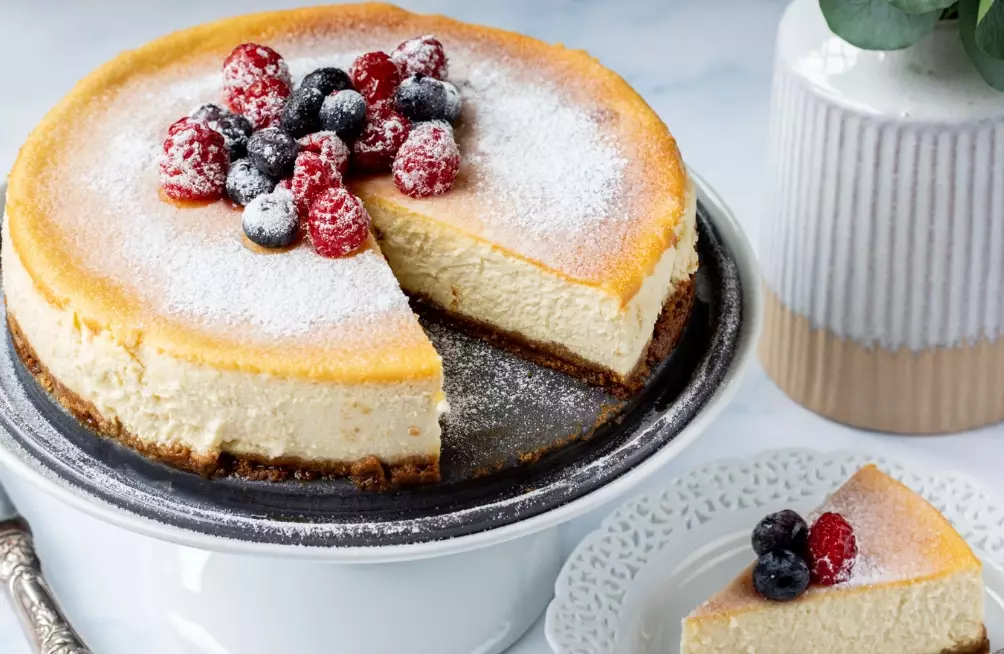 That's it! Give this recipe a shot, and don't stress over perfection. Even my early attempts were edible, just uglier. Share your results—I love hearing how it turns out. For more on Italian desserts, check out resources from the Italian Culinary Institute or renowned chefs like Lidia Bastianich, who emphasize simplicity and quality ingredients.
Related Articles
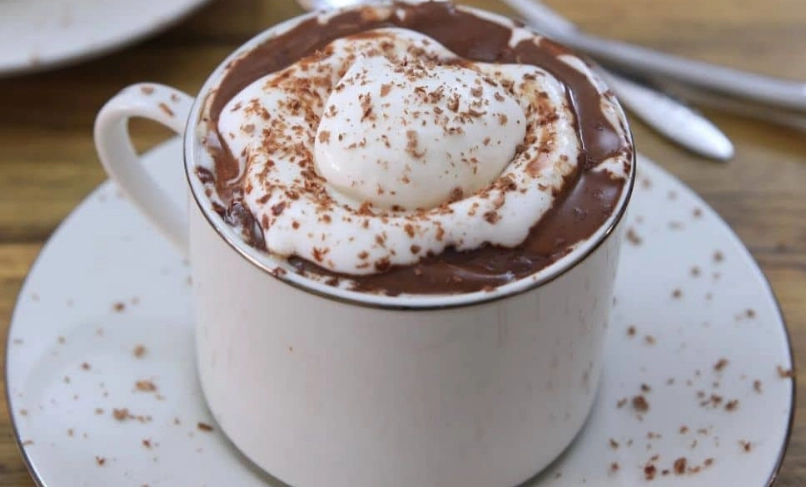
Authentic Italian Hot Chocolate Recipe: Rich, Thick & Easy

Authentic Italian Food Recipes: A Home Cook's Guide to Getting It Right
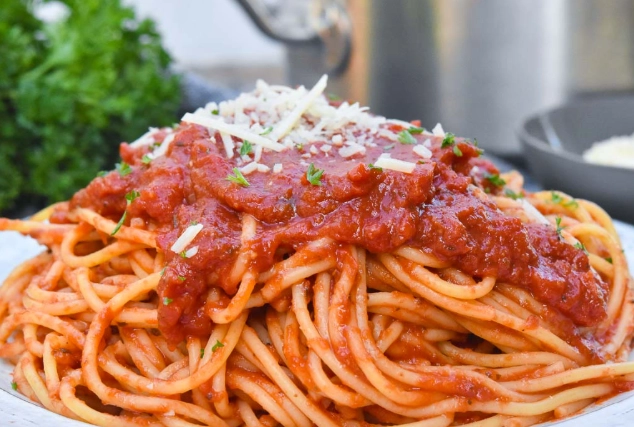
Authentic Italian Spaghetti Sauce Recipe (Ragù alla Bolognese)
Easy Italian Recipes: 5 Classics Anyone Can Master at Home

Restarting private investment|"Caijing" special report