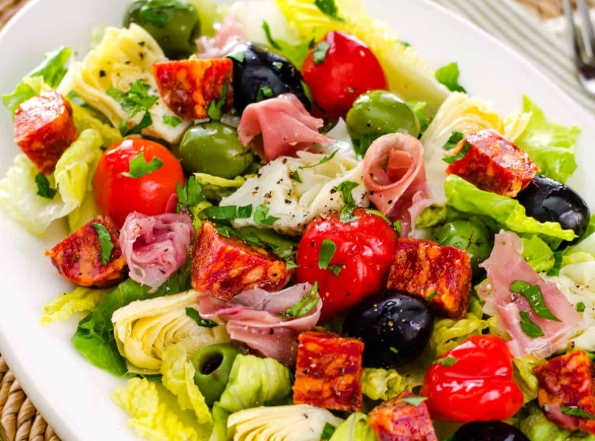
Ultimate Braciole Recipe: Authentic Italian Beef Rolls in Tomato Sauce
Quick Navigation
- What is Braciole, Really?
- The Meat: Your Foundation
- The Filling: Where the Magic Happens
- Rolling and Tying: The Make-or-Break Step
- The Slow Simmer: Building the Sauce
- Cooking Your Braciole: The Main Event
- Serving and Enjoying Your Braciole
- Common Braciole Mistakes (And How to Avoid Them)
- Braciole FAQ: Your Questions Answered
Let's talk about braciole. If you've ever been to a proper Italian-American Sunday dinner, you know the scene. The air is thick with the smell of garlic and tomatoes, there's enough food to feed a small army, and somewhere in that mountain of pasta and meatballs, there's this humble-looking rolled-up beef thing simmering away in the gravy. That's braciole. And let me tell you, it's often the star of the show, even if it doesn't look like it.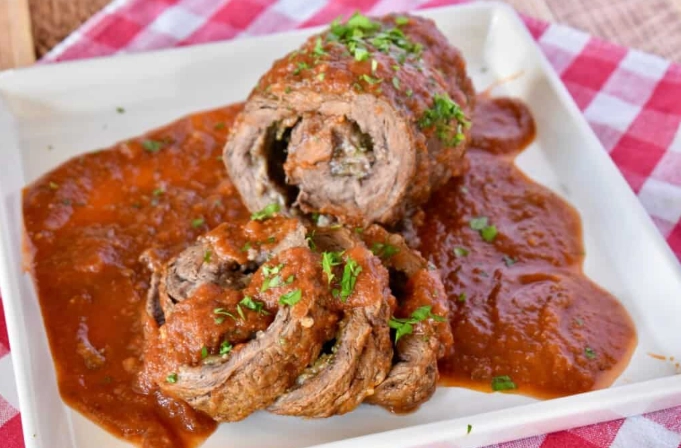
I remember the first time I tried to make a braciole italian recipe from a popular online food blog. It was a disaster. The meat was tough as leather, the filling fell out everywhere, and my tomato sauce tasted... sad. I felt like I'd insulted my grandmother's memory, and she wasn't even Italian. That failure sent me down a rabbit hole. I talked to old-school butchers, pestered my friend's Sicilian nonna (bless her patient soul), and ruined more pounds of beef than I care to admit. What I learned is that while the concept is simple—pounded beef, stuffed, rolled, and braised—the devil is in a thousand tiny details everyone assumes you already know.
So, consider this your no-BS, learned-from-mistakes guide to creating the most flavorful, tender, soul-satisfying braciole you've ever tasted. We're not just listing ingredients and steps. We're going to talk about the why behind every choice, so you can own this recipe forever.
What is Braciole, Really?
First things first, let's clear up the confusion. You might see it spelled "braciola" (singular) or "braciole" (plural). In many parts of Italy, "braciola" can just mean a chop or a slice of meat for grilling. But the dish we're talking about—the stuffed and rolled masterpiece—is deeply rooted in Southern Italian tradition, especially in regions like Sicily, Calabria, and Campania. When Italian immigrants came to America, they brought this technique with them, and it became a cornerstone of the Sunday gravy pot.
It's a poverty-to-princess story. Tougher, cheaper cuts of beef are pounded thin, transformed with a vibrant filling, and then slow-cooked until they surrender into utter tenderness, all while enriching a simple tomato sauce with their meaty, herby, cheesy juices. Every family has their version. The fight over whether to use raisins and pine nuts (a Sicilian touch) or not can get heated. It's that personal.
This isn't a weeknight, 30-minute meal. And honestly? It shouldn't be. The magic of a great braciole italian recipe lies in the slow, patient process. It's a labor of love, and the payoff is unbelievable.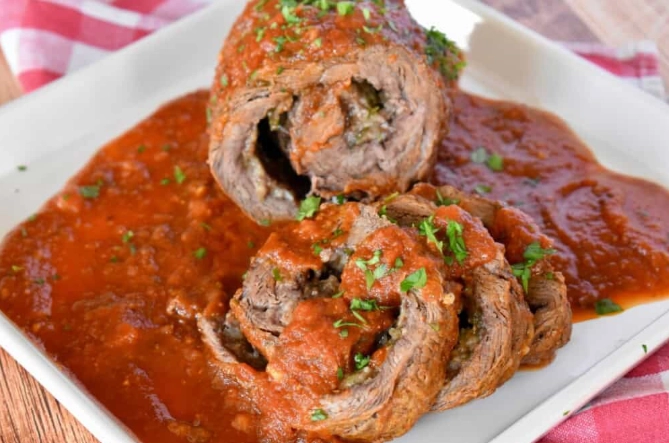
The Meat: Your Foundation
Get this wrong, and you're fighting a losing battle. You need a cut that's lean, has a good grain structure for rolling, and can handle long, slow cooking without disintegrating.
Top Round: The Classic Choice
This is the gold standard for a traditional braciole italian recipe. It's lean, has a consistent grain that runs lengthwise, and when pounded thin, it becomes pliable without tearing too easily. You want slices cut against the grain, about 1/4 to 1/3 inch thick. A good butcher can do this for you. If you're doing it yourself, partially freeze the meat for 30-45 minutes—it makes slicing much cleaner.
Flank Steak: A Modern Twist
Some contemporary recipes use flank steak. It's more flavorful and fibrous. The trick here is to cut it with the grain into wide, flat pieces before pounding. This way, after rolling, you'll be cutting against the grain to serve, ensuring tenderness. It's a bit more challenging to work with but delivers incredible beefy flavor.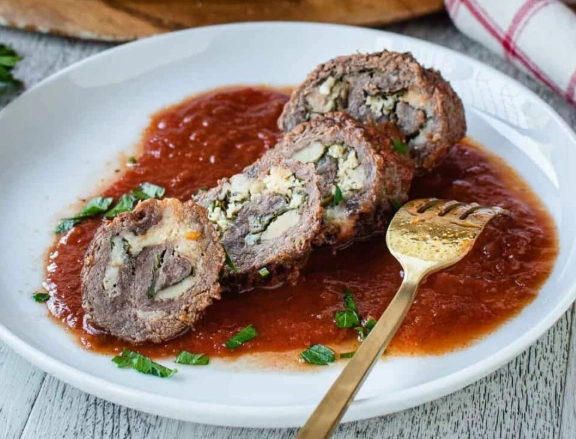
Here’s a quick comparison to keep in your back pocket:
| Cut of Beef | Best For | Key Characteristic | Difficulty Level |
|---|---|---|---|
| Top Round | The traditionalist. Perfect for first-timers. | Lean, even grain, easy to pound thin. | Easy |
| Flank Steak | The flavor seeker. Willing to master the cut. | Intense beef flavor, more fibrous texture. | Intermediate |
| Sirloin Tip | A good alternative if round isn't available. | Slightly more tender than round, still lean. | Easy |
The Filling: Where the Magic Happens
This is where you can really make the braciole your own. The filling has three jobs: add flavor, add texture, and help keep the roll together. The base is almost always a mixture of breadcrumbs, cheese, garlic, and herbs.
My Go-To Filling (for 6-8 braciole):
- Breadcrumbs: 1 1/2 cups. Use plain, dry breadcrumbs. Panko works in a pinch, but traditional stale Italian bread, grated, is best. It soaks up the juices better.
- Cheese: 1 cup grated Pecorino Romano (sharp, salty) or a 50/50 mix of Pecorino and Parmigiano-Reggiano. The pre-grated stuff in a canister? It won't melt right. Please, grate it fresh.
- Garlic: 4-5 cloves, minced. More is not always better—you don't want raw garlic overpowering everything after hours of cooking.
- Herbs: A hefty 1/2 cup of freshly chopped Italian parsley. This is non-negotiable for that fresh, green flavor. Dried parsley is just sad confetti.
- Extras (The Fun Part):
- Pine Nuts & Raisins: Toasted pine nuts (1/3 cup) and plumped raisins (1/3 cup, soaked in warm water then drained). This is the classic Sicilian sweet-and-savory signature. Don't knock it till you've tried it.
- Prosciutto: A thin slice laid on the beef before the breadcrumb mix. Adds a layer of salty, porky goodness.
- Hard-Boiled Egg: A few recipes call for chopped hard-boiled egg in the filling. It's old-school and adds a unique richness.
- Binder: A couple of tablespoons of olive oil or milk to moisten the mix so it holds together when you pack it on.
Mix all your dry filling ingredients in a bowl. You want it to feel like damp sand—clumps when you squeeze it, but doesn't drip. Season it well with black pepper (hold the salt until you've tasted it, the cheese is very salty).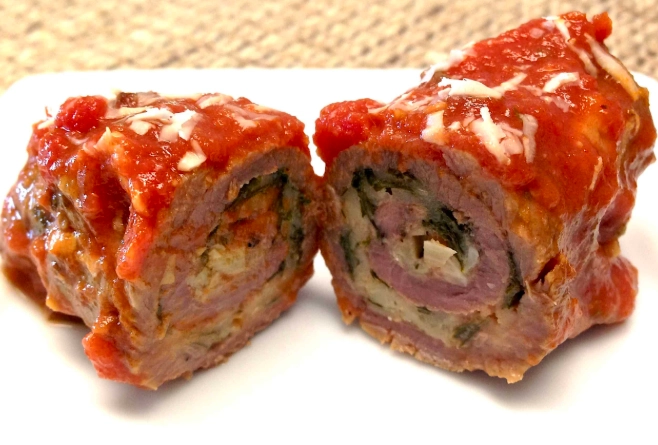
Now, about those raisins. I was a skeptic. Fruit in my meat? No thanks. But in my quest for the most authentic braciole italian recipe, I tried it. The plumped raisins almost melt into the filling during the braise, leaving little pockets of sweet contrast that cut through the rich meat and cheese. It's a game-changer. If you're adamantly anti-raisin, fine, leave them out. But maybe try it once.
Rolling and Tying: The Make-or-Break Step
Lay your pounded beef slice flat. If using prosciutto, lay that down first. Then, spread a generous, even layer of your filling mixture, leaving about a 1/2-inch border around the edges. Don't overstuff! This was my first big mistake. Too much filling and it will all burst out during cooking.
Starting from a short end, roll it up tightly, like a jelly roll or a cigar. Tuck in the sides as you go. Now, you must tie it. Kitchen twine is your best friend here. You can't rely on toothpicks. They fall out, and the braciole will unravel in the sauce, leaving you with a beef and breadcrumb soup.
Tie a piece of twine around the middle, then one about an inch from each end. If your roll is long, add another tie or two in between. Secure, but don't strangle it. This keeps the filling inside and maintains the shape so it cooks evenly. It's a bit fussy, but it's meditative. Put on some music and just do it.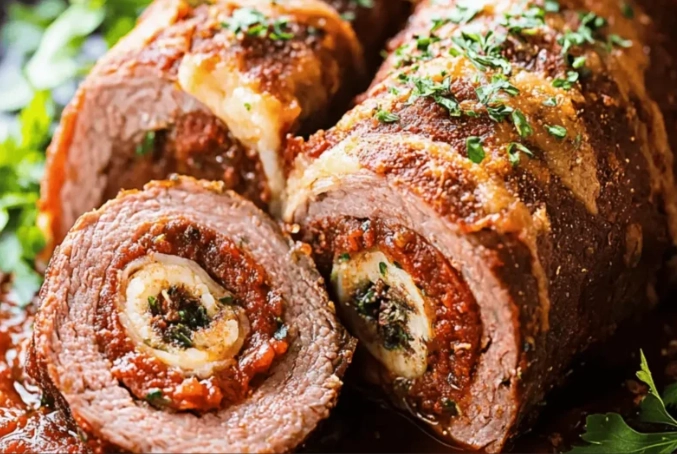
The Slow Simmer: Building the Sauce
You don't just dump your beautiful braciole into jarred sauce. The sauce is built in the same pot, and the braciole browns first. This is called building fond—those delicious browned bits at the bottom of the pan—and it's the secret to depth of flavor.
- Brown the Braciole: In a large, heavy-bottomed pot (like a Dutch oven), heat a few tablespoons of olive oil over medium-high heat. Pat the tied braciole dry and brown them well on all sides. Don't crowd the pan—do it in batches. You're not cooking them through, just searing the outside. This takes 5-7 minutes total. Remove them to a plate.
- Sofrito Time: In the same pot, lower the heat. Add 1 chopped onion and cook until soft. Then add 4-5 cloves of minced garlic and cook for just a minute until fragrant. Don't let the garlic burn.
- Deglaze: Pour in about a cup of dry red wine (like a Chianti) or, if you prefer, a little beef broth. Scrape up all those glorious browned bits from the bottom of the pot. Let it simmer and reduce by half.
- Tomatoes: Add two 28-oz cans of good-quality crushed tomatoes or whole San Marzano tomatoes that you've crushed by hand. Season with a pinch of salt, a few cracks of black pepper, and a big sprig of fresh basil.
Nestle the browned braciole back into the pot, submerging them in the sauce. Bring it to a very gentle bubble, then reduce the heat to the lowest possible setting. You want the occasional lazy bubble to break the surface, not a rolling boil. Cover the pot, but leave the lid slightly ajar to let some steam escape and thicken the sauce.
And now, you wait. A proper braciole italian recipe needs at least 2 hours, and 2.5 to 3 is even better. The low, slow heat breaks down the tough muscle fibers in the beef without drying it out, and all the flavors from the filling seep out into the sauce. Your kitchen will smell insane.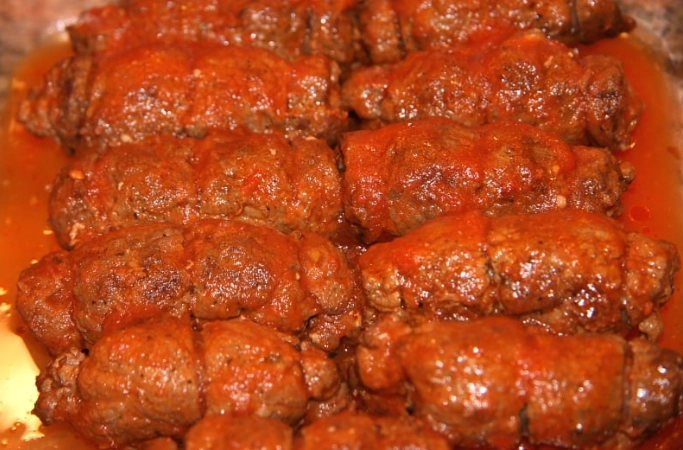
Cooking Your Braciole: The Main Event
After about 2 hours, carefully fish out one braciole with tongs. Poke it with a fork or a thin knife. It should offer almost no resistance, feeling tender all the way through. If it still feels firm in the center, give it another 30 minutes. The sauce should also have thickened significantly.
Once they're done, turn off the heat. Let the braciole rest in the sauce for at least 20-30 minutes before you even think about cutting them. This lets the juices redistribute. If you cut into a piping hot braciole, all the filling will gush out.
To serve, lift them out onto a cutting board. Snip and remove all the kitchen twine. (You'd be surprised how many people forget this step!). Using a sharp serrated or carving knife, slice each roll into 1-inch thick rounds. You'll see the beautiful spiral of meat and filling.
Ladle a generous amount of the sauce onto a warm platter, arrange the braciole slices on top, and spoon more sauce over them. Garnish with fresh basil or parsley.
Serving and Enjoying Your Braciole
This is a centerpiece dish. It's not a side. Serve it with something simple that can soak up that incredible sauce.
- Pasta: The classic companion. Cook a pound of rigatoni, ziti, or pappardelle. Toss it with some of the braciole sauce right in the pot before serving. Plate the pasta first, then top with the sliced braciole.
- Polenta: Creamy, soft polenta is a fantastic, gluten-free alternative. The savory polenta and the rich meat and sauce are a dream team.
- Crusty Bread: A must on the table, regardless. For mopping up every last drop.
And leftovers? They're arguably better the next day. Gently reheat the whole pot on the stove. The flavors deepen and marry even more.
Common Braciole Mistakes (And How to Avoid Them)
I've made most of these, so learn from me.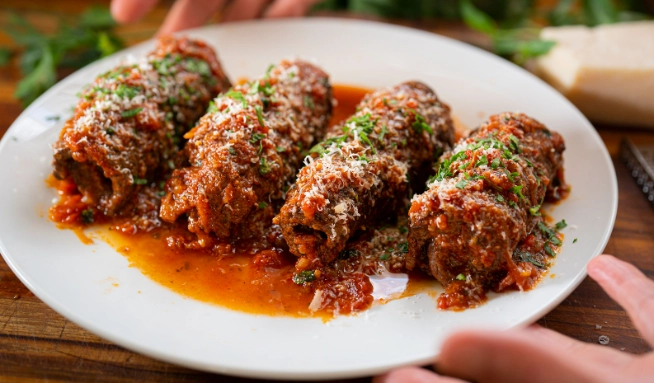
Mistake 1: Using the wrong cut of meat. Too fatty or too tender, and it falls apart. Too tough a cut, and it never gets tender. Stick with top round or flank.
Mistake 2: Overstuffing. It seems like a good idea to pack in more flavor. It's not. It creates pressure and the roll bursts. A moderate, even layer is key.
Mistake 3: Skipping the sear. That browning creates foundational flavor for the entire dish. Don't be impatient. Get a good, dark crust on the meat.
Mistake 4: Boiling the sauce. A raging boil will toughen the meat and make the sauce watery. A gentle, barely-there simmer is the only way.
Mistake 5: Cutting too soon. Let the braciole rest in the sauce after cooking. It makes slicing cleanly possible.
Braciole FAQ: Your Questions Answered
So there you have it. More than just a braciole italian recipe, it's a blueprint for a tradition. It takes time, attention, and a bit of love. But when you slice into that tender roll, see the perfect spiral, and taste the rich, complex sauce that's been brewing for hours, you'll know it was worth every minute. It's not just dinner. It's an experience. It's a taste of history. And now, you know how to make it right.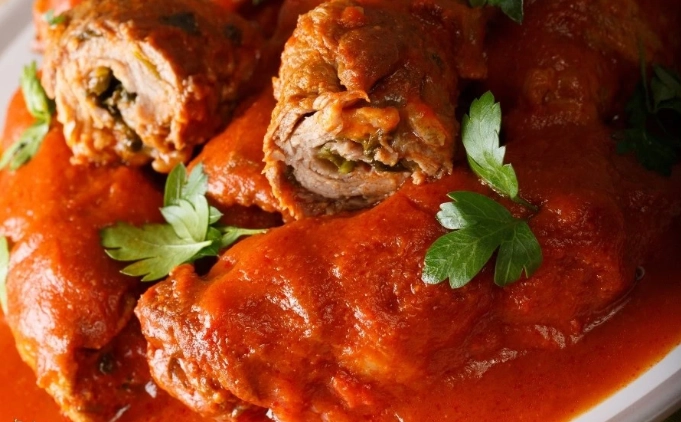
Give it a shot this weekend. Take your time. And don't forget to tie them up tight.
Related Articles
The Heart of Italy on Your Plate: Timeless Traditional Italian Recipes & Kitchen Wisdom

Ultimate Italian Sliders Recipe: Party-Perfect and Irresistible
Italian Salad Recipe: Authentic, Easy & Delicious Step-by-Step Guide

Sudden bad news! A-shares plunged, Hong Kong stocks fell more than 2%, and there
Best Italian Regional Recipes: Top 5 Dishes to Master at Home