Master the Classics: The Best Italian Recipes You Need to Know
In This Guide
- What Makes an Italian Recipe Truly "The Best"?
- The Essential Pantry: Your Foundation for Greatness
- The Hall of Fame: The Best Italian Recipes, Broken Down
- Your Quick-Reference Guide: Pasta & Sauce Pairings
- Techniques That Matter More Than Any Recipe
- Answering Your Italian Kitchen Dilemmas (FAQs)
- Bringing It All Home: Your First Week of Italian Cooking
Let's be honest. The internet is flooded with lists of "best Italian recipes." You click on one, and it's either a overly complicated restaurant-style dish with 20 ingredients you'll never use again, or it's so dumbed down it tastes nothing like the real deal. It's frustrating.
I remember my first trip to a tiny trattoria in Bologna. The simplicity of the food was a shock. A plate of tagliatelle al ragù that was pure comfort, not a fancy presentation. That's the heart of it. The best Italian recipes aren't about showing off. They're about celebrating a few incredible ingredients and treating them with respect.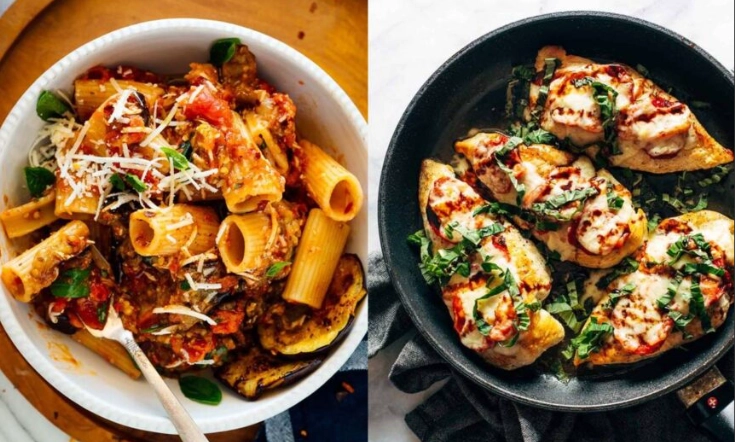
So, I'm not just throwing another list at you. This is a guide to understanding why these dishes are classics. We'll talk about the techniques that matter more than the brand of your pan, the common pitfalls (I've fallen into most of them), and how to actually get those authentic flavors at home. Forget the gimmicks. Let's get to the good stuff.
What Makes an Italian Recipe Truly "The Best"?
Before we dive into the pots and pans, let's clear something up. An authentic Italian recipe earns its status through a few key pillars, not just because it's tasty.
First, regional integrity. Italy's food is hyper-local. A true carbonara is Roman—no cream, no peas, no debate. A proper pesto is from Liguria, made with specific basil. The best recipes respect this geography.
Then there's ingredient quality over quantity. You can't hide poor tomatoes behind a mountain of oregano. The philosophy is often: one or two star ingredients, supported by a small cast. This is where most home cooks go wrong. They skimp on the olive oil or use pre-grated cheese that's coated in anti-caking agents (it won't melt properly!).
Finally, it's about technique and balance. It's knowing when to toast your pine nuts for pesto, how to achieve "al dente" pasta (hint: it's not just about timing), and understanding that a sauce should coat the pasta, not drown it. This balance is what separates good from great, and it's the secret behind those best Italian recipes that people crave.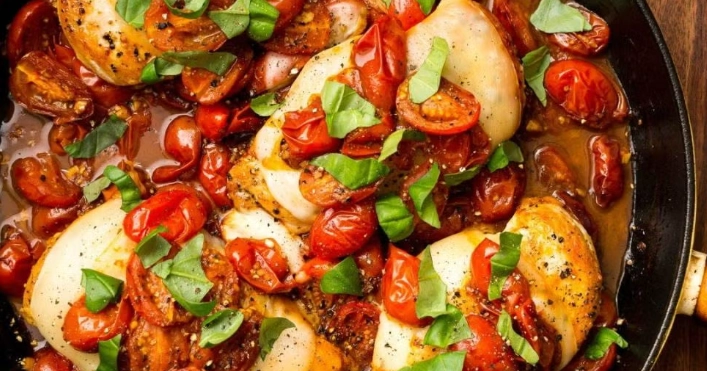
The Essential Pantry: Your Foundation for Greatness
You can't build a house without a foundation. Trying to cook authentic Italian food without the right staples is like trying to screw in a lightbulb with a hammer. Here’s what you absolutely need to stock.
The Non-Negotiables
- Extra Virgin Olive Oil (EVOO): This is your liquid gold. Don't cook with your expensive finishing oil, but do have a decent, fruity one for sautéing and a robust one for drizzling. The flavor it adds is irreplaceable.
- Canned Tomatoes: For 90% of the year, canned San Marzano tomatoes (look for "DOP" on the label) are better than fresh, out-of-season ones. They're consistently sweet and acidic. Cento and Bianco DiNapoli are great widely available brands. For a deeper dive into tomato varieties and DOP certification, the official Italian Ministry of Agricultural, Food and Forestry Policies website has resources on protected designations.
- Dried Pasta: Yes, fresh pasta is amazing, but dried pasta (pasta secca) made from durum wheat semolina is the workhorse. Its rough surface holds sauce beautifully. De Cecco, Rummo, and Garofalo are reliable.
- Parmigiano-Reggiano & Pecorino Romano: Not "parmesan" from a green can. Parmigiano-Reggiano (cow's milk, nutty) and Pecorino Romano (sheep's milk, salty, sharper) are specific, protected cheeses. Buy a block and grate it yourself. The difference in flavor and meltability is night and day.
The Flavor Builders
Garlic (fresh, please), good sea salt, whole black peppercorns (for grinding), dried oregano (for pizzas and some sauces), fresh basil (grow a pot!), and good-quality red wine vinegar or balsamic vinegar. Anchovies and capers might sound scary, but they're the secret umami bombs in many classic sauces, melting away to add depth, not fishiness.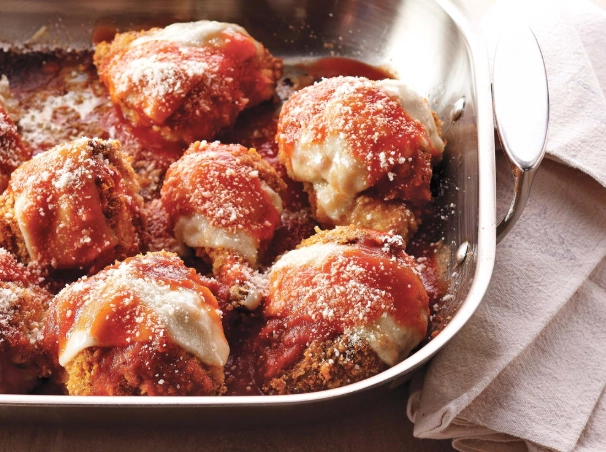
The Hall of Fame: The Best Italian Recipes, Broken Down
Alright, let's get to the main event. These are the dishes that have earned their place. I've grouped them to make sense, not just by course. Some are projects, some are 20-minute wonders.
The Pasta Pantheon
Pasta is the soul food. These are the best Italian recipes for pasta that everyone should know how to make.
Spaghetti alla Carbonara: The king of simple, rich pasta dishes. Eggs, cheese (Pecorino Romano and/or Parmigiano), guanciale (cured pork cheek), and black pepper. No cream. Ever. The trick is using the hot pasta to cook the egg mixture into a silky sauce, not scrambled eggs. It's a technique dish that rewards practice.
Tagliatelle al Ragù alla Bolognese: This is not your average "spaghetti meat sauce." It's a slow-cooked, wine-infused, milk-tenderized masterpiece from Bologna. It's about patience. The soffritto (finely chopped onion, carrot, celery) is the flavor base, and it simmers for hours. Serve it with a wide, flat pasta like tagliatelle to catch every bit. The Accademia della Cucina Italiana even deposited an official recipe with the Bologna Chamber of Commerce in 1982, which speaks to its seriousness.
Pesto alla Genovese: A vibrant sauce from Genoa. Fresh basil, pine nuts, garlic, Parmigiano, Pecorino, and olive oil, pounded or pulsed—not blended into a hot paste. The key is to not over-process it; it should have texture. Toss it with trofie or trenette pasta, and maybe some boiled potatoes and green beans for the full traditional experience.
Beyond Pasta: Main Events & Comfort Food
Risotto alla Milanese: The ultimate test of attention and patience. Arborio or Carnaroli rice, slowly coaxed to creaminess with hot broth, finished with saffron (giving it that iconic yellow color), butter, and cheese. You stand and stir. There's no way around it. But the creamy, al dente result is worth every minute. It's one of those best Italian recipes that teaches you about texture.
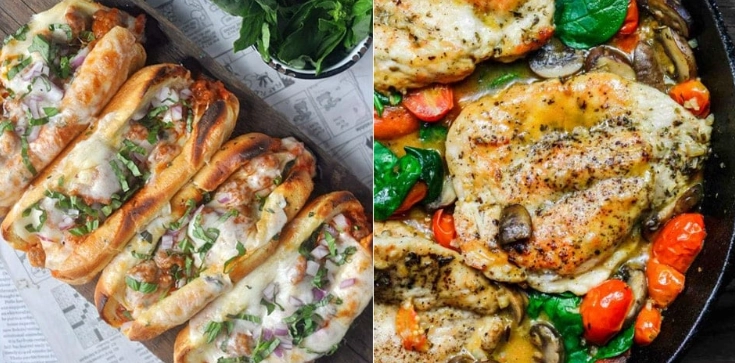
Chicken Cacciatore (Pollo alla Cacciatora): "Hunter's-style" chicken. This is rustic, one-pot comfort food. Chicken pieces braised with tomatoes, onions, garlic, herbs, and often wine, olives, or mushrooms. Every region has a version. It's forgiving, feeds a crowd, and tastes even better the next day.
Osso Buco alla Milanese: A luxurious, company-worthy dish. Cross-cut veal shanks braised until fall-apart tender with vegetables, white wine, and broth, traditionally garnished with a bright gremolata (lemon zest, garlic, parsley). The marrow in the bone is a prized treat. Serve it with that risotto alla Milanese for the ultimate Milanese feast.
The Art of Simplicity: Antipasti & Sides
Sometimes the best Italian recipes are the simplest. These are perfect for starting a meal or making a light lunch.
Bruschetta al Pomodoro: It's not just chopped tomato on toast. Grill or toast thick slices of rustic bread, rub them with a raw garlic clove while hot, drizzle with your best EVOO, then top with a mix of diced ripe tomatoes, fresh basil, a pinch of salt, and maybe a drop of vinegar. The garlic rub is non-negotiable.
Caprese Salad: The Italian flag on a plate. Sliced ripe tomatoes, fresh mozzarella (bufala if you can find it), fresh basil leaves, sea salt, and a generous drizzle of EVOO. The quality of each component is nakedly on display. If your tomatoes are bland, the whole dish fails.
Focaccia Genovese: A dimpled, olive oil-rich bread that's crisp on the outside, soft and airy inside. It's a great intro to bread baking. The long rise develops flavor, and pressing your fingers into the dough to create those classic dimples is oddly satisfying. You'll never buy the supermarket version again.
Your Quick-Reference Guide: Pasta & Sauce Pairings
One of the most common questions is "what sauce goes with what pasta?" It's not random. The shape is designed for the sauce. Here's a cheat sheet.
| Pasta Shape | Best Sauce Type | Why It Works | Classic Example |
|---|---|---|---|
| Long & Thin (Spaghetti, Linguine) | Olive oil-based, light tomato, seafood | Sauce lightly coats each strand. | Spaghetti alle Vongole (clams) |
| Long & Ribbon (Fettuccine, Tagliatelle, Pappardelle) | Rich, creamy, or meaty sauces | Wide surface area holds onto chunky sauces. | Fettuccine Alfredo, Pappardelle al Ragù |
| Short & Tubular (Penne, Rigatoni, Ziti) | Chunky vegetable, thick tomato, baked dishes | Sauce gets trapped inside the tubes and clings to ridges. | Penne all'Arrabbiata, Baked Ziti |
| Shapes & Shells (Farfalle, Conchiglie, Orecchiette) | Pesto, chunky vegetable, cream-based | Nooks and crannies capture small bits of sauce and ingredients. | Farfalle with Salmon & Cream, Orecchiette with Broccoli Rabe |
| Stuffed (Ravioli, Tortellini) | Simple butter, light cream, or delicate broths | The filling is the star; sauce should complement, not overwhelm. | Tortellini in Brodo (in broth), Ravioli with Sage Butter |
See? There's a method to the madness. Matching your pasta to your sauce is one of the easiest ways to instantly elevate your dish from "home-cooked" to "authentic."
Techniques That Matter More Than Any Recipe
You can have the exact recipe from a Michelin-starred chef in Naples, but if you don't know these techniques, the result will be off. These are the real secrets.
Soffritto: Not just "chopped veggies." It's onion, carrot, and celery diced very finely and sautéed slowly in olive oil until soft, sweet, and fragrant. This is the flavor foundation for countless soups, stews, and sauces. Rushing this step means missing out on a huge depth of flavor.
Pasta Cooking & Finishing: Use a large pot with plenty of salted water (it should taste like the sea). Don't add oil. Cook until al dente—it should have a slight bite. Now, the magic step: always reserve a cup of the starchy pasta water before draining. Finish cooking your pasta in the sauce for the last minute, adding splashes of that starchy water. It helps the sauce emulsify and cling to the pasta. This is the single biggest game-changer for home cooks.
The Mantecatura: That final off-heat beating of butter, cheese, or oil into a risotto or pasta dish to create a creamy, glossy emulsion. It's the finishing touch that transforms liquid into a luscious sauce.
Answering Your Italian Kitchen Dilemmas (FAQs)
I get emails and comments with the same questions all the time. Let's tackle them head-on.
Bringing It All Home: Your First Week of Italian Cooking
Feeling inspired but overwhelmed? Don't try to make osso buco on a Tuesday night after work. Start smart.
- Night 1 (The 20-Minute Hero): Spaghetti Aglio e Olio. It's just garlic, red pepper flakes, parsley, and olive oil. Master the technique of toasting the garlic without burning it. It's a lesson in attention.
- Night 2 (The Comfort Classic): A simple Marinara sauce. Practice your soffritto and simmer it for 45 minutes. Taste the difference time makes.
- Weekend Project (The Reward): Make fresh pasta. It's easier than you think with just flour and eggs. Roll it out and make fettuccine. Toss it with your marinara or a simple ragù you simmered for a couple of hours.
The goal isn't perfection on the first try. It's understanding. Maybe your carbonara scrambles a bit. Mine did too, the first three times. You'll learn the feel of the heat, the look of the emulsion.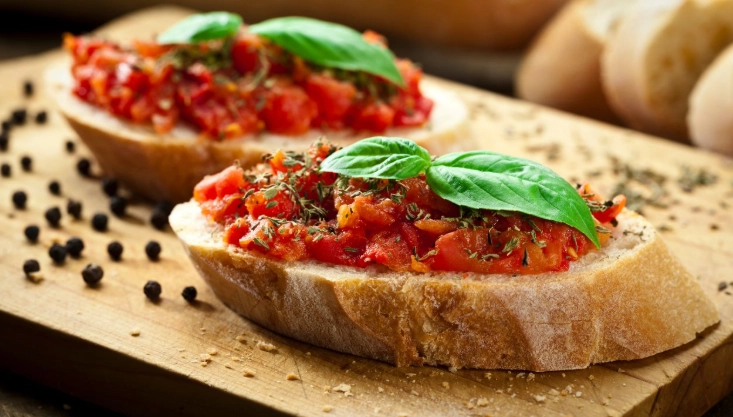
These best Italian recipes have survived for generations not because they're complex, but because they're fundamentally good. They're about sharing, about taking your time, about savoring. That's something you can bring to your table any night of the week. Start with one. Get it right. Then move to the next. Your kitchen will smell incredible, and you'll have found the real secret: the best Italian recipe is the one you make with care, and then share.
Now, go put that pot of water on to boil. You've got this.
Related Articles
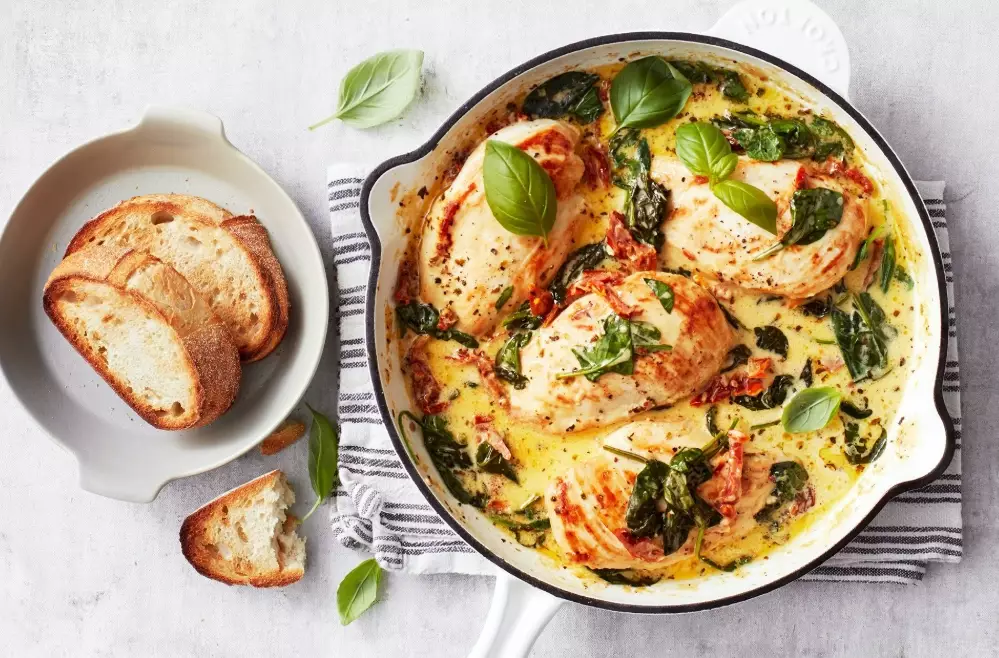
Authentic Italian Chicken Recipes: From Classic Pollo alla Cacciatora to Modern Favorites
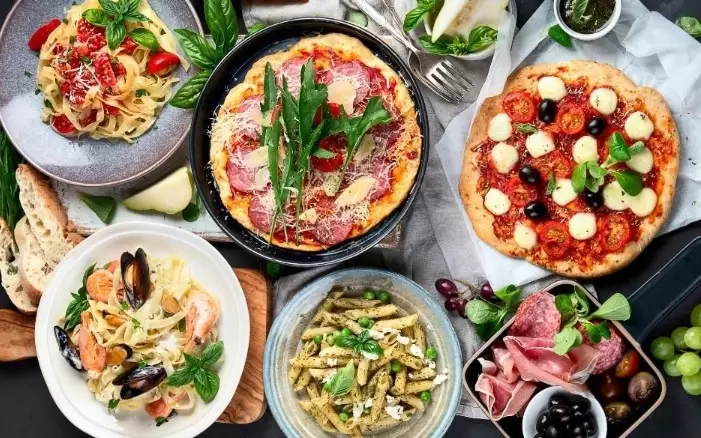
A Guide to Italy's Classic Dishes: Pasta, Pizza & More
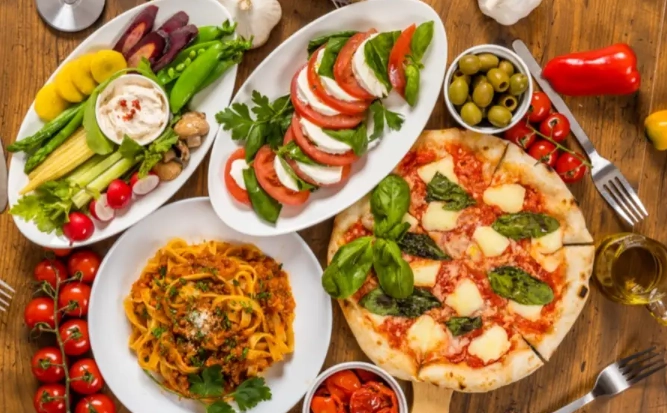
A Typical Italian Dinner at Home: The Real Menu & Traditions
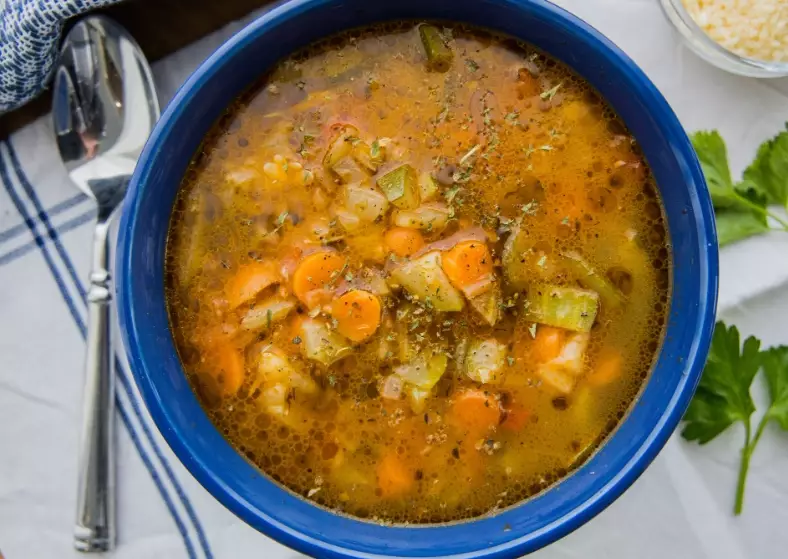
Easy Authentic Italian Minestrone Soup Recipe & Secrets

Authentic Italian Christmas Cookie Recipes to Bake at Home