Authentic Italian Minestrone Soup Recipe: A Hearty Classic
Quick Navigation
- The Soul of the Soup: Understanding What Makes Minestrone *Minestrone*
- Gathering Your Arsenal: The Minestrone Pantry
- The Step-by-Step: Building Your Minestrone, Layer by Layer
- Serving, Storing, and Making It Your Own
- Answering Your Minestrone Questions (The Stuff You Actually Google)
- The Real Takeaway: Embrace the Spirit
Let's be honest. You've probably had minestrone before. Maybe from a can, or at a chain restaurant where it tasted... fine. A bit bland, maybe. A bit mushy. But something made you search for an authentic Italian minestrone soup recipe. Maybe you had the real thing on a trip to Tuscany and have been chasing that flavor ever since. Or maybe you just know there has to be more to this famous soup than a tin of over-salted broth and soft vegetables.
You're right. There is.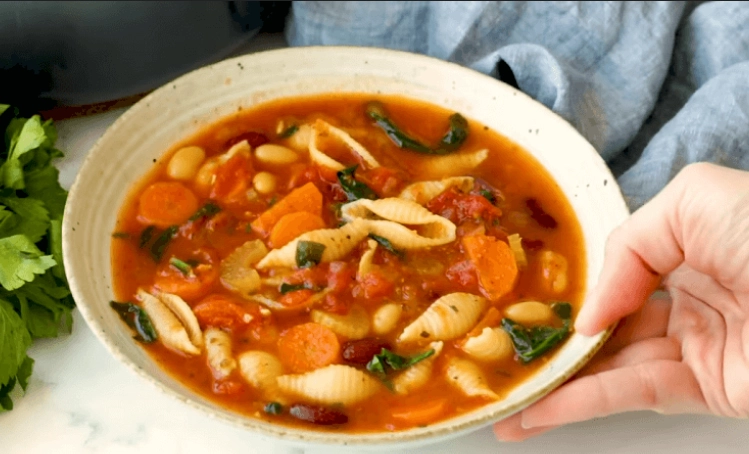
The minestrone I fell in love with wasn't in a fancy restaurant. It was in a cramped, steamy kitchen in a small town near Bologna, served by a nonna who waved away my questions about measurements. "A bit of this, a handful of that," she said. It was thick, almost stew-like, packed with distinct textures and a deep, savory flavor that came from patience, not from a stock cube. That's what we're after.
This isn't about a single, rigid formula. Minestrone, which comes from "minestra" meaning soup and the suffix "-one" meaning big, is a concept. It's a "big soup" designed to use what's seasonal and available. An authentic Italian minestrone soup recipe is a guide, a framework. It's forgiving. But it has rules. Let's break them down, not like a textbook, but like I'm walking you through my own kitchen.
The Soul of the Soup: Understanding What Makes Minestrone *Minestrone*
Before we chop a single carrot, we need to get our heads in the game. What separates a forgettable vegetable soup from a legendary minestrone?
First, it's a thick, hearty soup, often leaning into stew territory. You should need a spoon, not a straw. Second, it's built on a sofrito base—onion, carrot, and celery fried slowly in good olive oil. This is non-negotiable. It's the flavor foundation. Third, it contains both fresh vegetables and legumes (beans). The beans are crucial for heartiness and protein. Finally, it often includes a small pasta or rice, added towards the end so it doesn't turn the whole pot to glue.
But here's the secret most recipes don't shout about: the order of operations. You don't just dump everything in a pot. You build layers of flavor. That's the magic.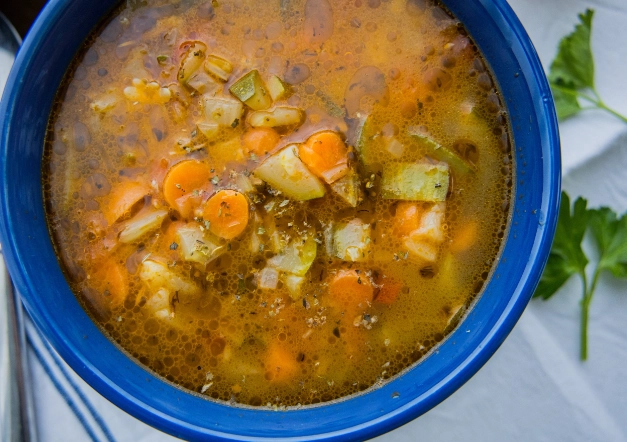
Gathering Your Arsenal: The Minestrone Pantry
Here’s where the flexibility shines. Think of this in two parts: The Absolute Must-Haves, and The Seasonal Swappers.
The Non-Negotiables (The Sofrito & The Heart)
- Olive Oil: Extra virgin. This is your primary cooking fat and a finishing flavor. Don't use vegetable oil. Just don't.
- Onion, Carrot, Celery (Soffritto): Finely chopped. This holy trinity is the start of half the great Italian dishes.
- Beans: Canned are perfectly fine for a weeknight. Cannellini (white kidney beans) or borlotti (cranberry beans) are classic. If you're using dried, you'll need to soak and cook them separately first—a bit more work, but the texture and flavor are superior. The Oldways Preservation Trust, which promotes traditional healthy diets, has great resources on using heritage beans.
- Tomato Paste (Concentrato) or Ripe Tomatoes: For body and a touch of acidity. Tomato paste, fried for a minute with the sofrito, gives a deeper, richer base. Fresh, ripe peeled plum tomatoes are lovely in summer.
- Stock: A good-quality vegetable or chicken stock. Low-sodium is best so you control the salt. Water can work in a pinch, but stock adds depth.
- Herbs: A bay leaf or two, and some fresh rosemary or thyme. Dried work if that's all you have.
- Parmigiano-Reggiano Rind: This is the ultimate insider trick. If you have a rind left from a piece of real Parmigiano, toss it in the soup while it simmers. It melts into the broth, adding an incredible umami, savory depth. Fish it out before serving.

The Seasonal Cast (Choose Your Players)
This is the fun part. An authentic Italian minestrone soup recipe changes with the calendar. The Italian Ministry of Agricultural, Food and Forestry Policies even has a great seasonal produce calendar that can inspire you. Here’s a quick guide:
| Season | Classic Vegetable Additions | Notes & Swaps |
|---|---|---|
| Spring | Fresh peas, fava beans, asparagus, spinach, leeks | Lighter, greener. Use fresh herbs like parsley generously at the end. |
| Summer | Zucchini, green beans, yellow squash, fresh tomatoes, basil | Bright and vibrant. Add delicate summer squash later in the cooking. |
| Autumn/Winter | Potatoes, pumpkin or butternut squash, kale, cabbage, celery root | Hearty and robust. Root vegetables can go in earlier to soften fully. |
See? No single list. You work with what looks good. The key is to add vegetables based on how long they take to cook. Hardy roots first, delicate greens last.
The Step-by-Step: Building Your Minestrone, Layer by Layer
Alright, let's cook. This isn't a race. Put on some music. Pour yourself a little wine. This process is therapeutic.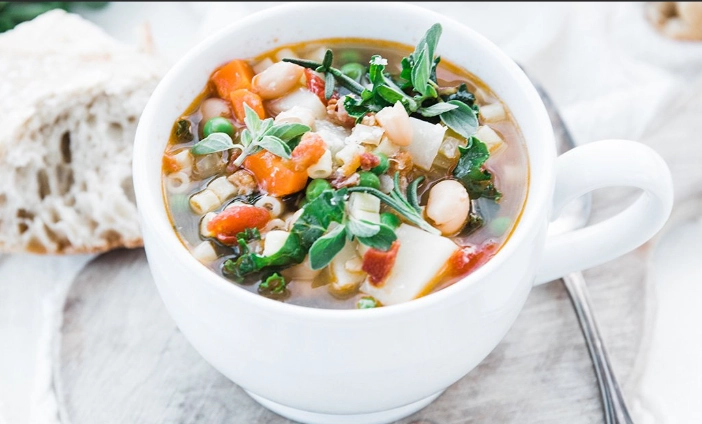
Stage 1: The Foundation (Soffritto)
In a large, heavy-bottomed pot (a Dutch oven is perfect), heat a generous glug of olive oil over medium-low heat. Add your finely chopped onion, carrot, and celery. Add a pinch of salt. Now, you sweat them. Don't brown them. You want them to become soft, translucent, and sweet. This takes a good 8-10 minutes, stirring occasionally. Rushing this step is the number one reason homemade soups lack depth.
Once they're soft, add a tablespoon or two of tomato paste. Stir it in and let it cook for another minute. It will darken slightly and smell amazing. This caramelizes the sugars in the paste, taking away any tinny taste.
Stage 2: Building the Body
Now, add your longer-cooking vegetables. If you're using potatoes, cubed pumpkin, or chopped cabbage, add them now. Stir to coat in the flavorful oil. Let them cook for about 5 minutes.
Pour in your stock. How much? Enough to cover the vegetables by about an inch. Toss in your bay leaf, any rosemary or thyme, and that precious Parmesan rind if you have it. Bring it to a gentle simmer, then reduce the heat to low, partially cover, and let it bubble away happily for about 15-20 minutes.
Stage 3: The Final Veggies & Beans
Time for the medium-cooking veggies. Add your green beans (trimmed and cut), zucchini, or celery. Also, drain and rinse your canned beans and add them now. If you're using fresh peas, hold those. Let this all simmer for another 10-15 minutes, until the newer vegetables are just tender.
Stage 4: The Finishing Touches (Pasta & Greens)
This is the home stretch. Taste the broth. Season with salt and black pepper. Remember, the Parmesan rind has added salt, so taste first.
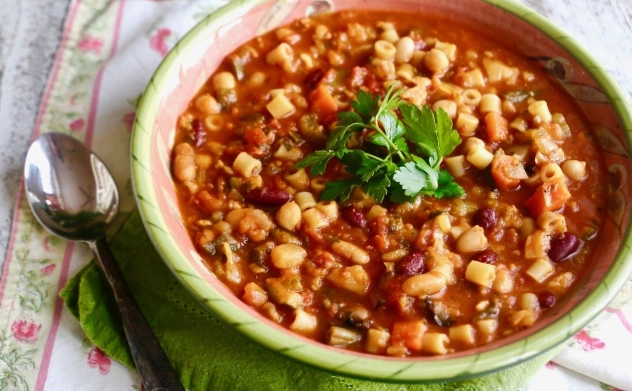
Now, add your small pasta (like ditalini, small shells, or elbow macaroni) or a handful of rice. The soup should be quite thick at this point, not watery. The pasta will absorb liquid. Cook according to the pasta package time, usually 8-10 minutes.
In the last 2-3 minutes, stir in any delicate greens (spinach, kale, chopped Swiss chard) and fresh peas. They just need to wilt.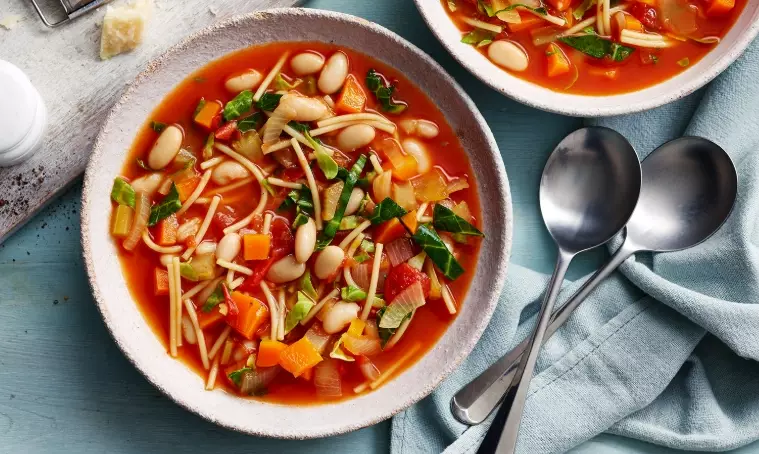
Turn off the heat. Fish out the bay leaf and the spent Parmesan rind (it will be soft). Stir in a big handful of freshly chopped parsley and a final generous drizzle of your best extra virgin olive oil. This last drizzle is not for cooking; it's for flavor and aroma. It makes a huge difference.
Serving, Storing, and Making It Your Own
Ladle the soup into deep bowls. Now, the mandatory garnish: a mountain of freshly grated Parmigiano-Reggiano cheese. Not the pre-grated stuff in a canister, please. Get a wedge and grate it yourself. The difference is night and day.
Some people like a drizzle of pesto on top, especially in summer. A piece of crusty bread for dipping is essential.
Leftovers? Even Better.
Minestrone is famously better the next day. The flavors continue to meld. Let it cool completely, then store it in the fridge for up to 4 days. Remember my pasta warning—if you've mixed it in, the texture will suffer. Reheat gently on the stove.
It freezes beautifully too (again, sans pasta). Portion it into containers and freeze for up to 3 months. The perfect instant meal.
Answering Your Minestrone Questions (The Stuff You Actually Google)
Let's tackle the common hiccups and curiosities.
The Real Takeaway: Embrace the Spirit
After all this, I hope the biggest thing you take away is confidence, not just a recipe. An authentic Italian minestrone soup recipe isn't about following instructions to the gram. It's about understanding a method. It's about tasting as you go. It's about looking in your fridge, seeing a lonely zucchini, a half-used bag of spinach, and a can of beans, and knowing you can create something wonderful.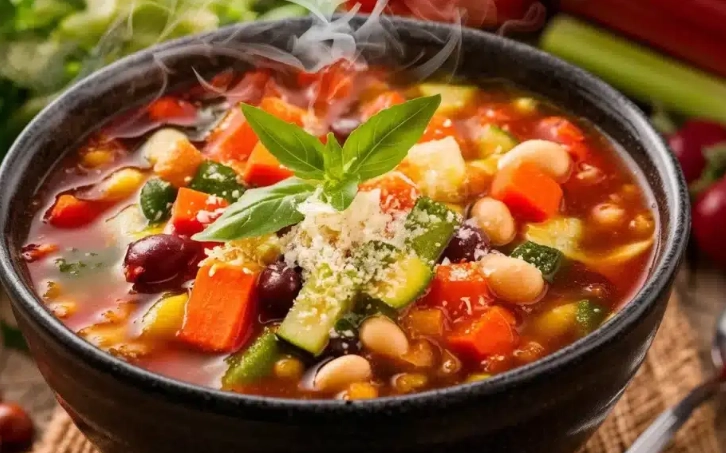
It's peasant food at its absolute finest—nutritious, economical, adaptable, and deeply satisfying. It's a hug in a bowl. It's the taste of resourcefulness and care.
So, go raid your vegetable drawer. Start with that soffritto. Be patient. And don't forget the Parmesan rind.
Related Articles

What is the Traditional Drink of Italy? The Definitive Guide
The Ultimate Guide to an Authentic Italian Christmas Dinner Menu
Italian Buttercream Recipe: How to Make Perfectly Smooth Frosting
Ultimate Vegetarian Pasta Recipes: Flavorful & Easy
Authentic Italian Spaghetti Sauce Recipe (Ragù alla Bolognese)