Authentic Italian Pasta e Fagioli Recipe: A Hearty Classic
In This Article
You know that feeling when you want something comforting, filling, but also somehow wholesome? Something that feels like a hug from the inside? For me, that's almost always a big bowl of Pasta e Fagioli. It's not fancy. It won't win any beauty contests on a plate. But what it lacks in looks, it more than makes up for in soul-satisfying flavor. I remember the first time I had a truly authentic version in a little trattoria just outside of Rome. It was nothing like the overly red, tomato-heavy soups I'd had before. It was brothy, beany, with just the right amount of pasta, and it tasted deeply of rosemary and good olive oil. I was hooked. I spent years trying to recreate it at home, bugging Italian friends for their nonna's tips, and honestly, failing a few times along the way. My early attempts were either too watery or turned into a starchy brick. Not good.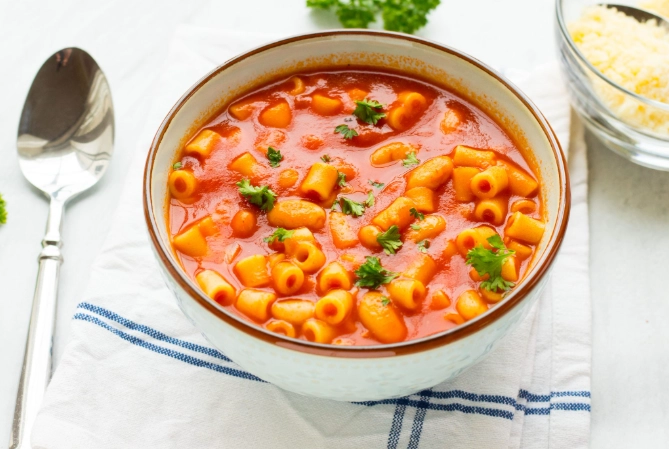
But that's the beauty of a dish like this italian pasta fagioli recipe. It's forgiving. It teaches you. And once you get the basics down, you have a blueprint for a lifetime of cozy meals. So, let's ditch the complicated stuff and get to the heart of how to make a real, traditional pasta fagioli.
What You'll Need: The Soul of the Soup
Before we even turn on the stove, let's talk ingredients. This isn't a dish where you can throw in whatever's in the fridge and hope for the best. A few key players make all the difference between a good soup and a great one. I'll be honest, I've tried shortcuts, and they always leave the flavor a bit flat.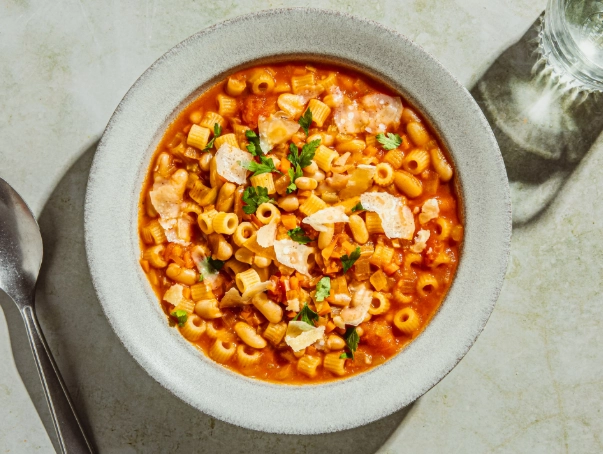
First, the beans. This is the "fagioli" part, so it matters. For the most authentic italian pasta fagioli recipe, you want dried beans. Cannellini beans are the classic—creamy and mild. Borlotti beans (also called cranberry beans) are another fantastic choice, giving a slightly nuttier flavor and a beautiful pink-speckled broth. Yes, soaking them overnight is a pain. I get it. Using canned beans is a totally acceptable shortcut for a weeknight, and I do it often. But if you have the time, cooking dried beans from scratch in a light broth with a bay leaf and a garlic clove? That's the secret level. The starchy bean cooking water itself becomes a key ingredient, thickening the soup naturally.
Next, the pasta. Small shapes are your friend. Ditalini is the undisputed champion for a reason—its little tube shape catches the broth and beans perfectly. Other good options are small shells (conchigliette), elbow macaroni, or even broken-up spaghetti (which is very traditional in some homes). The key is to cook it in the soup, not separately. This lets the pasta release its starch, which further thickens and enriches the broth. It's a fundamental step in any authentic pasta e fagioli recipe.
The flavor base, or "soffritto," is non-negotiable. We're talking a gentle sauté of onion, carrot, and celery. Finely diced, cooked slowly in good olive oil until soft and sweet, not browned. This is the foundation. Then you build on it with garlic, and the herb king of this dish: rosemary. A single sprig, fried briefly in the oil, perfumes the entire pot. Some people add a bit of tomato. Here's where opinions get fierce. In central Italy, a tablespoon or two of tomato paste or a small can of diced tomatoes is common. In the north, they might skip it entirely for a "white" version (pasta e fagioli in bianco). I like a middle ground—just enough tomato paste to add depth and a hint of sweetness, not enough to turn the soup red.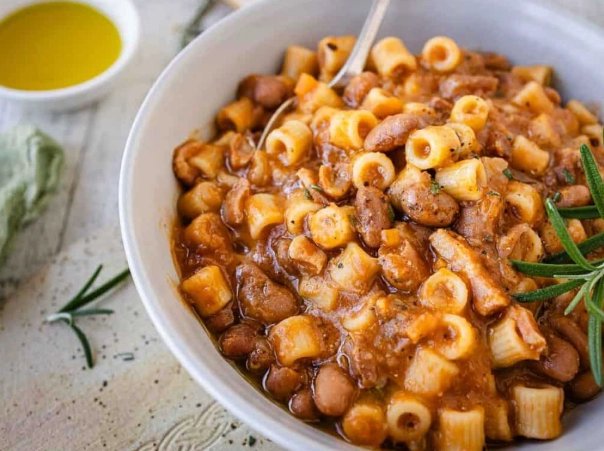
And finally, the liquid. Water is fine, honest. But a light chicken or vegetable stock adds another layer. If you're using the liquid from cooking your own beans, you're already winning.
| Ingredient | The Classic Choice (Authentic) | My Go-To Substitute (Practical) | Why It Works (or Doesn't) |
|---|---|---|---|
| Beans | Dried Cannellini or Borlotti beans, soaked overnight. | 2-3 cans of cannellini beans, liquid reserved. | Canned beans save 2+ hours. The reserved liquid is crucial for texture. |
| Pasta | Ditalini | Small shells, elbows, orzo. | Any small shape that cooks evenly and holds broth. Avoid long pasta. |
| Fat | Extra Virgin Olive Oil + Pancetta (cubed) | Extra Virgin Olive Oil only. | Pancetta adds a salty, meaty depth. Skipping it makes a great vegetarian version. |
| Herb | Fresh Rosemary Sprig | 1 tsp dried rosemary (crushed) OR fresh thyme. | Fresh rosemary is ideal. Dried can be bitter if not crushed finely. Thyme is a gentler alternative. |
| Tomato Element | 1-2 tbsp Tomato Paste | 1/2 cup canned diced tomatoes, blended. | Paste gives depth without acidity. Diced tomatoes add texture and a brighter note. |
How to Make Authentic Pasta e Fagioli: A Step-by-Step Journey
Okay, ingredients are assembled. Now, the magic happens in the pot. This isn't a rush job. It's a slow build of flavors. If you're starting with dried beans, you've already done the first step—soaking and simmering them until tender. Keep that bean broth! If using canned, just have them drained and ready, liquid in a separate bowl.
Start with a large, heavy-bottomed pot or Dutch oven over medium-low heat. Add a good glug of extra virgin olive oil—maybe 3-4 tablespoons. If you're using pancetta or guanciale (a real treat), add a small diced handful now and let it render its fat and get a little crispy. That fat will flavor the entire dish.
Now, your soffritto. Add one finely chopped onion, one carrot, and one celery stalk (all diced about the same size). A pinch of salt here helps them sweat. Cook them slowly, stirring now and then, for a good 10-15 minutes. You want them soft and translucent, with no color. This patience is what separates a home cook from a nonna. Once they're soft, push them to the side, add another tablespoon of oil, and toss in 2-3 minced garlic cloves and that sprig of rosemary. Let the garlic sizzle for just 30 seconds until fragrant—burned garlic is the enemy.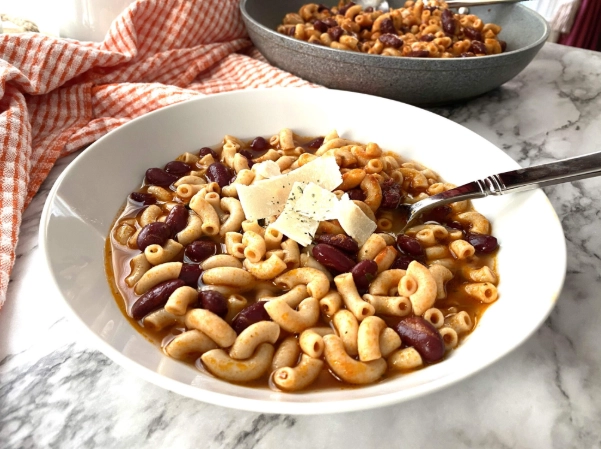
Stir everything together. Now, add your tomato element. If using paste, let it cook for a minute in the oil to "toast" and sweeten. If using diced tomatoes, let them bubble for a few minutes to break down. This is where the color deepens.
Time for the beans. If you cooked them, add them with most of their broth. If using canned, add the beans and about 2 cups of their reserved liquid, plus 4-5 cups of water or stock. You want the liquid to look generous, as the pasta will absorb a lot. Bring it all to a gentle simmer. Season with salt and black pepper now, but go easy on the salt if your stock or pancetta is salty.
Let this simmer, partially covered, for at least 20-30 minutes. This is the flavor-melding stage. Some people take an immersion blender and pulse it a few times right in the pot to break up some of the beans, creating a creamy, thick base with whole beans still present. I highly recommend this for texture. It's the secret to that perfect, not-too-brothy, not-too-thick consistency of a great traditional Italian bean soup.
Now, taste. Adjust salt and pepper. Is it brothy enough? Remember, the pasta will thicken it. Bring the soup to a lively simmer and add your dried pasta. Stir immediately to prevent sticking. Cook according to the package time, but start tasting a minute or two early. You want the pasta al dente—it will continue to soften in the hot soup after you turn off the heat.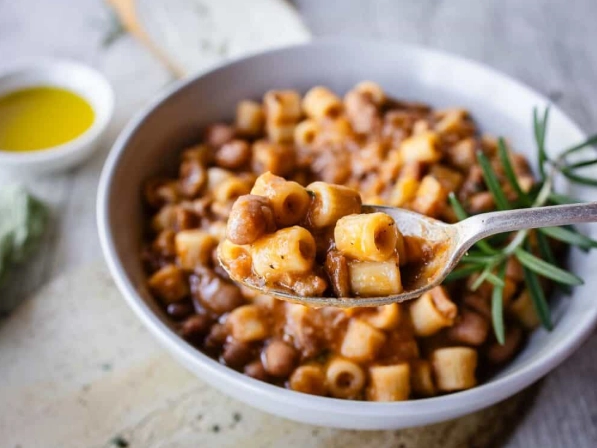
The Final Flourish: Serving & Storing
The moment of truth. Turn off the heat. Let the soup sit for 5 minutes—it will thicken slightly. Ladle it into deep bowls. This is non-negotiable: finish each bowl with a fresh drizzle of your best extra virgin olive oil and a generous grating of Pecorino Romano or Parmigiano-Reggiano cheese. The oil adds fruitiness, the cheese adds a salty, umami punch. Some black pepper on top. Maybe a little chopped fresh parsley if you have it.
Now, the leftovers. Pasta e fagioli is famously better the next day, but there's a catch. The pasta will have absorbed almost all the liquid, turning the soup into a thick, almost stew-like consistency. Some people love it this way. If you want it soupier, just add a splash of water or broth when you reheat it. Me, I often cook the pasta separately if I know I'm making a big batch for meal prep. I store the bean soup and the cooked pasta apart, combining them when I reheat. It's a bit more work upfront, but it keeps the texture perfect every time.
Common Questions (& My Honest Answers)
Can I use a different type of bean?
Absolutely. Cannellini and borlotti are classic, but great northern beans or even navy beans work well. I'd avoid kidney beans—their texture and flavor are a bit too distinct for this delicate soup. Chickpeas? That's a different dish altogether (pasta e ceci), but also delicious.
My soup is too thick! Help!
Easy fix. Just add more warm water, broth, or that reserved bean liquid until it reaches your preferred consistency. Remember, it will always thicken as it sits, so err on the side of slightly too thin when you finish cooking.
My soup is too thin!
You have a few options. Mash some of the beans against the side of the pot with a spoon. Or, mix a tablespoon of tomato paste with a ladleful of the hot soup, whisk until smooth, and stir it back in. The best preventative measure is that partial blend I mentioned earlier.
Can I make this vegetarian or vegan?
Easily. For a vegetarian pasta fagioli, just skip the pancetta and use vegetable stock. The flavor from the soffritto, herbs, and cheese at the end is more than enough. For vegan, do the above and skip the cheese garnish, or use a vegan alternative. A drizzle of garlic-infused olive oil at the end is amazing.
What's the difference between Pasta e Fagioli and Minestrone?
Great question. Minestrone is a vegetable soup that may contain beans and pasta. Pasta e Fagioli is a bean and pasta soup that may contain a few vegetables (the soffritto). The focus is completely different. Pasta e Fagioli is about the beans and pasta partnership; minestrone is about a bounty of seasonal veggies.
A Note on Regional Variations
Ask ten Italians for their pasta e fagioli recipe, you'll get eleven answers. That's the charm. In Tuscany, they might forgo tomato entirely for the "in bianco" version, focusing on the purity of bean flavor, often with a lot of black pepper. In Veneto, they might use a bit of rice instead of, or alongside, the pasta. In some southern versions, you'll find more tomato and a touch of chili flake for heat. The version I've outlined here is a pretty classic central Italian take, influenced by Roman and Tuscan styles. It's a fantastic blueprint. Once you master it, feel free to explore. Add a pinch of chili flake with the garlic. Swap rosemary for sage. Use a mix of beans. The dish, at its heart, is about resourcefulness and comfort. The Accademia Italiana della Cucina, an institution dedicated to preserving Italian culinary heritage, documents these regional differences, showing how a simple dish reflects local geography and history.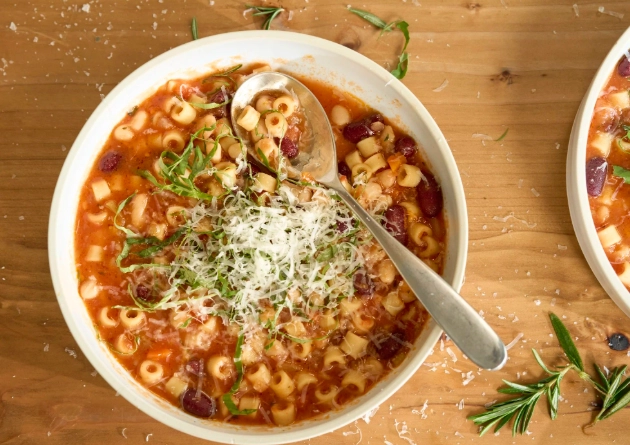
For instance, the choice of bean often came down to what grew well locally. The use of tomato paste versus fresh tomatoes often correlated with poverty and preservation—tomato paste was a way to add flavor and nutrients year-round. Understanding this context, which you can read more about in resources from the Italian Academy Foundation, makes cooking the dish feel even more connected to tradition.
Final Thoughts
So there you have it. My no-nonsense, tried-and-true, fall-apart-on-the-couch-with-a-bowl-of-it italian pasta fagioli recipe. It's not about perfection. It's about building layers of humble, good ingredients into something greater than the sum of its parts. It's about the smell of rosemary hitting warm olive oil, the sound of a simmer, and the quiet satisfaction of a meal made with care.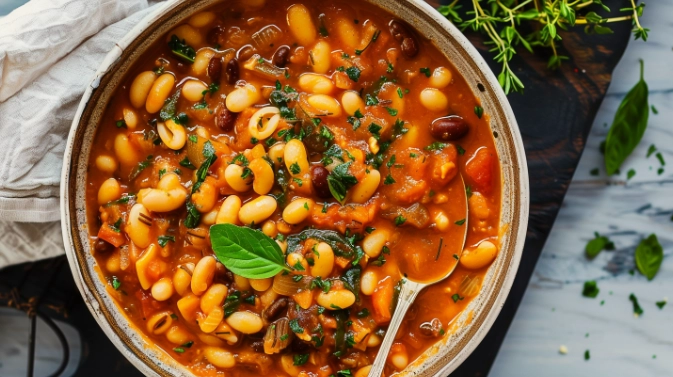
Will it be exactly like the one in that little trattoria outside Rome? Maybe not. But it will be yours. And it will be delicious. Give it a try this weekend. Make a big pot. Share it. And don't forget the good olive oil at the end.
Related Articles
Top 10 Italian Dishes You Must Try: Authentic Flavors Explained
Italian Pasta e Fagioli Soup Recipe: Authentic & Easy

What is the Traditional Drink of Italy? The Definitive Guide

Sudden bad news! A-shares plunged, Hong Kong stocks fell more than 2%, and there
Healthy Italian Vegetarian Recipes: Flavorful Main Dishes Made Easy