Ultimate Guide to Classic Italian Dessert Recipes from Tiramisu to Cannoli
Quick Guide to Italian Desserts
- The Classics You Absolutely Need to Know (And Master)
- Beyond the Classics: Regional Gems Worth Discovering
- Your Italian Desserts Recipe Roadmap: Choosing Your Project
- The Non-Negotiables: Ingredients That Make or Break Your Italian Desserts
- Answering Your Burning Questions (The FAQ)
- A Few Parting Thoughts Before You Start Baking
Let's be honest. When you think of Italian food, your mind probably jumps to pizza and pasta first. But let me tell you, you're missing half the story—the best half, if you ask me. The world of Italian desserts is a universe of its own, full of flavors that tell stories of regions, traditions, and generations of nonnas (grandmothers) perfecting their craft in home kitchens. I remember the first time I had a real, homemade Tiramisu in a tiny trattoria in Rome. It wasn't just a dessert; it was a revelation. The bitterness of the coffee, the sweetness of the mascarpone, the kick of the alcohol... it was balanced, elegant, and utterly unforgettable. That experience sent me down a rabbit hole of trying to recreate these wonders at home.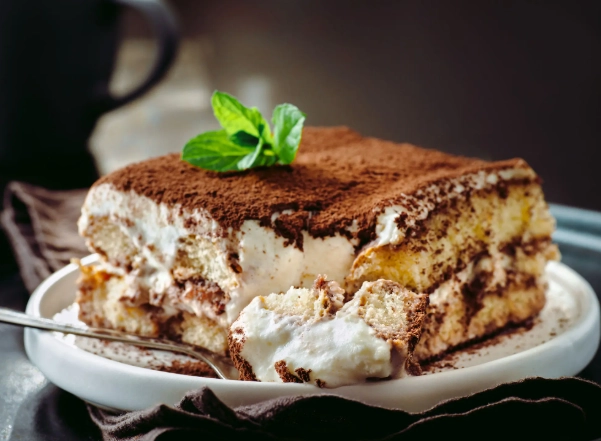
And that's what this is all about. Whether you're a baking newbie or a seasoned pro, this guide is your ticket to bringing the authentic taste of Italy to your kitchen. We're going beyond just listing Italian desserts recipes. We're digging into the why and the how—the little secrets that turn a good dessert into a great one. Forget the complicated, fussy versions you sometimes see. Real Italian home cooking, especially for desserts, is often about simplicity and quality ingredients. So, grab your apron, and let's get started.
Ready to ditch the store-bought versions for good?
The Classics You Absolutely Need to Know (And Master)
Some Italian desserts recipes have become global superstars for a reason. They're iconic. But with fame comes a lot of bad imitations. Here, we'll set the record straight on how to make them properly. I've made all the mistakes so you don't have to.
Tiramisu: The "Pick-Me-Up" Legend
Let's start with the queen. The name "Tiramisu" literally means "pick me up" or "cheer me up," and it absolutely lives up to its name. Originating from the Veneto region (though there's a friendly feud with Friuli-Venezia Giulia about its true birthplace), its beauty lies in its layers.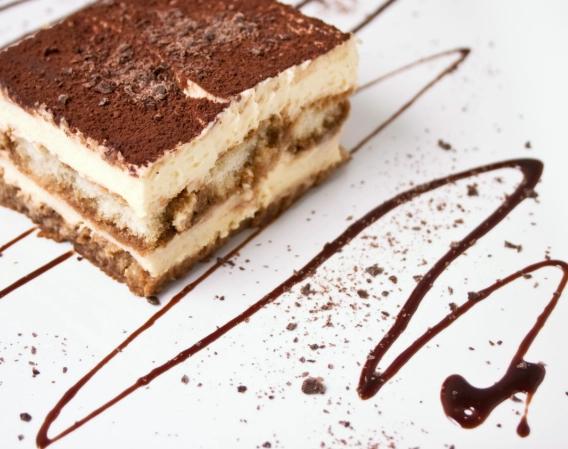
The Authentic Tiramisu Recipe (No Raw Eggs Version)
I know, some purists insist on raw egg yolks. But for safety and peace of mind (especially if serving kids, pregnant women, or anyone immunocompromised), this cooked zabaglione-style base is the way to go. It's just as creamy and rich, I promise.
What You'll Need:
- For the Cream: 4 large egg yolks, 100g (1/2 cup) granulated sugar, 1 teaspoon vanilla extract, 500g (about 17.5 oz) high-quality mascarpone cheese (full-fat, please!), 300ml (1 1/4 cups) heavy whipping cream.
- For the Soak: 350ml (1 1/2 cups) very strong espresso, cooled completely. 3-4 tablespoons of a good dark rum, Marsala wine, or coffee liqueur (optional, but traditional).
- The Base: About 24-30 Savoiardi ladyfinger cookies (the dry, crunchy kind, not the soft sponge cake ones). Unsweetened cocoa powder for dusting.
How to Make It:
- First, make the zabaglione. Whisk the egg yolks and sugar in a heatproof bowl set over a pot of gently simmering water (double boiler). Whisk constantly for 8-10 minutes until the mixture is pale, thick, and hot to the touch. It should ribbon off the whisk. Remove from heat, whisk in the vanilla, and let it cool to room temperature. This step cooks the eggs safely and creates an incredible base.
- In a separate bowl, beat the mascarpone with a spatula just until smooth and creamy. Don't overbeat it, or it can split. Gently fold the cooled egg mixture into the mascarpone until just combined.
- In another bowl, whip the heavy cream to stiff peaks. Now, gently fold the whipped cream into the mascarpone mixture. Be gentle! You want to keep all that air in. This is your glorious cream.
- Mix the cooled espresso with your chosen alcohol (if using) in a shallow dish. Quickly dip each ladyfinger in the coffee—just a second or two per side. You want them moistened but not soggy and falling apart. This is the most common mistake! A quick dip is key.
- Arrange a layer of dipped ladyfingers in the bottom of your dish (a 9x13 inch or similar). Spread half the cream over them. Add another layer of dipped cookies, then the rest of the cream.
- Cover with plastic wrap and refrigerate for at least 6 hours, but ideally overnight. This is non-negotiable. The flavors need to meld, and the cookies need to soften into cake-like layers.
- Right before serving, dust the top generously with cocoa powder using a fine-mesh sieve.
Panna Cotta: The Silky Simple Wonder
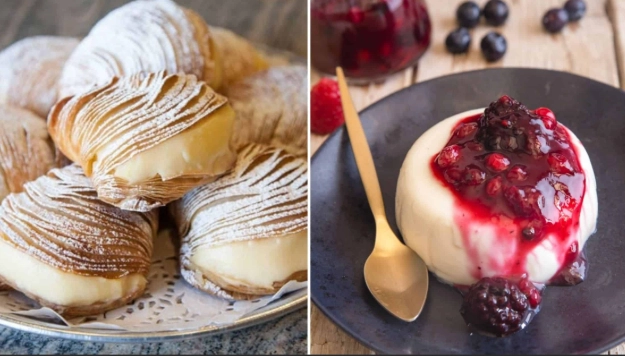
If Tiramisu is the showstopper, Panna Cotta ("cooked cream") from Piedmont is the elegant, quiet star. It's deceptively simple—just cream, sugar, and gelatin—but the texture is everything. It should be silky, wobbly, and melt in your mouth.
The secret? Don't let it boil, and get the gelatin ratio right. Too little, and it's soup. Too much, and it's a rubbery hockey puck. For every 500ml (2 cups) of cream, I use about 2 teaspoons of powdered gelatin (bloomed in 3-4 tablespoons of cold water first). Gently heat the cream with sugar and a vanilla bean (scraped) or pure extract until the sugar dissolves and it's just steaming. Off the heat, stir in the bloomed gelatin until fully dissolved. Strain, pour into molds, and chill for 4+ hours.
Cannoli: The Crispy Sicilian Treasure
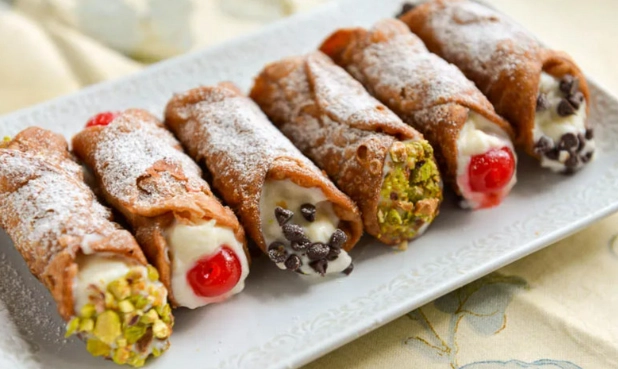
Cannoli are a project, I won't lie. But a rewarding one. The shell is the real challenge—it must be shatteringly crisp. The filling is sweetened ricotta, often with chocolate chips or candied fruit.
For the shells, you need a pasta roller or a lot of patience to roll the dough paper-thin. The dough is a simple mix of flour, sugar, butter, wine (usually Marsala), and a touch of vinegar. You wrap it around metal tubes and fry until golden. Let them cool completely before filling.
The filling? Drain your ricotta really well, even overnight in the fridge. Beat it with powdered sugar, a pinch of cinnamon, and vanilla until smooth. Fold in mini chocolate chips. Fill the shells only when you're ready to serve, or they get soggy. Dip the ends in chopped pistachios for the classic look.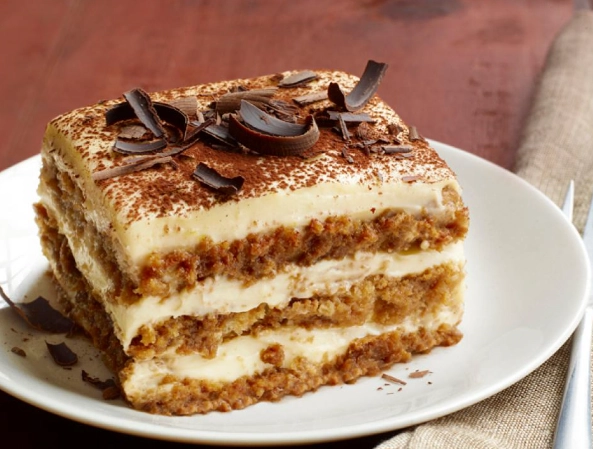
Beyond the Classics: Regional Gems Worth Discovering
Italy's regions are like different countries when it comes to food. The desserts are no exception. Exploring regional Italian desserts recipes opens up a whole new world.
- Torta della Nonna (Grandmother's Cake) from Tuscany: A simple pine nut and custard tart. A sweet shortcrust pastry filled with a rich pastry cream, topped with more pine nuts and powdered sugar. It's humble, comforting, and utterly delicious.
- Sfogliatella from Campania (Naples): A legendary pastry. The "Riccia" (curly) version has hundreds of paper-thin, crispy layers that look like a seashell. The filling is a sweet ricotta semolina mixture with citrus and cinnamon. It's a technical marvel best bought from a master pastry shop, but attempting it is a baker's rite of passage.
- Panforte di Siena from Tuscany: A dense, chewy fruit and nut cake from Siena, spiced with cinnamon, coriander, and cloves. It's more of a confection than a cake, really. It keeps for ages and is a classic Christmas treat. You can find a detailed historical breakdown and traditional recipe on the official website for the Tuscan Tourism Board, which often highlights regional culinary heritage.
See what I mean? Every corner of Italy has a sweet secret.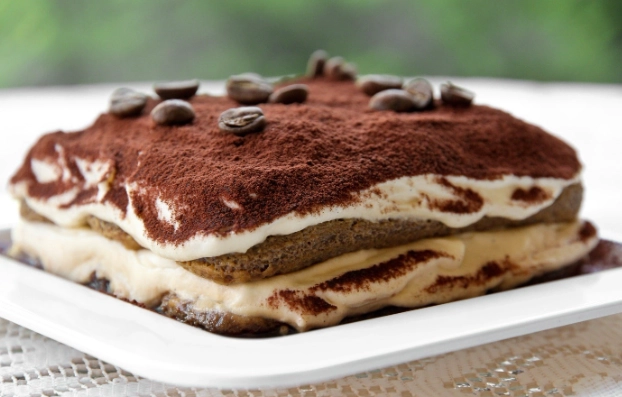
Your Italian Desserts Recipe Roadmap: Choosing Your Project
Not all Italian desserts recipes are created equal in terms of difficulty and time. Here's a quick guide to help you pick your next baking adventure based on your mood and skill level.
| Dessert | Difficulty Level | Active Prep Time | Key Skill Needed | Best For... |
|---|---|---|---|---|
| Panna Cotta | Very Easy | 15 mins | Patience (for chilling) | Dinner parties, beginners, hot days |
| Tiramisu | Easy | 30 mins | Gentle folding | Crowd-pleasing, make-ahead desserts |
| Torta della Nonna | Medium | 45 mins | Making pastry cream & crust | Afternoon tea, family gatherings |
| Cannoli | Challenging | 90+ mins | Dough rolling & frying | Special occasions, baking challenges |
| Sfogliatella | Expert | Several hours | Laminated dough mastery | Ultimate pastry projects |
The Non-Negotiables: Ingredients That Make or Break Your Italian Desserts
You can follow a recipe to the letter, but if your ingredients aren't right, the result won't be either. This is especially true for simple recipes where every component shines.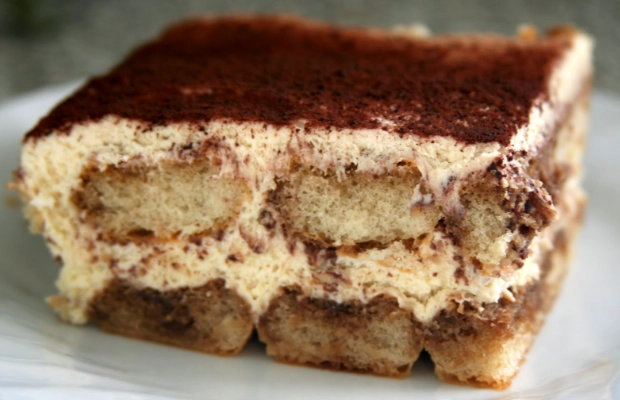
- Mascarpone: For Tiramisu and many other creams. Get the full-fat, Italian kind. The cheap, watery substitutes won't whip properly and lack flavor. It should be thick, spreadable, and mildly sweet-tangy.
- Ricotta: For cannoli and cheesecakes. Look for whole-milk ricotta, preferably from an Italian deli or a good brand. Drain it in a fine-mesh strainer or cheesecloth for a few hours to remove excess moisture. A grainy, wet ricotta ruins the filling texture.
- Espresso: For Tiramisu and coffee-flavored desserts. Use real, strong espresso or very strong brewed coffee from dark roast beans. Instant coffee granules dissolved in hot water can work in a pinch, but the flavor is flat. The Specialty Coffee Association has great resources on brewing techniques that can elevate your dessert game.
- Flour "00": For pastries and some cakes. This super-fine Italian flour ("doppio zero") gives a tender, delicate crumb. For cannoli shells or pasta frolla (shortcrust), it makes a noticeable difference. All-purpose works, but 00 is better.
- Citrus: Always use fresh lemon and orange zest. The bottled stuff tastes like perfume. A microplane grater is your best friend here.
Answering Your Burning Questions (The FAQ)
A Few Parting Thoughts Before You Start Baking
Diving into Italian desserts recipes is more than just following instructions. It's about embracing a slower, more intentional way of cooking. It's about tasting as you go, feeling the texture of the dough, and understanding that often, less is more.
Don't get discouraged if your first cannoli shell isn't perfect or your panna cotta wobbles a bit too much. My early attempts were far from Instagram-worthy. But they tasted good, made with real ingredients and effort. That's what Italian home cooking is about—heart and flavor over flawless appearance.
Start with one recipe that calls to you. Master it. Understand its rhythms. Then move on to the next. Before you know it, you'll have a repertoire of stunning, authentic Italian desserts recipes that will impress your friends and, more importantly, bring a little bit of la dolce vita—the sweet life—to your own table.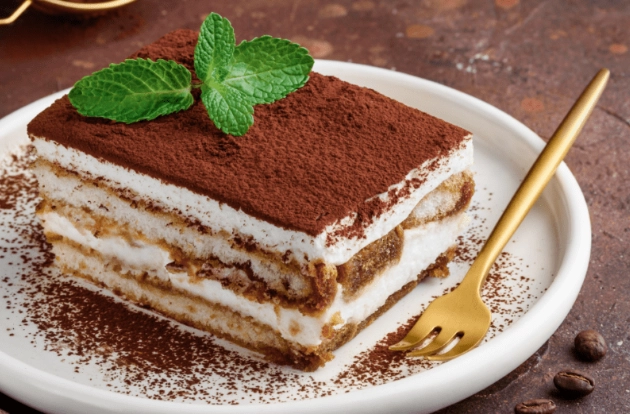
Now, go preheat your oven, or chill your bowls, and get cooking. Your journey into the sweet heart of Italy starts now.
Related Articles
Authentic Italian Cookie Recipes: From Biscotti to Amaretti

Top 10 Italian Cocktails: From Negroni to Spritz & Beyond
Authentic Carbonara Recipe: Traditional Italian Pasta Without Cream
Zesty Italian Dressing Recipe: Easy Homemade Guide
What Cut of Meat Makes Authentic Italian Beef? The Ultimate Guide