Authentic Italian Bruschetta Recipe: The Only Guide You'll Ever Need
Quick Guide
- What Bruschetta Actually Is (Hint: It's Not Just the Topping)
- Deconstructing the Ultimate Italian Bruschetta Recipe
- The Step-by-Step, No-Fail Classic Italian Bruschetta Recipe
- Beyond the Classic: Bruschetta's Wonderful World
- The Top 5 Mistakes That Ruin Bruschetta (And How to Fix Them)
- Your Bruschetta Questions, Answered
- Final Thoughts: It's About the Spirit, Not Just the Recipe
Let's be honest. The first time I tried to make bruschetta, it was a soggy mess. I used sandwich bread, out-of-season tomatoes, and drowned the whole thing in balsamic glaze from a bottle. It tasted... fine. But it wasn't right. It wasn't the crackling, bursting-with-flavor bite I remembered from a little trattoria in Rome. That experience sent me down a rabbit hole, talking to Italian friends, bothering chefs, and making more toast than any reasonable person should. What I found is that a truly great Italian bruschetta recipe isn't just a list of ingredients. It's a philosophy. It's about respecting a few, simple things. And once you get it, you'll never go back.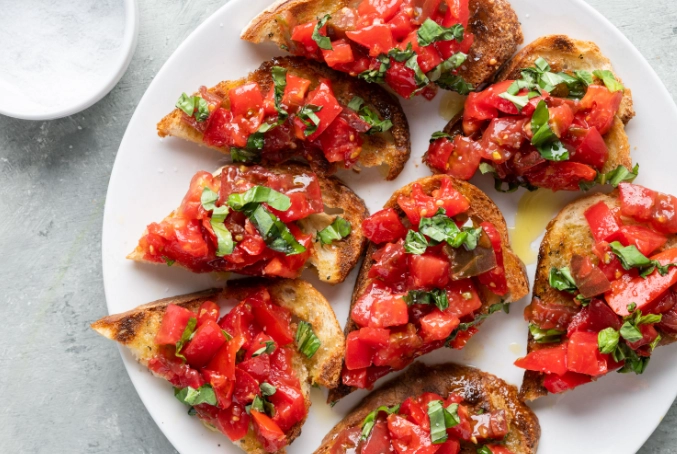
This guide is everything I wish I'd known. We're going beyond just "mix tomatoes and basil." We'll dig into the why, the how, and the "oh, so that's what I was doing wrong." Whether you're looking for the classic traditional bruschetta or want to play with variations, you're in the right place.
What Bruschetta Actually Is (Hint: It's Not Just the Topping)
This is where most people get tripped up. We often use "bruschetta" to mean the tomato mixture. But really, bruschetta (pronounced broo-SKET-tah, not broo-SHET-ta) refers to the grilled bread itself. The word comes from the Roman dialect "bruscare," meaning "to roast over coals." Historically, it was a way for farmers to test the new season's olive oil on stale bread. The topping came later.
So, the foundation of any authentic Italian bruschetta recipe is, and always will be, the bread. Get that wrong, and you're building on sand.
Think of it as a vehicle. It needs to be sturdy enough to hold juicy toppings without disintegrating into a sad, mushy pile. It needs a craggy interior to soak up oil and juices, and a robust, grilled exterior for texture and that essential smoky flavor. Your average sliced white bread? It just waves the white flag immediately.
The Four Pillars of Authentic Bruschetta
Every great Italian bruschetta recipe stands on four non-negotiable elements. Mess with one, and the whole structure wobbles.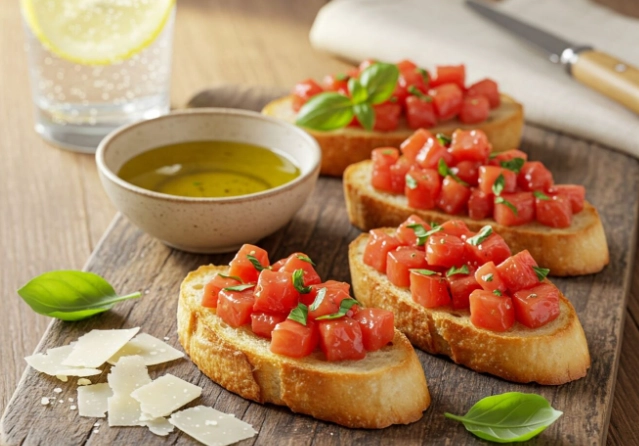
Garlic: The perfume. Used as a subtle rub, not a chop.
Olive Oil: The soul. Use the good stuff here, it's not a place to cut corners.
Topping (Classically, Tomato): The star. Fresh, ripe, and seasoned with care.
Deconstructing the Ultimate Italian Bruschetta Recipe
Let's break down each component like we're forensic food scientists. This is where the magic (and the common mistakes) happen.
1. The Bread: Choosing Your Foundation
You want a bread with a thick, sturdy crust and an open, chewy crumb (the inside part). This structure is crucial. It provides structural integrity and creates little pockets to trap flavor. Here’s a quick comparison of the usual suspects:
| Bread Type | Why It Works (or Doesn't) | My Personal Take |
|---|---|---|
| Pugliese or Ciabatta | The gold standard. Irregular holes, chewy texture, fantastic crust. Holds up beautifully. | This is my go-to. It's practically designed for bruschetta. If you can find a good bakery loaf, grab it. |
| Baguette | Widely available, crispy crust. Can be a bit too uniform and delicate for very juicy toppings. | A decent plan B. Cut it on a sharp diagonal to get wider slices with more surface area. |
| Sourdough | Great tangy flavor and sturdy structure. The sourness can compete with subtle toppings. | I love it for heartier toppings (like mushroom), but for classic tomato, it can be a bit overpowering. |
| Pre-Sliced "Tuscan" or "Italian" Bread | Often too soft, too fine-crumbed. Turns to mush under pressure. | I'd avoid it. It's the number one reason for soggy bruschetta disappointment. |
Stale bread is secretly better.
It's true. Day-old bread grills up crispier and absorbs oil and tomato juices without getting as soggy. If your bread is very fresh, you can dry out the slices in a low oven (250°F/120°C) for 10-15 minutes before grilling. It makes a world of difference.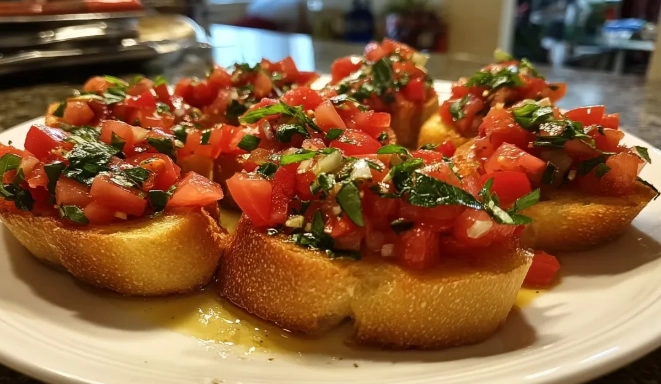
2. The Tomatoes: The Heart of the Matter
This is the make-or-break. Anemic, supermarket tomatoes in January will give you anemic, sad bruschetta. The goal is sweet, ripe, flavorful fruit with minimal water. Roma (plum) tomatoes are the classic choice because they have fewer seeds and less water. But in the height of summer, a ripe beefsteak or heirloom can be transcendent.
The single most important step for your tomato topping? De-seeding and draining.
I used to skip this. Big mistake. The seed pockets and surrounding gel are mostly water. If you mix that in, it will pool on your plate and soak your bread in minutes. Here's the drill: cut the tomato in half horizontally, squeeze out the seeds and gel, then chop the flesh. Toss the chopped tomatoes with a pinch of salt and let them sit in a colander for 15-30 minutes. The salt draws out even more excess liquid. Save this tomato water! It's amazing in a vinaigrette or to splash into a soup.
3. The Garlic: A Whisper, Not a Shout
You don't *chop* garlic for classic bruschetta. You *rub* it. Once your bread is hot off the grill, take a peeled clove of raw garlic and gently scrub it across the rough surface of the bread. The heat and abrasion release the garlic's essential oils, creating a perfumed layer that's distributed evenly and subtly. You get the aroma and flavor without the harsh, raw bite of minced garlic. It’s a game-changer for an authentic Italian bruschetta recipe.
4. The Olive Oil: Liquid Gold
This is not the time for that giant, neutral-tasting bottle of "pure" olive oil. You want extra virgin olive oil (EVOO) with character—grassy, peppery, fruity. It's a main ingredient, not just a lubricant. You'll use it twice: drizzled on the hot, garlic-rubbed bread, and then again on the finished topping. The quality shines through. Resources like the International Olive Council can help you understand labels and origins, which is useful for choosing a good bottle.
And about balsamic vinegar... let's have a chat.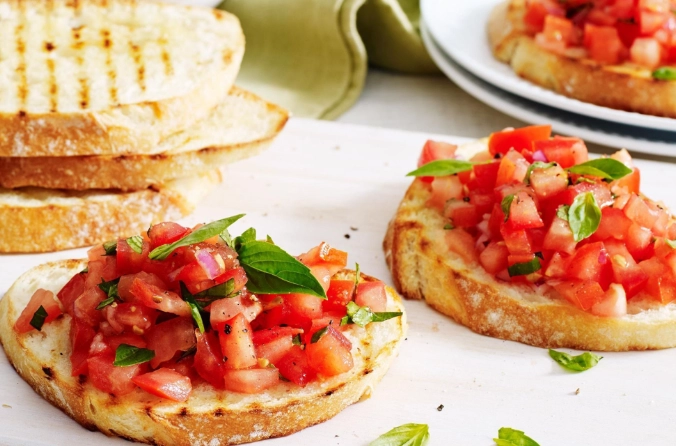
The Step-by-Step, No-Fail Classic Italian Bruschetta Recipe
Okay, theory is over. Let's make it. This is my tried-and-true method for a perfect, simple traditional bruschetta.
Ingredients
- Bread: 1 large loaf of ciabatta or Pugliese bread, cut into 1-inch thick slices
- Tomatoes: 4-5 large ripe Roma tomatoes (about 1.5 lbs), seeded, drained, and chopped
- Garlic: 2 whole cloves, peeled
- Fresh Basil: A large handful, torn (never chopped with a knife—it bruises)
- Extra Virgin Olive Oil: The best you have, plus more for drizzling
- Salt: Flaky sea salt (like Maldon) and fine sea salt
- Optional: A tiny drizzle of high-quality aged balsamic vinegar (see note above)
Method
- Prep the tomatoes: Combine chopped, drained tomatoes in a bowl with torn basil, a healthy glug of EVOO (about 2-3 tablespoons), and a pinch of fine sea salt. Stir gently. Let it sit at room temperature while you cook the bread. This lets the flavors marry.
- Grill the bread: Get a grill pan, cast-iron skillet, or your actual outdoor grill screaming hot. Brush bread slices lightly with olive oil on both sides. Grill until deep, charred grill marks appear and the bread is crisp on the outside but still slightly soft within. This takes 2-3 minutes per side. You can also use a broiler—watch it like a hawk.
- The Garlic Rub: Immediately upon taking the hot bread off the grill, take a whole garlic clove and rub it vigorously all over the top surface of the bread. You'll see the garlic slowly disintegrate. That's what you want.
- The First Oil Drizzle: Lightly drizzle the garlic-rubbed side of the hot bread with more EVOO. The heat will make it smell incredible.
- Assemble: Spoon the tomato mixture generously onto each slice. Don't pile it on hours in advance, or you'll get soggy bread. Right before serving is key.
- The Final Touch: Add one more tiny drizzle of oil over the tomatoes, and a sprinkle of flaky sea salt for texture.
That's it. Simple, right? But every step has a purpose. This method consistently gives me the best results for a classic Italian bruschetta recipe.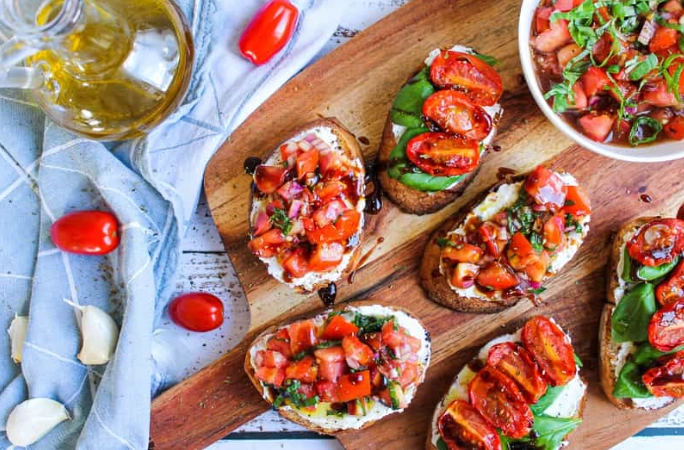
Beyond the Classic: Bruschetta's Wonderful World
Once you've mastered the tomato version, a whole universe opens up. Bruschetta is a format, a delicious blank canvas. Here are some favorites that go beyond the basic how to make bruschetta guide.
Seasonal & Regional Twists
- Spring: Fresh ricotta, blanched peas and mint, lemon zest.
- Summer (Beyond Tomato): Grilled zucchini with mint and pecorino. Burrata with roasted cherries.
- Fall/Winter: Sautéed wild mushrooms with thyme and a shaving of Parmigiano-Reggiano. White bean purée with crispy sage and olive oil (this is a classic unto itself, often called "crostini").
- From Tuscany: Chicken liver pâté (the famous "crostini neri"). It's rich, deep, and incredible.
- From the Coast: Smashed cannellini beans with tuna conserva and red onion.
The Top 5 Mistakes That Ruin Bruschetta (And How to Fix Them)
I've made most of these. Let's save you the trouble.
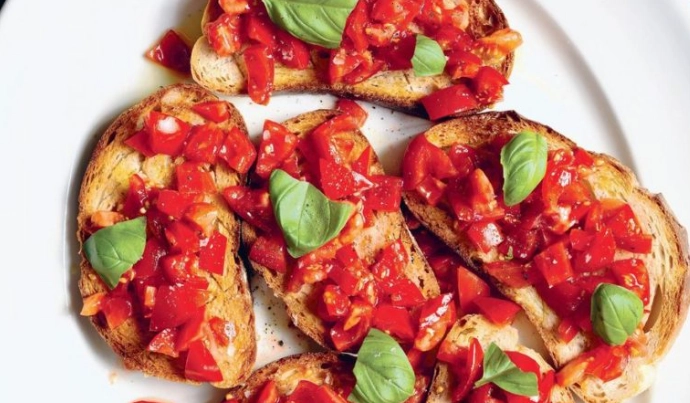
- Soggy Bread: Caused by weak bread, wet topping, and assembling too early. Fix: Use sturdy bread, drain your tomatoes, and assemble at the last minute.
- Bland Topping: Caused by under-seasoned tomatoes and low-quality oil. Fix: Salt your tomatoes adequately and use flavorful EVOO. Let the topping sit for 20 mins to develop flavor.
- Raw, Harsh Garlic Bite: Caused by mincing garlic into the topping. Fix: Use the rubbing method on hot bread. It's gentler and more aromatic.
- Burnt or Limp Bread: Caused by wrong heat. Fix: Get your pan/grill very hot for a quick sear that chars the outside but leaves the inside chewy.
- Overcomplicating It: Caused by adding too many ingredients. Fix: Remember the pillars. Let one or two top-quality ingredients shine. A simple Italian bruschetta recipe is often the best.
Your Bruschetta Questions, Answered
Final Thoughts: It's About the Spirit, Not Just the Recipe
After all this, what's the biggest takeaway for mastering an authentic Italian bruschetta recipe? It's about embracing simplicity with intention. It's about treating each of those four pillars with respect. Use the best bread, tomatoes, oil, and basil you can find. Don't rush the steps—the draining, the grilling, the rubbing. Those small acts of care transform it from a quick snack into something memorable.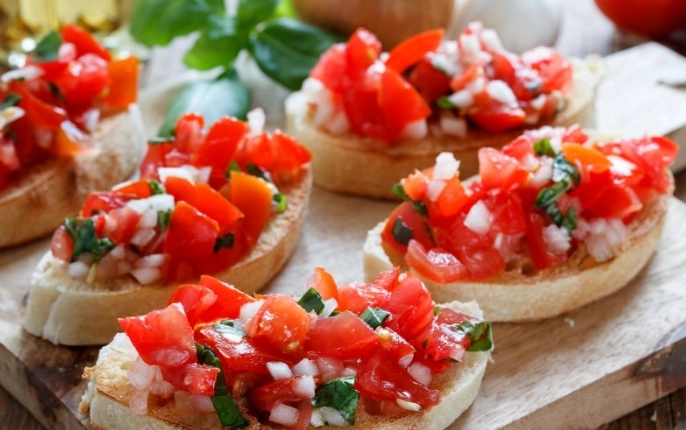
It's also incredibly forgiving. Even if your bread is a bit too soft or your tomatoes aren't peak summer perfection, the method will still get you 90% of the way there. The act of making it—the smell of garlic on hot toast, the bright red of the tomatoes—is half the joy.
So go ahead. Get some bread, fire up the stove, and make a mess.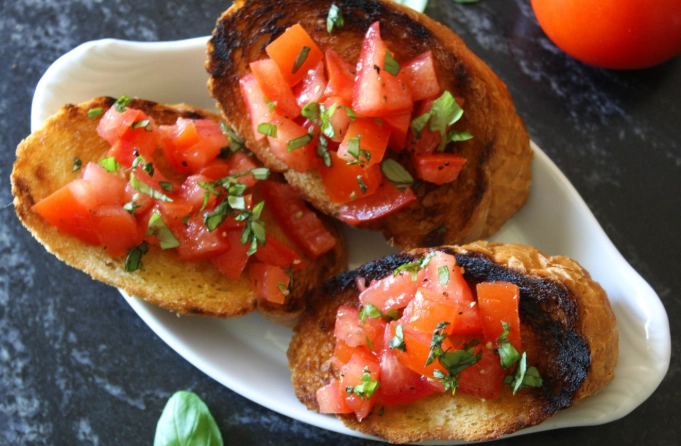
Start with the classic recipe I outlined. Get comfortable with it. Then, start playing. Mash some beans. Sauté some mushrooms. The format is your friend. Once you understand the foundation of how to make bruschetta properly, you have a lifelong, crowd-pleasing appetizer in your back pocket. And you'll never look at that bottle of balsamic glaze the same way again.
Related Articles
Ultimate Baked Italian Meatballs Recipe: Juicy, Tender & Flavorful
Ultimate Italian Margarita Recipe: How to Make the Perfect Amaretto Sour Twist
Italian Submarine Sandwich Recipe: The Ultimate Guide to a Classic Hoagie
Best Desserts After Pasta: Expert Picks for a Perfect Finish
Authentic Italian Salads: Types, Recipes & Where to Eat