Easy to Make Italian Food Recipes: Delicious & Quick Meals
Quick Navigation
Let's be honest. When you search for "easy to make Italian food recipes," you often find lists that start with things like "just make your own pasta from scratch" or "slow-simmer your tomato sauce for six hours." That's not easy. That's a weekend project. I get it. You're probably tired, maybe a bit hungry, and you just want something delicious that doesn't require a culinary degree or a trip to a specialty store. You want the flavor of a Roman trattoria without the stress.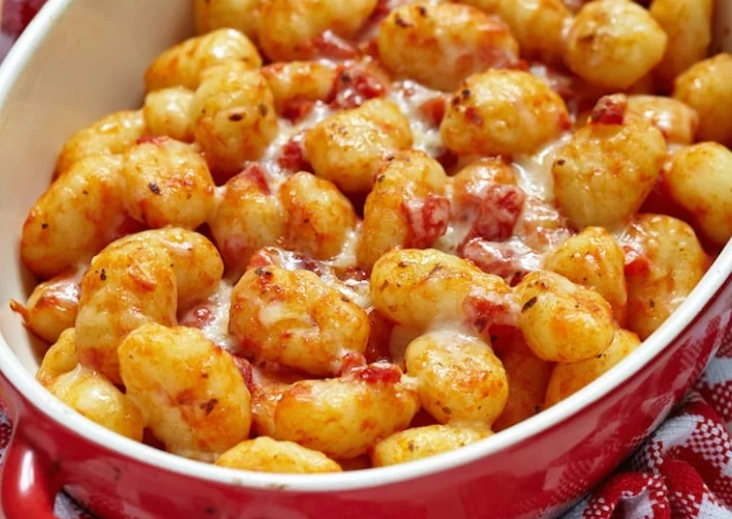
Good news. Real Italian home cooking, the kind Nonna actually makes on a Tuesday, is built on simplicity. It's about a few great ingredients treated with respect, not about fifty steps. The true magic of easy to make Italian food recipes lies in their approachability. We're going to cut through the noise and get right to the good stuff—dishes you can genuinely pull off on a regular weeknight that will make you feel like a kitchen hero.
Setting Up Your Kitchen for Italian Success (The Easy Way)
Before we dive into the recipes, let's talk about your pantry and tools. You don't need anything fancy. Seriously. I cooked for years in a tiny apartment kitchen with basically one good knife and a single large pot. The goal here is to build a foundation that makes these easy to make Italian food recipes even easier.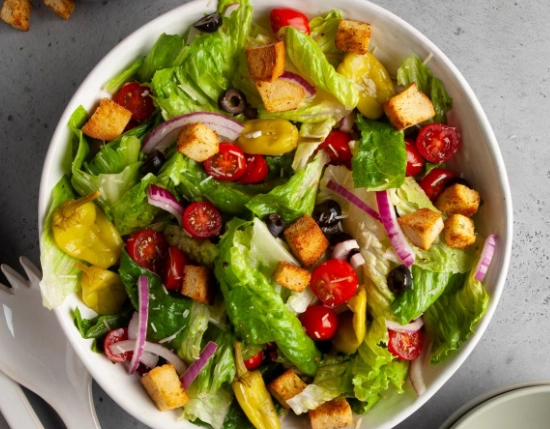
The Non-Negotiable Pantry Staples
These are the items that will turn "I have nothing to eat" into "I can whip up pasta aglio e olio in 15 minutes." Keep these on hand, and you'll always have a meal option.
- Extra Virgin Olive Oil: This is your liquid gold. Don't buy the giant, cheap jug for cooking. Get a moderately priced bottle for sautéing and a nicer one for finishing dishes (drizzling over soup, pasta, or bread). The flavor difference is real. I like to check resources like the Italian Ministry of Agricultural, Food and Forestry Policies for info on olive oil classifications—it helps you understand what you're buying.
- Canned Tomatoes: Whole peeled San Marzano tomatoes are the king. Crush them with your hands for a rustic sauce. Diced or crushed tomatoes work in a pinch, but they often have additives. Read the label; it should just say tomatoes, maybe basil leaf, and citric acid.
- Dried Pasta: De Cecco, Barilla, or any brand that uses bronze dies for extrusion (it says so on the package). This gives the pasta a rougher surface that holds sauce beautifully. Have a few shapes: spaghetti, penne, and something short like orecchiette or shells.
- Garlic & Onions: Obvious, but essential. Fresh is best.
- Dried Herbs: Oregano, thyme, and red pepper flakes (crushed chilies).
- Parmigiano-Reggiano or Grana Padano: Buy a block and grate it yourself. The pre-grated stuff has anti-caking agents that ruin the texture and melt. It's worth the extra minute.
- Canned Beans: Cannellini beans. They're the secret to creamy, fast soups and hearty sides.
See? Not a huge list. Most of it has a long shelf life too.
Tools You Actually Need
Forget the unitaskers. You need:
- A large, heavy-bottomed pot for pasta and soups.
- A large skillet or sauté pan (stainless steel or non-stick).
- A good chef's knife. Just one. Keep it sharp.
- A microplane or box grater for cheese and garlic.
- A wooden spoon and a pasta server.
- A baking sheet (for those easy sheet pan dinners).
The Recipes: From "Can't Boil Water" to "Confident Cook"
Okay, here's the main event. I've broken these down into three tiers. Start where you feel comfortable. Each recipe is a true example of an easy to make Italian food recipe because they focus on technique over complexity.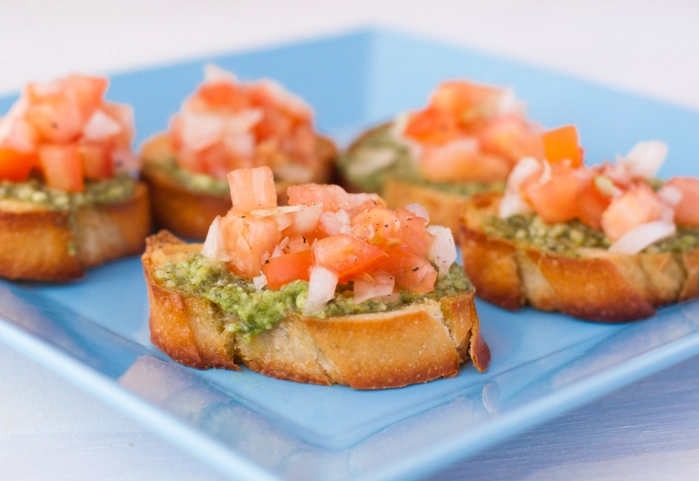
Level 1: The Absolute Beginner (Under 30 Minutes, 5 Main Ingredients)
These are your lifelines. They're almost impossible to mess up and deliver huge flavor.
Spaghetti aglio e olio e peperoncino (Spaghetti with garlic, oil, and chili). This is the ultimate pantry pasta. It's what Italian cooks make when they get home late. The key is to gently cook sliced garlic in a lot of olive oil until it's just fragrant and golden, not brown and bitter. Toss in the red pepper flakes for the last 30 seconds, then add your cooked pasta with a splash of the starchy pasta water. The water emulsifies with the oil and creates a silky, clinging sauce. Finish with parsley if you have it. That's it. No cheese needed here, though a sprinkle of breadcrumbs toasted in a pan is a nice touch.
Insalata Caprese: This isn't cooking; it's assembly. But it teaches you a vital Italian lesson: let great ingredients shine. Slice ripe tomatoes and fresh mozzarella (the kind packed in water, not the low-moisture block). Arrange them on a plate, tuck in whole fresh basil leaves, drizzle generously with your good olive oil, sprinkle with sea salt and a crack of black pepper. The quality of your tomato and mozzarella makes or breaks this. It's a perfect side or light lunch.
Ever felt that way? Staring into the fridge, willing a meal to appear? These two recipes are your answer.
Level 2: You Know Your Way Around a Pan (One-Pot Wonders & Sheet Pan Magic)
Now we're adding a step or two, but the payoff is a more complete, hearty meal.
One-Pot Pesto Pasta with Green Beans and Potatoes: This is a classic Ligurian combination. Boil pasta (like trofie or fusilli) in a large pot of salted water. In the last 5-7 minutes, throw in chopped green beans and small potato cubes. Everything cooks together. Drain, reserving a cup of water, and return it all to the pot. Stir in a few spoonfuls of good-quality store-bought pesto (or homemade if you're ambitious), thinning it with the pasta water until it coats everything beautifully. The potatoes break down a little and make the sauce extra creamy. Serve with more Parmigiano. One pot, one meal.
Sheet Pan Chicken with Peppers, Onions, and Sausage: This is my go-to for feeding a crowd with zero effort. Chop bell peppers and onions, toss them with olive oil, salt, and oregano on a large baking sheet. Add chicken thighs (bone-in, skin-on for maximum flavor and juiciness) and a few links of Italian sausage. Roast at 400°F (200°C) for about 40 minutes, tossing the veggies once. The chicken skin gets crispy, the peppers sweet and charred, and the sausage juices flavor everything. It's rustic, hands-off, and always a hit. The cleanup is easy too.
Level 3: Ready to Impress (Still Easy, But Looks Fancy)
These dishes have a "wow" factor that belies their simplicity. They're perfect for a date night or when you have friends over.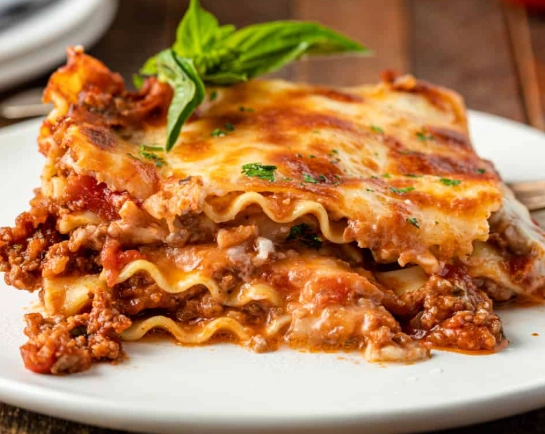
Pizza Margherita with Store-Bought Dough: Don't fight with dough. Many grocery stores and pizzerias sell fresh pizza dough balls. Let it come to room temperature. Stretch it out on an oiled baking sheet or pizza pan (no need for a stone). Spread a thin layer of crushed San Marzano tomatoes, scatter torn fresh mozzarella, drizzle with oil, and bake in your hottest oven until bubbly and crisp. Right out of the oven, tear fresh basil over the top. It's a million times better than delivery and takes 20 minutes of active work.
Osso Buco-Style Chicken Thighs: Real osso buco (braised veal shanks) takes hours. This is the weeknight hack. Brown chicken thighs in a Dutch oven. Remove them, and in the same pot, soften chopped carrots, celery, and onion (the holy "soffritto" trifecta). Add a splash of white wine to deglaze, then a can of diced tomatoes and a bit of broth. Nestle the chicken back in, cover, and simmer for 30 minutes. Finish with a gremolata (a mix of lemon zest, garlic, and parsley chopped together) for that bright, authentic finish. It tastes like it simmered all day.
I tried making real osso buco once. It was good, but honestly? These chicken thighs scratched the same itch for a fraction of the cost and time. Sometimes the hack is just smarter.
Answering Your Italian Cooking Questions (The FAQ Section)
You probably have a few questions bouncing around. Let's tackle the common ones head-on.
What if I don't have [specific ingredient]?
Italian cooking is forgiving. No fresh basil? Use a teaspoon of dried oregano or a handful of parsley. No white wine for deglazing? Use a splash of broth or even water—the goal is to get the flavorful browned bits off the pan. No Parmigiano-Reggiano? Pecorino Romano is saltier but works, or a good aged Asiago. The point is to cook, not to be paralyzed by a missing item.
How do I make sure my pasta isn't mushy?
Two rules: use a lot of water (like, a gallon for a pound of pasta), and salt it generously—it should taste like the sea. This seasons the pasta from within. Most importantly, cook it for 1-2 minutes LESS than the package says. It will finish cooking in the sauce. This is the single biggest upgrade you can make to any pasta dish.
Can I make these recipes vegetarian or vegan?
Absolutely. Many easy to make Italian food recipes are naturally vegetarian (pasta al pomodoro, caprese, pesto pasta). For vegan versions, nutritional yeast can mimic some cheesiness, and cashew cream can add richness. A simple marinara is already vegan. For protein, toss in roasted chickpeas or cannellini beans.
What's the deal with salting pasta water so much?
It's not just for flavor. Salting the water raises its boiling point slightly and helps season the pasta from the inside out as it absorbs water. If you only salt the sauce, the pasta itself will taste bland. It's a foundational step.
How do I store and reheat these dishes?
Pasta is best eaten fresh, but if you must, store sauce and pasta separately. Reheat the sauce and add the pasta to it with a splash of water. Soups and stews like the chicken thigh recipe often taste better the next day. For food safety guidelines on storage, I always double-check with a reliable source like the USDA's Food Safety guidelines. Better safe than sorry.
Building Your Easy Italian Recipe Toolkit: A Quick Reference
Let's put some of this core information in a table. It's a cheat sheet for turning concepts into dinner.
| When You're Craving... | Go-To Easy Recipe | Key Ingredients & Why | Time Commitment |
|---|---|---|---|
| Comforting & Carby | Spaghetti Aglio e Olio | Garlic, Olive Oil, Chili Flakes. Teaches sauce emulsification with pasta water. | 15 mins |
| Light & Fresh | Insalata Caprese | Ripe Tomato, Fresh Mozzarella, Basil. Lesson in ingredient quality. | 10 mins |
| A Complete, No-Fuss Meal | Sheet Pan Chicken & Peppers | Chicken Thighs, Sausage, Bell Peppers. Hands-off roasting maximizes flavor. | 10 mins prep, 40 mins cook |
| Something "Fancy" but Simple | Pizza Margherita (store dough) | Fresh Pizza Dough, San Marzano Tomatoes, Fresh Mozzarella. Fast, impressive results. | 20 mins active, 15 mins bake |
| Cozy & Braised (without the time) | Osso Buco-Style Chicken Thighs | Chicken Thighs, Soffritto (onion, carrot, celery), White Wine, Gremolata. Slow-cooked flavor in under an hour. | 50 mins total |
That table right there? That's your new game plan for the next two weeks of dinners. Print it out, stick it on the fridge.
Moving Beyond the Recipes: Developing Your Own Style
Once you've made a few of these easy to make Italian food recipes, you'll start to see patterns. That's when the real fun begins. You'll learn that a "sauce" can just be the delicious fond left in a pan after sautéing sausage, deglazed with wine. You'll realize that tossing almost any roasted vegetable with pasta, olive oil, and cheese is a winner.
The goal isn't to follow recipes slavishly forever. It's to internalize the principles: start with good ingredients, don't overcook them, use salt wisely, and let simplicity be your guide. Then you can start riffing. Add some kale to your white bean soup. Throw some capers and olives into your tomato sauce. Use that sheet pan method with fish instead of chicken.
Trust me on this.
The journey from searching for "easy to make Italian food recipes" to confidently throwing together a meal without a recipe is shorter than you think. It starts with forgiving dishes that work, builds your confidence with clear techniques, and finally gives you the freedom to play. That's the real gift of this cuisine—it's a framework for deliciousness, not a rigid set of rules. So grab that olive oil, put the water on to boil, and start cooking. Your kitchen is about to smell amazing.
Related Articles

Unique Italian Appetizers: Beyond Bruschetta & Meatballs
Easy Italian Regional Recipes: Authentic Dishes You Can Actually Make
Authentic Italian Recipes: Your Ultimate Guide to Mastering Classics at Home

With an increase of nearly 300%, the leader of "flying cars" took off, fearless
Italian Meatball Recipe: Step-by-Step Guide & Secrets for Tender Meatballs
Ultimate Guide to Italian Meatball Recipes: From Classic to Creative

Ground Italian Sausage Recipes: The Ultimate Guide for Easy & Flavorful Dinners

Best Italian Cocktails: From Classic Negroni to Modern Aperitivo
Authentic Italian Dinner Recipes: Classics for Your Table

Is it worth it for companies to sponsor the Olympics? | Finance looks at the Oly
Italian Vinaigrette Recipe: The Only Guide You'll Ever Need

Sea freight rates soared! One after another raised sea freight rates, the "king
Italian Submarine Sandwich Recipe: The Ultimate Guide to a Classic Hoagie

How to Assemble Italian Sliders: The Ultimate Guide for Perfect Party Food
Vegetarian Italian Recipes: A Complete Guide to Plant-Based Pasta & More

The State Administration of Financial Supervision: Commercial banks have release
A Typical Italian Dinner at Home: The Real Menu & Traditions
What is a Good Appetizer Before Pasta Dinner? 15+ Expert Picks & Pairing Guide
Mastering Italian Fish Recipes: From Classic to Coastal
Easy Italian Pizzelle Recipe: Simple & Authentic

Industry Observation|Running at a new speed of trade finance, Bohai Bank's "Boyi
What Are the Top 10 Italian Appetizers? A Taste of Italy's Antipasto Secrets

Geely and Zeekr have the best semi-annual reports, half of which rely on sales g
Minestrone Soup Recipe: An Italian Classic Made Simple
Italian vs American Braciole: The Real Differences Explained
Traditional Southern Italian Recipes: Authentic Dishes & Secrets

The global economy has ushered in a remarkable transformation after the new crow
Authentic Italian Steak Recipe: Bistecca alla Fiorentina Guide
Ultimate Italian Beef Crock Pot Recipe: Tender & Juicy
Leave a Comment