Classic Italian Pasta Recipes: Authentic Dishes You Can Master
What’s Inside
Let's be honest. We've all messed up a pasta dish. I remember the first time I tried to make Carbonara. It looked right, but the texture was off, a bit grainy, and it just didn't taste like the one I had in that tiny trattoria in Rome. That's the thing about classic Italian pasta recipes – they seem simple, but the devil's in the details. A few wrong moves, and you're eating something that's just... pasta with stuff on it, not an authentic experience.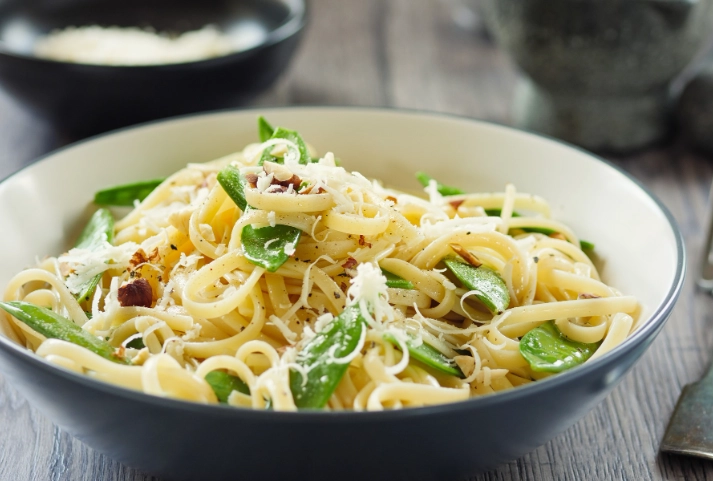
This isn't about fancy, chef-level complexity. It's about getting the fundamentals right. The soul of Italian cooking lives in these staple dishes, passed down through generations, argued over in kitchens from Naples to Bologna. My goal here isn't to give you a rigid rulebook, but to share the principles, the little secrets, and the common pitfalls so you can cook with confidence. Because once you understand the why behind the how, you can make these dishes your own, while still honoring their roots.
The Non-Negotiables: Your Pasta Foundation
Before we dive into specific recipes, let's talk gear and ingredients. You don't need a professional kitchen, but a few things make a world of difference.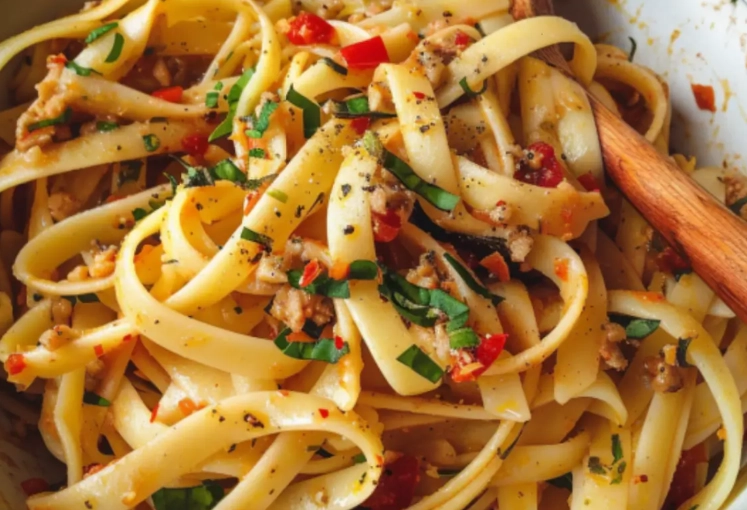
First, the pot. Use a large, wide pot. I'm talking 6-8 quarts for a pound of pasta. Plenty of water (4-5 quarts) and a good amount of salt—make it taste like the sea. This is the only chance to season the pasta itself. Skip the oil in the water; it's a myth that prevents sauce from sticking.
Now, ingredients. This is where the magic (or tragedy) happens.
- Pasta: Dried pasta is not inferior! For many classic Italian pasta dishes, high-quality dried pasta (like De Cecco, Rummo, or Garofalo) is actually preferred. Its rough surface holds sauce better. Fresh pasta is for specific, often richer, egg-based sauces.
- Cheese: Please, for the love of all that is holy, grate it yourself. Pre-grated cheese contains anti-caking agents (like cellulose) that make it clumpy and refuse to melt smoothly. A block of Parmigiano-Reggiano or Pecorino Romano and a microplane are your best friends.
- Tomatoes: For sauces, look for whole, peeled San Marzano tomatoes (D.O.P. certified if you can find them). They're sweeter, less acidic, and have fewer seeds. Crush them by hand for the perfect texture.
- Pancetta vs. Guanciale: This starts fights. Guanciale (cured pork cheek) is the traditional choice for Carbonara and Amatriciana. It's fattier and more flavorful. Pancetta (cured pork belly) is a more widely available substitute. Bacon? In a pinch, but it's smoked and will change the flavor profile entirely.
Get these basics right, and you're 70% of the way there.
The Holy Trinity of Classic Italian Pasta Recipes
If Italian cuisine had a Mount Rushmore for pasta, these three would be on it. They are the benchmarks, the dishes every home cook should have in their arsenal.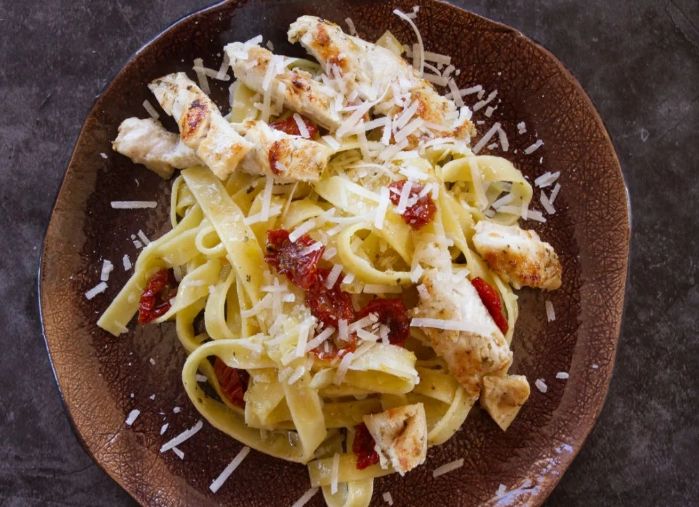
Spaghetti alla Carbonara
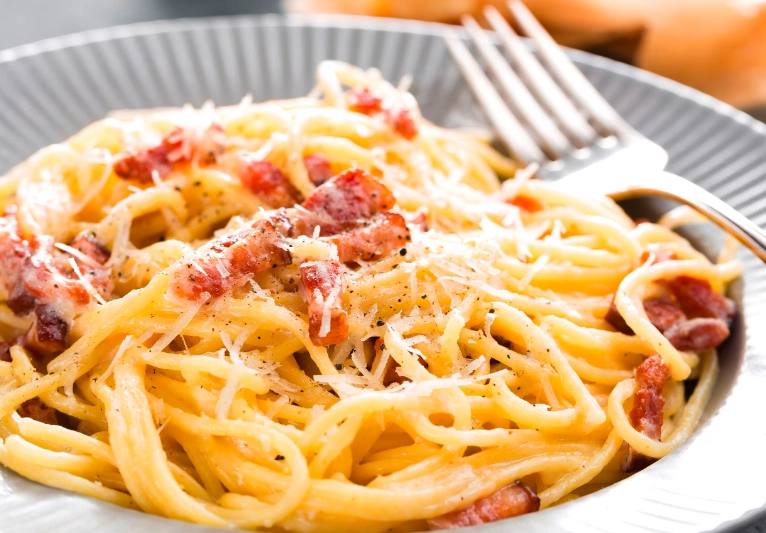
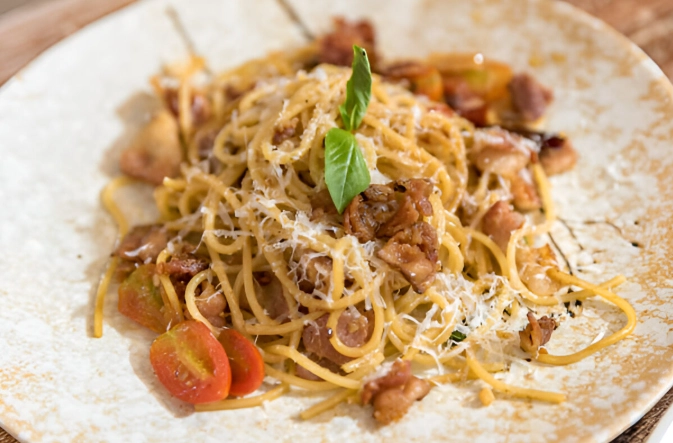
The king of creamy-without-cream sauces. Its simplicity is terrifying because there's nowhere to hide. The goal: a silky, glossy sauce that coats each strand, not scrambled eggs with pasta.
| Ingredient | Why It Matters | Common Mistake |
|---|---|---|
| Guanciale (or Pancetta) | Provides fat and salty, meaty flavor. The rendered fat is part of the sauce. | Cutting it too thin. You want small cubes or strips that can crisp up slightly while staying chewy. |
| Pecorino Romano | Sharp, salty, sheep's milk cheese. Authentic to Rome. Parmigiano is milder and often used in a mix. | Using pre-grated cheese. It won't emulsify properly into the sauce. |
| Eggs (whole + yolks) | Yolks provide richness and the signature yellow color. A whole egg helps with binding. | Adding eggs to a piping hot pan. This makes scrambled eggs. You must temper them with pasta water. |
| Black Pepper | Not just seasoning; it's a main flavor component. Freshly cracked is mandatory. | Using fine pre-ground pepper. You need the coarse bite and aroma. |
| Pasta Water | The secret weapon. Starchy, salty water helps create the emulsion and thin the sauce to the right consistency. | Draining the pasta too well and not reserving enough water (at least a cup). |
The Method (The Crucial Part): Cook your guanciale slowly to render the fat. Whisk eggs, cheese, and lots of pepper in a bowl. Cook the pasta, but reserve a generous amount of starchy water. Drain the pasta and add it immediately to the pan with the guanciale and fat (off the heat!). Toss vigorously. Now, take a ladle of hot pasta water and slowly stream it into your egg mixture while whisking to temper it. Pour this over the pasta and toss, toss, toss like your dinner depends on it. Add more pasta water as needed until you get a creamy, flowing sauce that clings to the pasta. Serve immediately. No cream. Ever. The Italian Ministry of Agricultural, Food and Forestry Policies (politicheagricole.it) even has an official recipe to protect its tradition, which is a fun bit of trivia that shows how serious they are.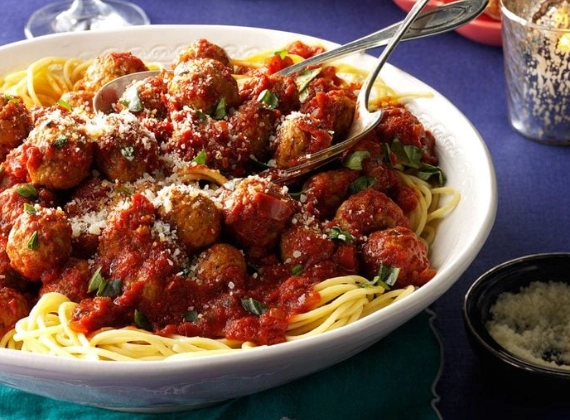
Tagliatelle al Ragu alla Bolognese
First, let's clear this up: what Americans often call "spaghetti bolognese" doesn't really exist in Italy. In Bologna, the meat sauce is called ragu and it's traditionally paired with a broad, flat pasta like tagliatelle or pappardelle that can hold the hearty, slow-cooked sauce. This is a Sunday project, a labor of love that fills your home with an incredible aroma for hours.
The base is a soffritto – finely diced onion, carrot, and celery slowly cooked in butter (and sometimes oil) until sweet and soft. Then you add the meat—often a mix of ground beef, pork, and sometimes veal. The milk addition sounds odd, but it tenderizes the meat and cuts acidity. The wine deglazes the pan. Then, a long, gentle simmer with tomatoes (not too many!) and broth. We're talking 3-4 hours, minimum. The result should be thick, rich, and deeply flavorful, not a watery tomato sauce with some meat in it.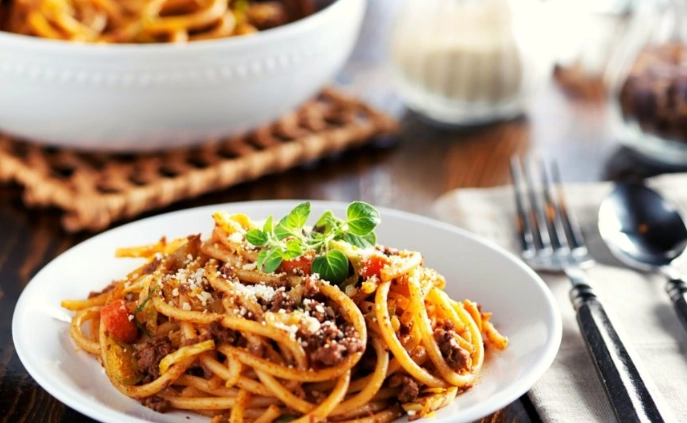
A great Bolognese isn't red; it's a rich, earthy brown. The tomatoes are a background note, not the star.
Pesto alla Genovese
Summer in a bowl. Authentic pesto from Genoa is a raw sauce, vibrant green, and bursting with fresh flavor. The key is not to over-process it. You want a coarse, textured paste, not a smooth puree.
Use a mortar and pestle if you can. It bruises the basil rather than tearing it, preventing bitterness. Pound the garlic and pine nuts first, then the basil leaves with coarse salt, then the cheeses, and finally stream in the olive oil. If using a food processor, pulse, don't run. And for goodness' sake, don't add heat. You cook the pasta, toss it with the raw pesto and a splash of pasta water, and that's it. The heat from the pasta is enough to wilt the sauce slightly. Tossing it in a hot pan will turn it dark and kill the fresh flavor. Trofie or trenette pasta are traditional, but linguine or spaghetti work fine.
Honestly, store-bought pesto in a jar is a pale, often oily or vinegary imitation. Making your own is so fast and the difference is night and day.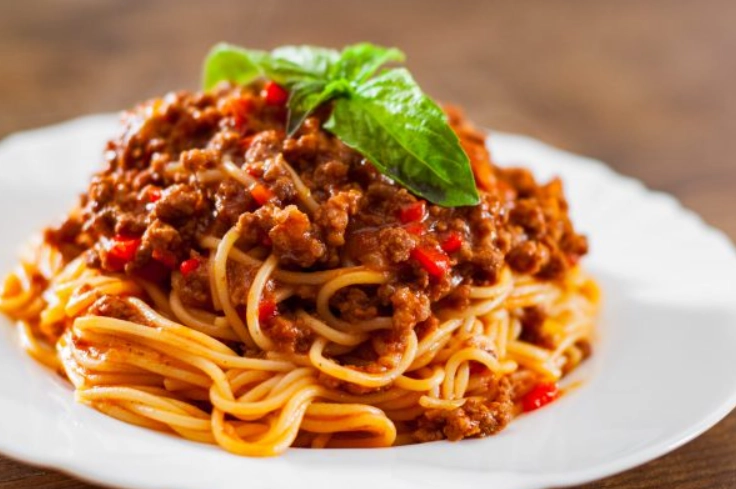
Beyond the Big Three: Other Essential Classics
Italy's regional diversity means there's a world of classic Italian pasta recipes to explore.
Cacio e Pepe: Rome's minimalist masterpiece. Just cheese (Pecorino), black pepper, and pasta water. The technique is everything—creating a smooth, peppery cheese sauce without it seizing up into a clumpy mess. It's harder than Carbonara, in my opinion.
Amatriciana: Another Roman staple. Guanciale, tomatoes, Pecorino, and chili flakes. It's like a spicy, tomato-based cousin to Carbonara. The tomatoes should be just cooked through, not reduced for hours.
Pasta alla Norma: From Sicily. Eggplant, tomatoes, basil, and salted ricotta (ricotta salata). The eggplant is fried until meltingly tender and sweet. It's a beautiful, vegetarian-friendly dish that's full of flavor.
Aglio e Olio (Garlic and Oil): The ultimate pantry pasta. Thinly sliced garlic slowly toasted in olive oil until golden (not burnt!), with chili flakes and parsley. It's deceptively simple and incredibly satisfying. This is my go-to late-night "I need food now" dish.
Answering Your Pasta Questions (The Stuff You Actually Google)
For more on the science and history of pasta, the Academia Barilla (academiabarilla.it), a center dedicated to Italian gastronomic culture, has fantastic resources that go deep into these topics.
Putting It All Together: A Weeknight-Friendly Classic
Think all this is too much for a Tuesday? Let's adapt. Pasta alla Puttanesca is your friend. It's bold, fast, and uses pantry staples. It literally means "pasta in the style of a prostitute" – lore says it was quick and easy to make between clients. The flavor is aggressive and amazing: garlic, anchovies (they melt away, don't be scared!), capers, olives, chili flakes, and tomatoes. It comes together in the time it takes to boil water and cook spaghetti. The salty, briny, spicy punch is unforgettable. It's a perfect example of how a classic Italian pasta recipe can be both deeply flavorful and incredibly simple.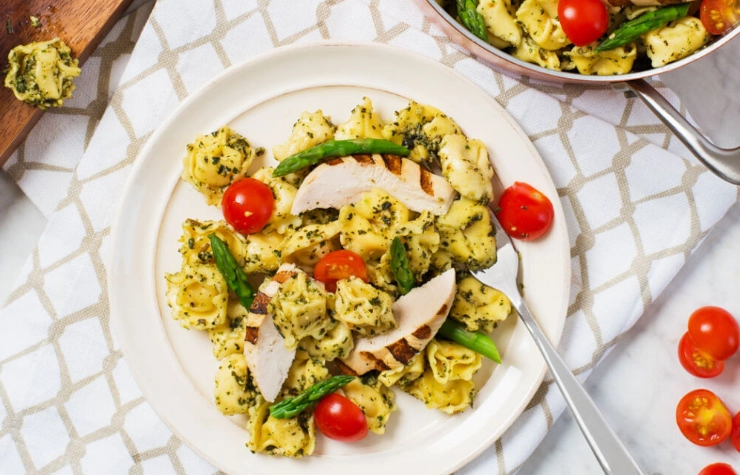
The best part? Once you learn these foundations, you stop following recipes and start cooking.
You'll know when the garlic is perfect, you'll feel how much pasta water to add, and you'll understand why certain pastas work with certain sauces. That's the real goal. To move beyond just replicating dishes and to actually cook Italian food with the spirit it deserves—simple, respectful of ingredients, and utterly delicious. So grab your pot, salt your water like the Mediterranean, and start with one dish. Maybe it's Aglio e Olio tonight. Get that one right, and you'll have the confidence to tackle Carbonara next weekend. Before you know it, you'll be arguing with your friends about guanciale versus pancetta, and you'll know you've made it.
A final thought: The best resource is often the official tourism sites of Italy's regions. For example, the Emilia-Romagna tourism site has fantastic insights into the food culture of the region that gave us Bolognese and Parmigiano. It's a great way to understand the context behind the food.
Related Articles
Vegetarian Italian Recipes: A Complete Guide to Plant-Based Pasta & More
Traditional Northern Italian Recipes: Authentic Dishes & Cooking Secrets
Perfect Homemade Italian Gnocchi Recipe: Light & Fluffy

The only Olympic TOP partner in China's consumer goods industry: Mengniu's pursu

Unique Italian Cocktails: Beyond the Aperol Spritz
Authentic Carbonara Recipe: How to Make Traditional Italian Pasta
Ultimate Italian Sliders Recipe: Party-Perfect and Irresistible
Italian Meatloaf Recipe: The Ultimate Comfort Food Guide

What is the Traditional Drink of Italy? The Definitive Guide
Authentic Italian Recipes: Your Ultimate Guide to Mastering Classics at Home
Authentic Italian Tomato Sauce Recipe: Secrets from a Home Cook

Is Xiaomi Auto dumped?
Easy Authentic Italian Minestrone Soup Recipe & Secrets
Make-Ahead Italian Appetizers: Stress-Free Recipes & Tips for Any Gathering
Authentic Italian Pasta e Fagioli Recipe: A Hearty Classic
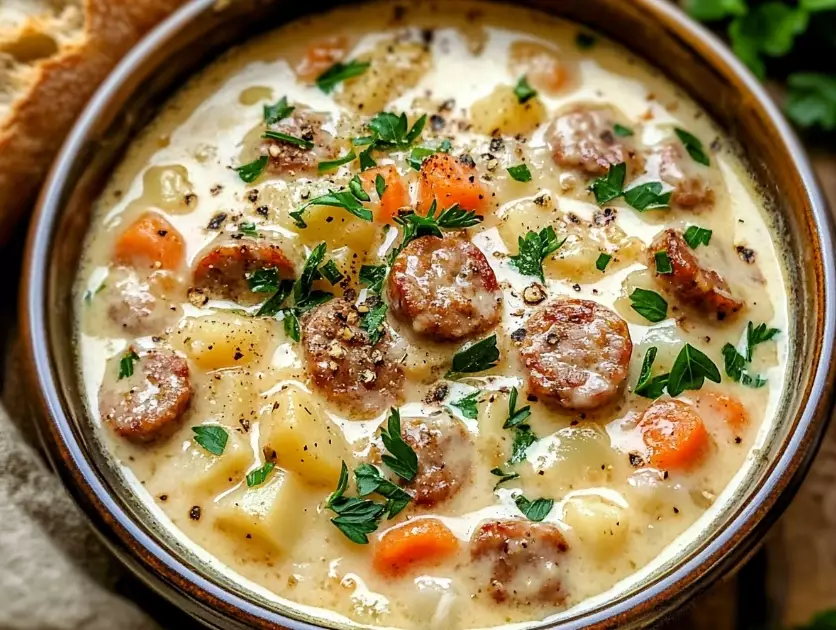
Hearty Italian Sausage Soup Recipe: Easy & Flavorful Comfort Food
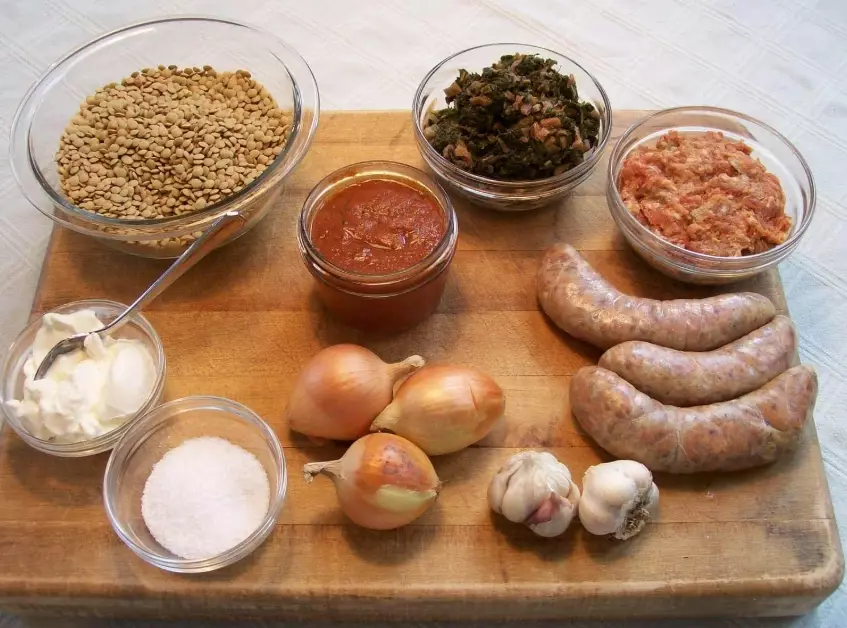
Ultimate Guide to Homemade Italian Sausage Recipe (Sweet & Spicy)
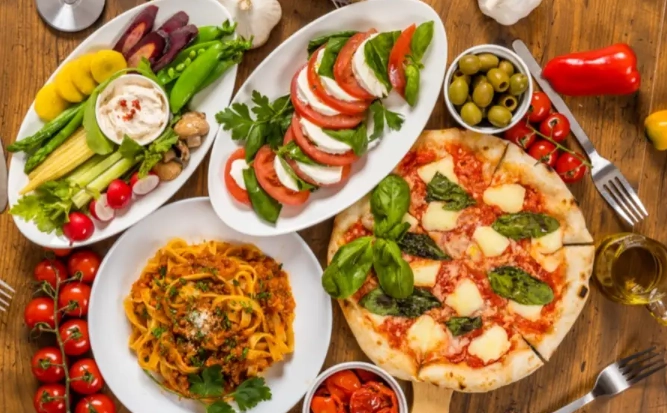
A Typical Italian Dinner at Home: The Real Menu & Traditions
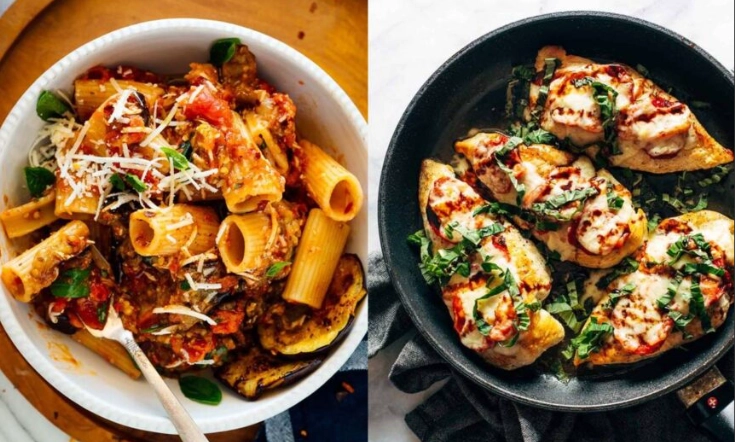
Master the Classics: The Best Italian Recipes You Need to Know

Perfect Pairings: What to Serve with Italian Sausage for Dinner
Italian Shrimp Recipes: From Classic Scampi to Modern Dishes

Unique Italian Appetizers: Beyond Bruschetta & Meatballs
The Ultimate Homemade Italian Dressing Recipe (Easy & Authentic)
What Is Authentic Italian Food? A Guide to Regional Classics & Home Cooking
Authentic Carbonara Recipe: Traditional Italian Pasta Without Cream
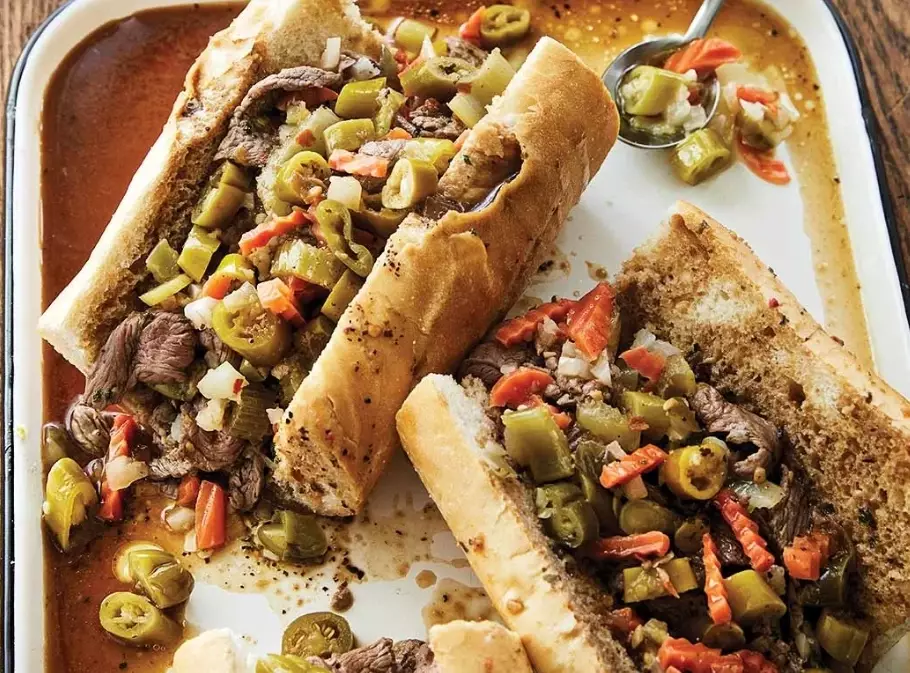
Authentic Italian Beef Recipe: Slow-Cooked Chicago-Style Sandwiches
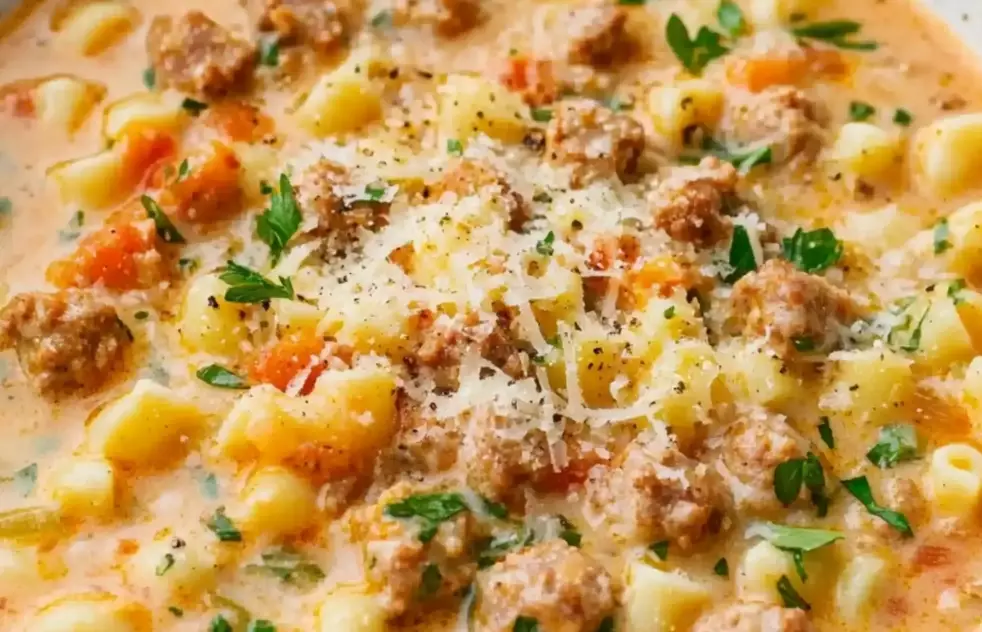
Italian Sausage Soup: Authentic Recipes & Pro Tips
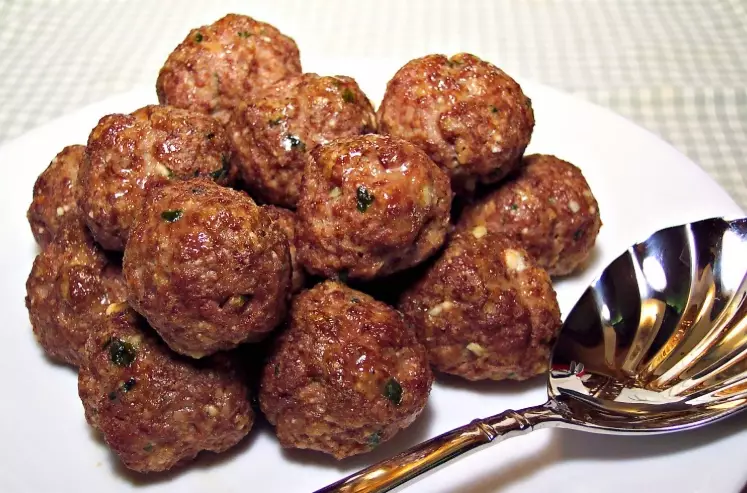
Italian Meatball Recipe: Step-by-Step Guide & Secrets for Tender Meatballs
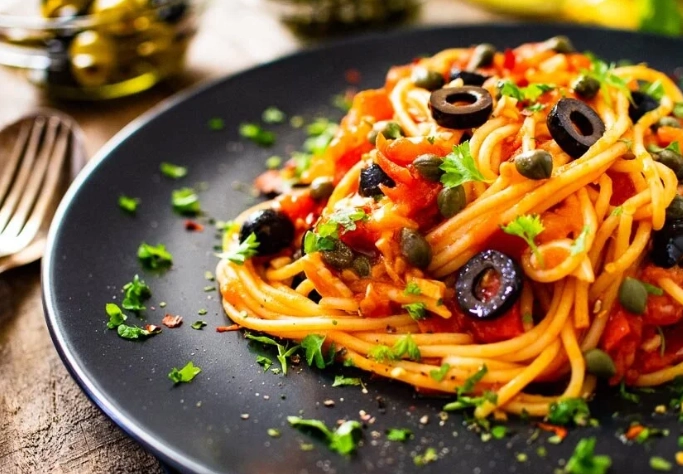
4 Famous Italian Pastas: Types, History & Cooking Guide
Leave a Comment